Chef Makoa
ʻAʻama (Hawaiian Black Rock Crab with Paʻakai)
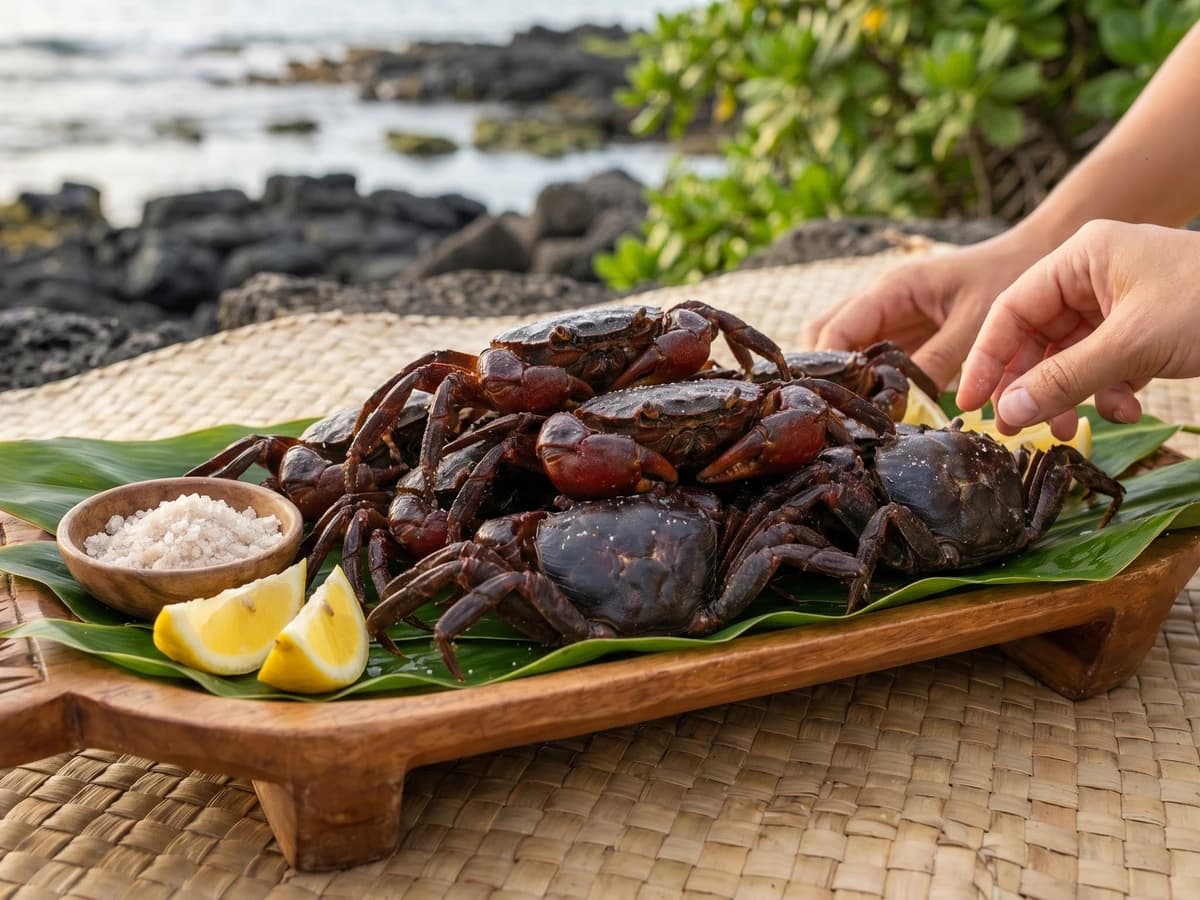
Hawaiʻi's reef-gathered ʻaʻama, the small black rock crab from the shoreline stones, boiled quick in salty water and picked whole at the lūʻau table beside ʻopihi.
A cooking platform built around craft, culture, and the stories behind what we eat.
Created by
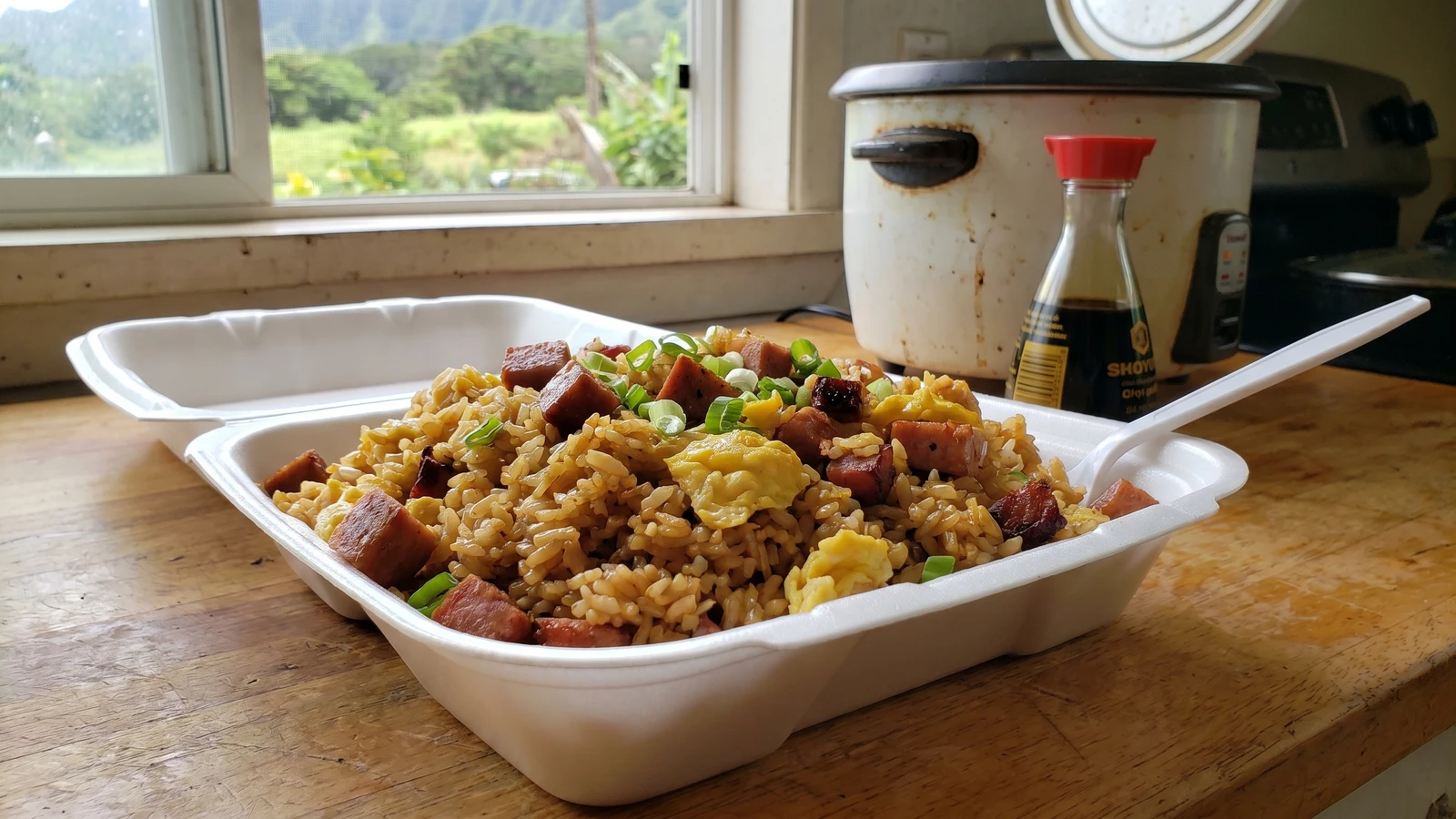
Day-old rice goes into the hot pan with Spam, Portuguese sausage, char siu, egg, shoyu, and green onion: Hawaiʻi's Local camp-kitchen answer to waste nothing and feed everybody fast.
Papa Kainoa used to say, Eat what you have, and the rice cooker on the counter took that scolding serious. This one belongs to Hawaiʻi, to the Local table, the sugar-camp stove where Kanaka Maoli, Chinese, Japanese, Portuguese, Korean, Filipino, Puerto Rican, and other hands learned to feed one another with what was left from yesterday. No blame the plate for being humble. Humble is how plenty people survived.
This is Hawaiʻi food, not the old Hawaiian deep food like poi, paʻiʻai, and laulau, and that doesn't make it lesser. It is the other half of the table: rice from the camp, shoyu from the Japanese pantry, char siu from the Chinese shop, Portuguese sausage, Spam from the war years, egg from the icebox, green onion from the yard if you're lucky. ʻĀina, kānaka, meaʻai, land, people, food, still talking to each other, even when the ingredients came by ship and the workers were pushed together by somebody else's economy.
The method is thrift with heat under it. Day-old rice matters because fresh rice is soft and wet, and wet rice goes clumpy in the pan. You want cold grains that separate, dry enough to take the shoyu around the edge of the wok and come back glossy, salty, and a little browned. Fried rice is not fancy. It's breakfast before work, dinner after practice, meal prep for the week, one plastic fork and everybody quiet for the first three bites.
Across the Triangle, the everyday contact foods have their own island hands too: Sāmoan sapasui, Tongan kapisi pulu, Cook Islands chop suey, Māori boil-up and fried bread around the marae. This one is Hawaiʻi's Local fried rice. Same ocean family, different kitchens, and each deserves its own name.
Hawaiʻi's Local fried rice belongs to the plantation-camp kitchen that formed as sugar expanded in the late 1800s, with Chinese laborers arriving from 1852, Portuguese workers from 1878, Japanese contract labor from 1885, Puerto Rican workers after 1900, Koreans from 1903, and Filipinos from 1906. Chinese fried-rice technique, Japanese rice habits and shoyu, Portuguese sausage, char siu, eggs, and later wartime Spam met in the no-waste logic of day-old rice. It sits beside deep Hawaiian foods like poi, paʻiʻai, and laulau as post-contact Local food, spoken in Pidgin and kept alive in lunch wagons, drive-ins, saimin stands, and home kitchens.
Quantity
5 cups
cold and day-old, grains broken up
Quantity
2 tablespoons
plus more as needed
Quantity
6 ounces
diced small
Quantity
6 ounces
diced small
Quantity
1 cup
diced
Quantity
4
beaten
Quantity
1/2 medium
diced
Quantity
2 cloves
minced
Quantity
1 cup
thawed and patted dry
Quantity
3 tablespoons
Quantity
1 tablespoon
Quantity
1 teaspoon
Quantity
1/2 teaspoon
Quantity
4
thinly sliced, whites and greens separated
Quantity
only if needed
| Ingredient | Quantity |
|---|---|
| cooked white ricecold and day-old, grains broken up | 5 cups |
| neutral oilplus more as needed | 2 tablespoons |
| Spamdiced small | 6 ounces |
| Portuguese sausagediced small | 6 ounces |
| char siudiced | 1 cup |
| large eggsbeaten | 4 |
| yellow oniondiced | 1/2 medium |
| garlicminced | 2 cloves |
| frozen peas and carrots (optional)thawed and patted dry | 1 cup |
| shoyu (soy sauce) | 3 tablespoons |
| oyster sauce (optional) | 1 tablespoon |
| toasted sesame oil | 1 teaspoon |
| white pepper or black pepper | 1/2 teaspoon |
| green onionsthinly sliced, whites and greens separated | 4 |
| paʻakai (salt) (optional) | only if needed |
Use rice that was cooked ahead, cooled fast, and kept cold. Break the clumps apart with clean hands so the grains are loose before they ever touch the pan. If the rice feels wet, spread it on a tray in the fridge for 20 minutes. The pan can brown dry rice, but it only steams wet rice into a heavy lump.
Heat a large wok or skillet over medium-high heat, then add 1 tablespoon of the oil. Add the Spam and Portuguese sausage and let them sit long enough to take color before you start pushing them around. When the edges are browned and glossy, fold in the char siu just until it warms and shines, then move all the meat to a plate.
Add a small splash of oil if the pan is dry, then pour in the beaten eggs. Stir them into soft curds, still tender and a little glossy, then slide them onto the same plate as the meat. They will finish when they go back through the rice.
Add the remaining oil, then the onion and the white parts of the green onion. Stir until the onion smells sweet and loses its raw bite, about 2 minutes. Add the garlic and the peas and carrots if you're using them, and cook until the vegetables look dry on the surface, not watery.
Turn the heat high. Add the cold rice and spread it across the pan so the grains touch hot metal. Press, wait, then toss. Do that a few times until the rice separates, the edges pick up a little brown, and the pan smells toasted instead of damp. Drizzle the shoyu around the hot edge of the pan so it sizzles before it hits the rice, then add the oyster sauce if using and toss until every grain carries a light brown sheen.
Fold the browned meats and soft egg back through the rice. Add the sesame oil, pepper, and green onion tops, then taste before adding any paʻakai because the Spam, sausage, char siu, and shoyu already brought plenty salt. Serve it hot and glossy in a plate-lunch clamshell, a plain bowl, or straight from the pan at home. Eat what you have, and waste nothing.
1 serving (about 280g)
Culinary guides, cultural storytelling, and the editorial depth that makes cooking meaningful.
Discover Culinary ExplorerChef Makoa
Hawaiʻi's reef-gathered ʻaʻama, the small black rock crab from the shoreline stones, boiled quick in salty water and picked whole at the lūʻau table beside ʻopihi.

Chef Makoa
Hawaiʻi Local chicken hekka, the plantation-camp cousin of Japanese sukiyaki, with tender chicken, long rice, shiitake, bamboo shoots, and sweet shoyu gravy for rice.
Chef Makoa
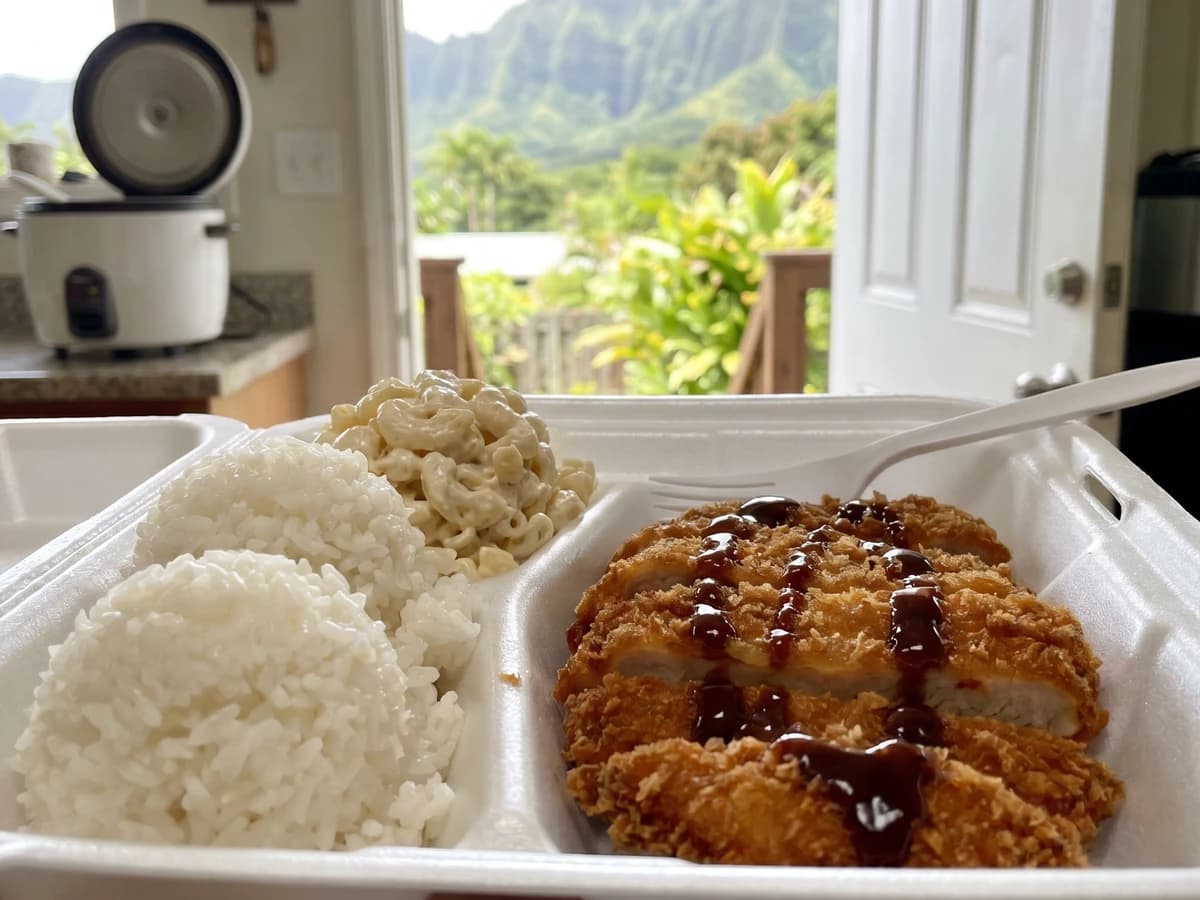
Hawaiʻi's Local plate-lunch comfort: juicy chicken thigh in panko, fried crisp, sliced over white rice with mac salad and katsu sauce, the sugar-camp stove brought home.
Chef Makoa
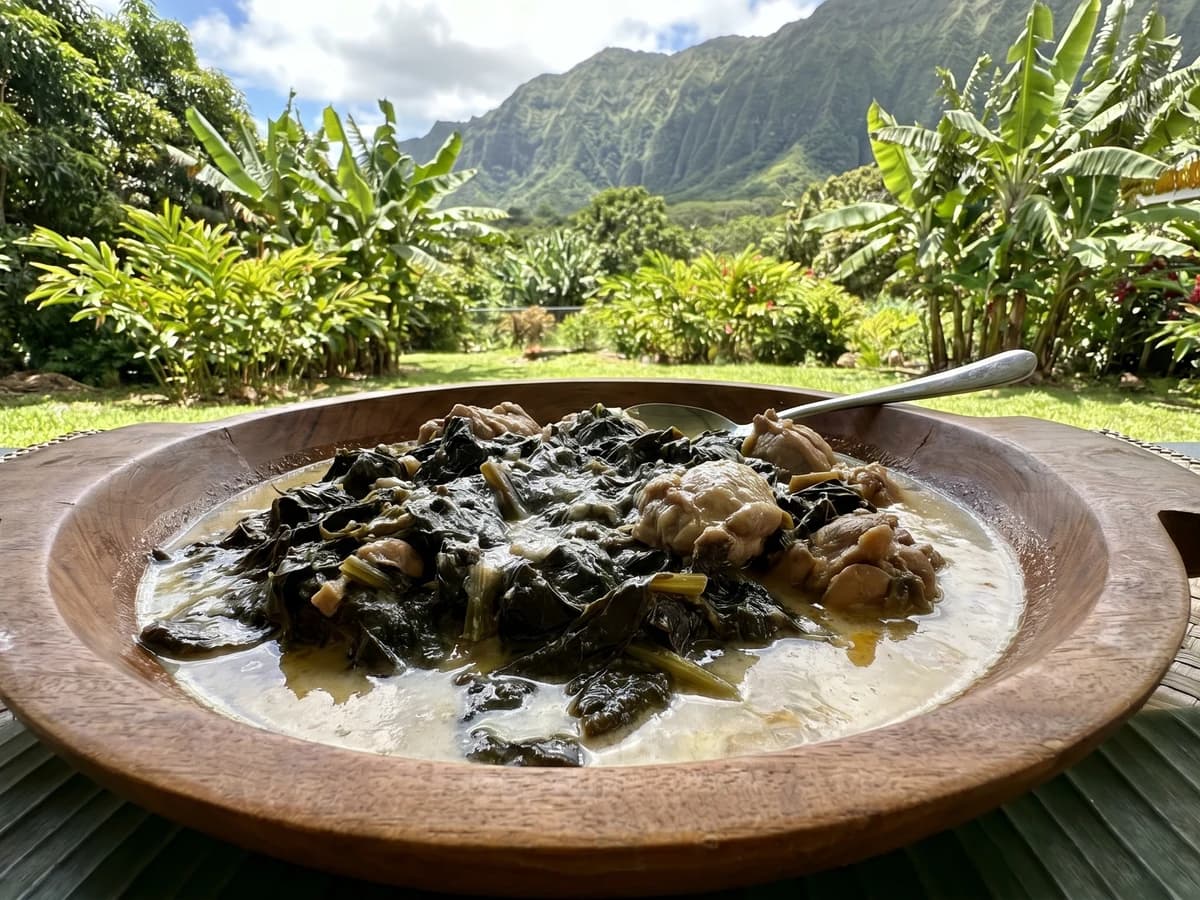
Hawaiian chicken lūʻau is kalo leaf cooked past its bite with tender chicken and coconut milk, a windward Oʻahu comfort pot with cousins in Sāmoa's palusami, Tonga's lū, and Cook Islands rukau.