Chef Isabel
Abanico Ibérico a la Plancha
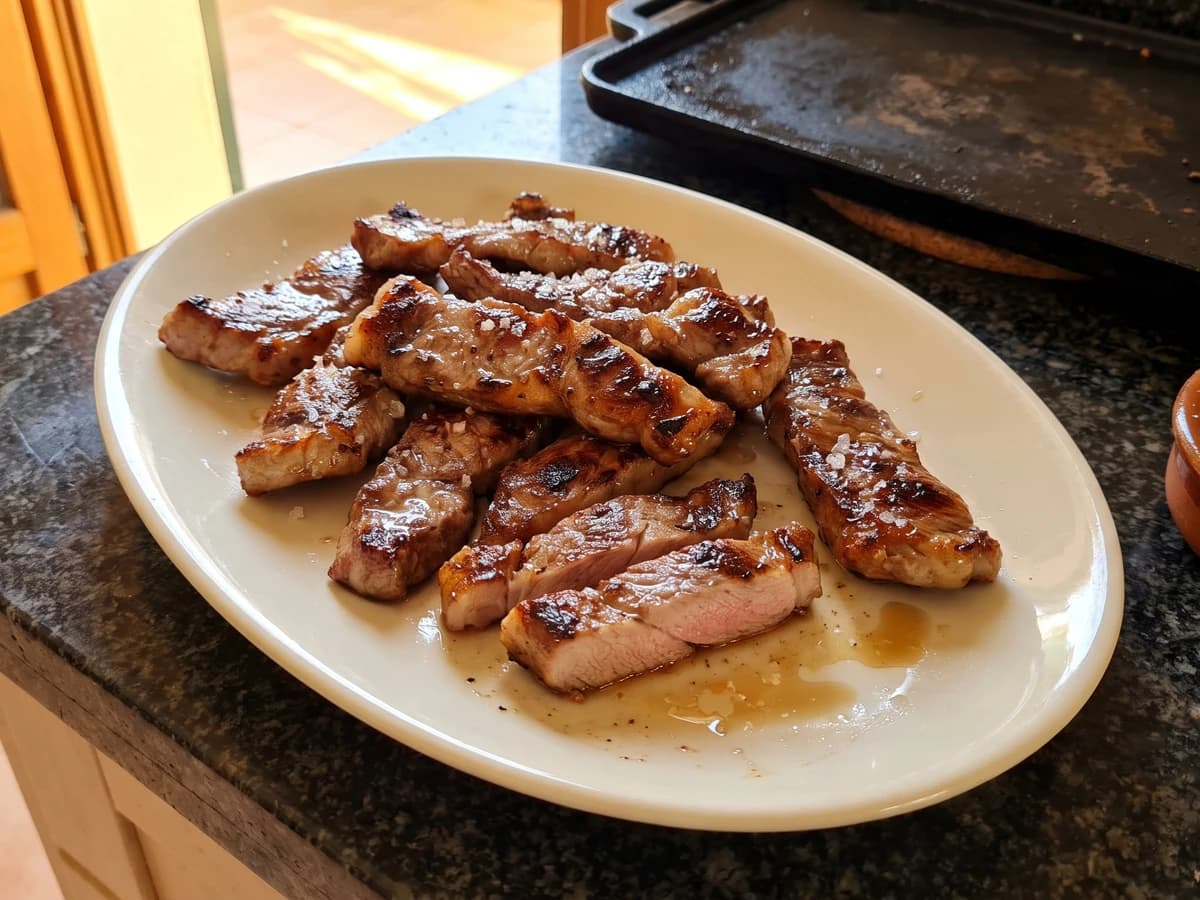
Extremadura's dehesa gives us this fan-shaped, marbled rib cut: salt it at the last moment, lay it on a fierce plancha, and count in seconds so the centre stays juicy.
A cooking platform built around craft, culture, and the stories behind what we eat.
Created by
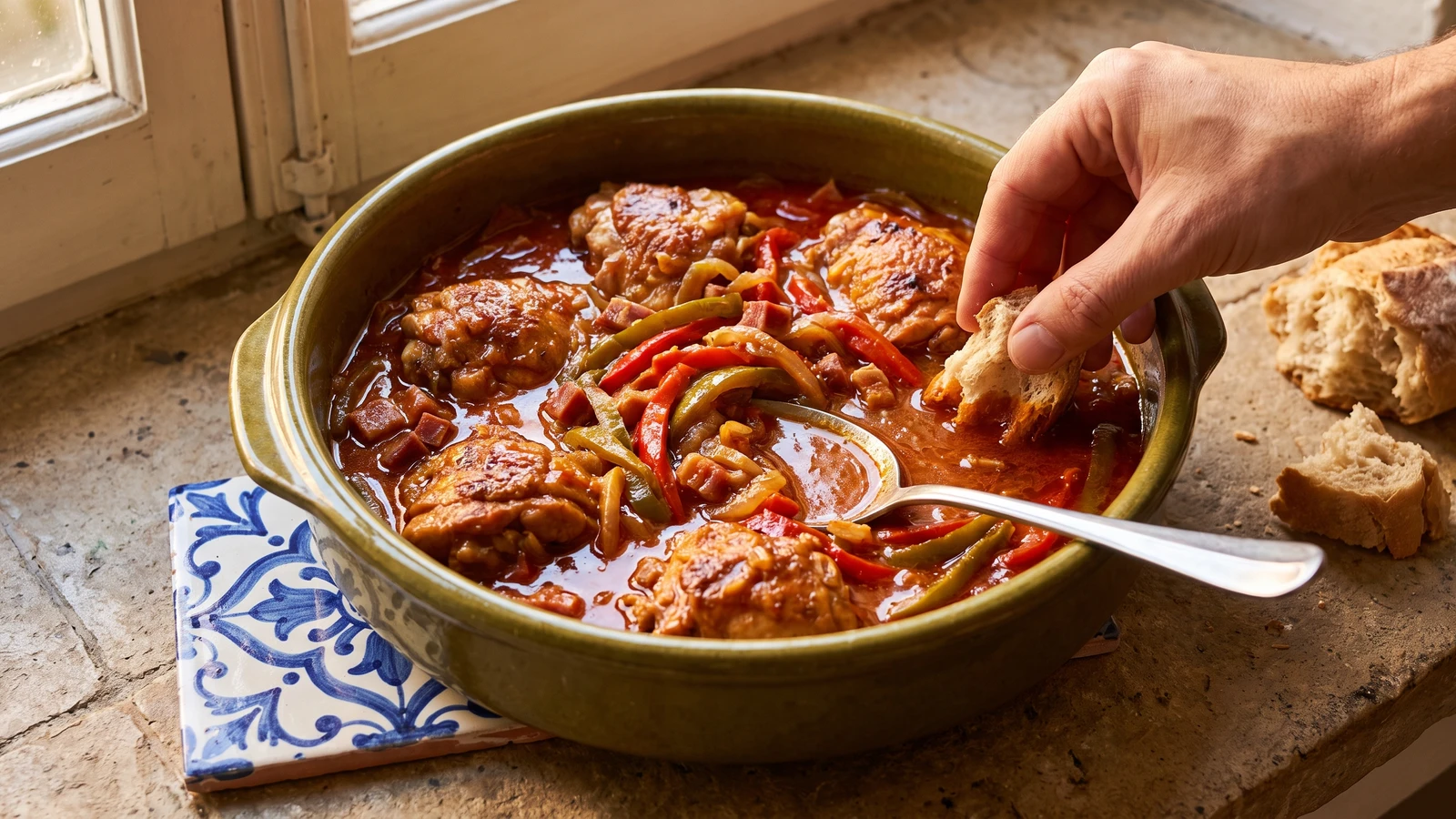
Pollo al chilindrón belongs to Aragón: browned chicken braised with jamón in peppers and tomato cooked dark and sweet, until the meat is tender and the sauce clings rather than runs.
Pollo al chilindrón is Aragonese, a chicken braise from the middle Ebro country where sweet peppers, tomato and little batons of jamón turn the pan juices into a deep red sauce. Its surname is the sauce: chilindrón means the peppers and tomato have been cooked down around the meat, not simply tipped over it. This is family food built in one cazuela, rich without being heavy.
The method that decides it is the sofrito, the slow vegetable base. Brown the chicken and lift it out, then give the onion and peppers time to collapse, darken and turn sweet before the tomato goes in. Crowd the pan or hurry them over fierce heat and they stay watery and sharp, so the finished sauce never clings. The Margin beside mine says only: "los pimientos primero," the peppers first.
Far from Aragón, use canned whole peeled tomatoes when fresh ones are pale and hard. You lose a little fresh brightness, but gain dependable body. An unsmoked dry-cured ham such as prosciutto can replace jamón serrano; it gives the necessary salt and fat, though the cured flavor will be gentler. No hace falta haber pisado España. Follow the weights and wait until oil shows at the edge of the sofrito, and it comes out right.
Chilindrón is rooted in Aragón and the middle Ebro valley, a pepper-and-tomato braise also known across neighbouring Navarra and La Rioja. Chicken is the best-known Aragonese version, though lamb and rabbit are also cooked in the sauce; the batons of cured ham connect the pan to the matanza, the household pig slaughter, and to the jamones of Teruel. The dish reflects the region's summer vegetable harvest, cooked down until modest pieces of meat became a full family meal.
Quantity
1.5kg
cut into 8 pieces
Quantity
8g, divided
plus more only after tasting
Quantity
1g
Quantity
45ml
Quantity
100g
cut into short 5mm batons
Quantity
300g
thinly sliced
Quantity
450g
deseeded and cut into 1cm strips
Quantity
180g
deseeded and cut into 1cm strips
Quantity
15g
finely chopped
Quantity
150ml
Quantity
600g
halved and grated, skins discarded
Quantity
500g
crushed by hand; use instead of fresh tomatoes
Quantity
100ml
Quantity
1
| Ingredient | Quantity |
|---|---|
| bone-in, skin-on chickencut into 8 pieces | 1.5kg |
| fine sea saltplus more only after tasting | 8g, divided |
| freshly ground black pepper | 1g |
| olive oil | 45ml |
| jamón serranocut into short 5mm batons | 100g |
| onionthinly sliced | 300g |
| red bell peppersdeseeded and cut into 1cm strips | 450g |
| green bell pepperdeseeded and cut into 1cm strips | 180g |
| garlicfinely chopped | 15g |
| dry white wine | 150ml |
| ripe tomatoeshalved and grated, skins discarded | 600g |
| canned whole peeled tomatoes (optional)crushed by hand; use instead of fresh tomatoes | 500g |
| water | 100ml |
| dried bay leaf | 1 |
Pat the chicken dry. Season it all over with 6g of the salt and the black pepper, keeping the remaining 2g for the vegetables. Dry skin browns; wet skin sticks and goes pale, so don't skip the cloth or kitchen paper.
Heat the olive oil in a wide, heavy casserole over medium-high heat. Brown the chicken in two batches so the pieces have room, starting skin-side down for 5 to 6 minutes, then turning for another 2 to 3 minutes. You want a deep golden surface, not cooked meat. Lift each batch onto a plate and keep every drop of juice.
Lower the heat to medium. Add the jamón and cook for 1 to 2 minutes, just until its fat turns glossy and scents the oil. Don't crisp it hard or it becomes leathery during the braise. Lift it out and leave it with the chicken.
Add the onion, both peppers and the remaining 2g salt to the casserole. Turn the heat to medium-low and cook for 18 to 20 minutes, stirring and scraping up the browned chicken juices. The vegetables must collapse, lose their raw wetness and begin to catch dark gold at the edges. This slow cook is where the sauce finds its sweetness. Rush it and the peppers stay sharp, however long the chicken braises later.
Stir in the garlic and cook for 1 minute. Pour in the wine, raise the heat to medium and simmer for about 3 minutes, until reduced by half. Add the grated or crushed tomato and the bay leaf. Cook uncovered for 12 to 15 minutes, stirring often, until the sofrito, the slow vegetable base, is thick enough that a spoon drawn through it leaves a trail and small beads of oil appear around the edge.
Return the thighs, drumsticks and wings to the casserole with their juices. Add the remaining water, bring the sauce to a gentle simmer and cover with the lid slightly ajar. Cook for 10 minutes, then add the breast pieces and jamón. Continue at a quiet simmer for 18 to 22 minutes, turning the pieces once, until the breasts reach 74°C at their thickest point and the dark meat is tender. A knife pushed beside a thigh bone should meet no resistance.
Remove the lid. If the sauce still runs like soup, lift out any breast pieces already done and simmer the sauce for 3 to 5 minutes until it coats the back of a spoon. Return the chicken, taste and add salt only if it needs it. Jamón has already done much of that work.
Take the casserole off the heat and rest it for 5 minutes. Remove the bay leaf, spoon the peppers and jamón over the chicken and serve from the same pan with bread for the sauce. Siempre sale, si lo sigues.
1 serving (about 420g)
Culinary guides, cultural storytelling, and the editorial depth that makes cooking meaningful.
Discover Culinary ExplorerChef Isabel
Extremadura's dehesa gives us this fan-shaped, marbled rib cut: salt it at the last moment, lay it on a fierce plancha, and count in seconds so the centre stays juicy.
Chef Isabel
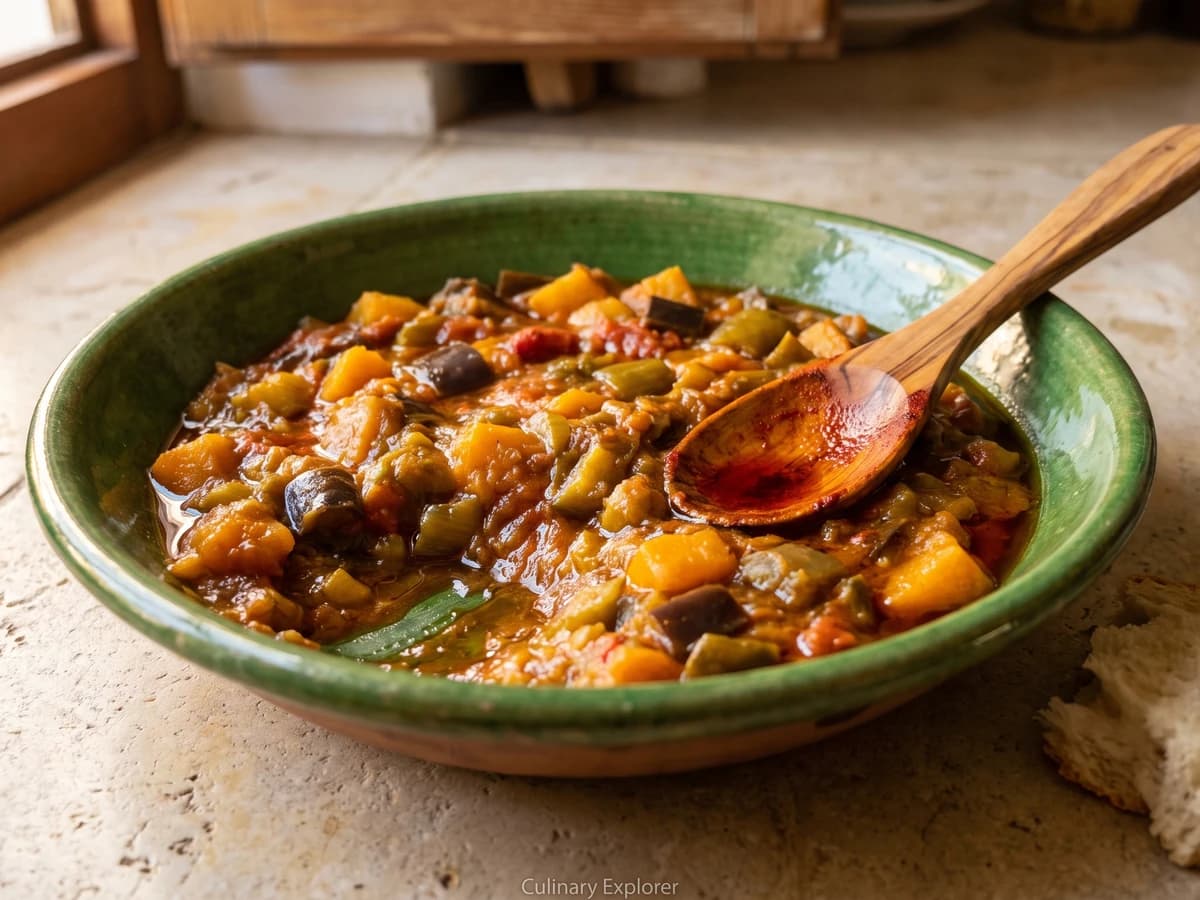
Alboronía is Andalucía's old pumpkin and aubergine stew, deepened with tomato, pimentón, and cumin, then cooked without hurry until the vegetables settle into a glossy, sweet, spoon-soft whole.

Chef Isabel
Aletría Murciana is Murcia's humble noodle guiso: fine fideos, pork ribs, potato, saffron, and a dark sweet sofrito. Get that base right and the pot knows where it's going.
Chef Isabel
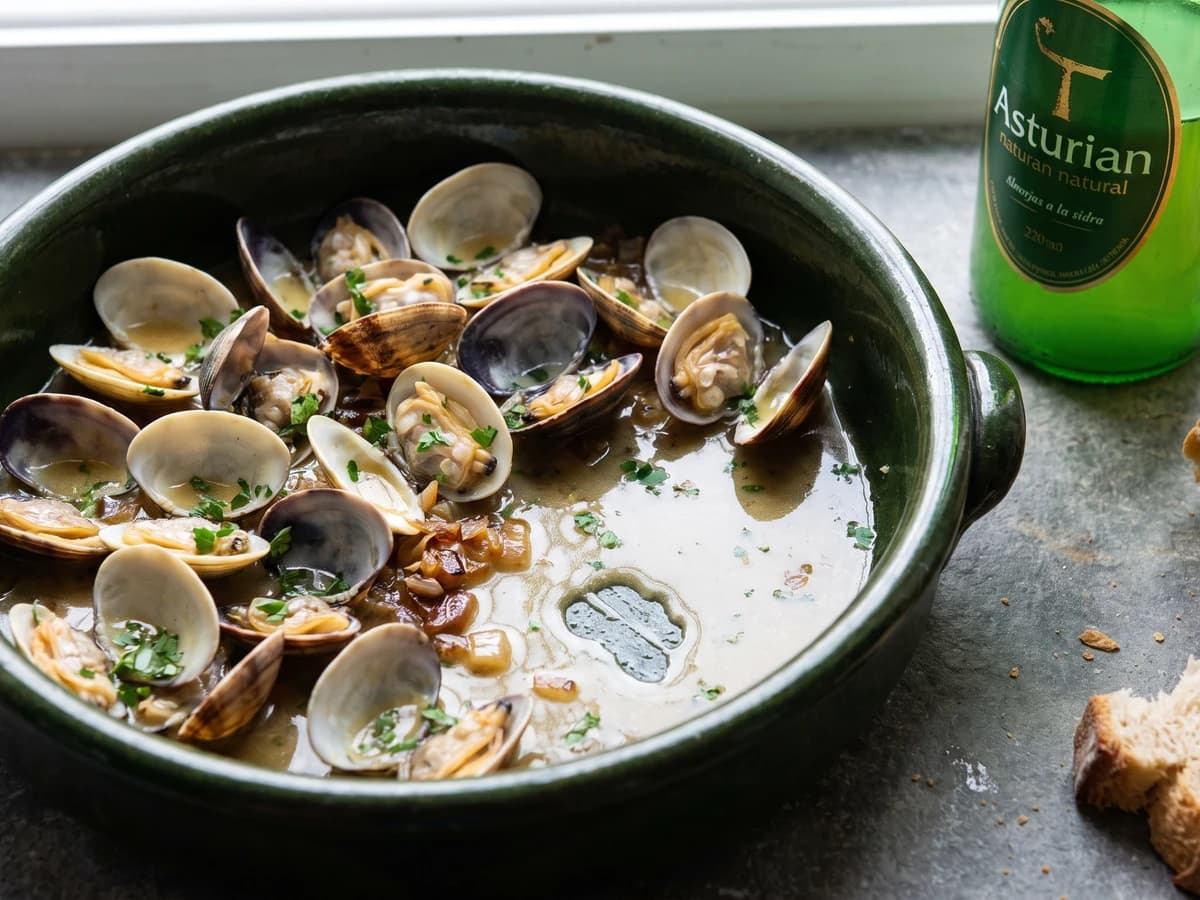
Asturias opens clams in tart natural cider over a slow onion and garlic sofrito, making a bright, briny sauce that asks for bread and rewards one rule: lift each clam as it opens.