Chef Isabel
Abanico Ibérico a la Plancha
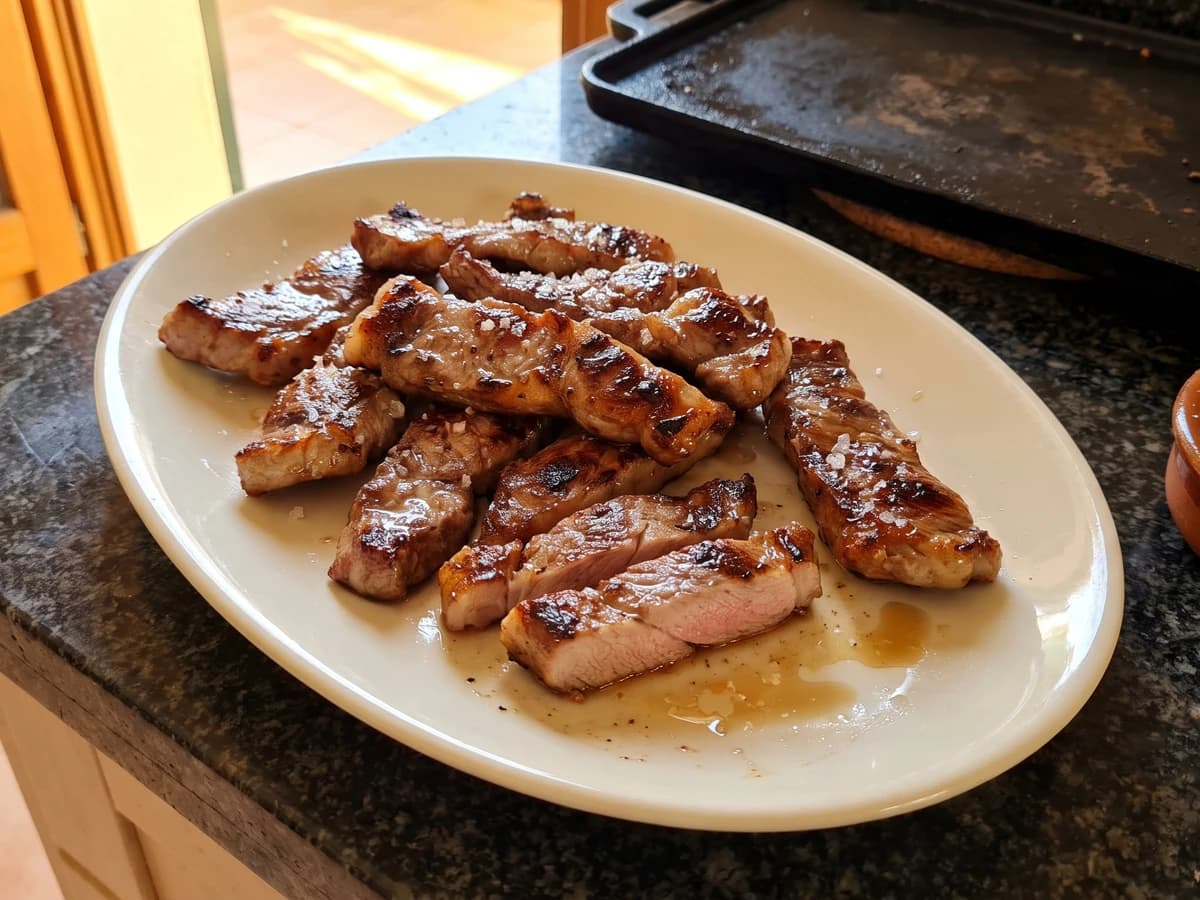
Extremadura's dehesa gives us this fan-shaped, marbled rib cut: salt it at the last moment, lay it on a fierce plancha, and count in seconds so the centre stays juicy.
A cooking platform built around craft, culture, and the stories behind what we eat.
Created by
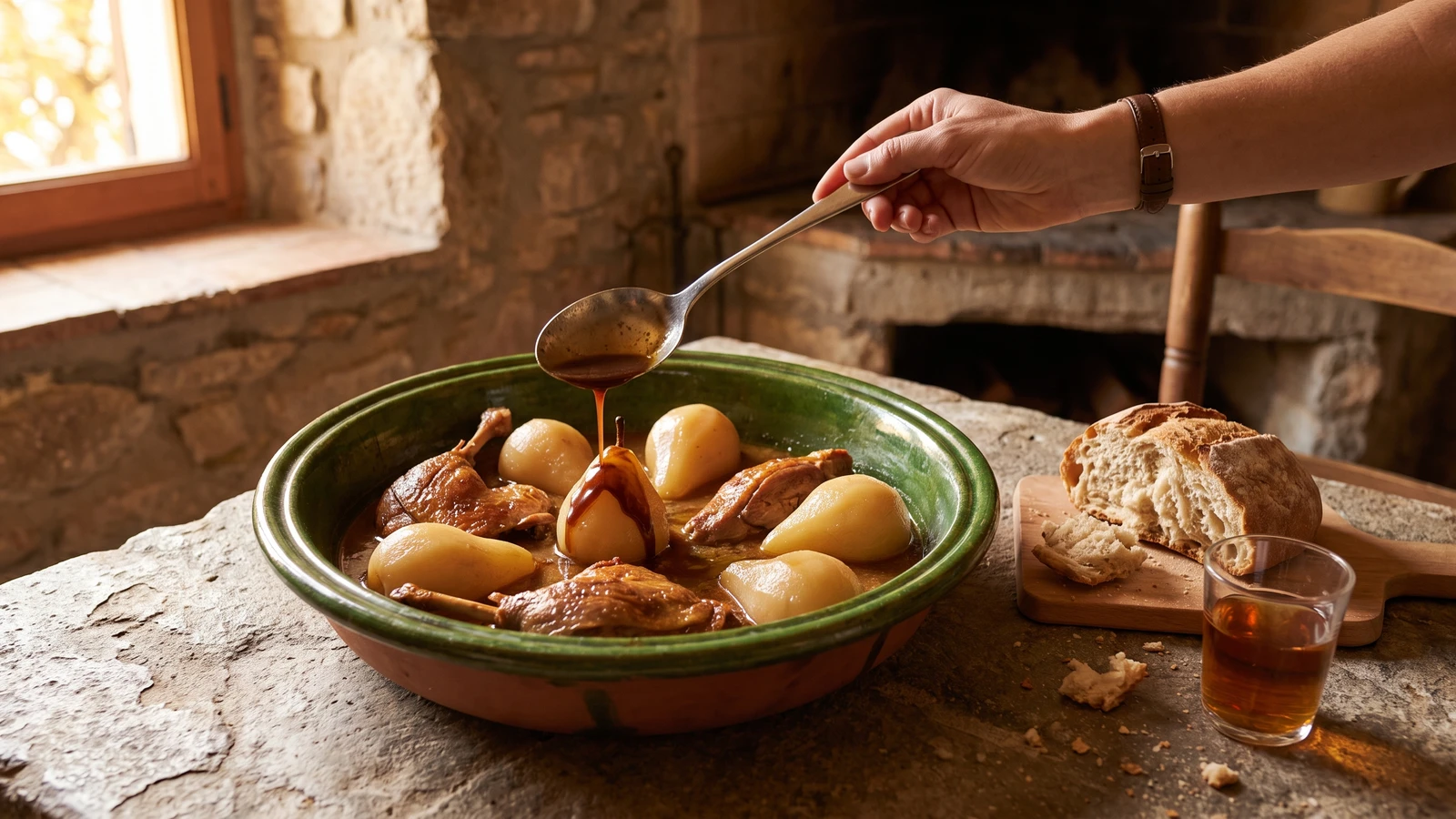
Ànec amb peres is Catalan celebration cooking: duck braised in a dark sofregit, firm autumn pears added near the end, and an almond-garlic picada that turns the juices into a close, glossy sauce.
Ànec amb peres is Catalan celebration cooking, especially at home in Girona and the Empordà: browned duck, firm autumn pears, a dark sofregit, the slow onion-tomato base, and a picada of almonds and garlic to bind the sauce. The pear isn't a sweet decoration set beside the meat. It belongs inside the casserole, taking on the duck juices and vi ranci while keeping enough character to taste of autumn fruit.
The method that decides the dish is simple. Poach the pears apart until a skewer enters the outer flesh but still meets resistance near the core, then add them only when the duck is nearly tender. Put them in from the beginning and they collapse into the sauce. Cook the onion low until dark gold, reduce the tomato until thick, and let the duck braise at a quiet tremble. The picada goes in near the end, where it rounds and thickens everything without turning the sauce heavy.
Blanquilla pears are lovely here, but firm Conference or Bosc pears are the honest choice when you're far from Catalonia; they hold their shape better and need a few extra minutes of poaching. If vi ranci is nowhere to be found, use dry oloroso sherry. The sauce will taste a little nuttier and less caramel-like, but it will still belong at the same table. My Margin says only this: test the pear with a skewer, not the clock. Siempre sale, si lo sigues.
Ànec amb peres belongs especially to the cooking of Girona and the Empordà, where orchard fruit has long entered meat casseroles served on feast days. Its sweet and savory balance continues an old Catalan habit, visible in medieval cookery, of using fruit and nuts within the main dish rather than reserving them for the end of the meal. Home versions differ over whether the pears are poached, lightly fried, or cooked directly in the casserole, but the fruit, sofregit, and finishing picada remain the recognizable structure.
Quantity
1 (about 2.2kg)
cut into 8 pieces, excess fat trimmed
Quantity
14g
12g for the duck and 2g for the finished sauce
Quantity
2g
Quantity
15ml
Quantity
400g
finely chopped
Quantity
4 cloves
2 sliced for the sofregit and 2 peeled for the picada
Quantity
250g
grated, skins discarded
Quantity
100ml
or 75ml dry oloroso sherry mixed with 25ml water
Quantity
750ml
kept hot
Quantity
1
Quantity
2 small sprigs
Quantity
1 piece (about 4cm)
Quantity
6 (about 900g total)
peeled and cored from the base with stems intact
Quantity
1.25 litres
for poaching the pears
Quantity
15ml
Quantity
40g
toasted
Quantity
20g
toasted
Quantity
10g
| Ingredient | Quantity |
|---|---|
| whole duckcut into 8 pieces, excess fat trimmed | 1 (about 2.2kg) |
| fine sea salt12g for the duck and 2g for the finished sauce | 14g |
| freshly ground black pepper | 2g |
| olive oil (optional) | 15ml |
| yellow onionsfinely chopped | 400g |
| garlic2 sliced for the sofregit and 2 peeled for the picada | 4 cloves |
| ripe tomatoesgrated, skins discarded | 250g |
| vi rancior 75ml dry oloroso sherry mixed with 25ml water | 100ml |
| unsalted chicken or duck stockkept hot | 750ml |
| bay leaf | 1 |
| thyme | 2 small sprigs |
| cinnamon stick | 1 piece (about 4cm) |
| small firm pearspeeled and cored from the base with stems intact | 6 (about 900g total) |
| waterfor poaching the pears | 1.25 litres |
| lemon juice | 15ml |
| blanched almondstoasted | 40g |
| day-old country breadtoasted | 20g |
| flat-leaf parsley leaves | 10g |
Pat the duck pieces dry and trim away loose flaps of fat, leaving the skin itself in place. Season all over with 12g salt and the black pepper, then leave the pieces for 30 minutes while you prepare the onions, tomatoes, and pears. Keep the leg, wing, and breast pieces separated because they won't enter the braise at the same time.
Set a wide heavy casserole over medium-low heat. Lay in as many duck pieces as will fit without crowding, skin-side down, and cook for 10 to 12 minutes until plenty of fat has rendered and the skin is a deep burnished gold. Turn and brown the flesh side for 3 minutes. Repeat with the remaining pieces, adding the olive oil only if the casserole is dry. Transfer the duck to a tray, keeping the breast pieces apart.
Lower the heat and add the onions to the duck fat. Cook for 30 to 35 minutes, stirring often, until dark gold, soft, and jammy. Add 2 sliced garlic cloves and cook for 1 minute. Stir in the grated tomato and cook for another 12 to 15 minutes, until it has reduced to a thick rust-colored paste and the fat shows around its edges. Pour in the vi ranci, scrape the casserole clean, and let the liquid reduce by half.
Return the legs and wings to the casserole, leaving the breast pieces on the tray. Add the bay leaf, thyme, cinnamon, and 600ml of the hot stock. The liquid should reach about halfway up the duck, not cover it. Bring it to a quiet simmer, cover with the lid slightly ajar, and cook for 50 minutes. Turn the pieces once without stirring the sofregit up from the bottom.
While the legs braise, put the peeled pears in a saucepan with the water and lemon juice. Bring just to a simmer and poach gently for 12 to 18 minutes, turning them once. Test at 12 minutes: a fine skewer should enter the outer flesh but meet clear resistance near the center. Lift the pears out carefully and let them drain upright. They must still be firm because they finish in the duck sauce.
Pound the toasted almonds, toasted bread, remaining 2 garlic cloves, and parsley in a mortar until you have a close, slightly coarse paste. Work in about 75ml of hot liquid from the casserole to loosen it. A small food processor works too, but stop before the almonds become oily and smooth; the picada should retain a little grain.
After the legs have braised for 50 minutes, add the browned breast pieces skin-side up and simmer gently for 15 minutes. Stir the loosened picada into the sauce around the duck, then nestle in the poached pears. Cook uncovered for another 15 to 20 minutes, spooning sauce over the pears twice. The sauce should cling lightly to a spoon, the breast pieces must reach at least 74°C near the bone, and a leg joint should move easily when pressed.
Remove the bay leaf, thyme stems, and cinnamon. Let the casserole rest for 15 minutes, then skim away any large pools of fat. Stir the remaining 2g salt into the sauce and loosen it with a little of the reserved hot stock only if it has become too thick. Serve one pear with each portion of duck and spoon the glossy picada-bound sauce over both.
1 serving (about 440g)
Culinary guides, cultural storytelling, and the editorial depth that makes cooking meaningful.
Discover Culinary ExplorerChef Isabel
Extremadura's dehesa gives us this fan-shaped, marbled rib cut: salt it at the last moment, lay it on a fierce plancha, and count in seconds so the centre stays juicy.
Chef Isabel
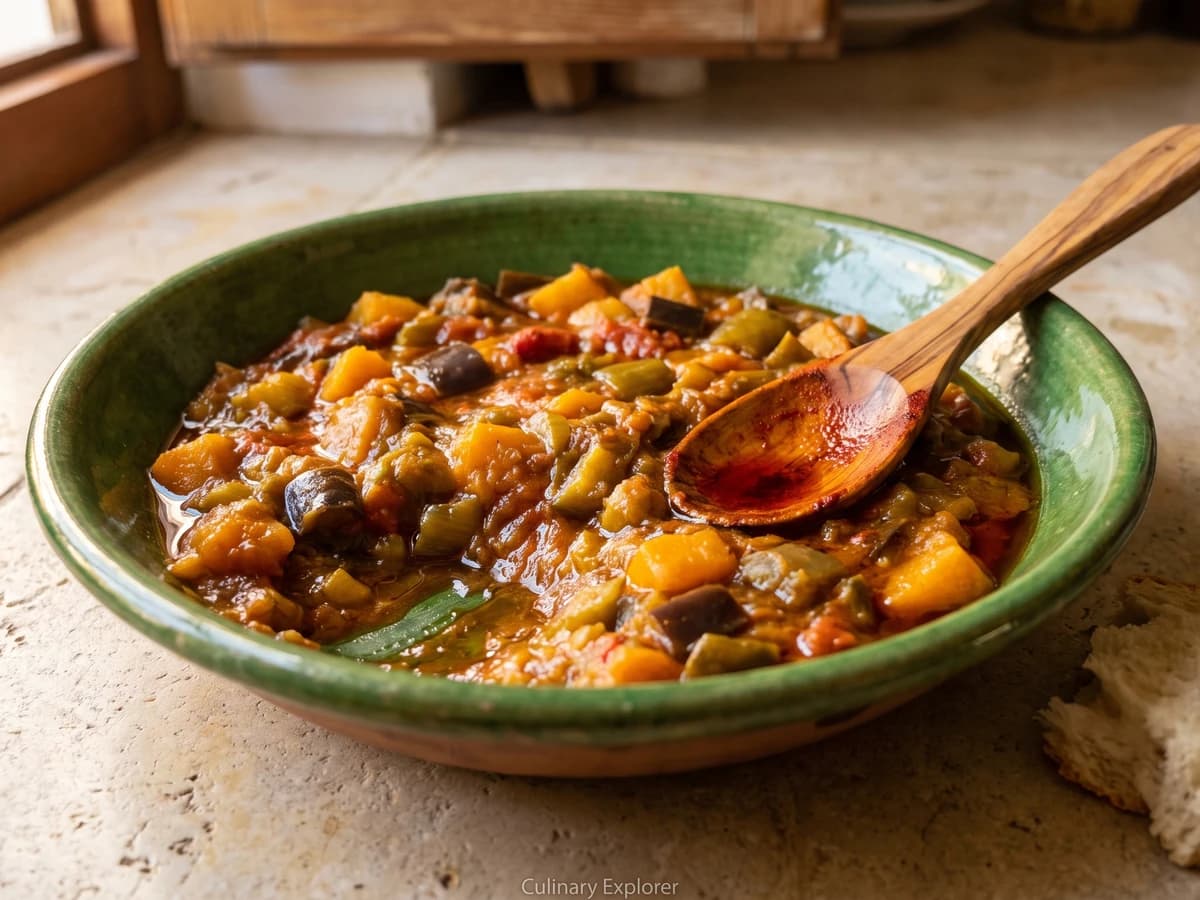
Alboronía is Andalucía's old pumpkin and aubergine stew, deepened with tomato, pimentón, and cumin, then cooked without hurry until the vegetables settle into a glossy, sweet, spoon-soft whole.

Chef Isabel
Aletría Murciana is Murcia's humble noodle guiso: fine fideos, pork ribs, potato, saffron, and a dark sweet sofrito. Get that base right and the pot knows where it's going.
Chef Isabel
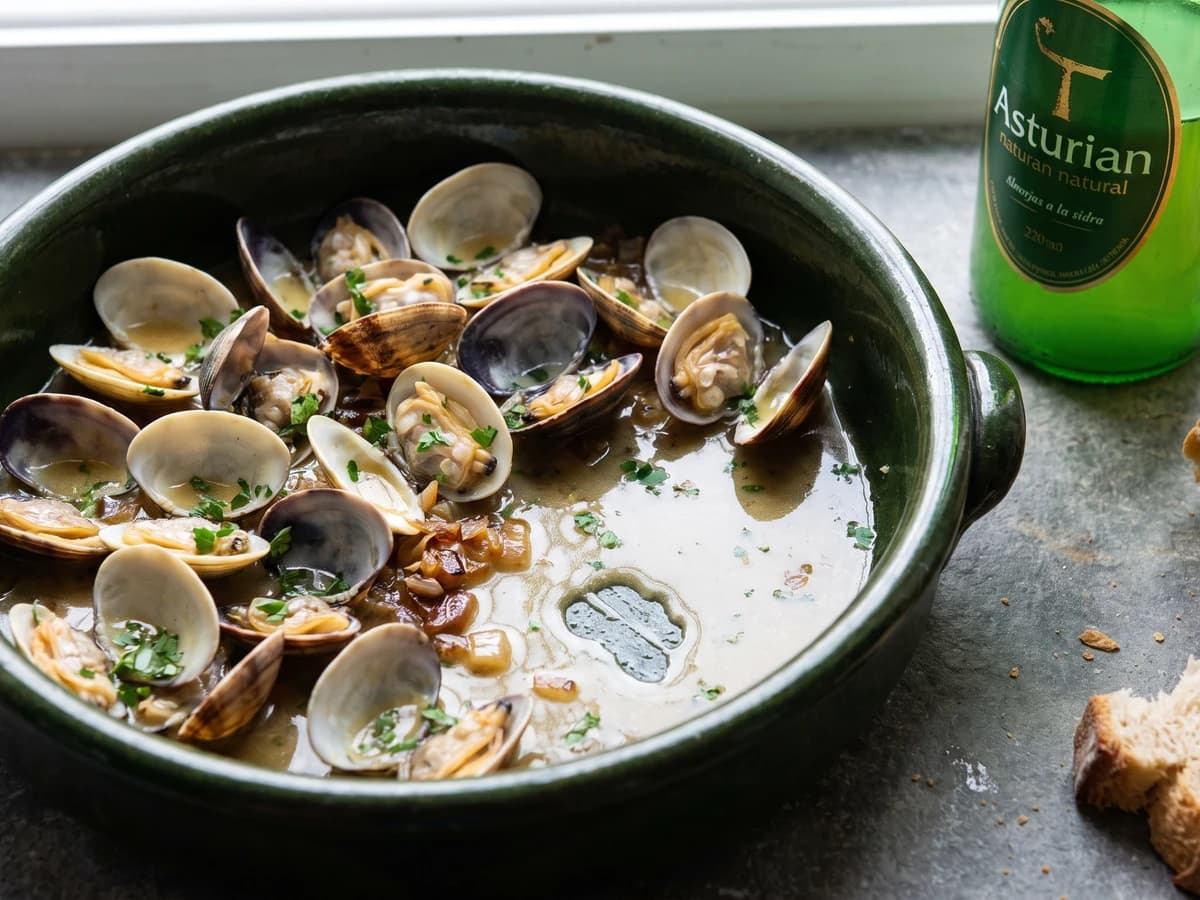
Asturias opens clams in tart natural cider over a slow onion and garlic sofrito, making a bright, briny sauce that asks for bread and rewards one rule: lift each clam as it opens.