Chef Isabel
Abanico Ibérico a la Plancha
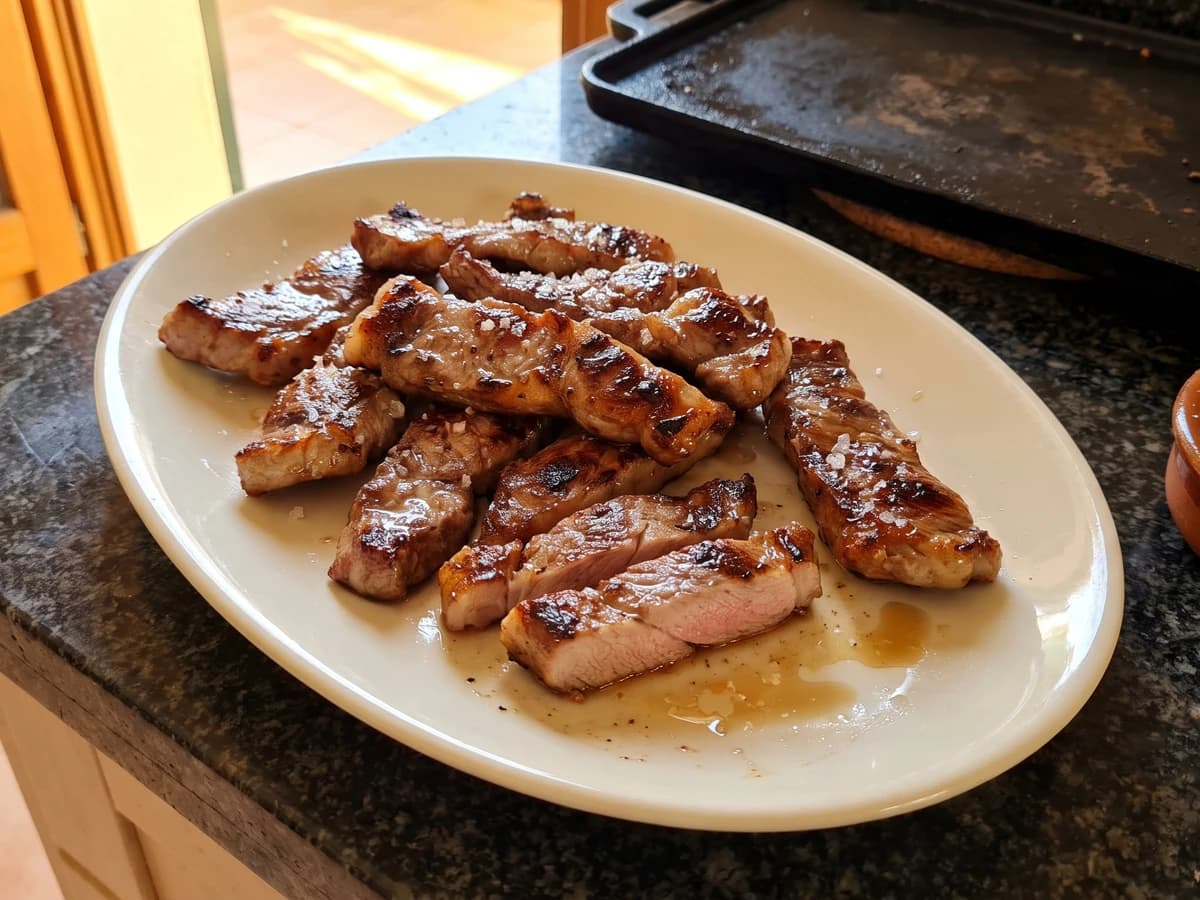
Extremadura's dehesa gives us this fan-shaped, marbled rib cut: salt it at the last moment, lay it on a fierce plancha, and count in seconds so the centre stays juicy.
A cooking platform built around craft, culture, and the stories behind what we eat.
Created by
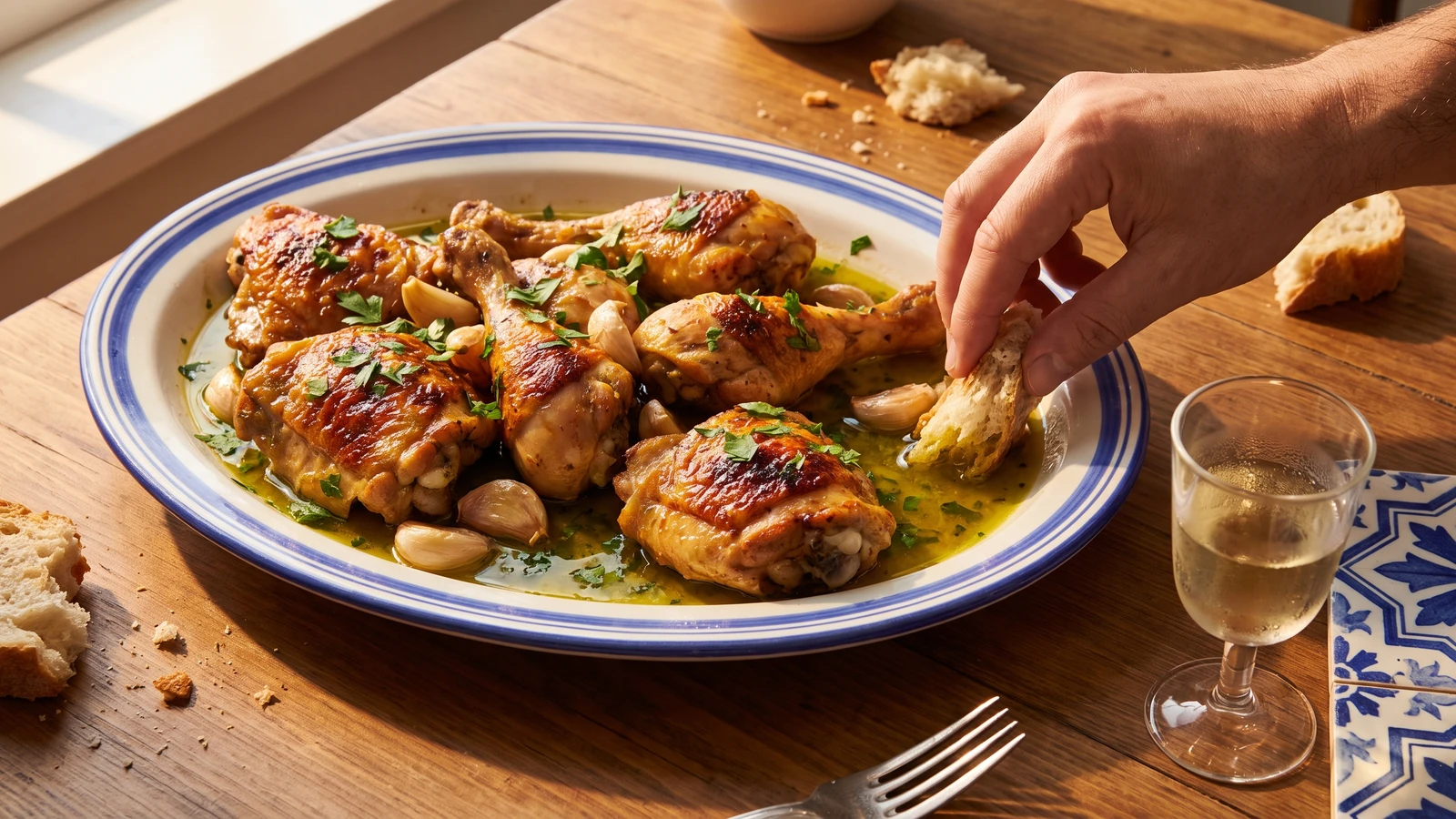
Andalusian pollo al ajillo fries bone-in chicken deep gold, then finishes it with slowly browned garlic, bay and fino, leaving a sharp, glossy sauce made for bread.
Pollo al ajillo Andaluz is chicken cooked directly in olive oil, plenty of garlic, bay and fino, the bone-dry wine of Jerez. There is no onion or tomato hiding underneath, and no flour thickening the pan. This is ajillo, a garlic-led method, and the Andalusian stamp comes from the local wine sharpening the rich chicken juices.
The garlic decides the dish. Cook the cloves slowly in the oil until they're pale honey-coloured, then lift them out before the heat goes up for the chicken. Leave them while the chicken browns and they'll turn dark and bitter, and bitter garlic cannot be repaired with more wine or wishful thinking. Return them only once the fino goes in, when liquid protects them and they soften into the sauce.
Fino or manzanilla gives the cleanest result. If neither reaches your shops, use a very dry white wine. The sauce will lose some of its saline, lightly nutty edge, but it will still be a proper garlic chicken if the oil is good and the garlic is treated gently. No hace falta haber pisado España, you don't need to have set foot in Spain.
Serve it straight from the pan with plain bread or fried potatoes, because leaving that garlic-scented oil behind would be foolish. The note in my Margin is short: brown the chicken without burning the garlic. Siempre sale, si lo sigues.
Pollo al ajillo belongs to the broad Iberian practice of cooking meat or fish in olive oil with a generous hand of garlic; the Andalusian version takes its local stamp from dry fino in the wine country of the Marco de Jerez. Fino develops beneath flor, a veil of yeast that leaves the wine bone-dry and lightly nutty, so it cuts through the chicken fat while carrying the garlic through the pan. This is household skillet cooking, traditionally served with bread because the reduced juices and garlic oil were never meant to be left behind.
Quantity
1.4kg, about 8 pieces
patted thoroughly dry
Quantity
14g
Quantity
2g
Quantity
80g, about 18 large cloves
peeled and lightly crushed
Quantity
120ml
Quantity
2
Quantity
4 sprigs
Quantity
150ml
Quantity
100ml
Quantity
10g
finely chopped
| Ingredient | Quantity |
|---|---|
| bone-in, skin-on chicken thighs and drumstickspatted thoroughly dry | 1.4kg, about 8 pieces |
| fine sea salt | 14g |
| freshly ground black pepper | 2g |
| garlicpeeled and lightly crushed | 80g, about 18 large cloves |
| extra virgin olive oil | 120ml |
| bay leaves | 2 |
| fresh thyme | 4 sprigs |
| fino de Jerez or manzanilla | 150ml |
| water | 100ml |
| flat-leaf parsleyfinely chopped | 10g |
Pat the chicken completely dry with kitchen paper. Season it evenly with the 14g salt and 2g pepper, then leave it for 10 minutes while you prepare the garlic. Dry skin browns; damp skin sticks and turns pale.
Put the olive oil, crushed garlic and bay leaves in a wide 30cm frying pan. Set it over medium-low heat and cook for 5 to 7 minutes, turning the cloves often, until they're softening and pale honey-coloured. Do not wait for dark brown. Lift the garlic and bay onto a plate, leaving the scented oil in the pan.
Raise the heat to medium-high. Lay half the chicken in the pan skin-side down, with space between the pieces. Cook without moving it for 6 to 7 minutes, until the skin is deep gold and releases cleanly, then turn and cook the second side for 3 minutes. Transfer it to a plate and repeat with the remaining chicken. If the pan crowds, the chicken steams in its juices instead of frying.
Lower the heat to medium and return all the chicken, garlic, bay and thyme to the pan. Pour the fino around the chicken, not over the browned skin, and scrape the bottom with a wooden spoon. Let it bubble briskly for 2 minutes so the raw alcoholic edge cooks away, leaving the dry wine and browned pan juices behind.
Add the 100ml water and bring the liquid to a gentle simmer. Cover and cook over medium-low heat for 12 minutes. Turn the pieces, uncover and cook for another 8 to 12 minutes, until the chicken is tender and the sauce has reduced to glossy garlic-scented juices with green-gold oil around the edges. The thickest piece must register at least 74°C away from the bone.
Remove the thyme stems and taste the sauce before adding anything. Scatter over the parsley and rest the chicken for 5 minutes in the pan, spooning the garlic and juices over it once. Serve with bread, fried potatoes or both. The bread is not decoration; it has work to do.
1 serving (about 270g)
Culinary guides, cultural storytelling, and the editorial depth that makes cooking meaningful.
Discover Culinary ExplorerChef Isabel
Extremadura's dehesa gives us this fan-shaped, marbled rib cut: salt it at the last moment, lay it on a fierce plancha, and count in seconds so the centre stays juicy.
Chef Isabel
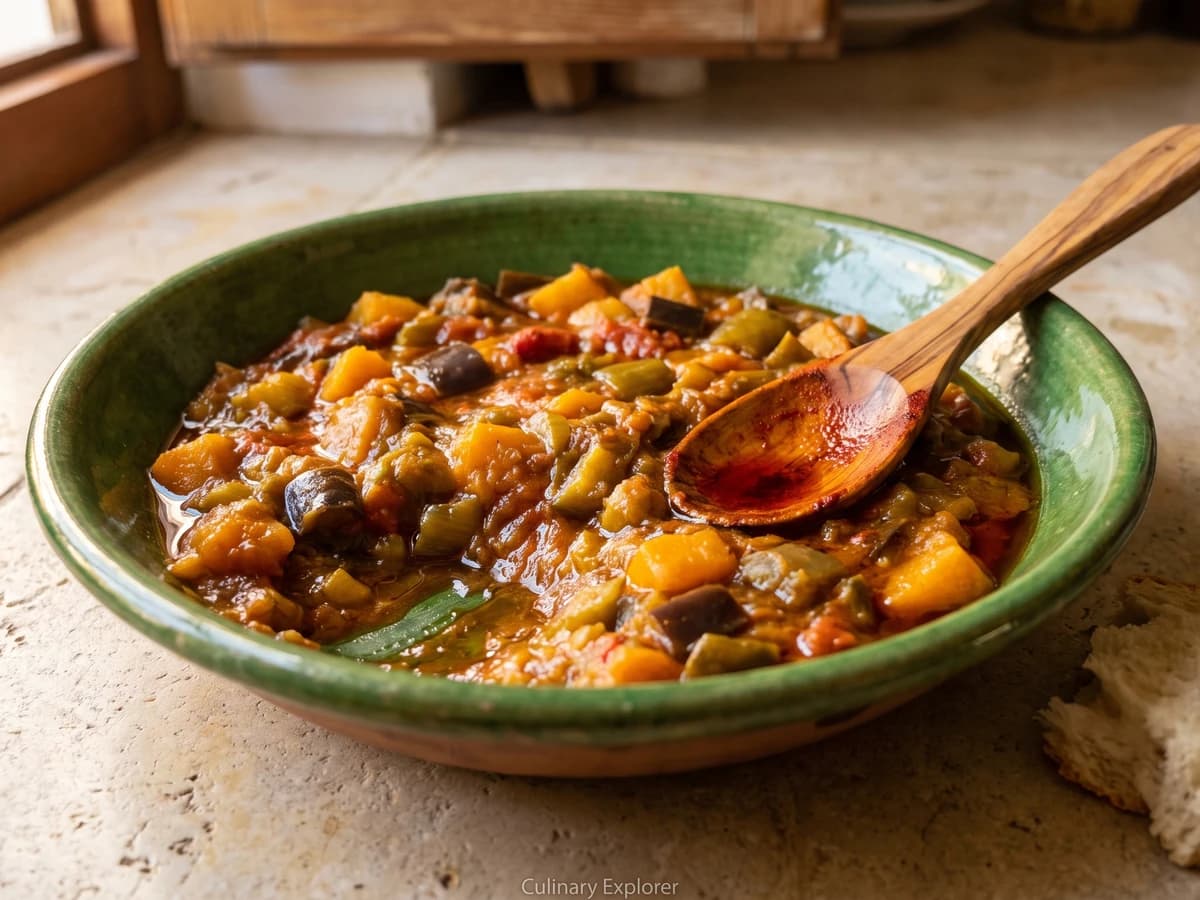
Alboronía is Andalucía's old pumpkin and aubergine stew, deepened with tomato, pimentón, and cumin, then cooked without hurry until the vegetables settle into a glossy, sweet, spoon-soft whole.

Chef Isabel
Aletría Murciana is Murcia's humble noodle guiso: fine fideos, pork ribs, potato, saffron, and a dark sweet sofrito. Get that base right and the pot knows where it's going.
Chef Isabel
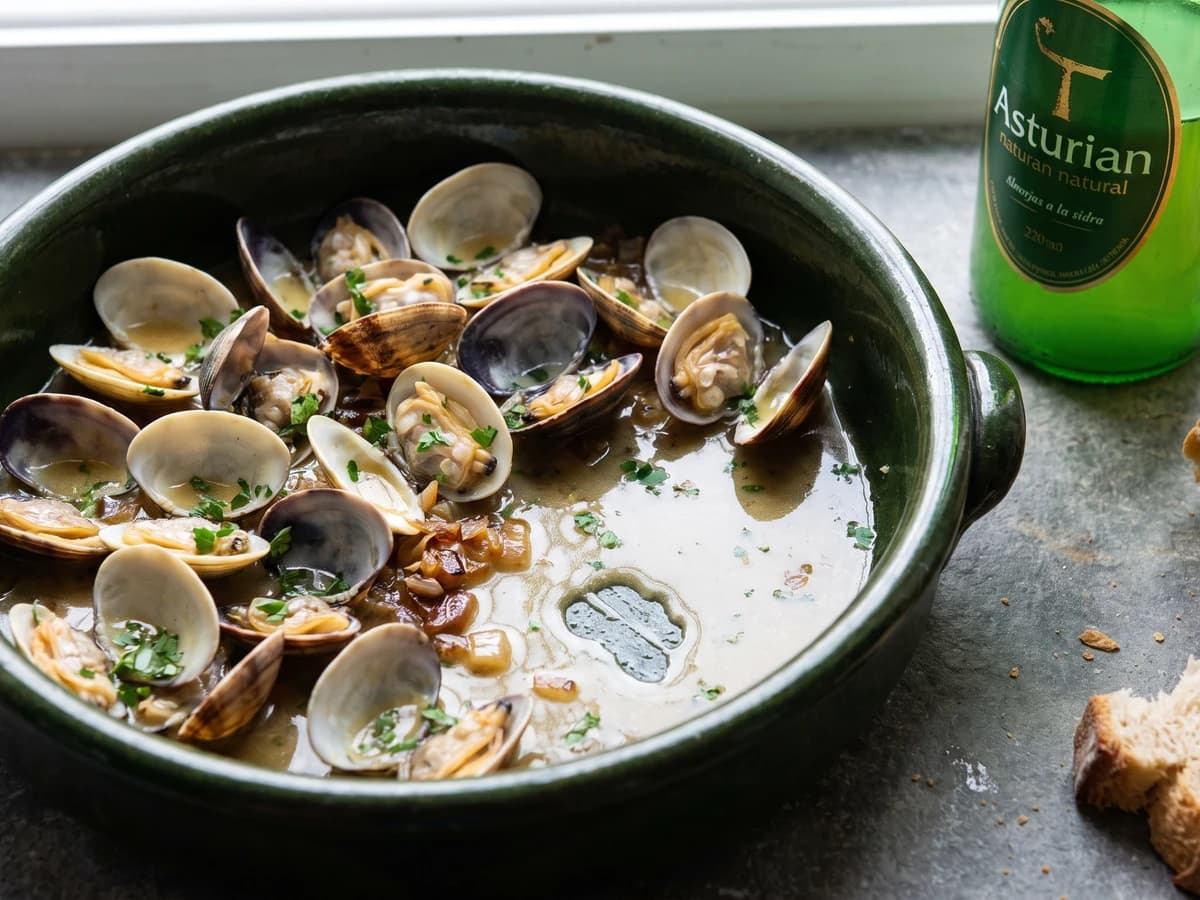
Asturias opens clams in tart natural cider over a slow onion and garlic sofrito, making a bright, briny sauce that asks for bread and rewards one rule: lift each clam as it opens.