Chef Isabel
Abanico Ibérico a la Plancha
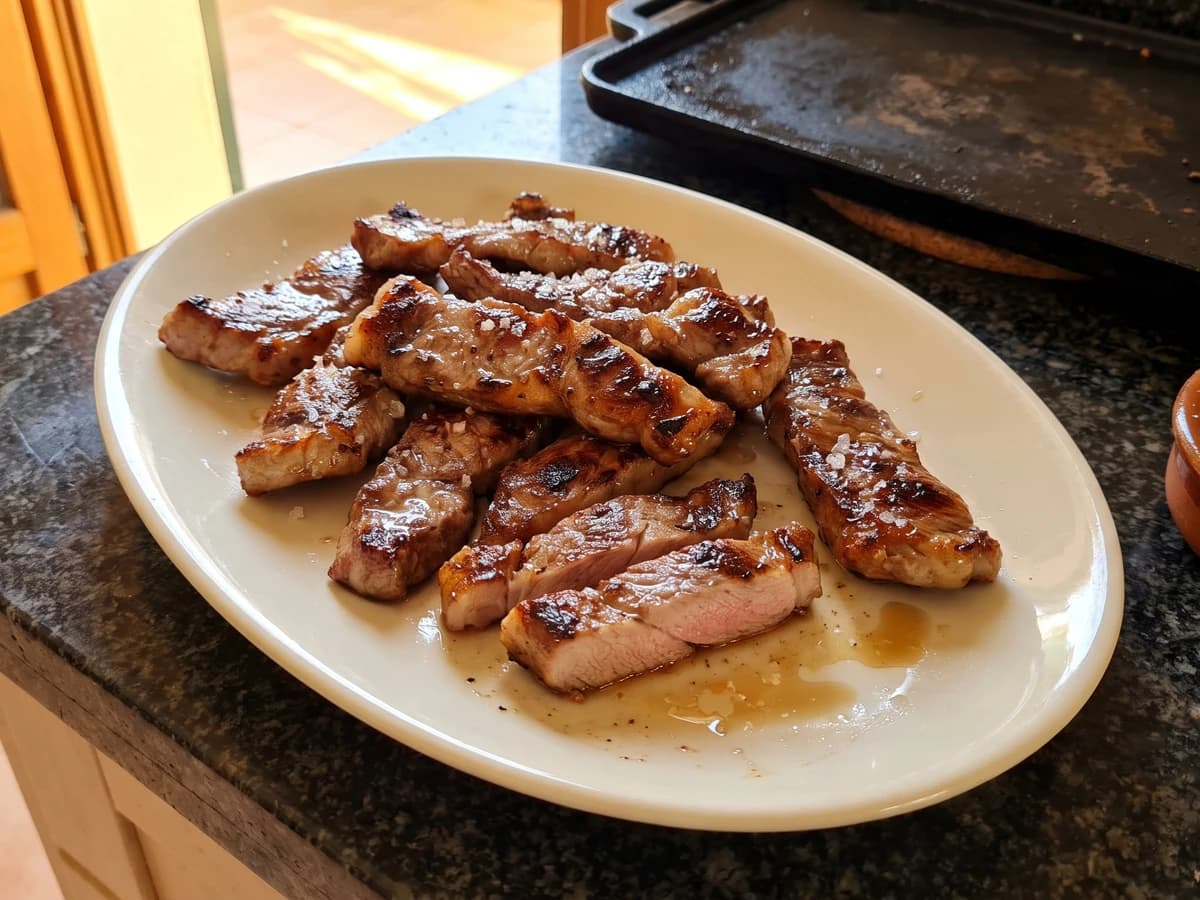
Extremadura's dehesa gives us this fan-shaped, marbled rib cut: salt it at the last moment, lay it on a fierce plancha, and count in seconds so the centre stays juicy.
A cooking platform built around craft, culture, and the stories behind what we eat.
Created by
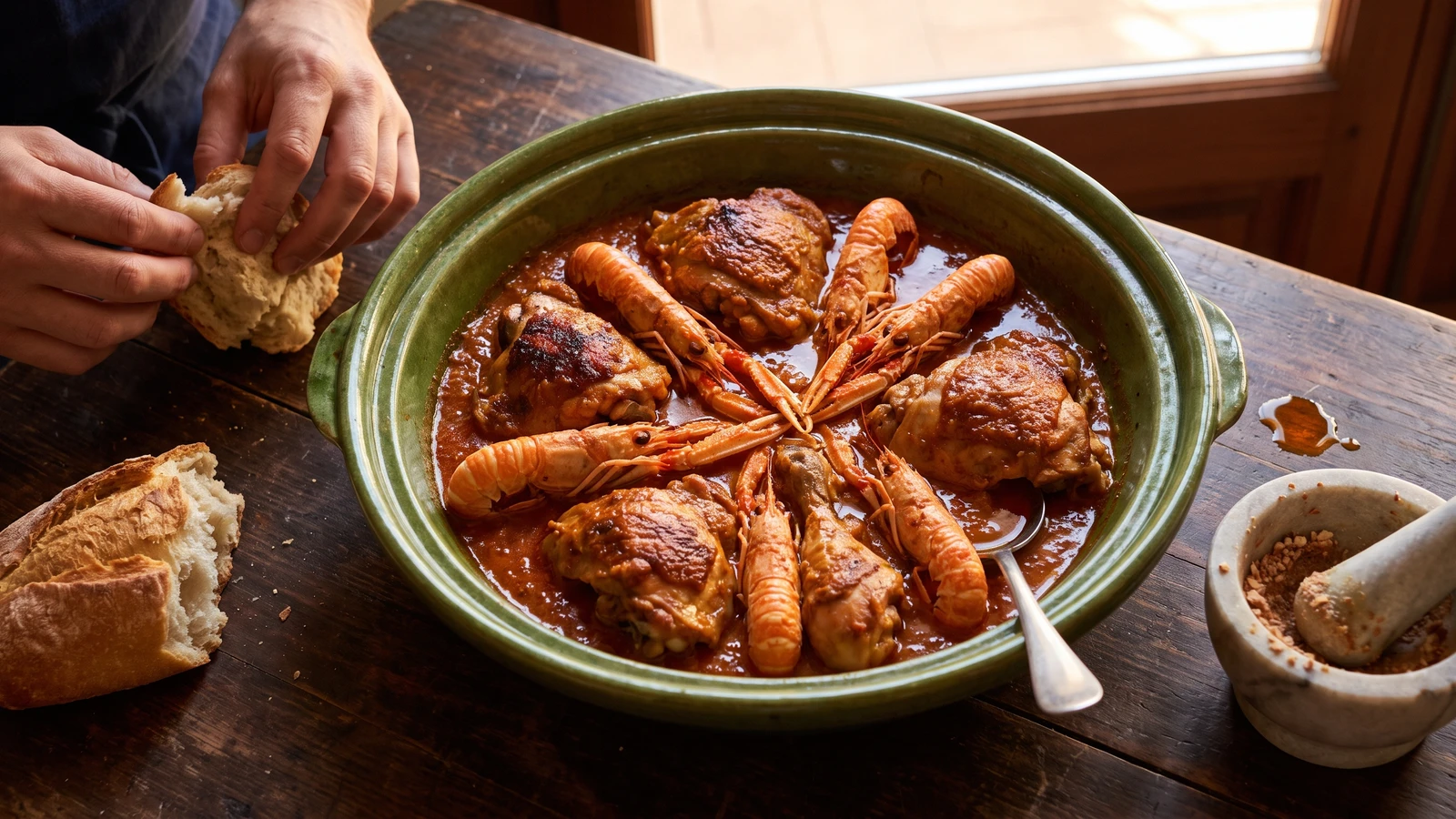
Catalonia's mar i muntanya brings browned chicken and langoustines together in one cassola, with a slow, dark sofregit underneath and an almond picada binding the sauce at the end.
Pollastre amb escamarlans is Catalan, especially at home in Empordà: browned chicken and whole langoustines sharing a cassola under a dark sofregit and an almond picada. This is mar i muntanya, sea and mountain. Nothing is muddled. The chicken gives depth, the shellfish gives sweetness, and the mortar brings the sauce together.
The sofregit, the slow onion and tomato base, decides the dish. Cook the onion low until dark gold and jammy, then reduce the tomato until its water has gone and the oil shows again at the edges. That long cooking concentrates the sweetness. Rush it and the sauce stays pale, sharp, and thinner than it ought to be. Sear the escamarlans first, set them aside, and return them only for the final minutes so the tails remain tender.
Whole raw langoustines are worth seeking because their heads and shells season the oil before the chicken enters the cassola. Frozen ones are perfectly good if you thaw them slowly and dry them well. If they aren't sold where you live, use large raw head-on prawns. The sauce will taste a little more robust and less delicately sweet, and the prawns need about one minute less at the finish. No hace falta haber pisado España.
The picada goes in near the end: toasted almonds, hazelnuts, garlic, fried bread, parsley, and, in many Catalan homes, a small piece of dark chocolate. It shouldn't taste of chocolate. It rounds the sauce and gives it body. The Margin beside mine says only: shellfish at the end. Follow that, and the rest behaves. Siempre sale, si lo sigues.
Pollastre amb escamarlans belongs above all to Empordà and the Girona coast, where Catalan farm kitchens and fishing ports met in the same cassola. Mar i muntanya pairings such as chicken with langoustines or meatballs with cuttlefish were established celebration food, with poultry from inland households and shellfish from the coast. The nut, garlic, and bread picada is the old Catalan means of thickening and seasoning the cooking liquor at the end, without masking either the chicken or the sea.
Quantity
1, about 1.8kg
cut into 10 bone-in pieces
Quantity
12 medium, about 900g
heads and shells intact
Quantity
14g
divided
Quantity
1g
Quantity
90ml
Quantity
25g
cut into 2 thick slices
Quantity
450g
finely chopped
Quantity
4
2 finely chopped and 2 reserved for the picada
Quantity
400g
halved and grated, skins discarded
Quantity
125ml
Quantity
600ml
heated
Quantity
1
Quantity
35g
Quantity
20g
skins rubbed off
Quantity
10g
roughly chopped
Quantity
8g
| Ingredient | Quantity |
|---|---|
| free-range chickencut into 10 bone-in pieces | 1, about 1.8kg |
| raw whole langoustinesheads and shells intact | 12 medium, about 900g |
| fine sea saltdivided | 14g |
| freshly ground black pepper | 1g |
| extra virgin olive oil | 90ml |
| day-old country breadcut into 2 thick slices | 25g |
| onionsfinely chopped | 450g |
| garlic cloves2 finely chopped and 2 reserved for the picada | 4 |
| ripe tomatoeshalved and grated, skins discarded | 400g |
| vi ranci, or dry oloroso sherry | 125ml |
| light unsalted fish or shellfish stockheated | 600ml |
| bay leaf | 1 |
| toasted blanched almonds | 35g |
| toasted hazelnutsskins rubbed off | 20g |
| flat-leaf parsley leavesroughly chopped | 10g |
| dark chocolate, at least 70 percent cocoa (optional) | 8g |
Pat the chicken and langoustines very dry. Trim only the longest feelers from the langoustines, leaving their heads and shells intact. Season the chicken with 8g salt and all the black pepper. Heat the olive oil in a wide 32 to 34cm cassola or heavy casserole over medium heat. Fry the bread for 60 to 90 seconds per side, until deep gold but not burnt, then lift it out and reserve it for the picada.
Season the langoustines with 2g salt. Raise the heat to medium-high and sear them in two batches for about 45 seconds per side. Their shells should turn bright orange and scent the oil, but the tails must remain undercooked. Transfer them to a tray immediately, keeping every drop of their juices.
Keep the cassola over medium-high heat. Brown the chicken in two or three uncrowded batches, skin side down first, for 5 to 6 minutes, then for 2 to 3 minutes on the other side. Look for a deep, even gold rather than scorched patches. Set the pieces aside. Leave about 45ml of the chicken-scented oil in the cassola and reserve any excess.
Lower the heat to medium-low. Add the onions with 2g salt and cook for 25 to 30 minutes, stirring often and scraping up the browned deposits, until dark gold, soft, and jammy. Add the 2 chopped garlic cloves and cook for 1 minute. Stir in the grated tomato and cook for another 15 to 20 minutes. The sofregit is ready when it has reduced to a thick rust-coloured paste and the oil begins to show around its edges. Pésalo, no lo adivines, and give it the full time.
Pour in the vi ranci and scrape the base of the cassola. Let it bubble for 3 to 4 minutes, until reduced by roughly half and no sharp smell of alcohol remains. Return the chicken skin side up, add the bay leaf, and pour in the hot stock. The liquid should reach about halfway up the pieces, not cover them. Bring it to a bare simmer, cover with the lid slightly ajar, and cook gently for 20 minutes. Uncover and continue for 8 to 10 minutes.
While the chicken braises, pound the 2 remaining garlic cloves with 1g salt in a mortar until smooth. Add the almonds and hazelnuts and pound them finely. Work in the fried bread, parsley, and dark chocolate, if using, until you have a thick, slightly coarse paste. Ladle in about 100ml of the cooking liquid and stir until loose enough to pour.
Pour the picada around the chicken and move the cassola by its handles to distribute it. Avoid vigorous stirring, which can pull the skin from the chicken. Simmer uncovered for 7 to 8 minutes, until the sauce coats the back of a spoon but still runs freely. Check the chicken: breast meat must reach 74°C at its thickest part, while thighs are best around 78 to 82°C. If a breast piece finishes before the legs, lift it out and return it at the end.
Nestle the langoustines and their collected juices among the chicken. Cook for 3 to 4 minutes, turning them once in the sauce. Their tails should feel just firm and reach 63°C, not curl into tight, dry hooks. Large head-on prawns need about one minute less. Taste the sauce and use the final 1g salt only if it needs it.
Remove the bay leaf and take the cassola off the heat. Let it rest for 5 minutes so the picada settles into the cooking liquor. Carry the whole cassola to the table, with chicken and langoustines visible across the surface, and serve with pa de pagès or another sturdy country bread for the sauce. Tal com es fa allí, exactly as it's done there.
1 serving (about 400g)
Culinary guides, cultural storytelling, and the editorial depth that makes cooking meaningful.
Discover Culinary ExplorerChef Isabel
Extremadura's dehesa gives us this fan-shaped, marbled rib cut: salt it at the last moment, lay it on a fierce plancha, and count in seconds so the centre stays juicy.
Chef Isabel
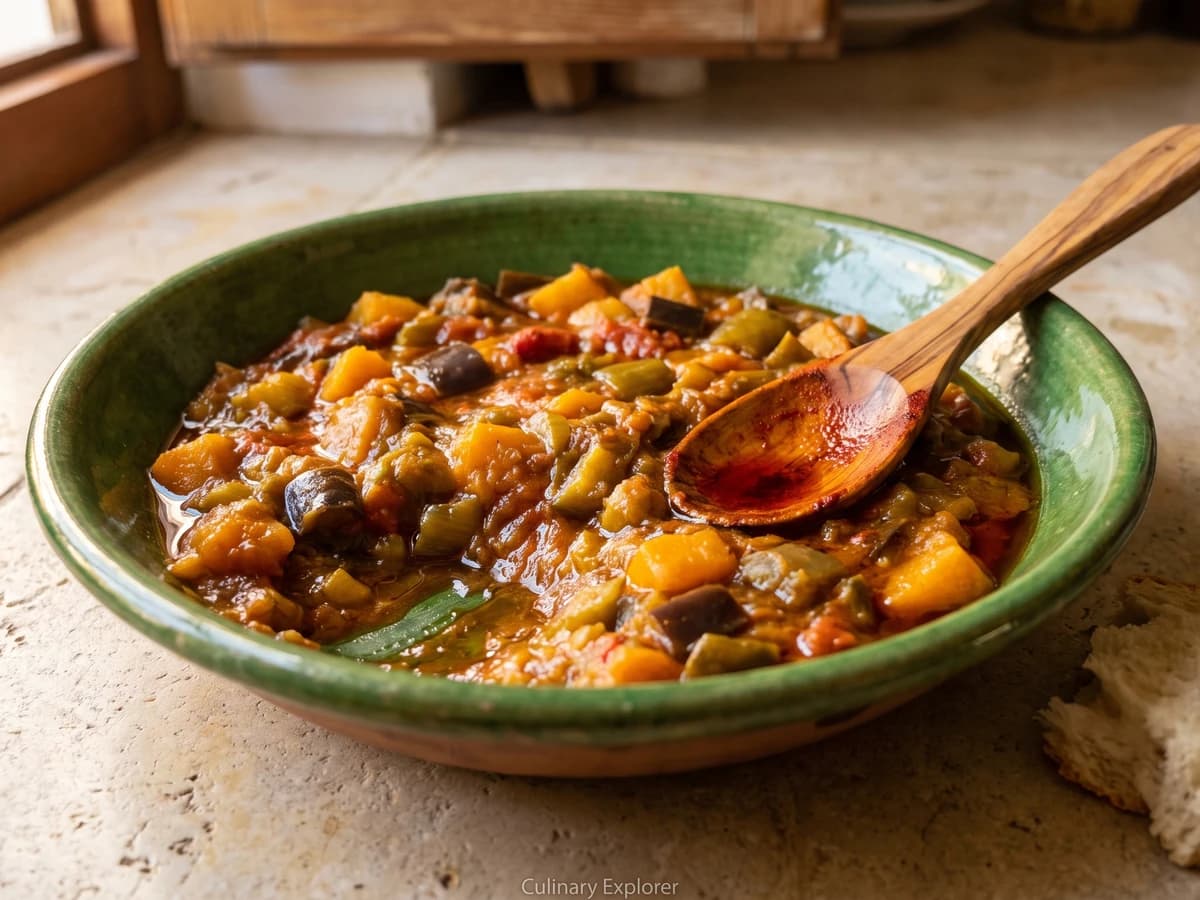
Alboronía is Andalucía's old pumpkin and aubergine stew, deepened with tomato, pimentón, and cumin, then cooked without hurry until the vegetables settle into a glossy, sweet, spoon-soft whole.

Chef Isabel
Aletría Murciana is Murcia's humble noodle guiso: fine fideos, pork ribs, potato, saffron, and a dark sweet sofrito. Get that base right and the pot knows where it's going.
Chef Isabel
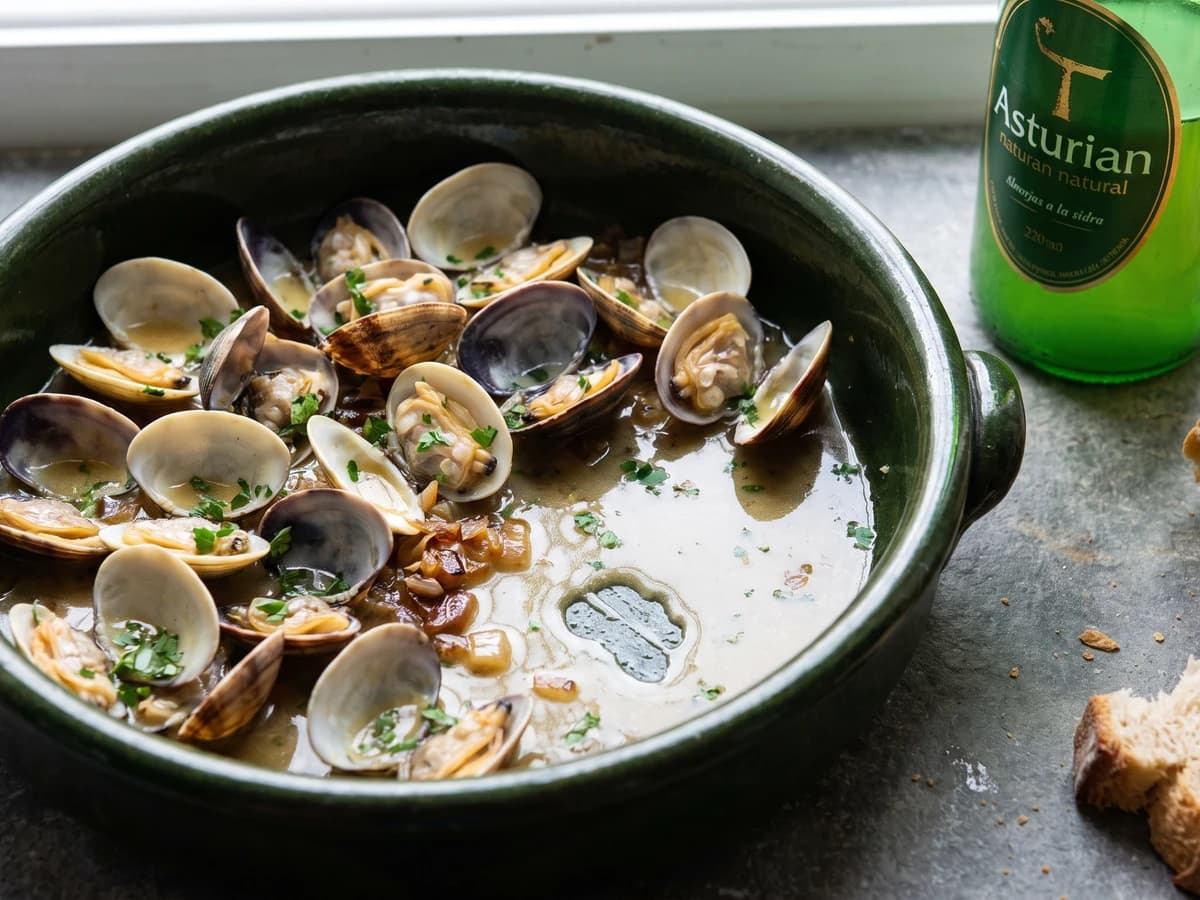
Asturias opens clams in tart natural cider over a slow onion and garlic sofrito, making a bright, briny sauce that asks for bread and rewards one rule: lift each clam as it opens.