Chef Isabel
Abanico Ibérico a la Plancha
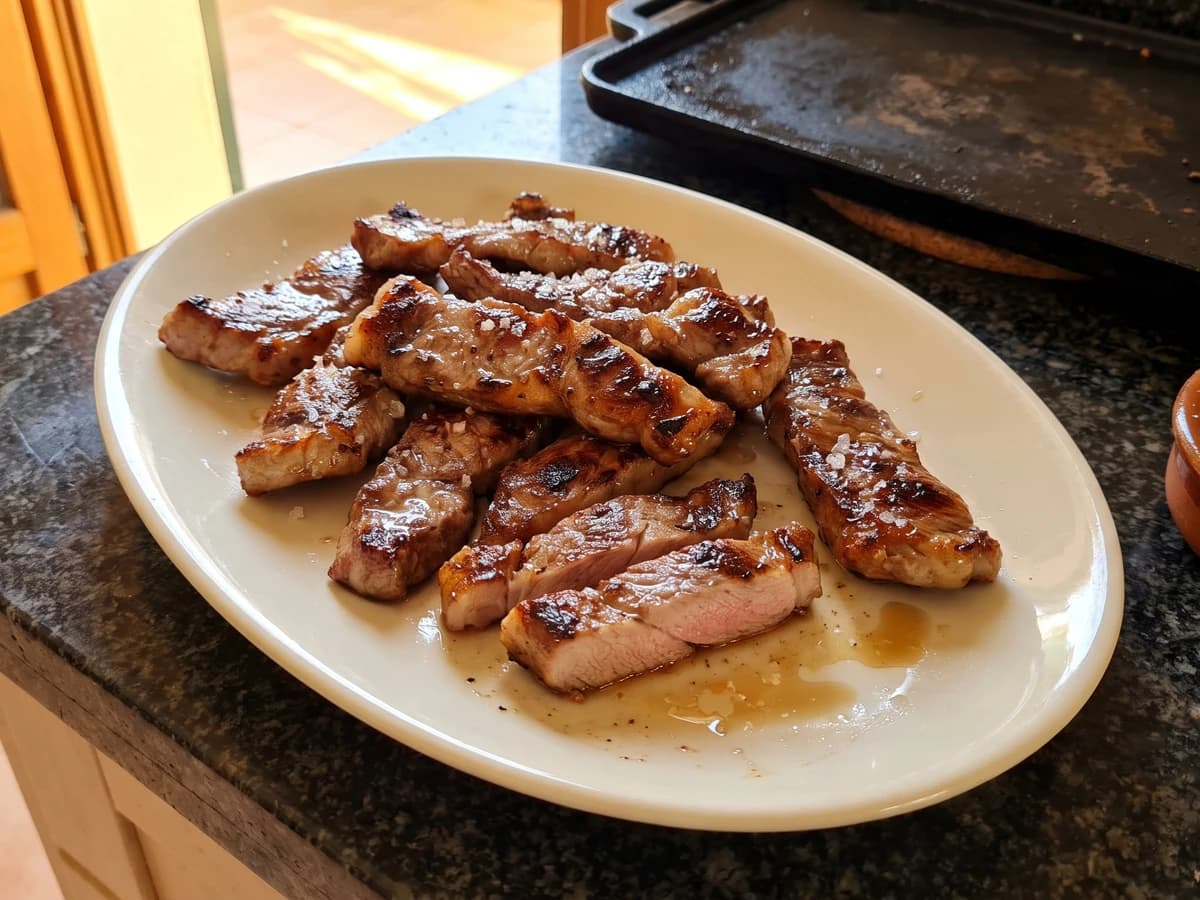
Extremadura's dehesa gives us this fan-shaped, marbled rib cut: salt it at the last moment, lay it on a fierce plancha, and count in seconds so the centre stays juicy.
A cooking platform built around craft, culture, and the stories behind what we eat.
Created by
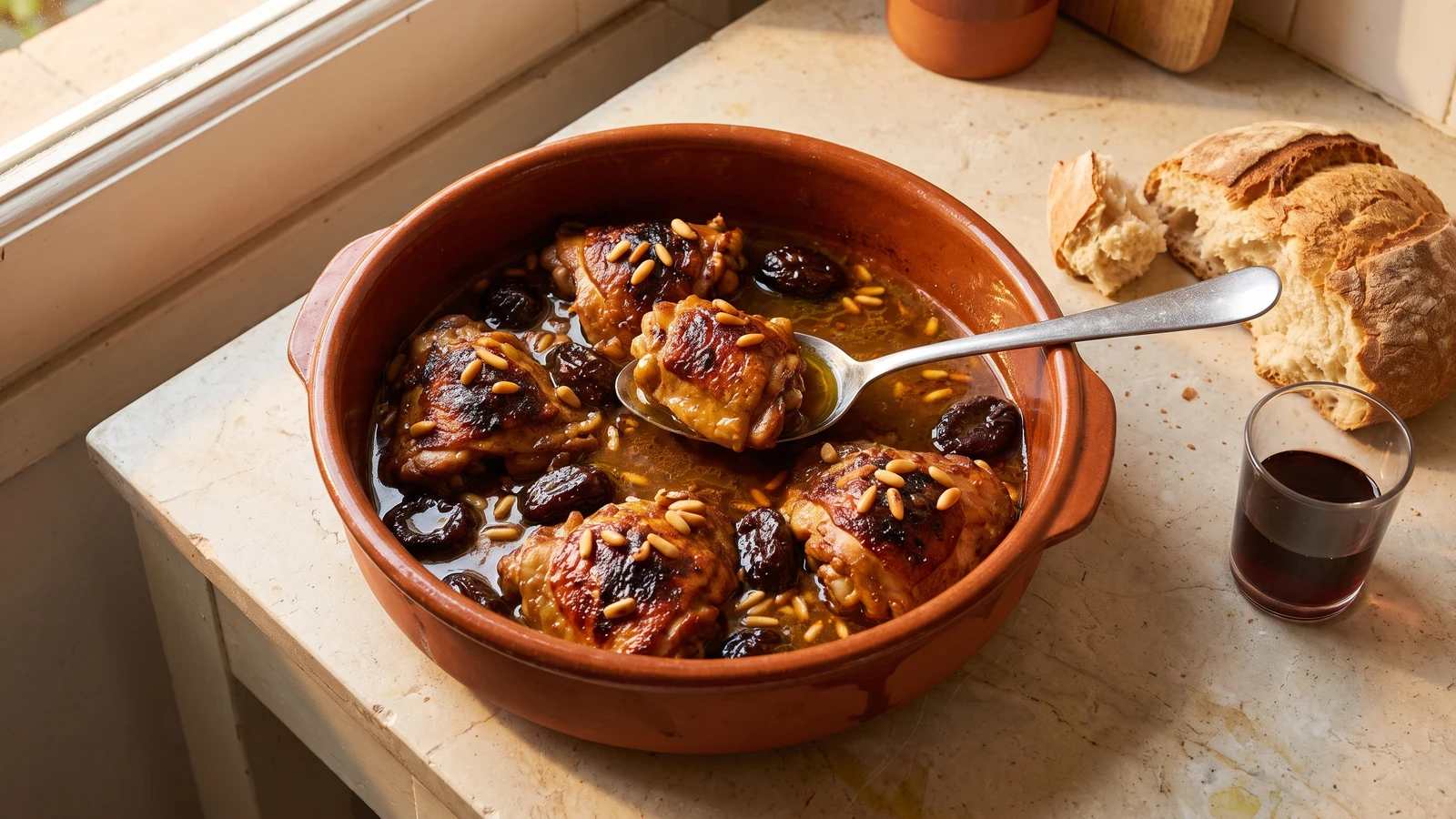
Catalonia braises chicken slowly with prunes, pine nuts and vi ranci, then stirs in a pounded picada so the fruit softens into a dark, glossy sauce without turning it sweet.
Pollastre a la catalana is Catalonia's feast-day chicken braise, known at home as pollastre amb prunes i pinyons: chicken with prunes and pine nuts. Vi ranci gives the sauce its dry, nutty depth, the fruit softens into the braising juices, and a final picada, the pounded mixture of almonds, bread, garlic, and parsley, draws everything together. It is rich, but it must never taste sugary.
The step that decides it is the sofregit, the slow onion and tomato base. Cook the onion low until dark gold and jammy, then let the grated tomato lose nearly all its water. That patient cook gives the sauce sweetness without making the prunes carry the whole burden. Brown the chicken well, braise it gently, and stir in the picada only near the end so the sauce thickens around the meat instead of catching on the bottom.
If vi ranci is hard to find, use a dry oloroso sherry. It is nuttier and a little sharper, but it belongs to the same family of oxidative wines and does the work honestly. Don't use sweet cream sherry; the prunes bring enough sweetness already. In the Margin beside this recipe I wrote, "the sauce should cling, not drown." Follow that and the gentle simmer. Siempre sale, si lo sigues.
Medieval Catalan cookery, recorded in the fourteenth-century Llibre de Sent Soví, paired meats with fruit, spice, and sauces given body with ground nuts. Pollastre amb prunes i pinyons carries that old sweet-and-savoury balance into the household casserole, using vi ranci from the Catalan cellar and picada as its final thickener. Chicken, dried fruit, and costly pine nuts marked abundance, which placed the dish naturally at feast days and family celebrations.
Quantity
1 (about 1.8kg)
cut into 8 bone-in, skin-on pieces
Quantity
14g
divided
Quantity
2g
Quantity
250g
Quantity
200ml
Quantity
50ml
Quantity
60ml
Quantity
400g
finely chopped
Quantity
2 cloves (about 8g)
finely chopped, for the sofregit
Quantity
250g
halved and grated, skins discarded
Quantity
450ml
Quantity
1
Quantity
1 piece (about 5cm)
Quantity
40g
Quantity
35g
Quantity
20g
toasted until firm
Quantity
1 clove (about 4g)
peeled, for the picada
Quantity
10g
Quantity
up to 60ml
| Ingredient | Quantity |
|---|---|
| whole free-range chickencut into 8 bone-in, skin-on pieces | 1 (about 1.8kg) |
| fine sea saltdivided | 14g |
| freshly ground black pepper | 2g |
| soft pitted prunes | 250g |
| vi ranci, or dry oloroso sherry | 200ml |
| brandy | 50ml |
| olive oil | 60ml |
| onionsfinely chopped | 400g |
| garlicfinely chopped, for the sofregit | 2 cloves (about 8g) |
| ripe tomatoeshalved and grated, skins discarded | 250g |
| unsalted chicken stock | 450ml |
| bay leaf | 1 |
| cinnamon stick | 1 piece (about 5cm) |
| pine nuts | 40g |
| toasted blanched almonds | 35g |
| day-old rustic breadtoasted until firm | 20g |
| garlicpeeled, for the picada | 1 clove (about 4g) |
| flat-leaf parsley leaves | 10g |
| hot water (optional) | up to 60ml |
Put the prunes in a bowl, pour over the vi ranci, and leave them for 20 minutes. Drain them without pressing and keep every drop of the wine. Pat the chicken dry, then season it all over with 12g of the salt and the black pepper. Dry skin browns; wet skin sticks.
Heat the olive oil in a wide, heavy casserole over medium-high heat. Brown the chicken in two or three batches, skin side down first, until deep gold on both sides, about 10 to 12 minutes in all. Don't crowd the casserole or the pieces release water and go pale. Transfer each browned batch to a tray; the meat should not be cooked through yet.
Lower the heat and leave about 45ml of oil and chicken fat in the casserole. Add the onions and cook over low to medium-low heat for 25 to 30 minutes, stirring often, until dark gold, soft, and jammy. Add the chopped garlic and cook for 1 minute. Stir in the grated tomato and cook for another 12 to 15 minutes, until it is dark, thick, and nearly dry, with the oil beginning to show at the edges. This is the sofregit, and rushing it gives you a thin, sharp sauce.
Pour in the brandy and scrape the browned bits from the bottom. Let it bubble for 1 minute, then add the reserved vi ranci and reduce it by about half, 4 to 5 minutes. Return the thighs, drumsticks, and wings to the casserole. Add the stock, bay leaf, and cinnamon; the liquid should reach roughly halfway up the chicken. Bring it to a gentle simmer, cover slightly ajar, and cook for 20 minutes.
Add the breast pieces skin side up and tuck the soaked prunes between the chicken. Cover slightly ajar again and simmer gently for 20 minutes. Turn the dark-meat pieces once, but leave the breasts skin side up. The prunes should swell and soften while keeping enough shape to lift with a spoon.
While the chicken braises, toast the pine nuts in a dry frying pan over medium-low heat for 2 to 3 minutes, shaking often, until pale gold. Set them aside. In a mortar, pound the almonds, toasted bread, remaining garlic clove, parsley, and remaining 2g salt into a coarse, damp paste. Ladle in about 100ml of the braising liquid and work it smooth enough to stir into the casserole.
Stir the loosened picada gently into the spaces between the chicken pieces, then add 30g of the toasted pine nuts. Simmer uncovered for 8 to 10 minutes, shaking the casserole now and then, until the sauce is glossy and coats the back of a spoon. If it becomes too thick, add hot water 15ml at a time. The thickest chicken piece must reach at least 74°C at the bone.
Remove the bay leaf and cinnamon. Take the casserole off the heat and let the chicken rest in its sauce for 15 minutes. Spoon off only any clear excess fat, leaving the glossy sauce beneath it. Scatter over the remaining 10g pine nuts and serve from the casserole with bread for the sauce. Tal com es fa allí, exactly as it is made there.
1 serving (about 400g)
Culinary guides, cultural storytelling, and the editorial depth that makes cooking meaningful.
Discover Culinary ExplorerChef Isabel
Extremadura's dehesa gives us this fan-shaped, marbled rib cut: salt it at the last moment, lay it on a fierce plancha, and count in seconds so the centre stays juicy.
Chef Isabel
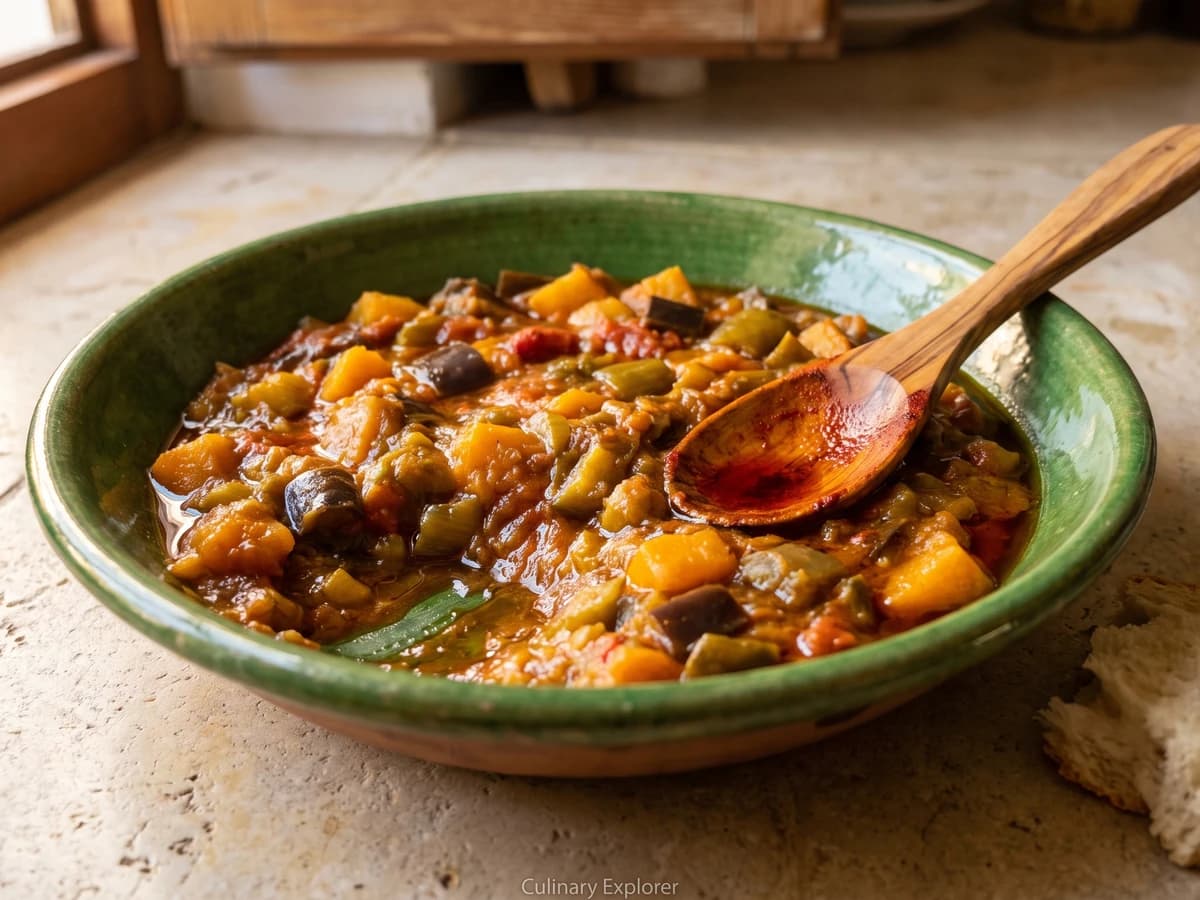
Alboronía is Andalucía's old pumpkin and aubergine stew, deepened with tomato, pimentón, and cumin, then cooked without hurry until the vegetables settle into a glossy, sweet, spoon-soft whole.

Chef Isabel
Aletría Murciana is Murcia's humble noodle guiso: fine fideos, pork ribs, potato, saffron, and a dark sweet sofrito. Get that base right and the pot knows where it's going.
Chef Isabel
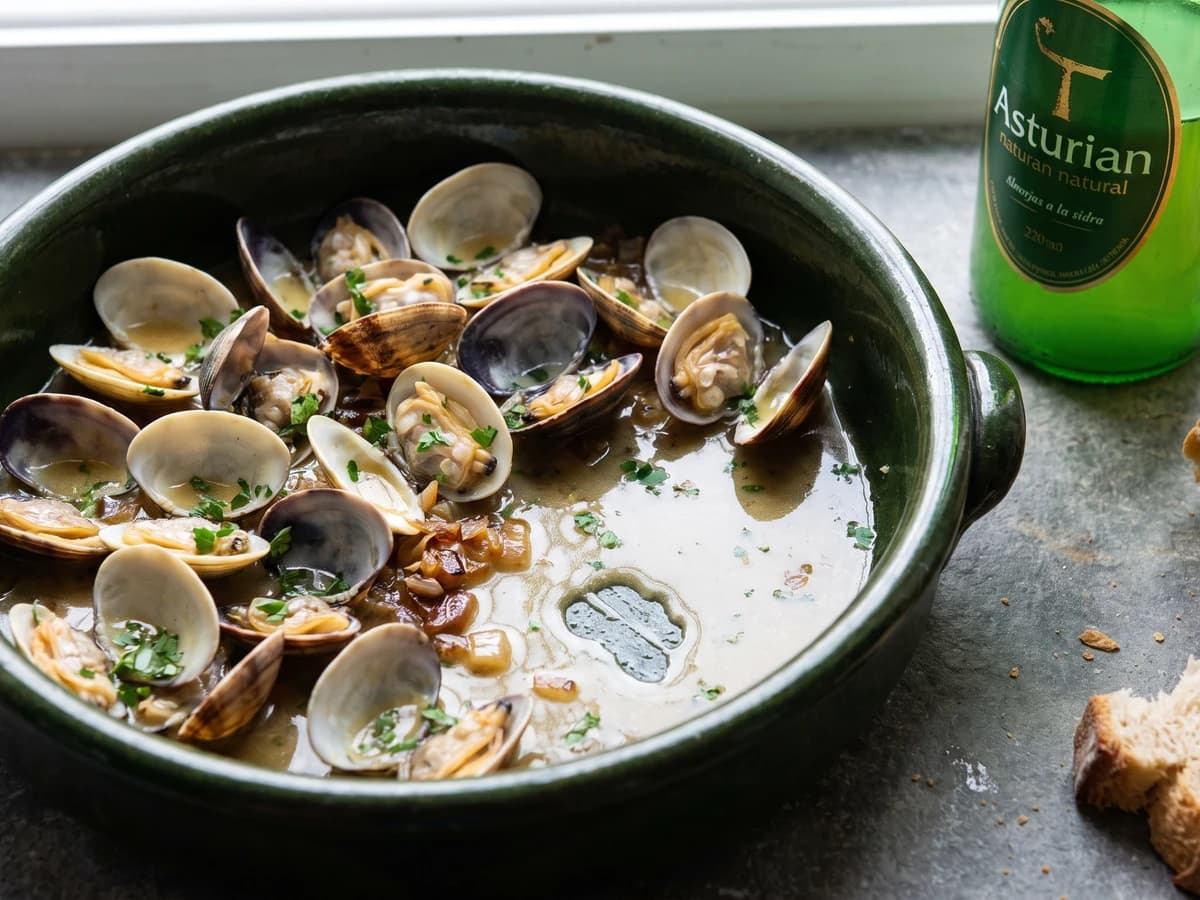
Asturias opens clams in tart natural cider over a slow onion and garlic sofrito, making a bright, briny sauce that asks for bread and rewards one rule: lift each clam as it opens.