
Chef Takumi
Agar Jelly with Anko and Fruit (あんみつ, Anmitsu)
Anmitsu looks like a tray of small tasks, but the work is calm: dissolve the kanten fully, chill the pieces clean, then let fruit, anko, and kuromitsu do the speaking.
A cooking platform built around craft, culture, and the stories behind what we eat.
Created by
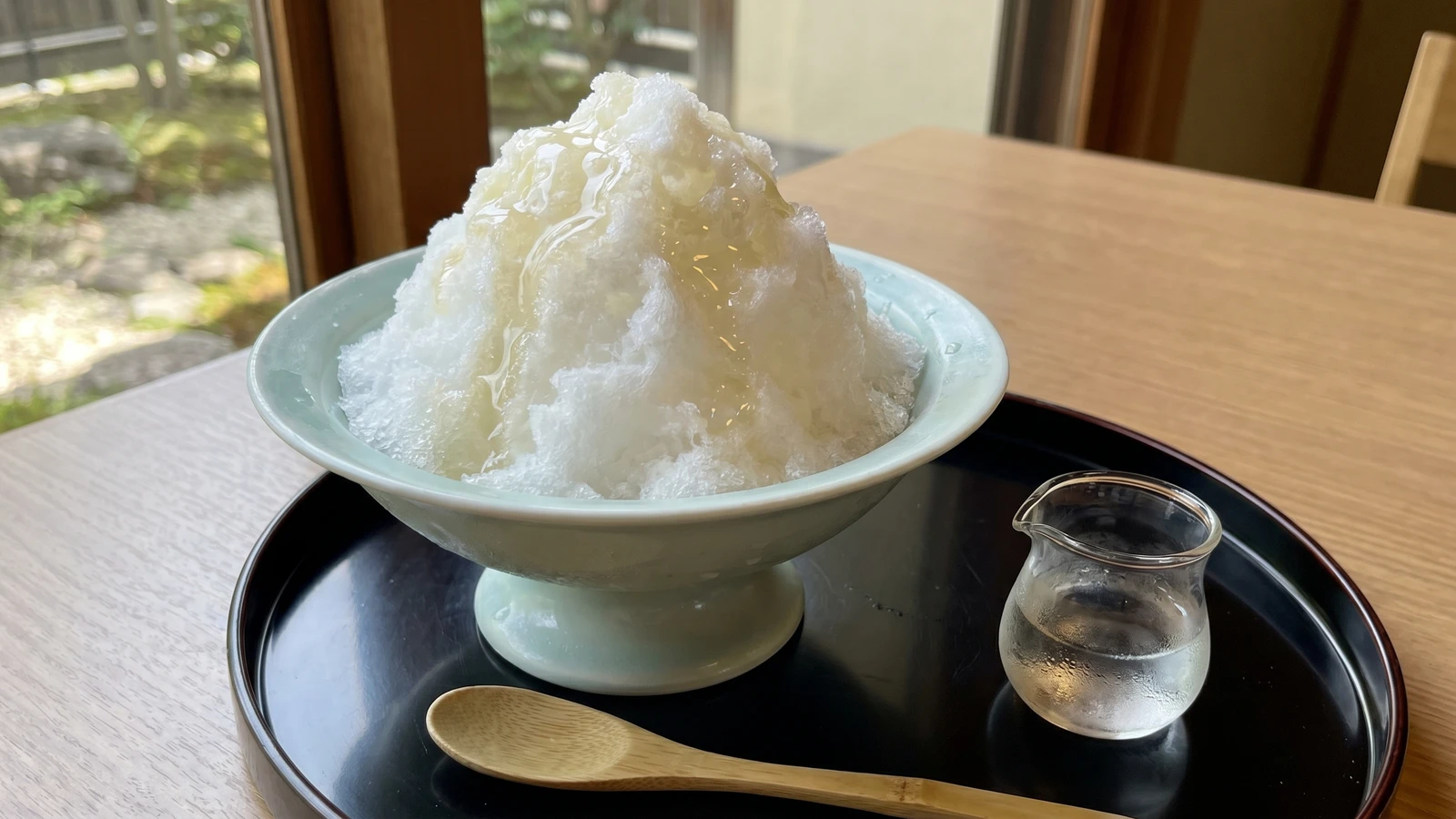
Fluffy ice, clear syrup, and no decoration to rescue a bad shave. Mizore is plain Shōwa sweetness, named for sleet, where the texture of the ice is the whole dessert.
White ice tells on you. Mizore is the plainest kind of kakigōri: no strawberry syrup, no condensed milk, no bean paste, not even the loyal cherry some shopkeepers send to look busy. Just shaved ice and clear sugar syrup, the syrup slipping down the mound like rain through sleet.
That plainness is the point. Because there is nothing hidden, the water must taste clean and the syrup must be cold and clear. Use filtered water if your tap water speaks too loudly, and heat the sugar only until it dissolves. Boil it hard and the syrup thickens, picks up a cooked sweetness, and starts behaving like a sauce. Mizore wants lightness.
The one detail that decides it is the temper of the ice. Shave a block straight from a hard freezer and it breaks into sand; let it sit until the surface turns glossy and wet, and the blade can peel off soft flakes. A hand-cranked kakigōriki, a Japanese shaved-ice machine, is the old tool. A good electric block shaver does the same work at home. Build the mound lightly, pour in a thin stream, and stop before generosity becomes a puddle. Leave it room.
The word mizore means sleet, and in kakigōri shops it names the plain white version dressed only with clear syrup. Sweetened shaved ice appears in the early eleventh-century Makura no Sōshi, where Sei Shōnagon lists ice scraped into a metal bowl and flavored with amazura, a sweet vine sap, among elegant things. Kakigōri became a common summer sweet only after Meiji-era ice making and later hand-cranked shavers put ice within reach beyond the court.
Quantity
200g
Quantity
200ml
for the clear syrup
Quantity
about 1kg
well frozen, then tempered before shaving
| Ingredient | Quantity |
|---|---|
| granulated white sugar | 200g |
| filtered waterfor the clear syrup | 200ml |
| clear block ice or shaved-ice mold icewell frozen, then tempered before shaving | about 1kg |
Combine the sugar and 200ml filtered water in a small saucepan. Warm over medium-low heat, stirring just until the grains disappear and the syrup turns completely clear, 3 to 5 minutes. Do not boil it hard. Long boiling makes the syrup heavier and slightly cooked-tasting, and mizore needs a clean sweetness that runs through the ice instead of sitting on it.
Pour the syrup into a clean jar or small pitcher, let it cool to room temperature, then refrigerate until thoroughly cold, at least 2 hours. Warm syrup collapses shaved ice on contact. Cold syrup sweetens it while letting the mound keep its soft height.
Take the ice block out 10 to 15 minutes before shaving, just until the frosty surface turns clear and wet. Put the serving bowls in the freezer while you wait. Ice that is too hard fractures into gritty chips; lightly tempered ice meets the blade cleanly and comes off in thin flakes.
Set the kakigōriki or electric block shaver to a fine setting. Shave the ice into each chilled bowl with a light hand, building a loose mound rather than packing it down. If it leans, coax it with the back of a spoon. Pressing turns soft flakes into a hard clump, and then you have lost the very thing you came for.
Pour 2 to 3 tablespoons of cold syrup over each mound in a thin stream, mainly over the crown and down one side. The syrup should streak through the white ice and disappear in places, like sleet turning to rain. Serve at once. If a puddle gathers at the bottom before the first spoonful, you used too much.
1 serving (about 350g)
Culinary guides, cultural storytelling, and the editorial depth that makes cooking meaningful.
Discover Culinary ExplorerChef Takumi
Anmitsu looks like a tray of small tasks, but the work is calm: dissolve the kanten fully, chill the pieces clean, then let fruit, anko, and kuromitsu do the speaking.

Chef Takumi
A cool square of almond-scented milk, set softly and served with mikan in thin syrup, is dinner-party food without theater. The only stern demand is restraint with the fragrance.

Chef Takumi
Azuki bar asks for patience twice: once while the beans soften, and once while the frozen bar yields. That hardness is not a flaw. It is the character of the thing.
Chef Takumi
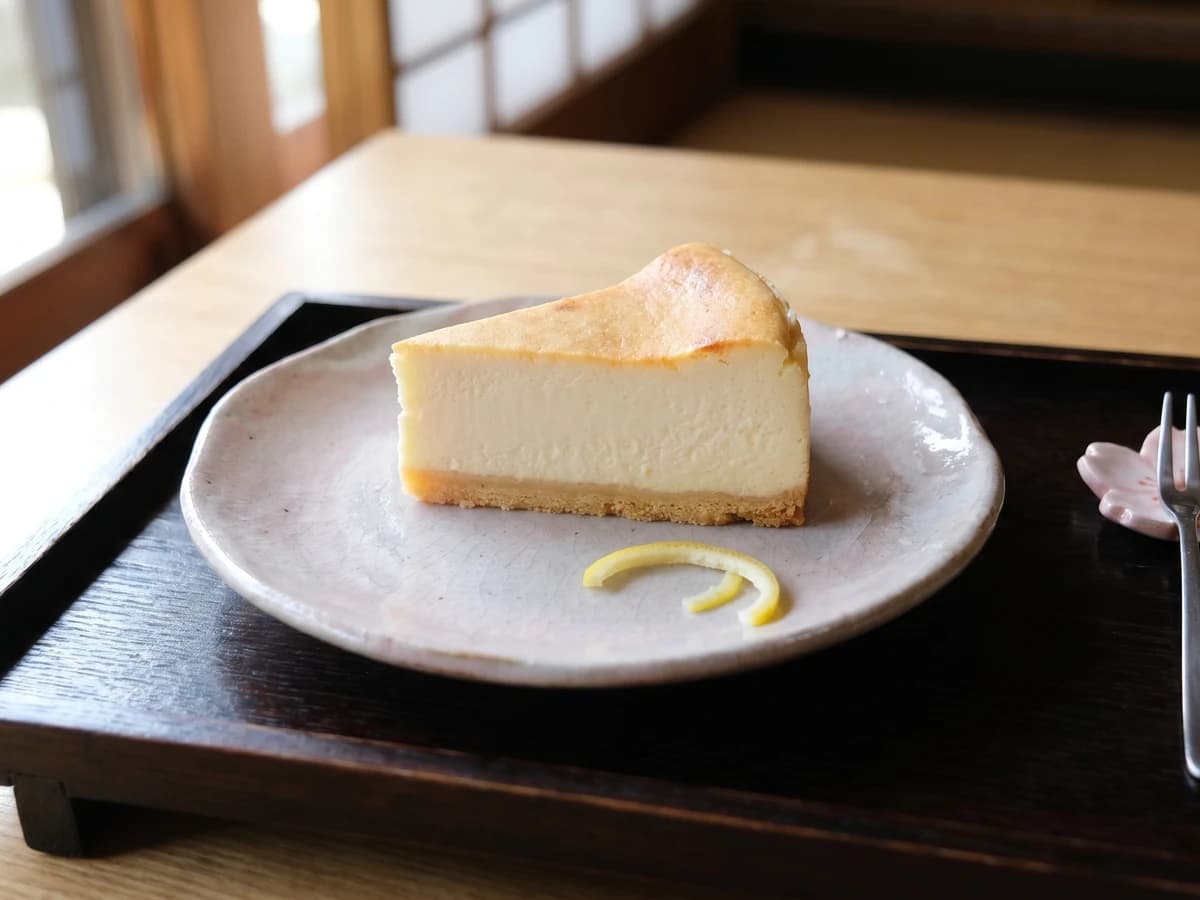
A Japanese baked cheesecake is not trying to float away. It is dense, smooth, and quietly tart, with a clean slice doing the work of decoration.