Chef Graziella
Arista alla Fiorentina
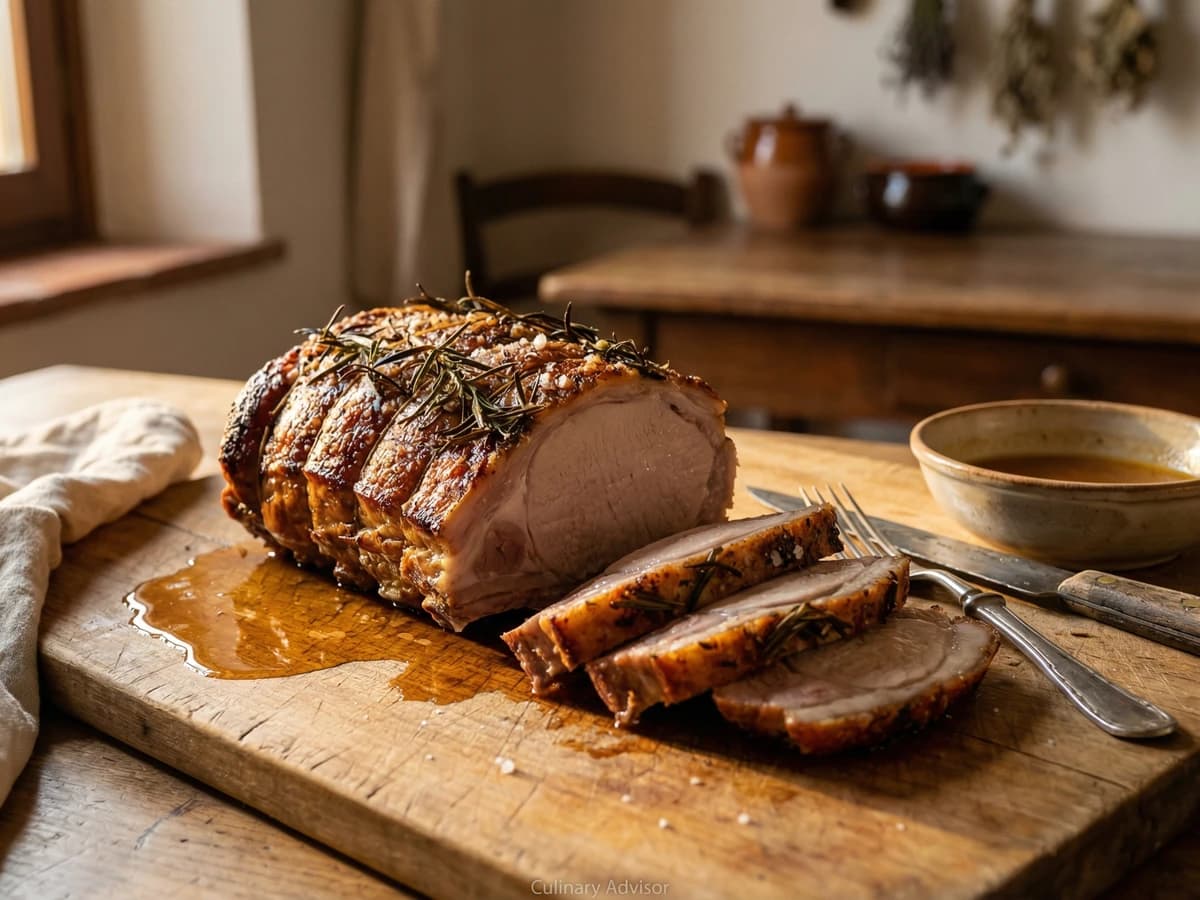
The roast pork of Florence: bone-in loin studded with rosemary and garlic, nothing more. This is the dish that earned its name from a Byzantine bishop who declared it aristos, the best.
A cooking platform built around craft, culture, and the stories behind what we eat.
Created by
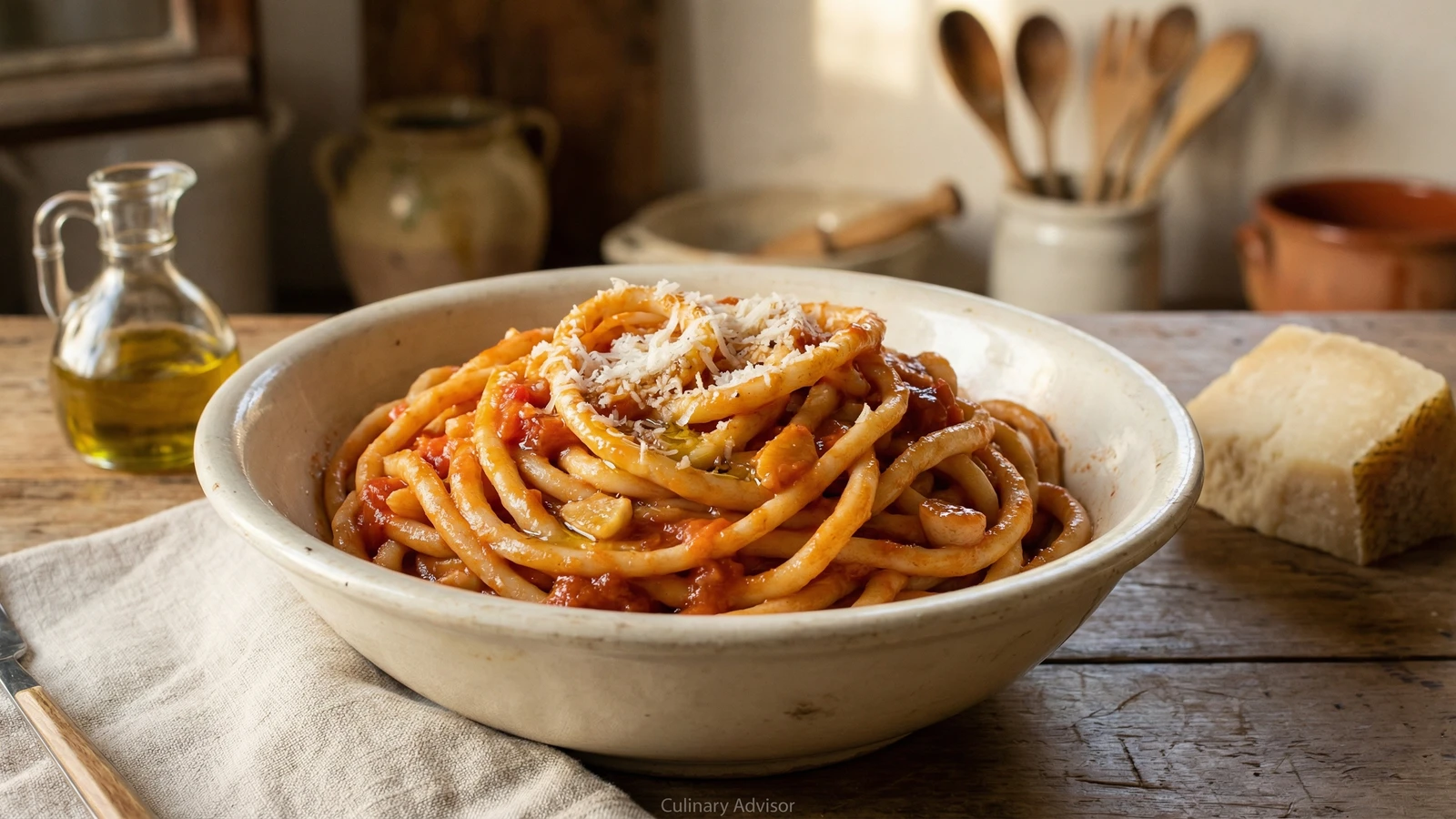
Hand-rolled ropes of Tuscan eggless pasta with a sauce built on slowly cooked giant garlic, sweet and mild, married to tomatoes in the tradition of Siena and the Val di Chiana.
Pici is peasant pasta. The contadini of southern Tuscany made it with flour and water because eggs were for selling, not for weeknight supper. They rolled it thick and uneven because uniformity is a factory concern. They ate it with whatever the garden provided. In Siena and the surrounding Val di Chiana, that meant aglione: giant garlic cloves the size of small plums, mild and sweet when given time.
The name aglione means 'big garlic,' and the sauce requires faith. You slice an alarming amount of garlic into a pool of olive oil and cook it so slowly that it nearly dissolves. Fifteen minutes. Twenty. The kitchen fills with fragrance, but the harshness disappears. What remains is sweetness, depth, a warmth that has nothing aggressive about it. The tomatoes join late and play a supporting role.
This is not the garlic of American-Italian cooking, raw and pungent and overwhelming everything else. This is garlic transformed by patience. The technique matters more than the quantity. If you rush the garlic, if you let it brown, you will understand why some people think Italian food uses too much of it. If you give it time, you will understand why the Sienese built a dish around it.
Pici dates to Etruscan times, making it one of the oldest pasta forms in Italy, predating the Roman Empire. The Val di Chiana, the fertile valley between Siena and Arezzo, developed the aglione variety of garlic centuries ago, and the pairing of local pasta with local garlic became the defining dish of the region. Every town in the area claims the authentic version.
Quantity
400g
Quantity
1 cup, plus more as needed
Quantity
2 tablespoons
for the dough
Quantity
1 teaspoon
for the dough
Quantity
8-10 large cloves (about 4 ounces)
Quantity
1/2 cup
for the sauce
Quantity
1 small
crumbled
Quantity
1 can (28 ounces)
crushed by hand
Quantity
to taste
Quantity
to taste
freshly ground
Quantity
for serving
freshly grated
| Ingredient | Quantity |
|---|---|
| tipo 00 flour or all-purpose flour | 400g |
| warm water | 1 cup, plus more as needed |
| extra virgin olive oilfor the dough | 2 tablespoons |
| fine sea saltfor the dough | 1 teaspoon |
| aglione or elephant garlic | 8-10 large cloves (about 4 ounces) |
| extra virgin olive oilfor the sauce | 1/2 cup |
| dried peperoncino (optional)crumbled | 1 small |
| San Marzano tomatoescrushed by hand | 1 can (28 ounces) |
| kosher salt | to taste |
| black pepperfreshly ground | to taste |
| Pecorino Toscano or Parmigiano-Reggianofreshly grated | for serving |
Mound the flour on a wooden board and make a well in the center. Add the warm water, olive oil, and salt to the well. Using a fork, gradually incorporate the flour from the inner walls of the well into the liquid, working outward. When the dough becomes too stiff to mix with a fork, use your hands. Knead for 10 minutes until smooth and elastic. The dough should be softer than egg pasta dough, yielding but not sticky. Wrap in plastic and rest at room temperature for 30 minutes.
Cut the rested dough into four pieces. Keep unused portions covered. Roll one piece into a log about half an inch thick. Cut the log into small pieces, roughly the size of a grape. Using your palms on a wooden board (not marble, which is too smooth), roll each piece into a thick strand about the width of a shoelace and 8 to 10 inches long. The strands should be uneven, thicker in places, thinner in others. This is correct. Dust lightly with flour and set aside on a floured tray. Continue until all dough is rolled.
Peel the garlic cloves and slice them very thin, almost transparent. True aglione cloves are enormous, mild, and sweet when cooked. If using regular garlic, you would use less and the dish would not taste the same. Elephant garlic, though botanically a leek, approximates the mildness of aglione and is your best substitute.
In a large skillet, warm the olive oil over the lowest possible heat. Add the sliced garlic and the crumbled peperoncino if using. Cook very slowly, stirring occasionally, until the garlic becomes soft, golden, and sweet. This takes 15 to 20 minutes. The garlic must never brown or turn crisp. If it begins to color too quickly, remove the pan from the heat entirely and let the residual warmth finish the job. This patient cooking transforms garlic from sharp to mellow. This is the entire point of the dish.
Crush the canned tomatoes by hand directly into the skillet, letting their juices fall in as well. Stir to combine with the garlic and oil. Raise the heat to medium and let the sauce simmer, uncovered, for 20 to 25 minutes. Stir occasionally. The sauce should reduce and thicken, the tomatoes breaking down completely. The garlic will disappear into the sauce. Season with salt and pepper. The sauce should taste sweet from the garlic, bright from the tomatoes, with warmth from the peperoncino.
Bring a large pot of water to a vigorous boil. Salt it generously. Add the pici, stirring immediately to prevent sticking. Fresh pici cook quickly, 3 to 4 minutes, but they are thick and irregular, so test a strand. It should be tender but with pleasant chew at the center. Reserve one cup of pasta cooking water before draining.
Add the drained pici directly to the skillet with the sauce. Toss vigorously over medium heat for one minute, adding splashes of pasta water as needed to help the sauce cling to every strand. The sauce should coat the pici completely, not pool beneath them. Serve immediately in warmed bowls. Pass the grated cheese at the table.
1 serving (about 385g)
Culinary guides, cultural storytelling, and the editorial depth that makes cooking meaningful.
Discover Culinary ExplorerChef Graziella
The roast pork of Florence: bone-in loin studded with rosemary and garlic, nothing more. This is the dish that earned its name from a Byzantine bishop who declared it aristos, the best.

Chef Graziella
The T-bone of Florence, thick as three fingers and charred over blazing coals, rested until the juices settle, finished with nothing but salt and the best olive oil Tuscany can offer.
Chef Graziella
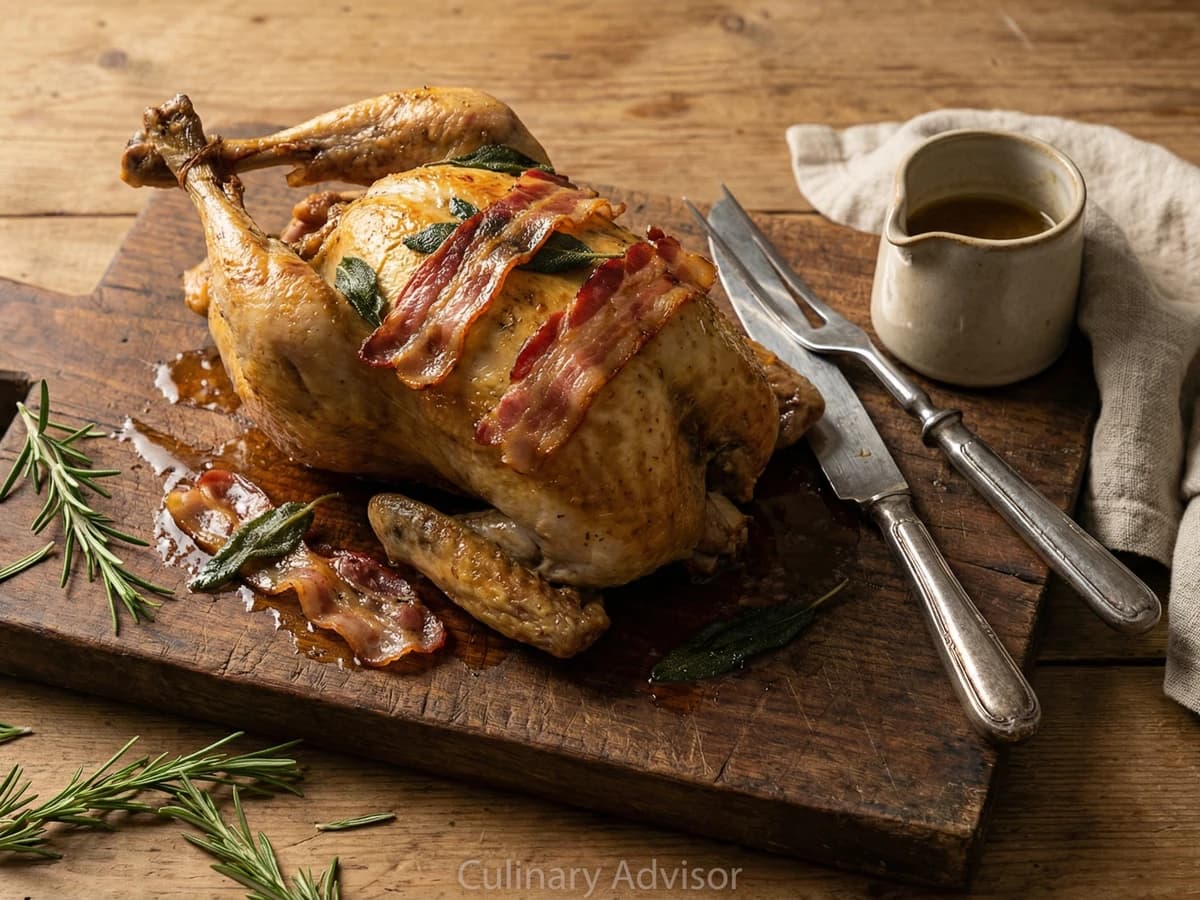
The noble guinea fowl of Tuscan farmhouses, wrapped in pancetta, perfumed with sage, roasted until the skin shatters and the meat stays moist. This is what Italians bring to the table when ordinary poultry will not serve.

Chef Graziella
The ancient grain of the Garfagnana, simmered with whatever the garden offers and finished with the green-gold olive oil that Tuscany produces better than anywhere else. Peasant food that sustained Roman legions and Tuscan farmers alike.