Chef Graziella
Braciole alla Napoletana
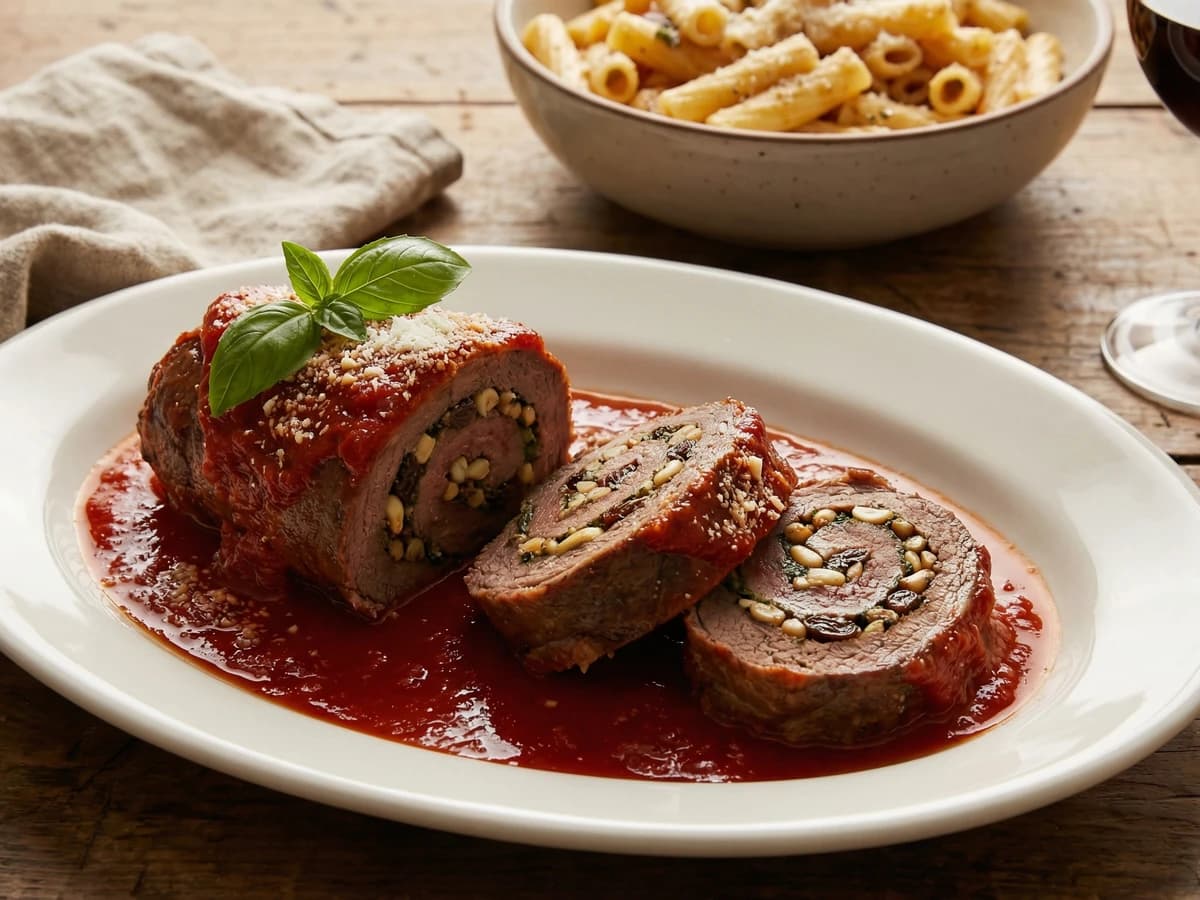
The Sunday ritual of Naples: beef rolls stuffed with pine nuts, raisins, and garlic, braised in tomato sauce until surrendering to tenderness. The sauce goes to the pasta. The meat comes second.
A cooking platform built around craft, culture, and the stories behind what we eat.
Created by
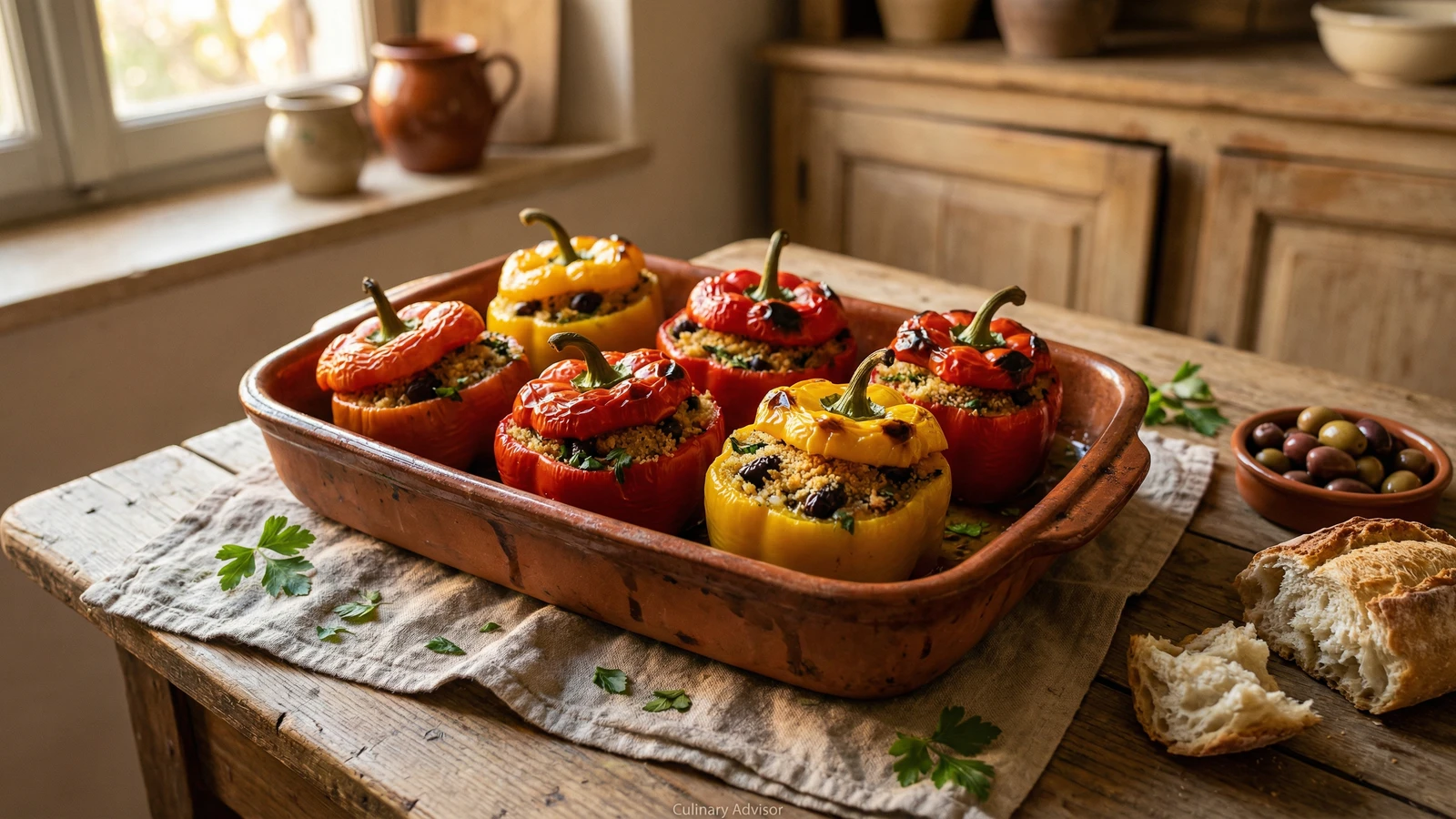
The stuffed peppers of Naples, filled not with rice or meat but with seasoned breadcrumbs, olives, capers, and the dissolving richness of anchovy. Cucina povera that proves poverty breeds ingenuity.
Americans think they know stuffed peppers. They fill them with ground beef and rice and tomato sauce and call it comfort food. Neapolitans shake their heads at this. In Naples, peppers have been stuffed with breadcrumbs for generations, a dish born of necessity that became a dish of choice.
The filling tells the story of Southern Italian cooking: stale bread transformed, briny capers and olives adding punch, anchovies melting into the crumbs until you cannot identify them but would miss them terribly if they were gone. The pine nuts and raisins speak to the Arab influence that shaped Sicilian and Neapolitan cuisine, that love of sweet against savory that runs through so much of the South.
This is not a main course demanding attention at the center of the plate. These peppers appear on the antipasto table, at room temperature, alongside other vegetable preparations. They can begin a meal or be the meal itself with good bread and wine. What you keep out, the rice and meat that Americans insist upon, matters as much as what remains.
Stuffed vegetables belong to the cucina povera tradition that emerged from Southern Italian poverty, where cooks stretched expensive ingredients with bread and made vegetables the center of the meal. The Neapolitan version reflects the city's position as a trading port: capers from Pantelleria, olives from the surrounding hills, anchovies from the abundant Mediterranean catch, and the sweet-savory combinations that arrived with Arab traders centuries ago.
Quantity
6 medium (about 3 pounds)
mixed red and yellow
Quantity
2 cups
coarse, from day-old Italian bread
Quantity
1/2 cup
pitted and roughly chopped
Quantity
3 tablespoons
rinsed if salt-packed, drained if brined
Quantity
6
minced to a paste
Quantity
2 tablespoons
Quantity
2 tablespoons
soaked in warm water and drained
Quantity
2 cloves
minced very fine
Quantity
3 tablespoons
chopped
Quantity
1/2 cup, divided
Quantity
1/2 teaspoon
Quantity
to taste
freshly ground
Quantity
to taste
| Ingredient | Quantity |
|---|---|
| bell peppersmixed red and yellow | 6 medium (about 3 pounds) |
| dry breadcrumbscoarse, from day-old Italian bread | 2 cups |
| Gaeta or Kalamata olivespitted and roughly chopped | 1/2 cup |
| capersrinsed if salt-packed, drained if brined | 3 tablespoons |
| anchovy filletsminced to a paste | 6 |
| pine nuts | 2 tablespoons |
| golden raisinssoaked in warm water and drained | 2 tablespoons |
| garlicminced very fine | 2 cloves |
| fresh flat-leaf parsleychopped | 3 tablespoons |
| extra virgin olive oil | 1/2 cup, divided |
| dried oregano | 1/2 teaspoon |
| black pepperfreshly ground | to taste |
| kosher salt | to taste |
Cut the tops off the peppers and reserve them. Remove the seeds and white membranes from inside. Stand the peppers upright in a baking dish where they fit snugly, supporting each other. If a pepper will not stand, slice a thin piece from the bottom to create a flat base, but do not cut through to the cavity.
Heat three tablespoons of the olive oil in a large skillet over medium heat. Add the breadcrumbs and stir constantly until they turn golden and smell toasted, about four minutes. Watch carefully. They go from golden to burnt in seconds. Transfer to a large bowl and let cool slightly.
To the breadcrumbs, add the chopped olives, capers, anchovy paste, pine nuts, drained raisins, minced garlic, parsley, and oregano. Grind black pepper generously over the mixture. Drizzle in three tablespoons of olive oil and toss everything together with your hands. The mixture should hold together loosely when squeezed. Taste it. The anchovies and capers provide salt, so you may need none. Add a pinch only if necessary.
Preheat your oven to 375°F (190°C). Fill each pepper with the breadcrumb mixture, pressing it down gently but not compacting it. The filling should mound slightly above the rim. Replace the pepper tops, setting them at a slight angle so steam can escape. Drizzle the remaining olive oil over the peppers and into the baking dish.
Bake uncovered for 40 to 45 minutes. The peppers are done when they have collapsed slightly, their skins are wrinkled and beginning to char in spots, and a knife slides easily through the flesh. The filling should be golden brown where it peeks out.
Let the peppers rest for at least 15 minutes before serving. They are excellent warm, but tradition often calls for serving them at room temperature, where the flavors meld and deepen. Spoon any oil from the baking dish over the peppers before bringing them to the table.
1 serving (about 315g)
Culinary guides, cultural storytelling, and the editorial depth that makes cooking meaningful.
Discover Culinary ExplorerChef Graziella
The Sunday ritual of Naples: beef rolls stuffed with pine nuts, raisins, and garlic, braised in tomato sauce until surrendering to tenderness. The sauce goes to the pasta. The meat comes second.

Chef Graziella
Pork rolls stuffed with pine nuts, raisins, and prosciutto, then braised slowly in tomato sauce until fork-tender. In Naples, the sauce dresses pasta for the first course, and the meat follows as the second.
Chef Graziella
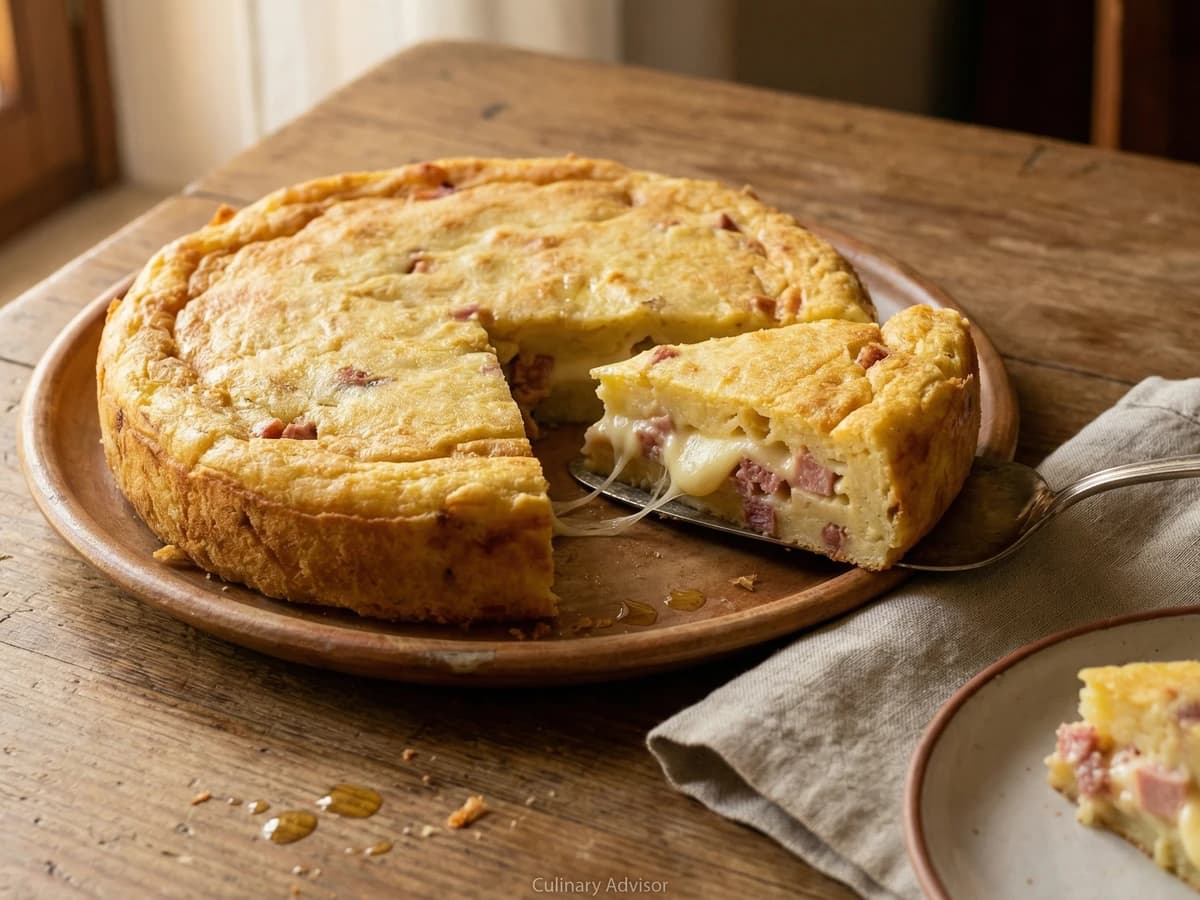
The baroque potato cake of Naples, where silky mashed potatoes enfold a hidden treasure of cheeses and cured meats, then bake until a golden crust gives way to molten richness within.
Chef Graziella
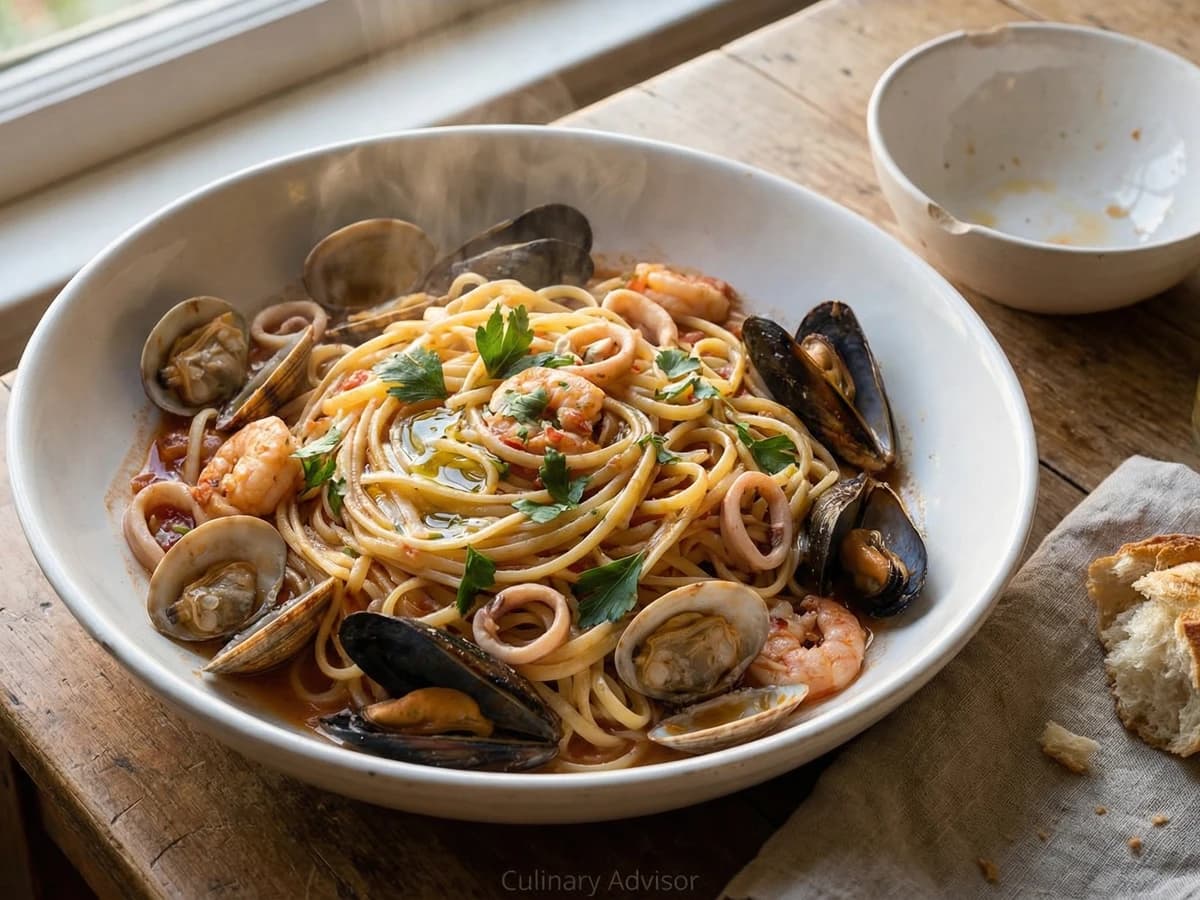
A tumble of clams, mussels, shrimp, and squid over linguine, bright with tomato and white wine. The fishermen's pasta of the Amalfi coast, where the rocks meet the sea.