Chef Graziella
Arista alla Fiorentina
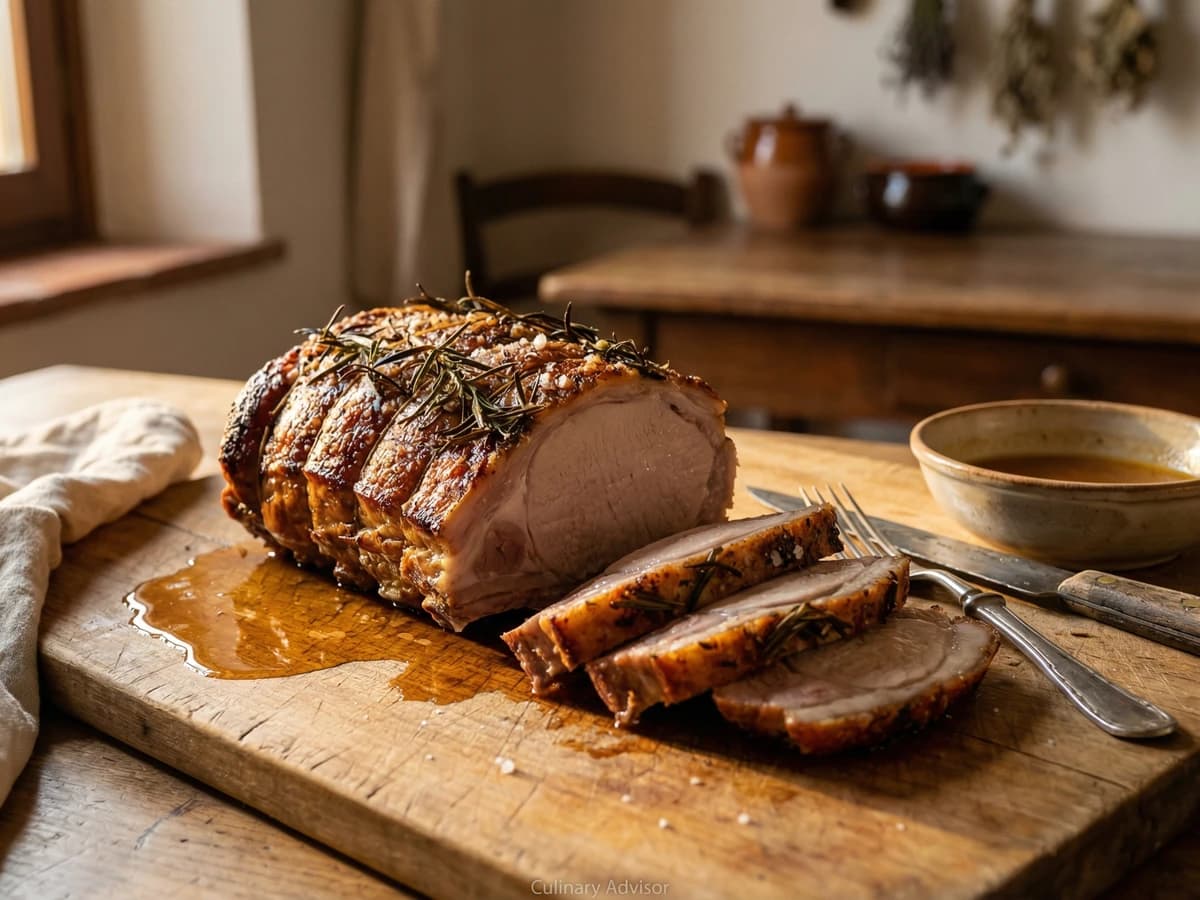
The roast pork of Florence: bone-in loin studded with rosemary and garlic, nothing more. This is the dish that earned its name from a Byzantine bishop who declared it aristos, the best.
A cooking platform built around craft, culture, and the stories behind what we eat.

Created by
Wide egg ribbons dressed in the ancient hunter's ragù of Tuscany, where hare braised with red wine, juniper, and rosemary becomes something worth the hours it demands.
Hare is not rabbit. Americans confuse them constantly, but Tuscans know the difference in their bones. Hare is wild, dark-fleshed, and lean. It runs through the hills of Chianti and the forests below Siena. It tastes of the land: iron and herbs and something untamed. Rabbit is domesticated, pale, and mild. You braise rabbit for an hour. You braise hare for three.
This ragù belongs to the hunters and the farmwives who cooked what the hunters brought home. It is ancient food. Boccaccio mentions hare ragù in the Decameron, written in the fourteenth century. The dish has changed little since. You still need a whole bottle of wine, a proper soffritto, and the patience to let everything surrender to heat and time.
The pappardelle must be fresh. Wide egg ribbons, at least an inch across, with rough edges that catch the sauce. Dried pasta cannot do this work. The noodles need to be supple enough to wrap around shreds of meat, absorbent enough to drink in the braising liquid, tender enough to yield completely on the tongue.
Simple does not mean easy. This dish requires hours at the stove and attention throughout. But when you lift that first forkful of wide, sauce-dark pasta to your mouth, you will understand why Tuscan hunters have made this same dish for seven hundred years.
Giovanni Boccaccio described hare ragù in his Decameron of 1353, placing it among the pleasures enjoyed by wealthy Florentines fleeing plague. The dish predates him. Tuscan hunters had been braising hare with local wine since the Etruscans planted the first vines. What changed was the arrival of tomatoes from the New World, which Tuscan cooks eventually, grudgingly, accepted into their ragù sometime in the late eighteenth century.
Quantity
1 (about 4-5 pounds)
cleaned and jointed into 8 pieces
Quantity
1/2 cup
Quantity
1 medium
diced fine
Quantity
1 medium
peeled and diced fine
Quantity
2
diced fine
Quantity
3
peeled and lightly crushed
Quantity
4 ounces
diced
Quantity
2 tablespoons
Quantity
1 bottle (750ml)
Quantity
1 can (14 ounces)
crushed by hand
Quantity
2 cups
Quantity
4
lightly crushed
Quantity
2
Quantity
4 sprigs
Quantity
2 sprigs
Quantity
6 whole
Quantity
to taste
Quantity
to taste
freshly ground
Quantity
1 pound
Quantity
3 tablespoons
cold
Quantity
for serving
freshly grated
| Ingredient | Quantity |
|---|---|
| whole harecleaned and jointed into 8 pieces | 1 (about 4-5 pounds) |
| extra virgin olive oil | 1/2 cup |
| yellow oniondiced fine | 1 medium |
| carrotpeeled and diced fine | 1 medium |
| celery stalksdiced fine | 2 |
| garlic clovespeeled and lightly crushed | 3 |
| pancettadiced | 4 ounces |
| tomato paste | 2 tablespoons |
| dry red wine | 1 bottle (750ml) |
| San Marzano tomatoescrushed by hand | 1 can (14 ounces) |
| beef or game stock | 2 cups |
| juniper berrieslightly crushed | 4 |
| bay leaves | 2 |
| fresh thyme | 4 sprigs |
| fresh rosemary | 2 sprigs |
| black peppercorns | 6 whole |
| kosher salt | to taste |
| black pepperfreshly ground | to taste |
| fresh pappardelle | 1 pound |
| unsalted buttercold | 3 tablespoons |
| Parmigiano-Reggianofreshly grated | for serving |
Pat the hare pieces completely dry with paper towels. Season generously with salt and pepper on all sides. Let the meat sit at room temperature for 30 minutes before cooking. Cold meat goes into a hot pan and seizes. Room temperature meat browns properly.
Heat half the olive oil in a heavy Dutch oven over medium-high heat until it shimmers. Working in batches to avoid crowding, brown the hare pieces on all sides until deeply golden, about 4 minutes per side. The color should be chestnut, not pale beige. Transfer each batch to a plate. Do not skip this step or rush it. The flavor of the entire dish depends on proper browning.
Pour off all but 2 tablespoons of the fat. Add the pancetta to the pot over medium heat. Cook, stirring occasionally, until the fat renders and the pancetta becomes golden and slightly crisp at the edges, about 8 minutes. The pancetta provides a smoky depth that olive oil alone cannot achieve.
Add the remaining olive oil, then the onion, carrot, and celery. Cook slowly, stirring occasionally, until the vegetables are completely soft and the onion turns pale gold, about 20 minutes. Add the crushed garlic cloves and cook 2 minutes more. The garlic should perfume the oil, not dominate it. FLAVOR, IN ITALIAN DISHES, builds up from the bottom. An imperfectly executed soffritto will impair the flavor of the entire dish.
Clear a space in the center of the pot and add the tomato paste. Let it toast against the hot surface for 1 minute, stirring it into the fat until it darkens slightly. Pour in the entire bottle of wine. It will hiss and steam. Scrape the bottom of the pot vigorously with a wooden spoon to release the browned bits. These are flavor. Let the wine simmer briskly until reduced by half, about 15 minutes.
Return the hare pieces to the pot, nestling them into the liquid. Add the crushed tomatoes, stock, juniper berries, bay leaves, thyme, rosemary, and peppercorns. The liquid should come about two-thirds up the sides of the meat. Bring to a simmer, then reduce heat to the lowest possible setting. Cover the pot and cook until the meat falls easily from the bone when prodded with a fork, 2 and a half to 3 hours. Check occasionally to ensure the liquid maintains the laziest simmer.
Transfer the hare pieces to a cutting board. Remove and discard the bay leaves, thyme stems, rosemary branches, and garlic cloves. When cool enough to handle, pull the meat from the bones in rough shreds, discarding the bones and any sinew. Return the shredded meat to the pot. Stir to combine with the braising liquid. Taste and adjust salt. The ragù should be thick but saucy, deeply flavored, and dark as old wine.
Bring abundant salted water to a vigorous boil. The water should taste like the sea. Cook fresh pappardelle until tender but with pleasant resistance, 2 to 3 minutes. Reserve one cup of pasta water before draining. Fresh pasta waits for no one. Have your ragù hot and your serving bowls ready.
Add the drained pappardelle directly to the pot with the ragù. Toss gently over low heat, adding the cold butter in pieces. The butter creates a silky finish. Add splashes of pasta water as needed until the sauce clings to every ribbon. The pasta should be dressed, not drowning. Once the pasta is sauced, serve it promptly, inviting your guests and family to put off talking and start eating. Pass Parmigiano-Reggiano at the table.
1 serving (about 450g)
Culinary guides, cultural storytelling, and the editorial depth that makes cooking meaningful.
Discover Culinary ExplorerChef Graziella
The roast pork of Florence: bone-in loin studded with rosemary and garlic, nothing more. This is the dish that earned its name from a Byzantine bishop who declared it aristos, the best.

Chef Graziella
The T-bone of Florence, thick as three fingers and charred over blazing coals, rested until the juices settle, finished with nothing but salt and the best olive oil Tuscany can offer.
Chef Graziella
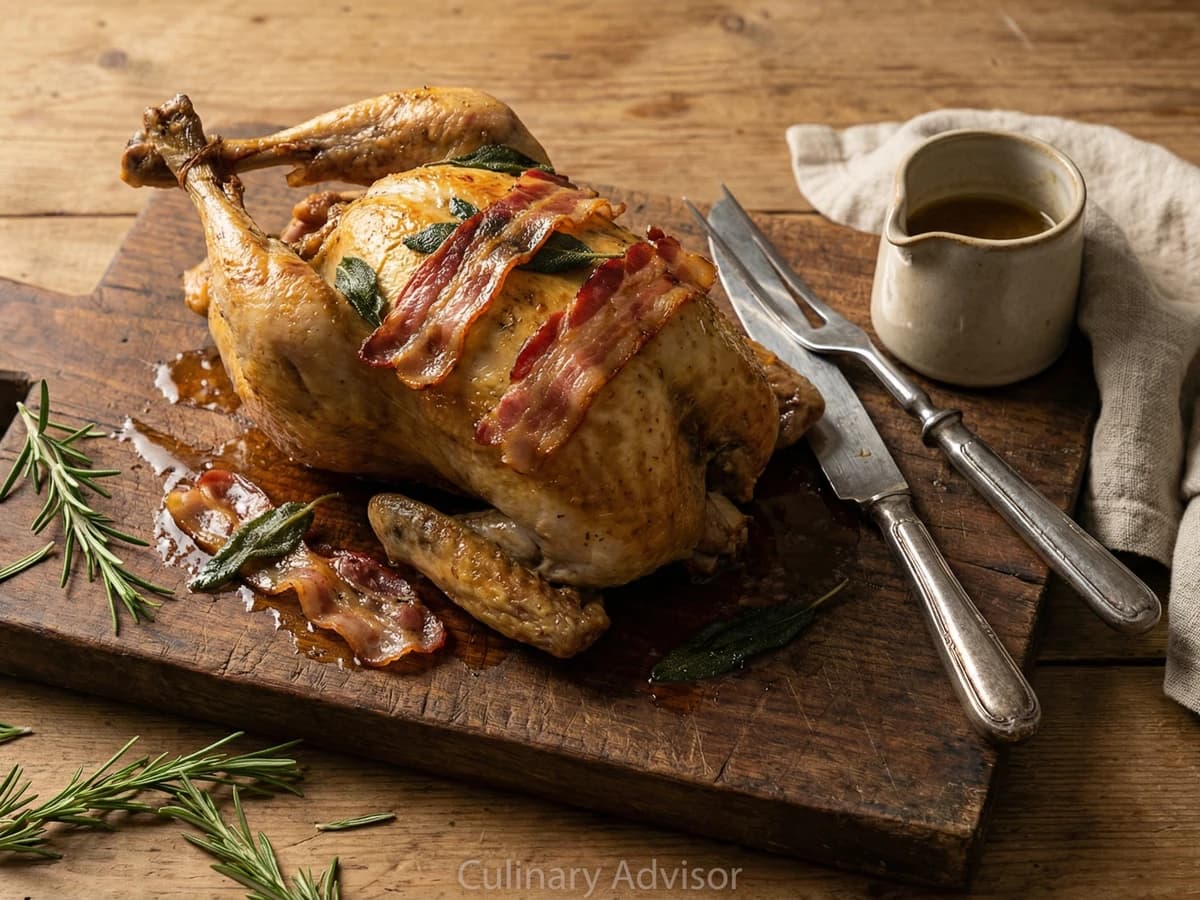
The noble guinea fowl of Tuscan farmhouses, wrapped in pancetta, perfumed with sage, roasted until the skin shatters and the meat stays moist. This is what Italians bring to the table when ordinary poultry will not serve.

Chef Graziella
The ancient grain of the Garfagnana, simmered with whatever the garden offers and finished with the green-gold olive oil that Tuscany produces better than anywhere else. Peasant food that sustained Roman legions and Tuscan farmers alike.