
Chef Takumi
Abura Soba (油そば, brothless ramen)
Abura soba is ramen without the hiding place of soup: hot noodles, strong shōyu tare, fragrant oil, and the discipline to mix while every strand is still hot.
A cooking platform built around craft, culture, and the stories behind what we eat.

Created by
Mori soba is a plain test: good buckwheat noodles, clear soy-dashi tsuyu, and a careful rinse. Dip only the lower third, and the soba stays clean and fragrant.
Mori soba looks almost too bare. Gray-brown noodles on bamboo, a cup of dark tsuyu, a little scallion and wasabi. That's the dish. If the soba is dull, no decoration rescues it. If the buckwheat is good, the meal is already halfway made.
The one detail that decides it comes after boiling. Wash the noodles. Not a polite rinse, a proper washing with your hands under cold water until the surface starch is gone and the strands feel clean. Then chill them hard and drain them well. Cold soba shows every bit of care on its surface, so a sticky noodle tastes like a rule you skipped.
The tsuyu is concentrated because it isn't soup. We dip the bottom third, lift, and slurp, which sounds less ceremonial than people expect and works better than ceremony. The small dip seasons the bite without drowning the buckwheat. Dunk the whole bundle and you've made the sauce the master. That isn't mori soba's way.
In summer this is quick food, cool and restrained, the sort of meal that asks you to slow down without making you work for it. In autumn, when shin-soba, new soba, arrives with its greener fragrance, the same plain serving becomes a little test of the season. The method, not the menu: boil, wash, chill, dip. Honmono is often that spare.
A 1574 document from Jōshōji temple in Nagano is often cited as the earliest known written reference to soba-kiri, buckwheat dough cut into noodles rather than stirred into paste. By the Edo period, soba shops distinguished mori soba, noodles piled on a tray and dipped, from bukkake soba, noodles with sauce poured over them. Zaru soba, named for a bamboo draining basket, later blurred with mori soba and often gained shredded nori, but plain mori keeps the buckwheat in view.
Quantity
200g
preferably hachi-wari, 80 percent buckwheat, or juwari, 100 percent buckwheat
Quantity
2 cups (480ml)
for dashi
Quantity
1 small piece (about 5g)
Quantity
10g
Quantity
1/4 cup (60ml)
Quantity
1/4 cup (60ml)
Quantity
2 teaspoons
Quantity
1
very thinly sliced
Quantity
1 to 2 teaspoons
freshly grated if possible
Quantity
as needed
for chilling the noodles
| Ingredient | Quantity |
|---|---|
| dried soba noodlespreferably hachi-wari, 80 percent buckwheat, or juwari, 100 percent buckwheat | 200g |
| cold waterfor dashi | 2 cups (480ml) |
| konbu (dried kelp) | 1 small piece (about 5g) |
| katsuobushi (bonito flakes) | 10g |
| koikuchi shōyu (dark soy sauce) | 1/4 cup (60ml) |
| mirin | 1/4 cup (60ml) |
| sugar | 2 teaspoons |
| scallionvery thinly sliced | 1 |
| wasabi (optional)freshly grated if possible | 1 to 2 teaspoons |
| ice waterfor chilling the noodles | as needed |
Wipe the konbu with a damp cloth, but don't wash it. Put it in the 2 cups cold water and warm slowly over medium-low heat, 8 to 10 minutes. Lift it out when the water trembles and small bubbles climb the sides of the pot, before a full boil. Boiling konbu pulls out bitterness and a slick edge, which would be rude in a sauce this plain.
Bring the konbu water just to a gentle boil, add the katsuobushi all at once, and turn off the heat. Leave it alone until the flakes sink, 2 to 3 minutes. Strain through a fine-mesh strainer lined with a clean cloth and let it drip on its own. Don't squeeze. Pressing the flakes drives strong, oily flavors into the stock, and this dish has nowhere to hide them.
Put the mirin and sugar in a small saucepan and warm until the sugar dissolves and the sharp smell of alcohol softens, about 1 minute. Add the shōyu and 1 cup of the dashi, then heat only until the surface trembles. Take it off the heat and chill it quickly in a cold-water bath. This tsuyu, the dipping sauce, should taste too strong to drink straight because it will season only the lower third of each bite.
Slice the scallion very thinly and grate the wasabi just before serving if you have fresh wasabi. Set a bamboo zaru or square seiro over a tray so the noodles can drain as they sit. A colander set over a shallow plate works at home. The point is simple: cold soba must not sit in a puddle.
Bring a large pot of unsalted water to a rolling boil. Add the soba and stir once so the strands separate, then cook according to the package, usually 4 to 6 minutes. Taste early. The noodle should be tender with a little resistance, not chalky at the center. Before draining, reserve 1 cup of the cloudy cooking water, sobayu, for finishing the meal.
Drain the soba and rinse it under cold running water, rubbing the noodles gently between your hands until the water runs mostly clear and the strands feel clean. Then plunge them into ice water for 30 to 60 seconds. Washing removes the surface starch, and the cold firms the noodle. This is the detail that decides mori soba.
Drain the soba very well, lifting and shaking it lightly so water doesn't cling between the strands. Arrange it in three loose mounds on the zaru or seiro, built with a little height and with at least a third of the tray left open. Pressed-flat soba looks tired and holds water. Leave it room.
Pour the chilled tsuyu into small soba-choko cups and set the scallion and wasabi alongside. Stir in only a little condiment at a time. Pick up a small bundle of soba, dip just the lower third into the tsuyu, lift, and slurp. Dunk the whole bundle and the sauce takes over; dip lightly and the buckwheat stays the point. At the end, add hot sobayu to the remaining tsuyu and drink it as a quiet finish.
1 serving (about 310g)
Culinary guides, cultural storytelling, and the editorial depth that makes cooking meaningful.
Discover Culinary ExplorerChef Takumi
Abura soba is ramen without the hiding place of soup: hot noodles, strong shōyu tare, fragrant oil, and the discipline to mix while every strand is still hot.
Chef Takumi
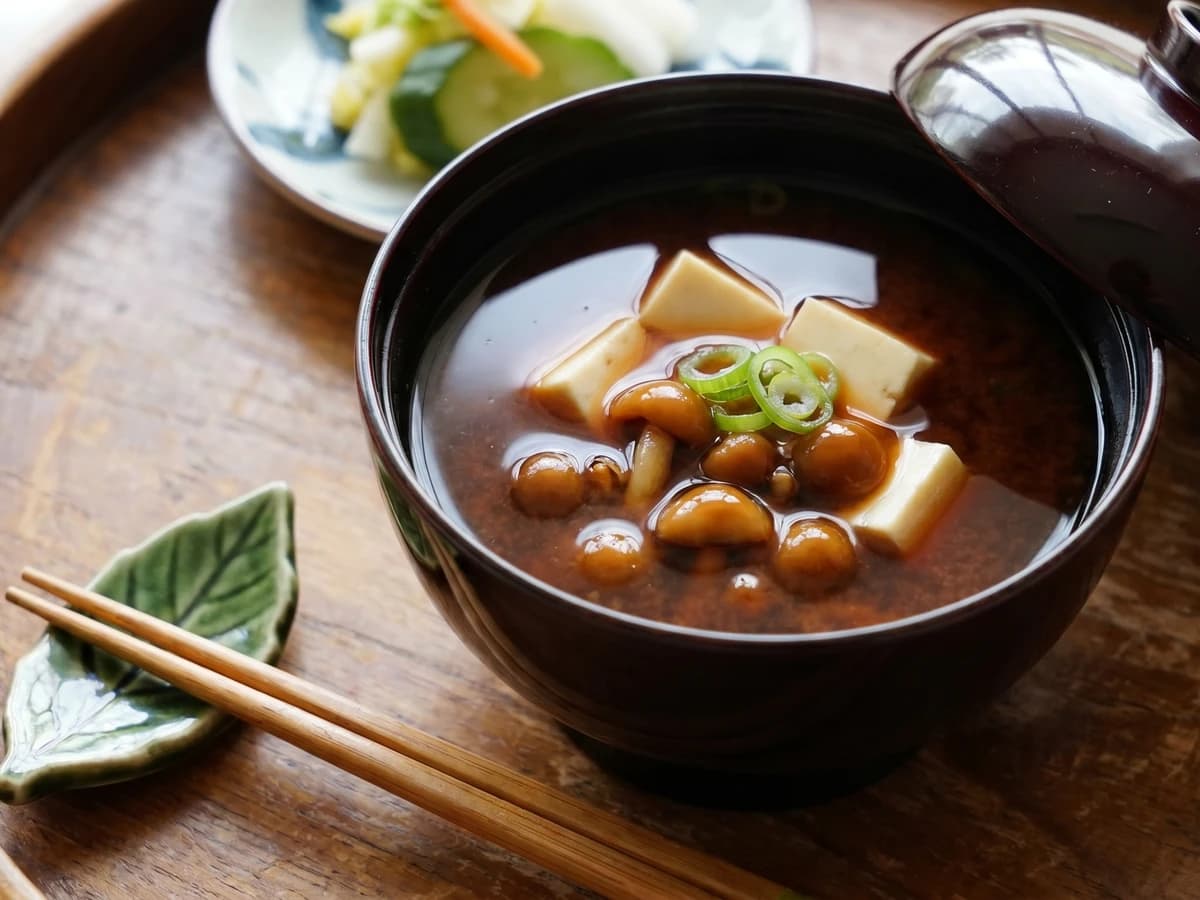
Akadashi asks you to trust the dark miso. Build a clear dashi, loosen the Hatchō mame-miso gently, and the soup turns coffee-dark, savory, and clean.

Chef Takumi
Toast the rice until its skin is firm, then let it meet chicken broth, burdock, maitake, and seri. The pot looks grand, but the work is rice, broth, and patience.
Chef Takumi
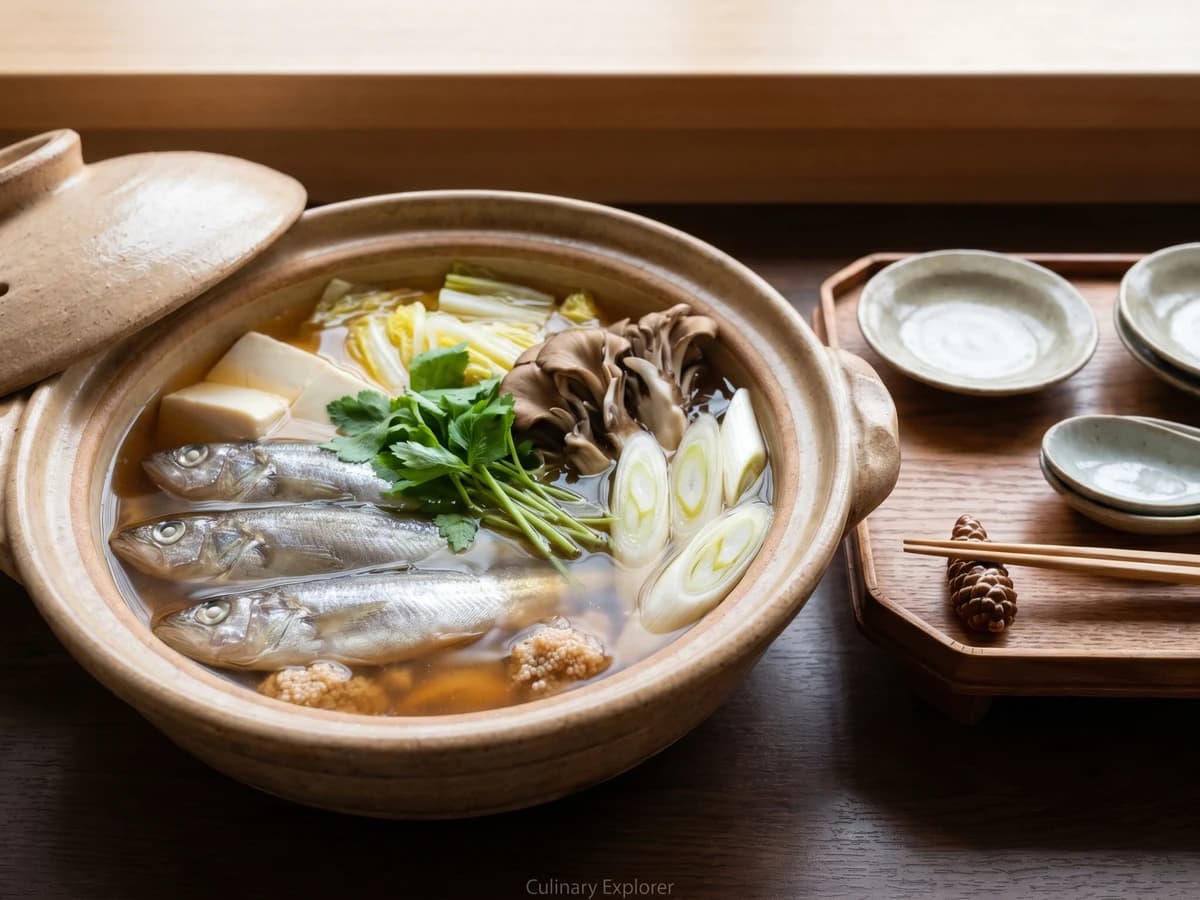
Shottsuru nabe is Akita winter in one pot: clean dashi, hatahata at shun, tofu and napa cabbage carrying a salt-deep broth without anything heavy enough to hide the fish.