
Chef Makoa
Chicken Hekka (Hawaiʻi Local Plantation-Style Chicken Sukiyaki)
Hawaiʻi Local chicken hekka, the plantation-camp cousin of Japanese sukiyaki, with tender chicken, long rice, shiitake, bamboo shoots, and sweet shoyu gravy for rice.
A cooking platform built around craft, culture, and the stories behind what we eat.
Created by
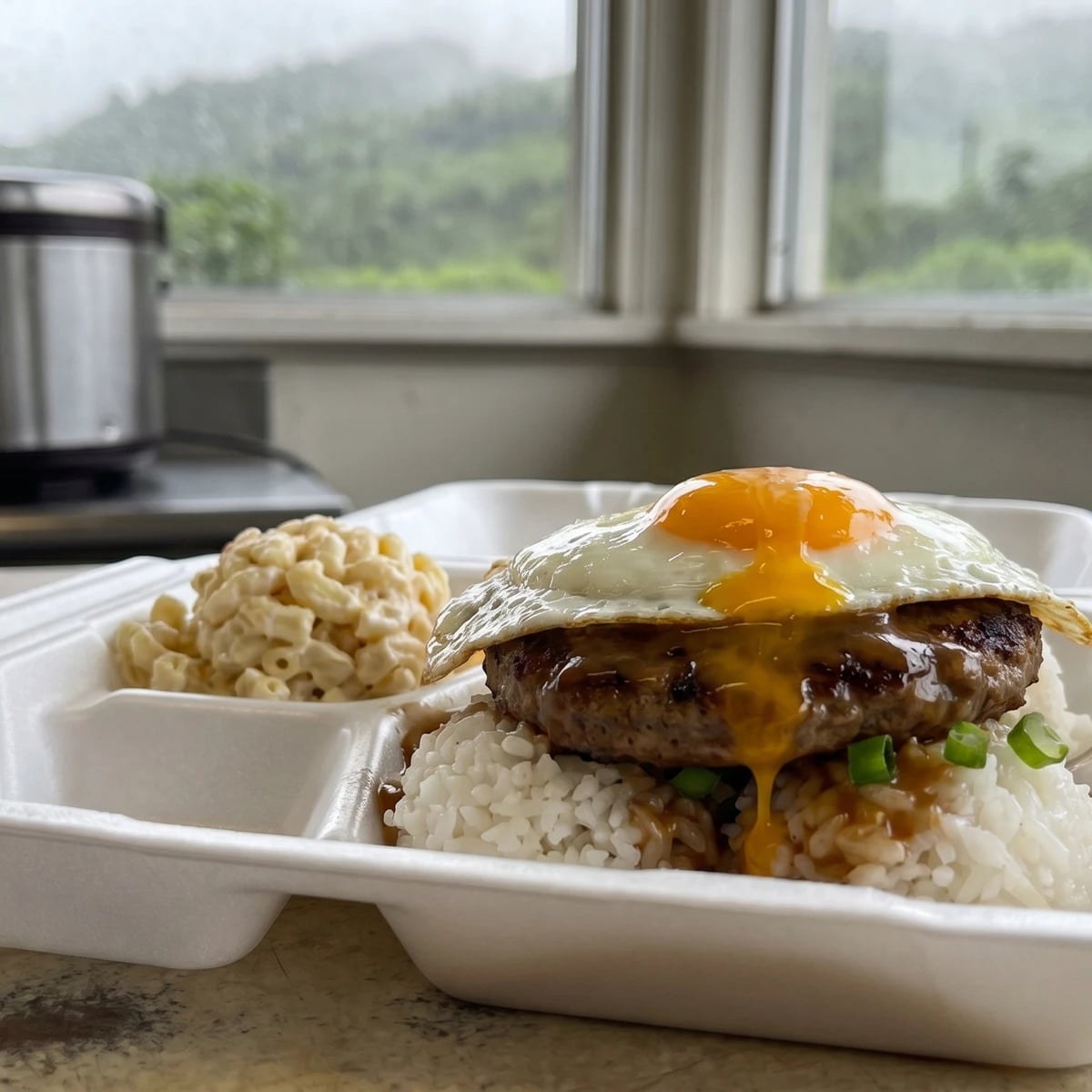
Hilo's Hawaiʻi Local comfort plate: two scoops rice, a loose hamburger patty, glossy brown gravy, and a fried egg whose yolk runs into everything, with mac salad riding beside.
Papa Kainoa used to tap the table when somebody looked down at humble food: Eat what you have. Loco moco sits right there, humble and stubborn, rice under beef under egg under gravy, and no shame in any layer. This dish belongs to Hawaiʻi Island, to Hilo, to the wet green side where the rain works the roofs and the old sugar roads still remember who labored there.
This is Hawaiʻi Local food, not an old Hawaiian ceremonial dish, and that's not a put-down. Deep food is one half of the table: kalo, ʻulu, imu, laulau, poke. Local food is the other half, born from plantation camps, diners, lunch wagons, and home kitchens where Hawaiian, Japanese, Chinese, Portuguese, Korean, Filipino, Puerto Rican, and other hands cooked after long shifts. Across the Triangle, the cousins have their own living everyday plates too: Sāmoan sapasui (chop suey), Tongan corned beef and rice, Tahitian māʻa tinito (Chinese-style pork and beans), Māori boil-up in Aotearoa. Not one flavor. Not one blur. Each island feeding its people with what history put in the pantry.
So don't cook this precious. Cook it right. Rice soft from the cooker, beef browned enough to leave dark bits in the pan, gravy glossy from those drippings, egg set at the edges with the yolk ready to run, mac salad cool beside it. Two scoops, one scoop, one patty. No sides to negotiate. No blame the plate for being humble.
The loco moco is generally traced to 1949 at Lincoln Grill in Hilo, Hawaiʻi Island, where teenagers from the Lincoln Wreckers club asked Richard and Nancy Inouye for something cheap, fast, and filling. The early plate was rice, hamburger patty, and brown gravy, with the fried egg becoming the standard crown soon after. That makes it Hawaiʻi Local plantation-creole food, not pre-contact deep Hawaiian food: rice, beef, eggs, shoyu-seasoned gravy, and mac salad came through sugar-camp and diner kitchens where many peoples cooked next to each other.
Quantity
2 cups
uncooked, rinsed
Quantity
as needed
to the rice cooker's line
Quantity
8 ounces
Quantity
1 tablespoon
Quantity
3/4 cup
plus more as needed
Quantity
1/4 cup
Quantity
1/2 cup
grated
Quantity
2 tablespoons
grated, for mac salad
Quantity
1 teaspoon
Quantity
to taste
Quantity
to taste
Quantity
1 1/4 pounds
80/20
Quantity
1 tablespoon
Quantity
2 tablespoons
Quantity
1 small
thinly sliced, for gravy
Quantity
2 tablespoons
Quantity
2 cups
Quantity
1 tablespoon
Quantity
1 teaspoon
Quantity
4
Quantity
a small handful
thin sliced
| Ingredient | Quantity |
|---|---|
| medium-grain white riceuncooked, rinsed | 2 cups |
| waterto the rice cooker's line | as needed |
| elbow macaroni | 8 ounces |
| rice vinegar or apple cider vinegar | 1 tablespoon |
| mayonnaiseplus more as needed | 3/4 cup |
| whole milk | 1/4 cup |
| carrotgrated | 1/2 cup |
| oniongrated, for mac salad | 2 tablespoons |
| sugar | 1 teaspoon |
| kosher salt | to taste |
| freshly ground black pepper | to taste |
| ground beef80/20 | 1 1/4 pounds |
| neutral oil (optional) | 1 tablespoon |
| unsalted butter | 2 tablespoons |
| yellow onionthinly sliced, for gravy | 1 small |
| all-purpose flour | 2 tablespoons |
| beef stock | 2 cups |
| shoyu (soy sauce) | 1 tablespoon |
| Worcestershire sauce | 1 teaspoon |
| large eggs | 4 |
| green onion (optional)thin sliced | a small handful |
Rinse the rice until the water runs less cloudy, then cook it in the rice cooker with water to the proper line. Let it rest ten minutes after the cooker clicks over, then fluff it. Loco moco needs rice that can take gravy without turning to paste, soft but still standing up.
Boil the macaroni in salted water until tender, a little past firm, because Local mac salad shouldn't fight your teeth. Drain, toss while warm with the vinegar, and let it cool. Fold in mayonnaise, milk, grated carrot, grated onion, sugar, salt, and pepper until creamy. Chill it while you cook the beef.
Divide the beef into four loose patties, about five ounces each, and press a shallow dent in the center of each one. Season both sides with salt and pepper right before they hit the pan. Don't work the meat hard or the patty turns tight, and this plate already had enough hard work behind it.
Heat a 10 to 12-inch cast-iron skillet over medium-high heat. Add a little oil only if the pan needs it, then sear the patties until browned on both sides and cooked through, about 3 to 4 minutes per side, or 160F if you're measuring. Move the patties to a plate and keep every dark bit in the pan. That's your gravy talking.
Lower the heat to medium. Add the butter and sliced onion to the same pan and cook until the onion softens and the browned bits loosen. Sprinkle in the flour and stir until it smells nutty, about 1 minute. Whisk in the beef stock a little at a time, scraping the pan clean, then add shoyu and Worcestershire. Simmer until the gravy turns glossy and coats the back of a spoon. Taste for salt and pepper.
In a clean skillet, fry the eggs sunny-side up or over easy, whichever your table likes. The whites should be set and the yolks should still run into the rice. If you're feeding kids, elders, or anybody who needs a firm egg, cook the yolk through and no make a speech about it.
Put two scoops of rice on each plate. Lay one hamburger patty over the rice, spoon over the brown gravy, set a fried egg on top, then spoon a little more gravy so it shines over the egg and down the sides. Add one scoop of mac salad beside it, and scatter green onion only if you like. Plastic fork, hungry people, that's the whole thing.
1 serving (about 750g)
Culinary guides, cultural storytelling, and the editorial depth that makes cooking meaningful.
Discover Culinary Explorer
Chef Makoa
Hawaiʻi Local chicken hekka, the plantation-camp cousin of Japanese sukiyaki, with tender chicken, long rice, shiitake, bamboo shoots, and sweet shoyu gravy for rice.

Chef Makoa
Hawaiʻi's Local plate-lunch comfort: juicy chicken thigh in panko, fried crisp, sliced over white rice with mac salad and katsu sauce, the sugar-camp stove brought home.

Chef Makoa
A Hawaiʻi Local plate-lunch staple: tender seasoned beef patties smothered in onion brown gravy over two scoops rice, with mac salad alongside. The loco moco's plainspoken cousin, no egg needed.

Chef Makoa
North Shore Oʻahu shrimp-truck garlic shrimp, shells on and shining in butter, garlic, lemon, and paprika, piled over two scoops rice with mac salad nearby.