
Chef Lesia
Hrechka z Hrybamy (гречка з грибами, mushroom buckwheat)
Buckwheat is the color people mistake for dull until the mushrooms give it their black forest juices, the onion turns sweet, and every grain starts shining with green sunflower oil.
A cooking platform built around craft, culture, and the stories behind what we eat.

Created by
Flour and warm water sit overnight until the bowl smells like rye bread and orchard fruit, then the batter cooks into a glossy sweet-sour pudding. Almost nobody makes it now. We will.
The strange thing is that the sweetness arrives before the honey. Rye and buckwheat flour take boiling water, darken to the colour of wet clay, then sit warm under a towel until the bowl smells like bread crust, orchard apples, and something faintly beerish. By morning it has soured itself. Kvasha is not pretty in the polite way, but it is alive, and the first spoonful has that old sweet-sour pull you find in good rye bread and in a jar of kvasheni pomidory, fermented tomatoes, when it has just begun to fizz.
What decides the dish is the scald. Boiling water swells the grain and wakes the malted sweetness, but you must let it cool before the souring begins or you'll kill the very life you asked to help you. Modern flour can be timid, so I give it a spoon of active rye sourdough; Aunt Nadia would call that comedy, then ask whether it smells right. When it smells pleasantly sour, not sharp or rotten, cook it slowly until it sounds right: thick blips against the pot, a wooden spoon leaving a path, the spoon standing for a second before it slumps.
This is Left-bank food, not my southern steppe table by birth, so I come to it with respect and a notebook. It belongs to cold months, fasting tables, and houses where rye and buckwheat were not pantry accessories but the spine of the year. Serve it warm with honey and dried pears, or cold the next day when the sourness settles and the grain turns silkier. Make the big pot. Nearly lost dishes need witnesses.
Kvasha is an old Ukrainian cereal ferment recorded in nineteenth-century descriptions of Left-bank and Polissian home cooking, especially where rye, buckwheat, and malt sat closer to the stove than wheat flour. It was part porridge, part sour pudding, often made in the cold season and on lean days because grain, water, and time could do the work of milk or eggs. Industrial starches, factory cereals, and Soviet cookbook standardization pushed dishes like this out of everyday kitchens, which is why many Ukrainians know the word now before they have tasted the spoonful.
Quantity
180g
Quantity
90g
Quantity
2 tablespoons
Quantity
1/4 teaspoon, plus more to taste
Quantity
1 litre
Quantity
2 tablespoons
Quantity
120g
chopped
Quantity
250ml
Quantity
3 to 4 tablespoons, plus more to serve
Quantity
1 tablespoon
Quantity
up to 300ml
as needed while cooking
| Ingredient | Quantity |
|---|---|
| whole rye flour | 180g |
| buckwheat flour | 90g |
| rye malt flour or dark rye malt powder (optional) | 2 tablespoons |
| fine sea salt | 1/4 teaspoon, plus more to taste |
| boiling water | 1 litre |
| active rye sourdough starter (optional) | 2 tablespoons |
| dried pearschopped | 120g |
| hot water for soaking | 250ml |
| honey | 3 to 4 tablespoons, plus more to serve |
| unrefined sunflower oil (optional) | 1 tablespoon |
| extra hot wateras needed while cooking | up to 300ml |
Put the rye flour, buckwheat flour, malt if using, and salt into a large heatproof bowl. Pour in the boiling water slowly, whisking hard, until you have a thick batter the colour of wet clay. It will look plain at first, then the rye smell opens, dark and bready.
Leave the bowl uncovered until the batter is only warm, comfortable to hold a finger in, not hot. Stir in the rye sourdough starter if you're using it, cover loosely with a clean towel or lid, and leave in a warm room overnight. By morning it should smell pleasantly sour, like rye bread and apples left in a basket, with small bubbles at the edges.
Put the chopped dried pears in a small bowl and cover with the hot water while you get the pot ready. They should soften but keep their chew, and the soaking liquid will turn amber and smell faintly of uzvar, the Ukrainian dried fruit drink.
Scrape the soured batter into a heavy pot and set it over a low flame. Stir from the bottom with a wooden spoon, adding the pear soaking liquid little by little. At first it may look split and sulky, then it turns glossy and begins to move as one mass. Keep stirring until the raw flour smell is gone, the surface gives thick lazy blips, and the spoon leaves a path through the pot.
Stir in the soaked pears, honey, and sunflower oil if using. Taste. It should not taste like a nursery pudding; the sourness should still stand up, with the honey rounding its shoulders. Add a pinch more salt if it tastes flat, or another spoon of honey if your rye was especially sharp.
Cover the pot and let the kvasha settle for a few minutes before serving. Spoon it warm into bowls, with a thin shine of honey over the top, or let it cool and serve it the next day when the grain has tightened and the sourness has softened. Make a big pot. Nearly lost dishes need witnesses.
1 serving (about 220g)
Culinary guides, cultural storytelling, and the editorial depth that makes cooking meaningful.
Discover Culinary ExplorerChef Lesia
Buckwheat is the color people mistake for dull until the mushrooms give it their black forest juices, the onion turns sweet, and every grain starts shining with green sunflower oil.

Chef Lesia
Buckwheat is never grey if you treat it properly: toast it until it smells nutty, then fold it through onions gone sweet and glossy in green sunflower oil.
Chef Lesia
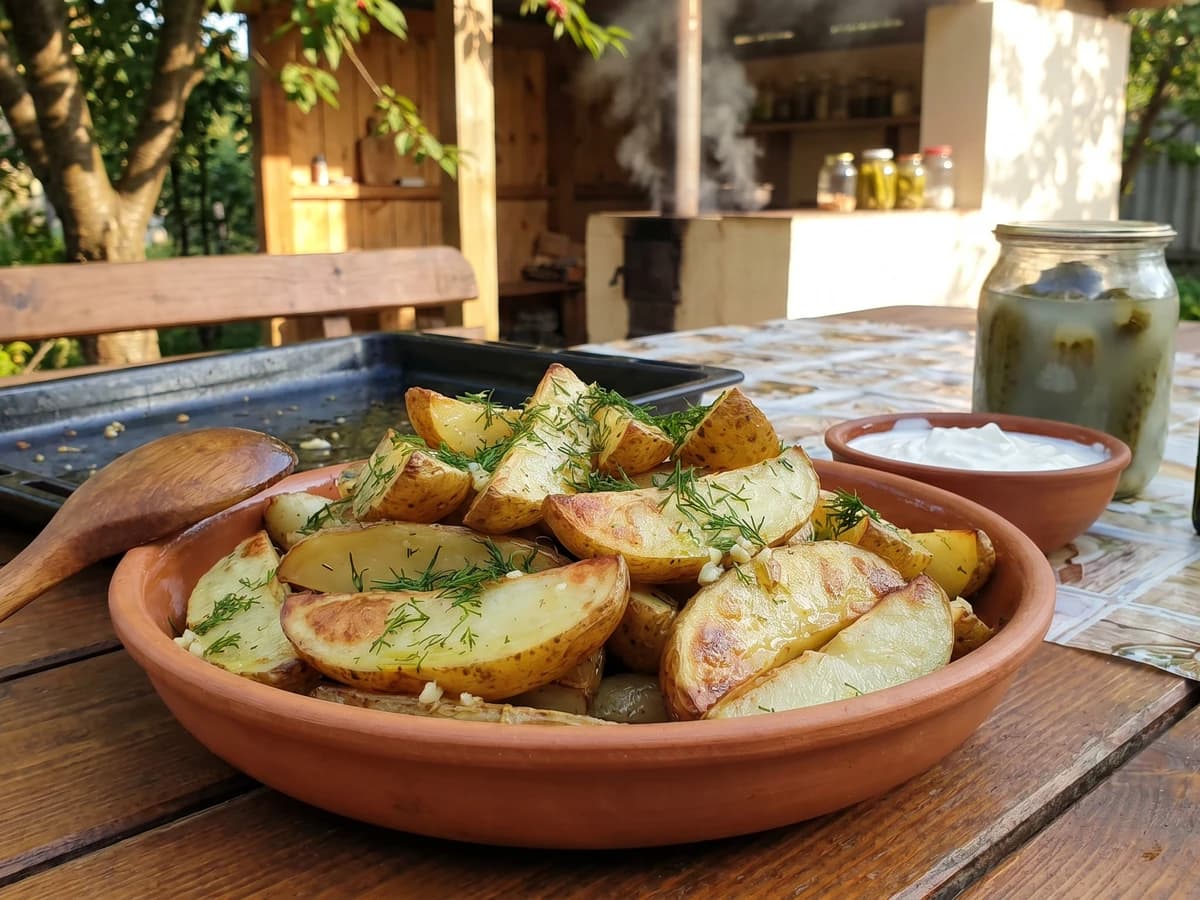
The trick is not the potato, it's the cracked edge: rough wedges roast until golden, then drink garlic, dill, and unrefined sunflower oil while still hot.

Chef Lesia
A pot of beans can smell like a forest floor after rain when dried mushrooms give up their dark broth and the smetana loosens everything into silk.