
Chef Lesia
Hrechka z Hrybamy (гречка з грибами, mushroom buckwheat)
Buckwheat is the color people mistake for dull until the mushrooms give it their black forest juices, the onion turns sweet, and every grain starts shining with green sunflower oil.
A cooking platform built around craft, culture, and the stories behind what we eat.

Created by
Buckwheat is never grey if you treat it properly: toast it until it smells nutty, then fold it through onions gone sweet and glossy in green sunflower oil.
Buckwheat tells on you by smell. Raw, it sits there dusty and shy; toasted, it wakes up all nutty and brown, with a dry little clicking sound in the pan that lets you know it has stopped being grain and started being supper.
This is the plate that saves a weeknight. Hrechka, buckwheat groats, cooks quickly, feeds many, and takes to onion like it was waiting for it all along. The onion is not a garnish here. It is the zasmazhka's poor cousin, slow-sweated until sweet and amber at the edges, then folded in at the end so the oil shines around each groat instead of disappearing into the pot.
My Aunt Nadia once wrote only, "fry the onion until it sounds right," which is both maddening and correct. Listen for the wet hiss to soften into a quiet sizzle, then smell for sweetness. That's your measurement.
Serve it beside mushrooms, cutlets, fermented tomatoes, or a spoon of smetana if the day has been mean. Make enough for eight guests or one hungry Ukrainian.
Buckwheat has grown across Ukrainian lands for centuries, especially in Polissia and the forest-steppe, where its short season and tolerance for poorer soils made it a reliable household grain when wheat was less forgiving. In the southern steppe, this simple version takes on the region's signature fat: unrefined sunflower oil, pressed green-gold and nutty, which spread widely through Ukrainian kitchens in the nineteenth century. Soviet canteens made buckwheat look plain and institutional, but at home it stayed what it had always been: quick, generous food with onions doing the real work.
Quantity
300g
rinsed briefly and drained well
Quantity
600ml
Quantity
2 large
thinly sliced
Quantity
3 tablespoons
Quantity
30g
Quantity
1
Quantity
1 teaspoon, plus more to taste
Quantity
to taste
freshly ground
Quantity
small handful
chopped
Quantity
to serve
| Ingredient | Quantity |
|---|---|
| toasted buckwheat groatsrinsed briefly and drained well | 300g |
| water or light vegetable stock | 600ml |
| onionsthinly sliced | 2 large |
| unrefined sunflower oil | 3 tablespoons |
| butter (optional) | 30g |
| bay leaf | 1 |
| fine sea salt | 1 teaspoon, plus more to taste |
| black pepperfreshly ground | to taste |
| dill (optional)chopped | small handful |
| smetana (optional) | to serve |
Set a dry heavy pan over medium heat and add the drained buckwheat. Stir until the groats darken a shade, smell like toasted nuts, and make a dry clicking sound against the pan. If your buckwheat is already roasted and smells good from the packet, just warm it through; you're waking it, not scorching it.
Tip the toasted hrechka into a saucepan with the water or stock, bay leaf, and salt. Bring it to a lively boil, then cover and lower the heat until you hear only the smallest murmur under the lid. Cook until the liquid has disappeared and the groats are tender but still separate, then take the pan off the heat and leave it covered to rest.
While the grain rests, warm the sunflower oil in a wide pan and add the onions with a pinch of salt. Cook them slowly, stirring often, until the sharp onion smell turns sweet, the edges turn amber, and the oil looks glossy and golden around them. Add the butter at the end if you're using it, letting it melt into the onions.
Remove the bay leaf, fluff the buckwheat with a fork, and fold it into the onion pan. Don't mash it. Turn everything gently until the groats are coated in the onion oil and the pan sounds dry again, not wet. Taste for salt and pepper.
Scatter with dill if you want that green lift, or leave it plain and honest. Serve warm in a deep bowl, with fermented tomatoes, mushrooms, cutlets, or a cold spoon of smetana. Leftovers fry beautifully the next day until the edges go crisp under your teeth.
1 serving (about 200g)
Culinary guides, cultural storytelling, and the editorial depth that makes cooking meaningful.
Discover Culinary ExplorerChef Lesia
Buckwheat is the color people mistake for dull until the mushrooms give it their black forest juices, the onion turns sweet, and every grain starts shining with green sunflower oil.
Chef Lesia
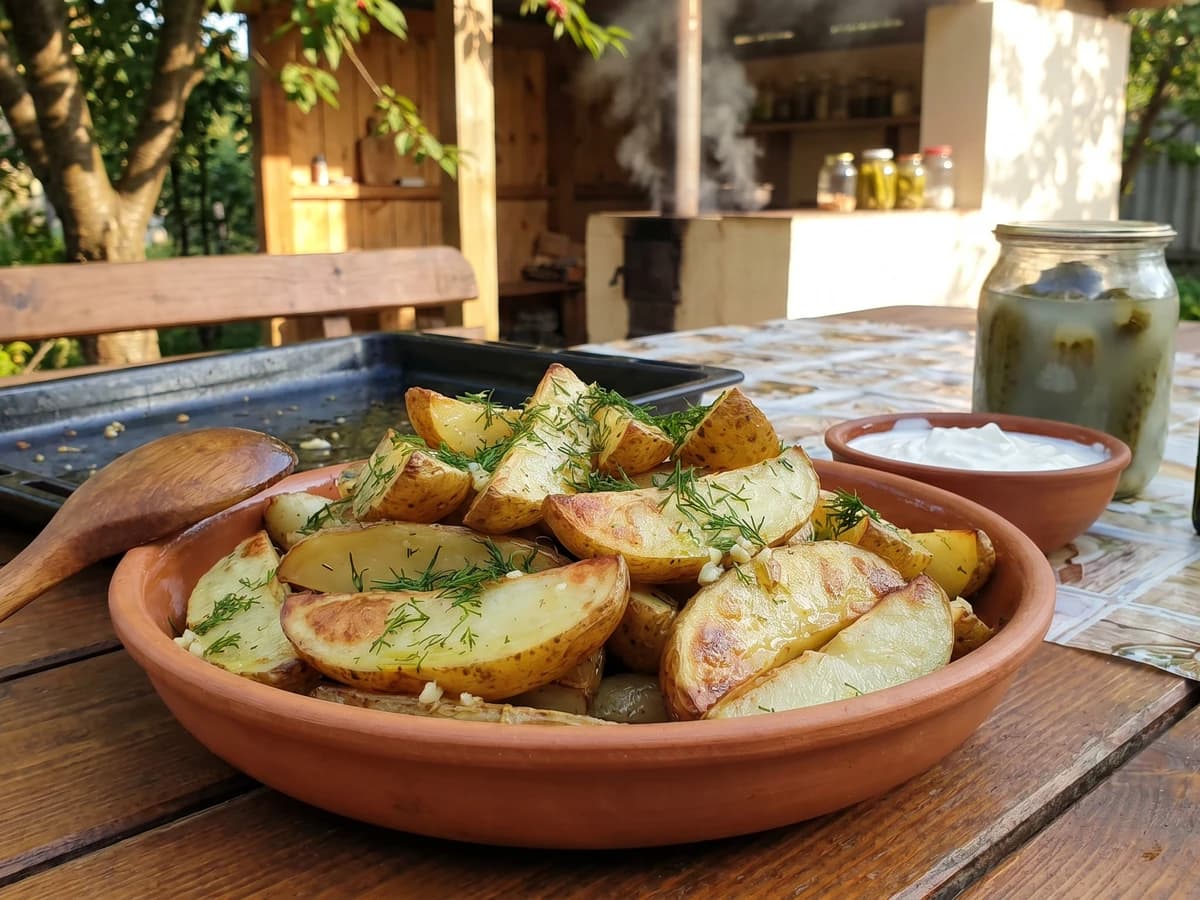
The trick is not the potato, it's the cracked edge: rough wedges roast until golden, then drink garlic, dill, and unrefined sunflower oil while still hot.

Chef Lesia
Flour and warm water sit overnight until the bowl smells like rye bread and orchard fruit, then the batter cooks into a glossy sweet-sour pudding. Almost nobody makes it now. We will.

Chef Lesia
A pot of beans can smell like a forest floor after rain when dried mushrooms give up their dark broth and the smetana loosens everything into silk.