
Chef Makoa
Dough Boys (Māori Boil-Up Dumplings from Aotearoa)
Soft Māori boil-up dumplings from Aotearoa, dropped over pork, kūmara, and pūhā so they steam tender on top and drink in the broth underneath.
A cooking platform built around craft, culture, and the stories behind what we eat.
Created by
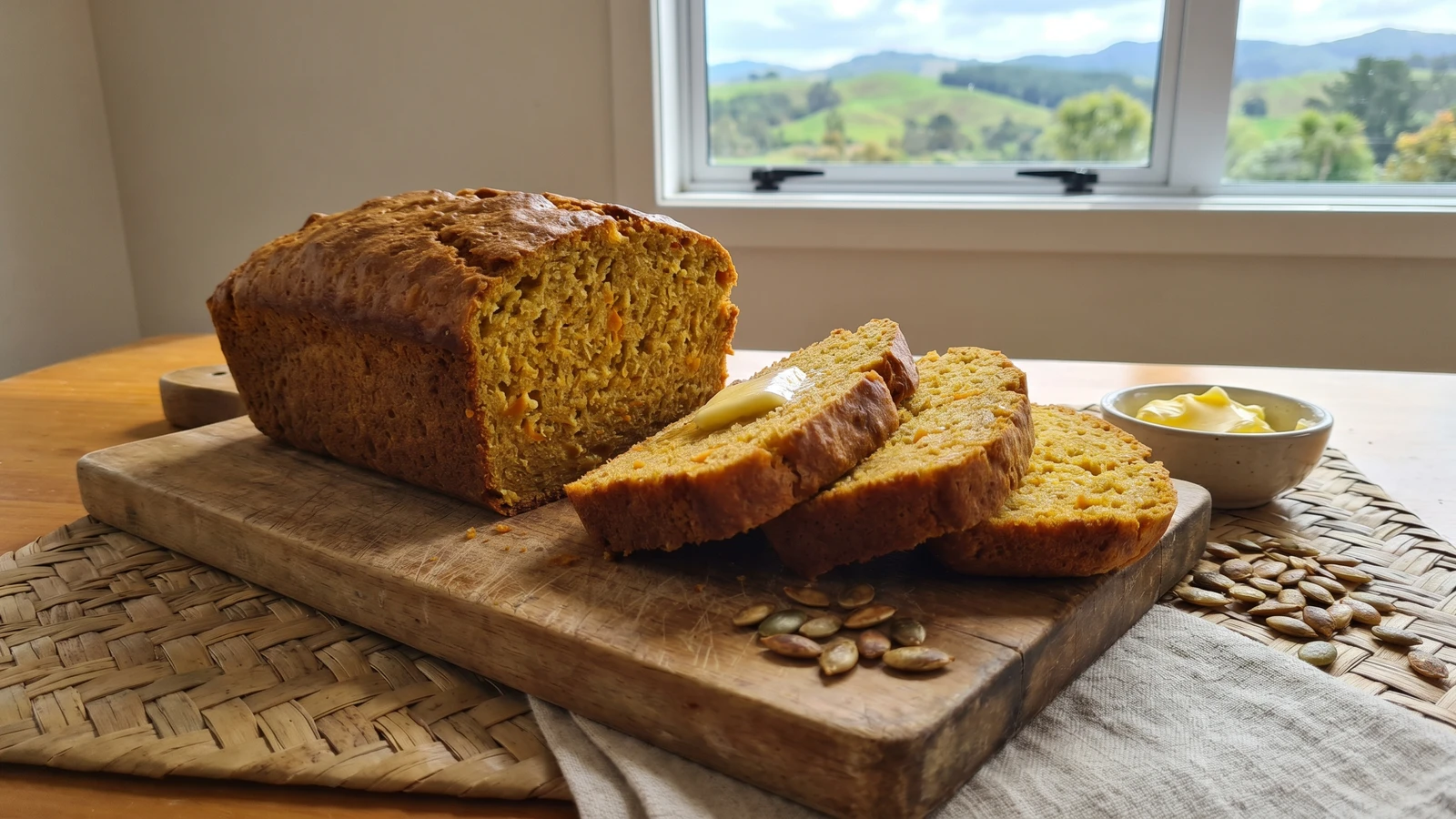
Māori kūmara, the sweet potato of Aotearoa, folded into a soft quick bread with a tender crumb, a little sweetness, and enough loaf for the whānau table.
The canoe carried more than bodies. It carried memory, seed, hunger, and the stubborn hope that a people could land somewhere cold and still feed the children. In Aotearoa, the Māori homeland at the south of the Triangle, kūmara, the sweet potato, became that kind of relative. Not taro here. Kūmara. The starch that learned the colder ground and stayed close to the people.
I didn't learn this one from my own Hawaiian board. This is kai Māori, Māori food, so I cook it open-handed and with respect for whose table it comes from. The deep tikanga, the customs of the marae, the meeting ground, and the tangi, the mourning gathering, belong to Māori elders and tradition-bearers. They should teach those parts. What I can do is help you bring the kūmara into a home loaf, warm and real, the way families keep old foods alive inside new kitchens.
Across the ocean the sweet potato has cousins by name: ʻuala in Hawaiʻi, kumara on Rapa Nui, kūmara in the Cooks, kumala in Tonga, umala in Sāmoa. Same root moving through different hands. One ocean, one canoe, one root. Here the Māori hand folds mashed kūmara into parāoa, bread, a wheat-era loaf that still remembers the older crop underneath it.
So don't treat the mash like filler. Cook it until it gives. Let it cool. Fold it soft. This bread should come out dense and moist, the kind you slice thick and carry to a potluck, a whānau kitchen, or a work lunch without making a big speech about it. Deep food can live inside ordinary food too. That's how it survives.
Kūmara arrived in Aotearoa with Polynesian voyagers and had to be carefully adapted to a colder climate through raised gardens, storage pits called rua kūmara, and seasonal knowledge held by Māori communities. Wheat flour and parāoa, bread, came after European contact in the nineteenth century, and Māori cooks folded new pantry goods into older foodways rather than letting the older crops disappear. Kūmara bread sits in that meeting place: not an ancient pre-contact loaf, but a living Māori kitchen form that keeps the canoe crop present in the wheat era.
Quantity
1 1/2 cups
cooled
Quantity
1 3/4 cups
Quantity
1/2 cup
Quantity
2 teaspoons
Quantity
1/2 teaspoon
Quantity
1 teaspoon
Quantity
1/2 teaspoon
Quantity
3/4 teaspoon
Quantity
2
Quantity
1/2 cup
Quantity
1/3 cup
Quantity
1 teaspoon
Quantity
1/2 cup
chopped
| Ingredient | Quantity |
|---|---|
| cooked mashed kūmara (Māori sweet potato)cooled | 1 1/2 cups |
| all-purpose flour | 1 3/4 cups |
| light brown sugar | 1/2 cup |
| baking powder | 2 teaspoons |
| baking soda | 1/2 teaspoon |
| ground cinnamon | 1 teaspoon |
| ground ginger | 1/2 teaspoon |
| fine sea salt | 3/4 teaspoon |
| large eggs | 2 |
| neutral oil or melted butter | 1/2 cup |
| whole milk | 1/3 cup |
| vanilla extract | 1 teaspoon |
| walnuts or toasted pumpkin seeds (optional)chopped | 1/2 cup |
Bake or steam the kūmara until a knife slides through without a fight, then mash it smooth and let it cool. Don't rush hot mash into the batter, or the eggs tighten and the loaf goes heavy in the wrong way. The kūmara should feel soft, thick, and a little sweet under the spoon.
Heat the oven to 350F. Grease a 9 by 5-inch loaf pan and line it with a strip of parchment so the bread lifts out clean. This is weeknight parāoa, bread, so no need make it precious. Just give it a clean place to rise.
Whisk the flour, brown sugar, baking powder, baking soda, cinnamon, ginger, and salt in a wide bowl until no pockets of soda or spice remain. The dry bowl should look even and sandy, with the spice carried all through it.
In another bowl, whisk the cooled mashed kūmara with the eggs, oil or melted butter, milk, and vanilla until the mixture loosens and turns glossy. A few small orange-gold flecks are fine. Eat what you have, yeah? The loaf doesn't need to be perfectly smooth to be good.
Pour the wet bowl into the dry bowl and fold gently until the last streaks of flour disappear. If you're using walnuts or pumpkin seeds, fold them in at the end. Stop there. Overmixing makes a tough loaf, and this bread wants to sit soft on the table.
Scrape the batter into the pan, smooth the top, and bake 55 to 65 minutes, until the loaf is deep golden, the top springs back lightly, and a skewer comes out clean or with a few moist crumbs. If the top browns too fast, tent it loosely with foil for the last stretch.
Let the loaf rest in the pan for 15 minutes, then lift it out and cool until just warm before slicing. The crumb should be dense and tender, not cakey, with the kūmara holding moisture through the middle. Serve thick slices plain, buttered, or with tea at the whānau table.
1 serving (about 105g)
Culinary guides, cultural storytelling, and the editorial depth that makes cooking meaningful.
Discover Culinary ExplorerChef Makoa
Soft Māori boil-up dumplings from Aotearoa, dropped over pork, kūmara, and pūhā so they steam tender on top and drink in the broth underneath.

Chef Makoa
Māori rēwena parāoa from Aotearoa, raised by a living kūmara bug instead of commercial yeast, folded with mashed sweet potato and wholemeal until the loaf bakes tangy, tender, and ready for a shared table.
Chef Makoa
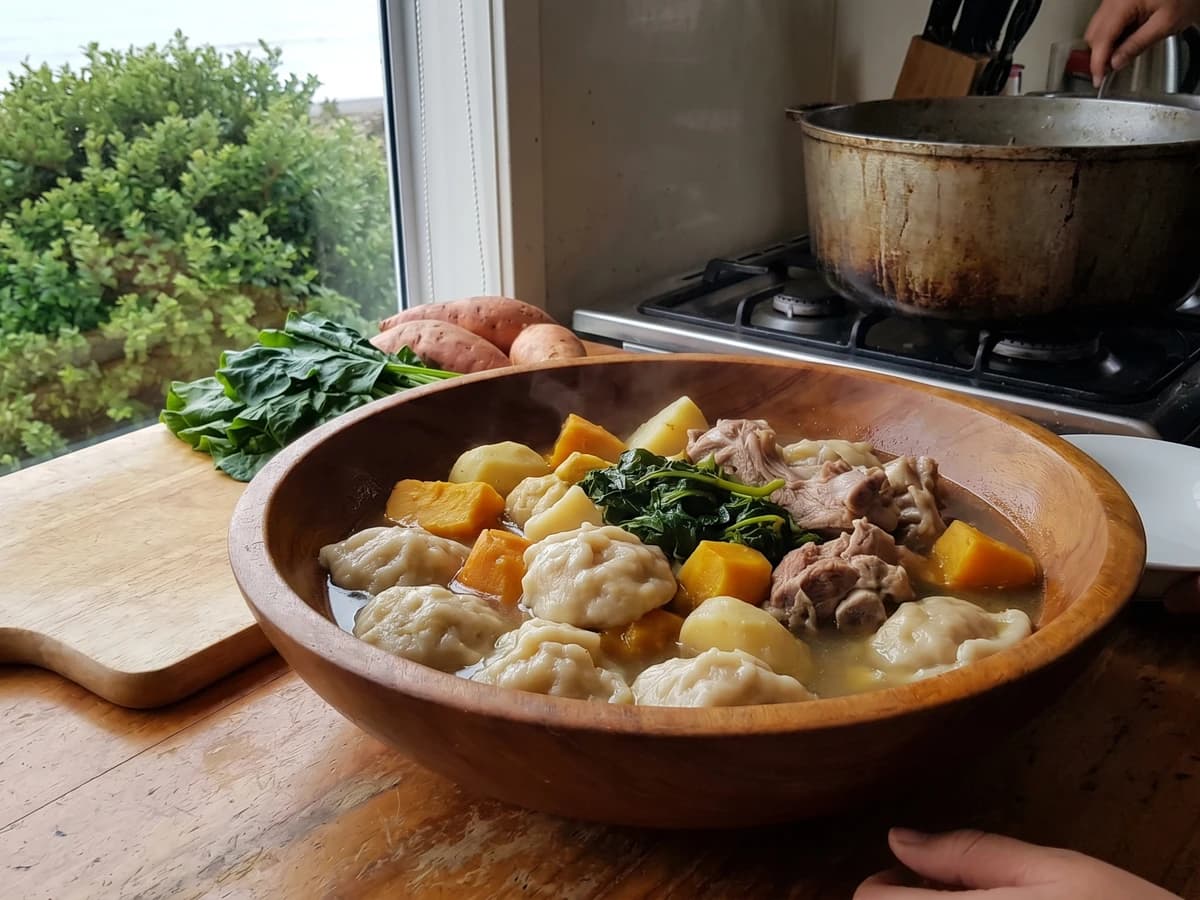
Soft Māori doughboys dropped into the boil-up pot, where flour, fat, and broth turn into tender motumotu beside pork bones, kūmara, and greens from Aotearoa.
Chef Makoa
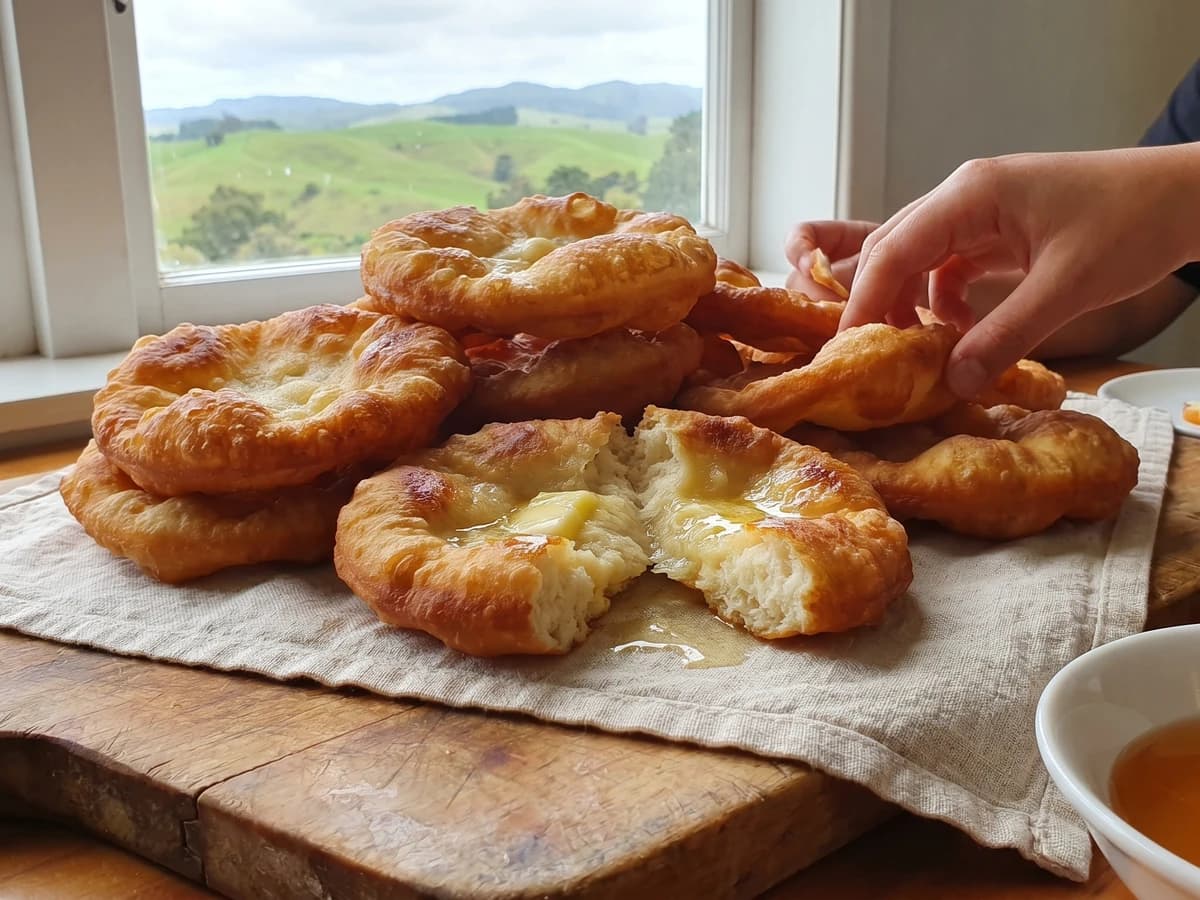
Aotearoa's parāoa parai is kai Māori for the marae table and the whānau kitchen, risen dough fried golden, split warm, and eaten with butter.