Culinary Explorer
A cooking platform built around craft, culture, and the stories behind what we eat.
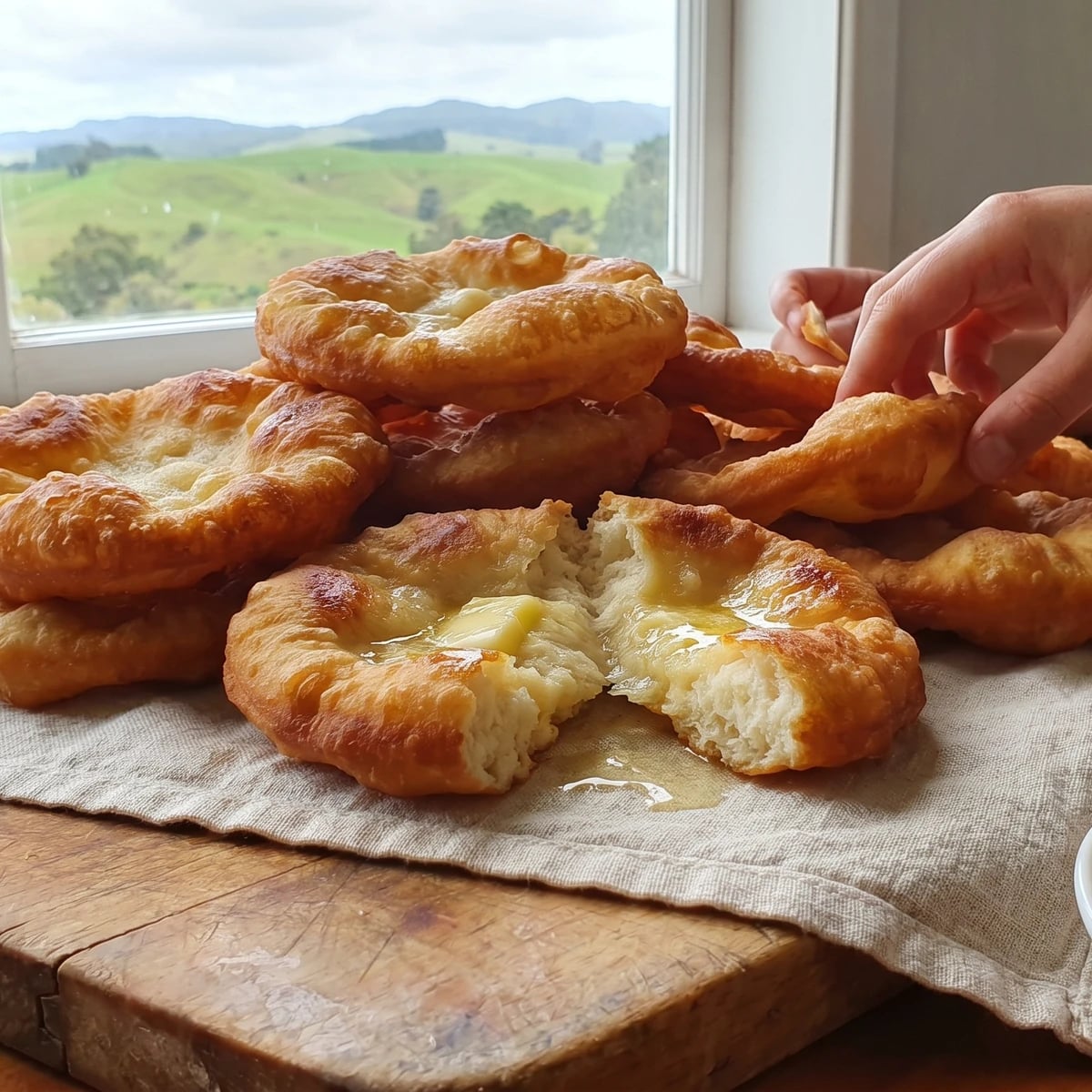
Parāoa Parai (Māori Fry Bread)
Created by Chef Makoa
Aotearoa's parāoa parai is kai Māori for the marae table and the whānau kitchen, risen dough fried golden, split warm, and eaten with butter.
A table teaches you who you belong to. In Aotearoa, parāoa parai, Māori fry bread, belongs to the whānau, the extended family, passing a hot piece hand to hand at a marae hākari, a feast, or after the long work of a tangi, a funeral. This is kai Māori, Māori food, and I cook it open-handed, because the deep tikanga, the protocols and meanings of the marae, are for Māori elders and tradition-bearers to teach.
This bread is not an old canoe crop like kūmara, the sweet potato, or kānga, corn, and I won't pretend it is. Flour came later, and the people still made it feed the family. That's how island food lives. Same ocean, many tables. Sāmoa has panikeke, Tonga has keke, Hawaiʻi has its own plantation breads and malasadas from Portuguese hands, and Aotearoa has this parāoa parai, flattened by palm and fried until the outside goes golden and the middle stays soft.
Keep it unfussy. Let the dough rise until it feels alive under your hand, cut it big enough for sharing, and fry it in clean fat that is hot but not angry. If the bread browns too fast and stays raw inside, no blame the dough. The fire was rushing. Eat what you have, pass the butter, and leave room for one more at the table.
Ingredients
all-purpose flour
Quantity
4 cups
plus more for dusting
instant yeast
Quantity
2 teaspoons
sugar
Quantity
2 tablespoons
| Ingredient | Quantity |
|---|---|
| all-purpose flourplus more for dusting | 4 cups |
| instant yeast | 2 teaspoons |
| sugar | 2 tablespoons |
Where cooking meets culture.
Culinary guides, cultural storytelling, and the editorial depth that makes cooking meaningful.
Discover Culinary Explorer