
Chef Takumi
Aji Fry (アジフライ, panko-fried horse mackerel)
Aji fry is weeknight fish with no mystery: fresh horse mackerel opened cleanly, breaded lightly, and fried until the panko crackles while the flesh stays sweet.
A cooking platform built around craft, culture, and the stories behind what we eat.

Created by
Kaki fry is cold-month comfort: oysters cleaned carefully, wrapped in panko, and fried just long enough for a crisp coat and a hot, sweet center.
Oysters are winter food. When they are at their shun, plump and cold from the water, kaki fry asks very little of them: a clean rinse, a dry surface, a panko coat, and a short swim in hot oil.
The fear is fair. An overcooked oyster turns tight and rubbery, and then everyone blames the oyster. The one detail that decides this dish is speed. Dry the oysters well so the coating grips, fry them in oil hot enough to set the panko at once, and lift them while the center is still tender and full of its own liquor.
This is yōshoku, Western-style food made Japanese by long use, and it belongs naturally beside shredded cabbage, lemon, and a spoon of tartar sauce. Nothing heavy, nothing hidden. The sauce is there to brighten, not bury. Buy good oysters and protect them from the moment they leave the bowl. Most of the work is restraint, which is always harder to market than it is to do.
Kaki fry belongs to yōshoku, the Japanese style of Western-derived cooking that took shape after the Meiji Restoration of 1868, when breaded cutlets and deep-fried dishes entered urban dining. By the early twentieth century, restaurants serving tonkatsu and other furai dishes helped make panko-coated frying part of everyday Japanese food. Oysters from cold-water regions such as Hiroshima, Miyagi, and Hokkaidō are especially associated with the dish, and it remains a standard winter plate.
Quantity
20 large
shucked, liquor drained
Quantity
2 teaspoons
for washing
Quantity
2 tablespoons
grated, for cleaning
Quantity
1/2 cup
Quantity
2
beaten
Quantity
2 cups
Quantity
for deep-frying
Quantity
4 cups
finely shredded
Quantity
1
cut into wedges
Quantity
1 cup
for serving
Quantity
for serving
| Ingredient | Quantity |
|---|---|
| fresh oystersshucked, liquor drained | 20 large |
| saltfor washing | 2 teaspoons |
| daikon radish (optional)grated, for cleaning | 2 tablespoons |
| all-purpose flour | 1/2 cup |
| large eggsbeaten | 2 |
| fresh panko | 2 cups |
| neutral oil | for deep-frying |
| cabbagefinely shredded | 4 cups |
| lemoncut into wedges | 1 |
| Japanese-style tartar saucefor serving | 1 cup |
| tonkatsu sauce (optional) | for serving |
Put the oysters in a bowl with the salt and the grated daikon if using. Turn them gently with your fingers, then rinse in two or three changes of cold water until the water is no longer gray. The salt and daikon lift grit and slime without rubbing the oysters to pieces. Wash it twice, wash it thrice, but keep your hands light.
Lay the oysters on paper towels and pat them dry, especially around the folds. This is not fussing. If the surface is wet, the flour turns pasty, the egg slides, and the panko opens in the oil. A dry oyster keeps its coat.
Line up three shallow trays: flour, beaten egg, and panko. Dust each oyster lightly in flour, shake off the excess, dip it in egg, then press it gently into the panko. The flour gives the egg something to hold, and the panko gives the oyster a shell that protects the liquor inside.
Heat the oil in a heavy pot to 175°C to 180°C. If you don't have a thermometer, drop in a pinch of panko. It should rise at once with lively bubbles, not sink and soak. Hot oil sets the crust quickly, which is how the oyster stays tender.
Fry four or five oysters at a time for about two minutes, turning once, until the panko is deep golden and the bubbling quiets slightly. Don't crowd the pot. Crowding lowers the oil temperature, and then the coating drinks oil before it crisps.
Lift the oysters to a rack, not a flat towel, so air can pass underneath and the bottoms stay crisp. Serve at once with shredded cabbage, lemon wedges, tartar sauce, and a little tonkatsu sauce if you like. Bite carefully. A good kaki fry keeps its hot liquor inside, which is the whole victory.
1 serving (about 330g)
Culinary guides, cultural storytelling, and the editorial depth that makes cooking meaningful.
Discover Culinary ExplorerChef Takumi
Aji fry is weeknight fish with no mystery: fresh horse mackerel opened cleanly, breaded lightly, and fried until the panko crackles while the flesh stays sweet.
Chef Takumi
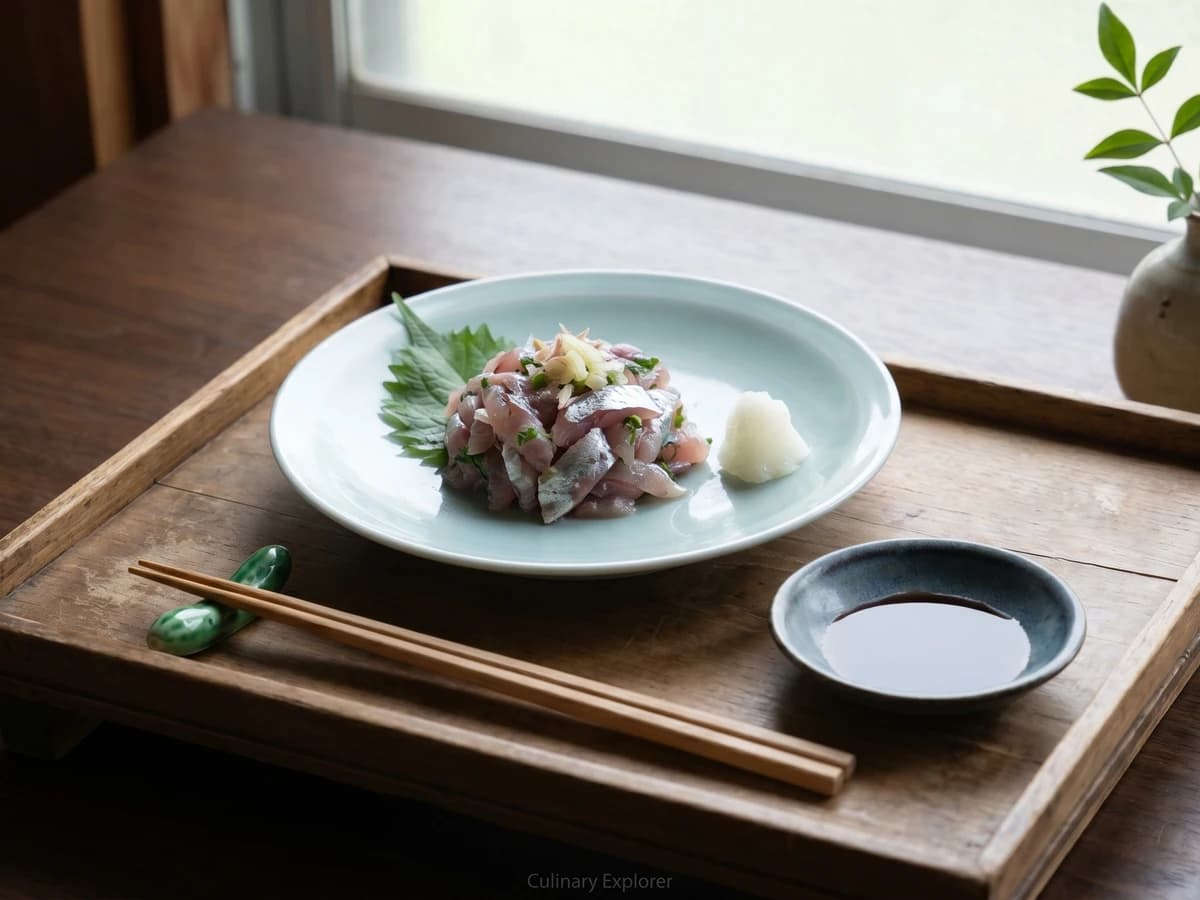
Summer horse mackerel, chopped just enough to catch ginger and scallion, becomes a cool, clean main dish with rice. The secret is fresh fish and a knife that does not bruise it.
Chef Takumi
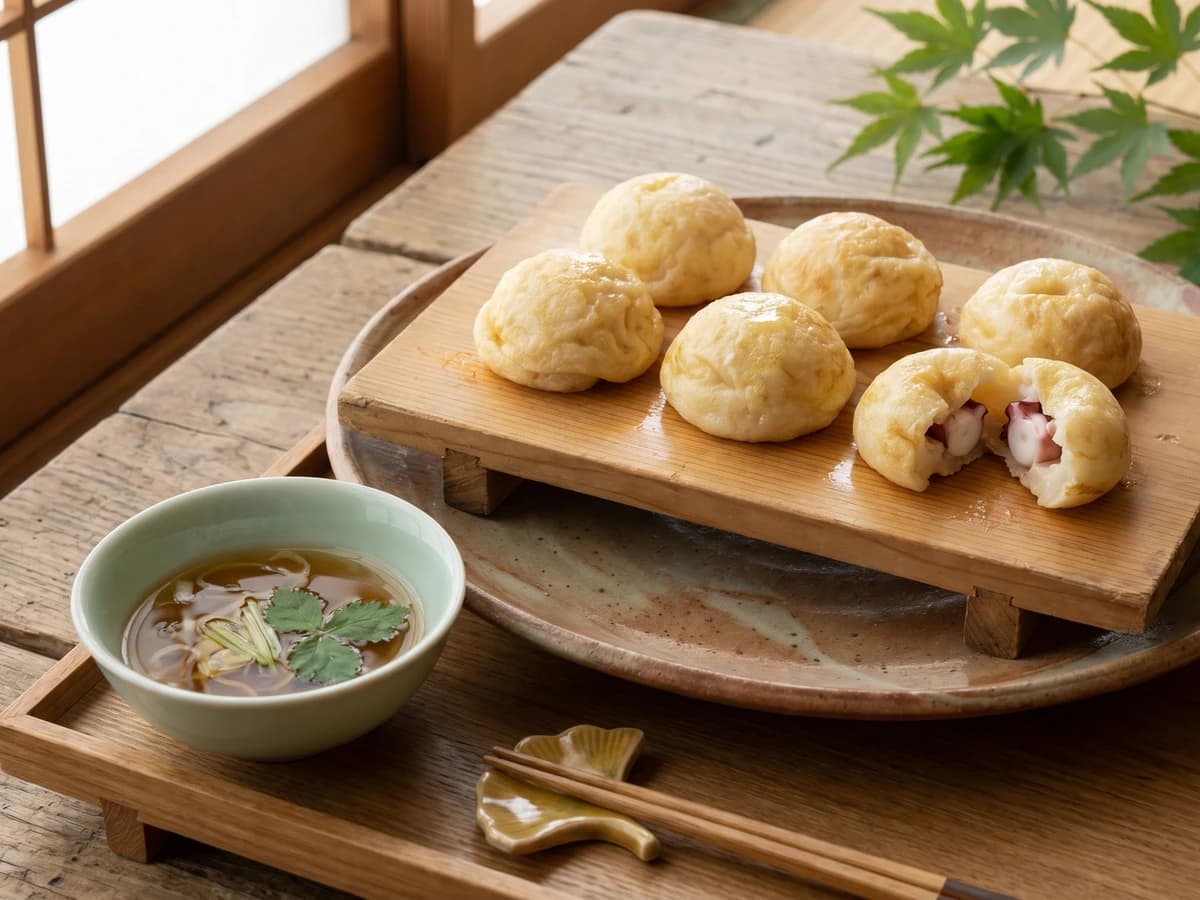
Akashi-yaki is not sauced takoyaki. It is egg-rich batter, tender octopus, and clear dashi, cooked pale and soft so each ball can be dipped like a small custard dumpling.

Chef Takumi
A whole anago looks like a test of nerve. It is mostly good sourcing, a dry skin, cold batter, and oil hot enough to leave the eel sweet under its lace.