Chef Graziella
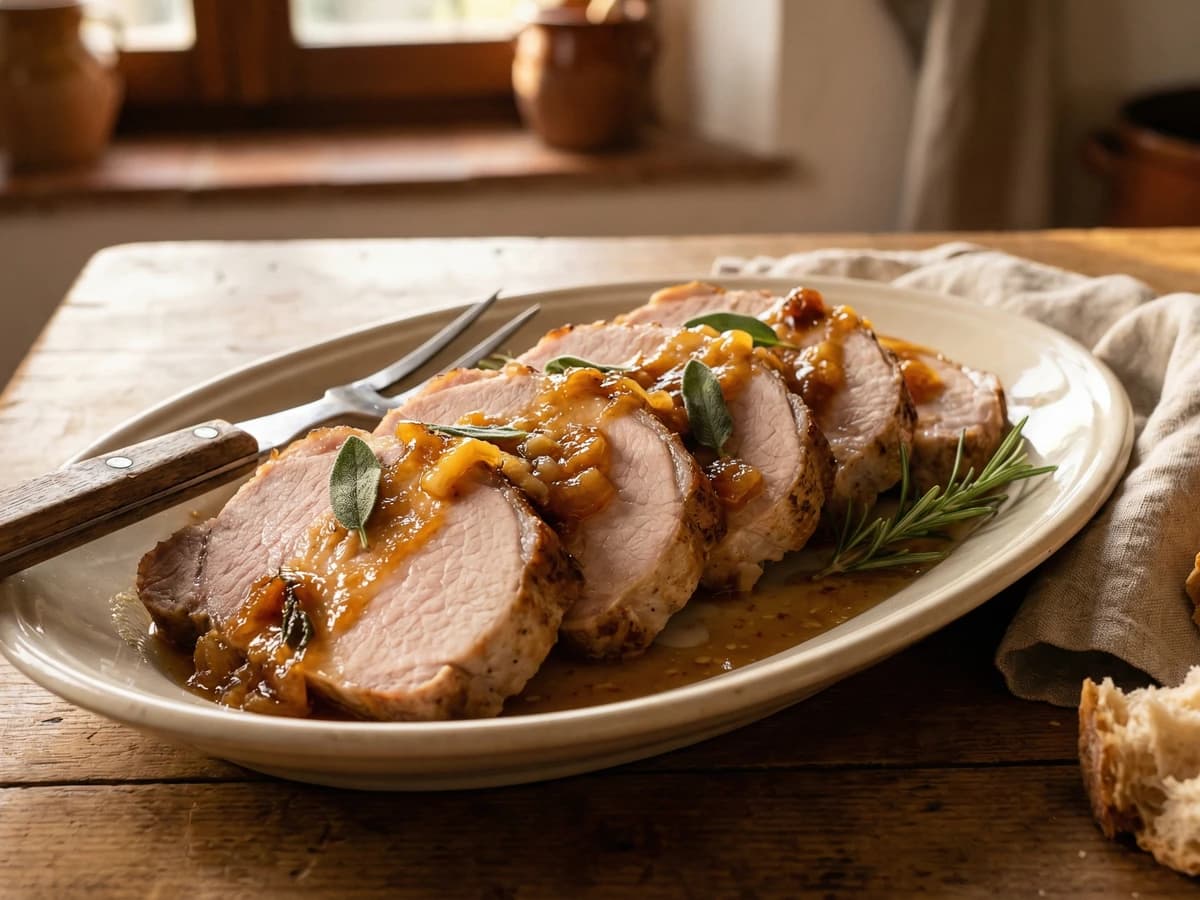
Arrosto di Maiale al Latte
Pork loin braised in milk until the liquid transforms into nutty, golden curds that cling to impossibly tender meat. The technique looks like failure and tastes like triumph.
A cooking platform built around craft, culture, and the stories behind what we eat.

Created by
The beloved pasta of Bolognese trattorias, where curly hollow tubes catch crumbled sausage and cream in every bite. A dish that proves the best weeknight cooking comes from restraint, not excess.
Gramigna means couch grass, that stubborn weed that creeps through gardens and refuses to be pulled. The pasta takes its name from its shape: short hollow tubes that curl and twist like the roots of a weed. This is not a glamorous origin. It is an honest one.
In the trattorias of Bologna, this dish appears on nearly every menu because it satisfies without pretension. Fresh sausage, crumbled and browned until the fat renders and the edges crisp. White wine to cut the richness. A whisper of cream to bind everything together. That is all.
Americans see cream and think alfredo. They imagine the pasta swimming in sauce. This is not that dish. The cream here is restrained, perhaps one-third cup for four people. It exists to help the sauce cling to the pasta, to coat those hollows and curls so that each bite delivers sausage and starch in proper proportion. What you keep out is as significant as what you put in.
Gramigna pasta originated in the province of Modena, spreading to Bologna where it became inseparable from salsiccia in the city's trattorias. The combination likely dates to the early 20th century, when dried pasta factories in Emilia-Romagna began producing the distinctive curled shape. It remains a working-class dish, rarely found in restaurants that consider themselves fine dining.
Quantity
1 pound
Quantity
12 ounces
casings removed
Quantity
2 tablespoons
Quantity
1 small
diced fine
Quantity
1/2 cup
Quantity
1/3 cup
Quantity
to taste
Quantity
to taste
freshly ground
Quantity
for serving
freshly grated
| Ingredient | Quantity |
|---|---|
| gramigna pasta | 1 pound |
| fresh Italian sausagecasings removed | 12 ounces |
| unsalted butter | 2 tablespoons |
| yellow oniondiced fine | 1 small |
| dry white wine | 1/2 cup |
| heavy cream | 1/3 cup |
| kosher salt | to taste |
| black pepperfreshly ground | to taste |
| Parmigiano-Reggianofreshly grated | for serving |
Melt the butter in a large, heavy skillet over medium heat. Add the diced onion and cook slowly, stirring occasionally, until it becomes soft and translucent, about 8 minutes. The onion should not brown. You are building a foundation, not creating color.
Add the sausage to the pan, breaking it into small pieces with a wooden spoon. Cook over medium-high heat, stirring frequently, until the meat loses its raw color and begins to brown in spots, 6 to 8 minutes. The pieces should be small, no larger than a pea. Large chunks of sausage belong in a sandwich, not on pasta.
Pour in the white wine and let it bubble vigorously. Stir and scrape up any browned bits from the bottom of the pan. Let the wine reduce until nearly evaporated and you can no longer smell alcohol, about 3 minutes. The pan should be almost dry.
Pour in the cream and stir to combine. Let it simmer gently for 2 minutes, just until it thickens slightly and coats the back of a spoon. The cream is a whisper here, not a shout. Season with salt and pepper. Keep the sauce warm over very low heat while you cook the pasta.
Bring abundant salted water to a vigorous boil. The water should taste like the sea. Cook the gramigna according to package directions until al dente, with pleasant resistance at the center. Reserve one cup of pasta water before draining.
Add the drained pasta directly to the skillet with the sausage sauce. Toss vigorously over medium heat for one minute, adding splashes of pasta water as needed to help the sauce cling to every curl and hollow. The pasta should be glossy and coated, not swimming. Once the pasta is sauced, serve it promptly, inviting your guests and family to put off talking and start eating. Pass Parmigiano-Reggiano at the table.
1 serving (about 350g)
Culinary guides, cultural storytelling, and the editorial depth that makes cooking meaningful.
Discover Culinary ExplorerChef Graziella
Pork loin braised in milk until the liquid transforms into nutty, golden curds that cling to impossibly tender meat. The technique looks like failure and tastes like triumph.

Chef Graziella
Thick pork chops rubbed with salamoia bolognese and grilled over live fire. This is how we eat in summer in Emilia-Romagna: simply, outdoors, with family.
Chef Graziella
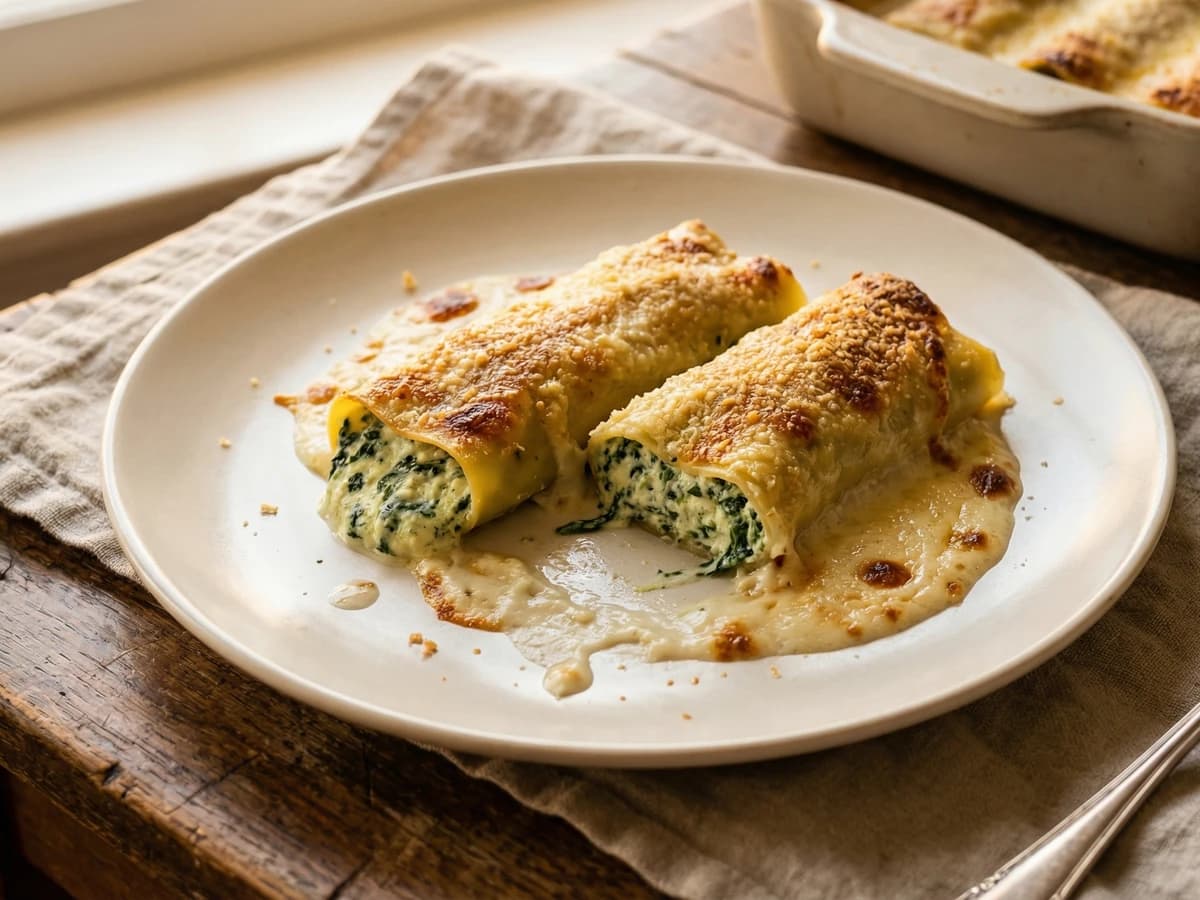
Hand-rolled pasta sheets wrapped around a filling of ricotta and spinach, covered in besciamella and baked until golden. This is the Sunday cooking of Emilia-Romagna, made without shortcuts.
Chef Graziella
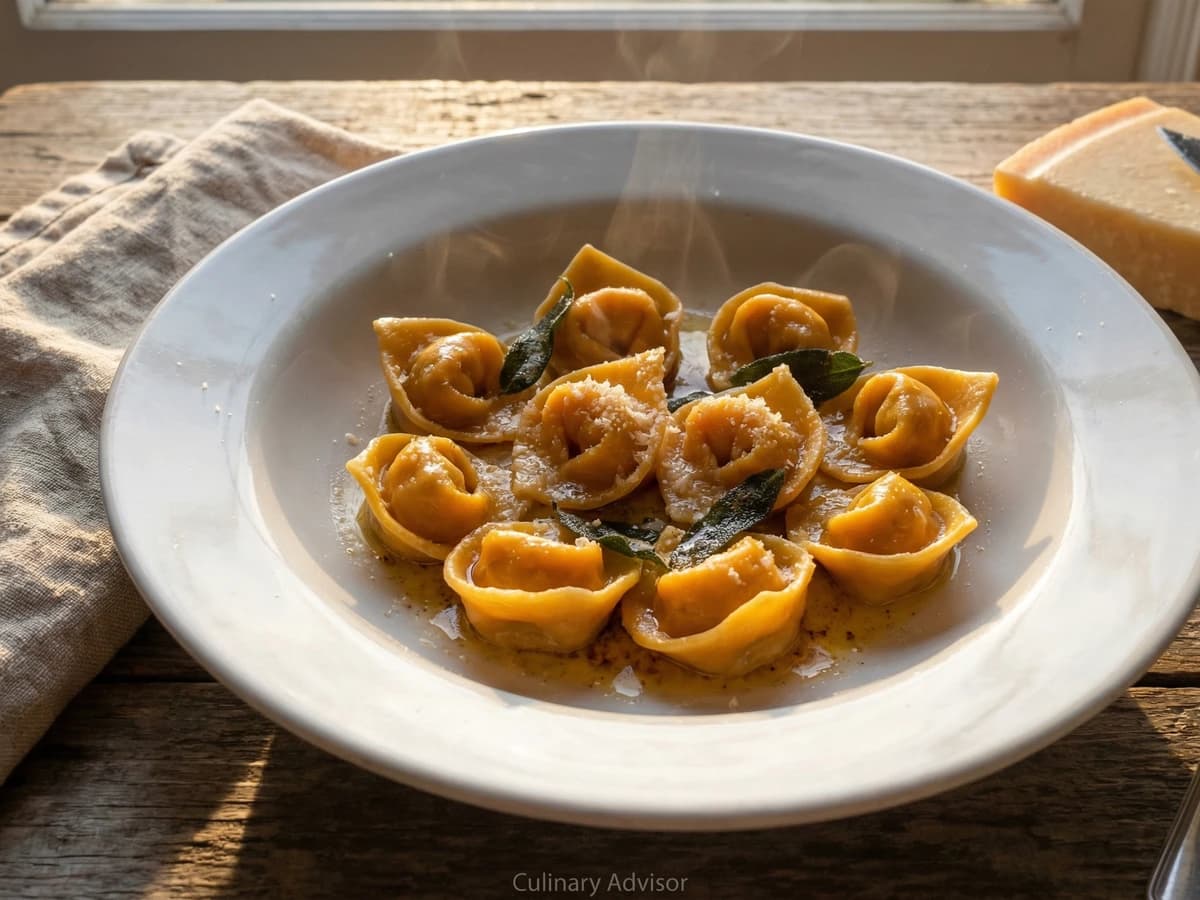
The pasta of the Este dukes, where sweet roasted pumpkin meets fresh egg pasta in shapes like little peasant hats. Dressed only with butter and sage, as Ferrara has done since the Renaissance.