
Chef Graziella
Crespelle ai Funghi Trifolati
Delicate Italian crepes wrapped around mushrooms sautéed in the trifolati manner, where olive oil, a breath of garlic, and fresh parsley create something far greater than the sum of their parts.
A cooking platform built around craft, culture, and the stories behind what we eat.

Created by
The thrifty genius of Northern Italian kitchens, where cold polenta becomes golden fritters touched with honey and studded with raisins soaked in grappa.
These fritters exist because Italian grandmothers never wasted anything. Cold polenta from last night's dinner, too firm to reheat with any dignity, finds new life in the frying pan. This is not a recipe born in restaurant kitchens. This is what farm wives in the Veneto have made for centuries when the morning is cold and the polenta is not.
The raisins must be soaked. Dry raisins in a fritter are an insult to texture. Grappa is traditional, but warm water works for those who prefer mornings without spirits. The honey goes into the batter, not drizzled on top like some American breakfast fantasy. It becomes part of the structure.
What you keep out matters here as much as anywhere. No cinnamon, no nutmeg, no parade of spices that would mask the honest corn flavor. A touch of lemon zest. Perhaps vanilla if you insist. The polenta should taste like polenta.
Frittelle di polenta dolci emerged from the frugal kitchens of the Veneto and Lombardy, where leftover polenta was too valuable to discard. The sweet version became associated with Carnival celebrations in Venice and the surrounding countryside, though farm families made them year-round as merenda, the afternoon snack that sustains workers until dinner.
Quantity
2 cups (about 1 pound)
Quantity
2
Quantity
3 tablespoons
Quantity
1/2 cup
Quantity
3 tablespoons
Quantity
1
zested
Quantity
1/4 cup
Quantity
1/4 teaspoon
Quantity
for frying
Quantity
for dusting
| Ingredient | Quantity |
|---|---|
| cold firm polenta | 2 cups (about 1 pound) |
| large eggs | 2 |
| honey | 3 tablespoons |
| golden raisins | 1/2 cup |
| grappa or warm water | 3 tablespoons |
| lemonzested | 1 |
| all-purpose flour | 1/4 cup |
| fine sea salt | 1/4 teaspoon |
| vegetable oil or lard | for frying |
| powdered sugar | for dusting |
Place the golden raisins in a small bowl and cover with grappa or warm water. Let them soak for at least 15 minutes, until plump and soft. Drain before using, but save a tablespoon of the soaking liquid. Dry raisins have no place in a fritter. They become leathery pebbles that interrupt the texture.
The polenta must be cold and firm, the texture of thick mashed potatoes that holds its shape when pressed. If using leftover polenta from the refrigerator, let it sit at room temperature for 10 minutes. Crumble it into a large bowl, breaking up any large lumps with your fingers or a fork.
Add the eggs, honey, lemon zest, flour, salt, and the tablespoon of reserved soaking liquid to the crumbled polenta. Work the mixture together with a wooden spoon or your hands until it forms a cohesive mass. The texture should be thick and slightly sticky, holding together when shaped but not wet. Fold in the drained raisins, distributing them evenly.
Wet your hands lightly to prevent sticking. Take roughly two tablespoons of the mixture and shape it into a small patty about half an inch thick and two inches across. The thickness matters. Too thin and they become brittle. Too thick and the center stays cold while the outside burns. Place shaped fritters on a parchment-lined tray.
Pour oil into a heavy skillet to a depth of half an inch. Heat over medium heat until a small piece of batter dropped in sizzles immediately and rises to the surface, about 350 degrees if you have a thermometer. The oil should shimmer but not smoke. Patience here prevents disaster.
Slide three or four fritters into the hot oil. Do not crowd the pan. Fry until deep golden brown on the bottom, about 2 minutes, then flip carefully with a slotted spoon or spatula. Fry the second side until equally golden, another 2 minutes. The fritters should feel firm when pressed at the edges. Transfer to a paper towel-lined plate.
Let the fritters rest for one minute, no longer. Dust generously with powdered sugar pushed through a fine sieve. Serve warm. These do not improve with waiting. Once the fritters are ready, invite everyone to the table. Cold fritters are merely acceptable. Warm fritters are the point.
1 serving (about 145g)
Culinary guides, cultural storytelling, and the editorial depth that makes cooking meaningful.
Discover Culinary ExplorerChef Graziella
Delicate Italian crepes wrapped around mushrooms sautéed in the trifolati manner, where olive oil, a breath of garlic, and fresh parsley create something far greater than the sum of their parts.

Chef Graziella
Thin Italian crepes wrapped around fresh ricotta brightened with garden herbs. A dish that proves breakfast can be civilized, that morning can begin with restraint and grace rather than excess.
Chef Graziella
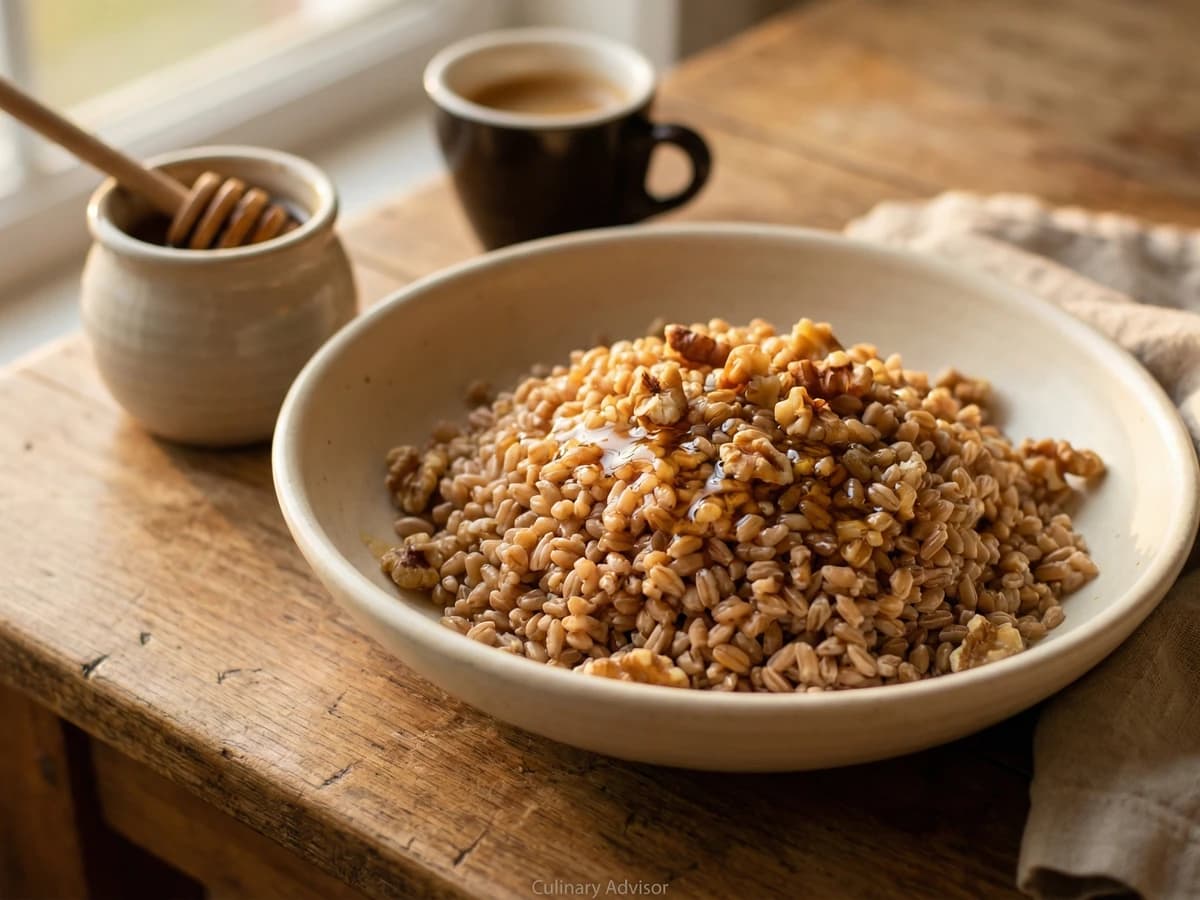
The grain that built Rome, simmered until tender with a pleasant resistance, finished with nothing but good honey and walnuts you have toasted yourself. Three ingredients. No pretense.
Chef Graziella
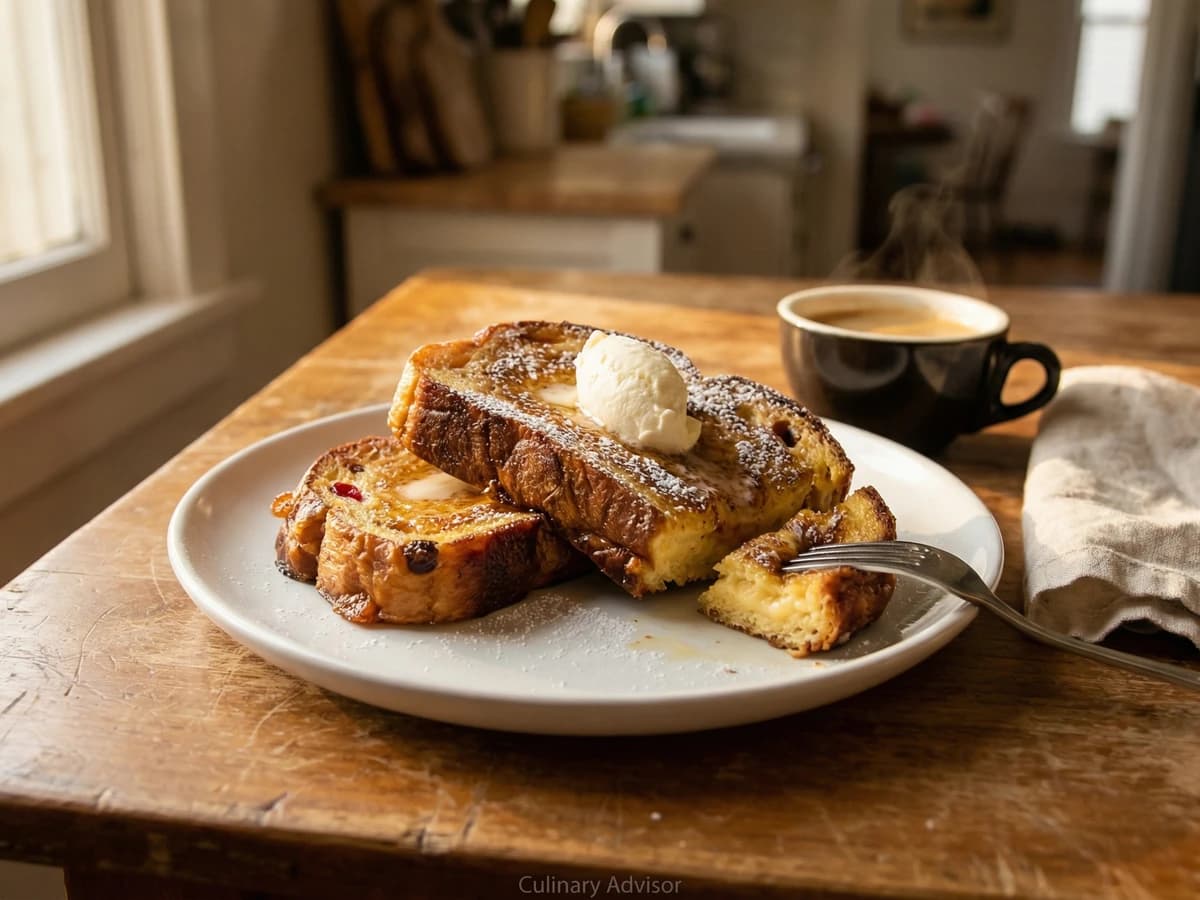
Day-old panettone reborn in a simple egg custard, griddled in butter until the edges turn golden and the candied citrus begins to caramelize. This is what Milanese grandmothers do with Christmas leftovers.