Chef Graziella
Arrosto di Maiale alle Erbe Aromatiche
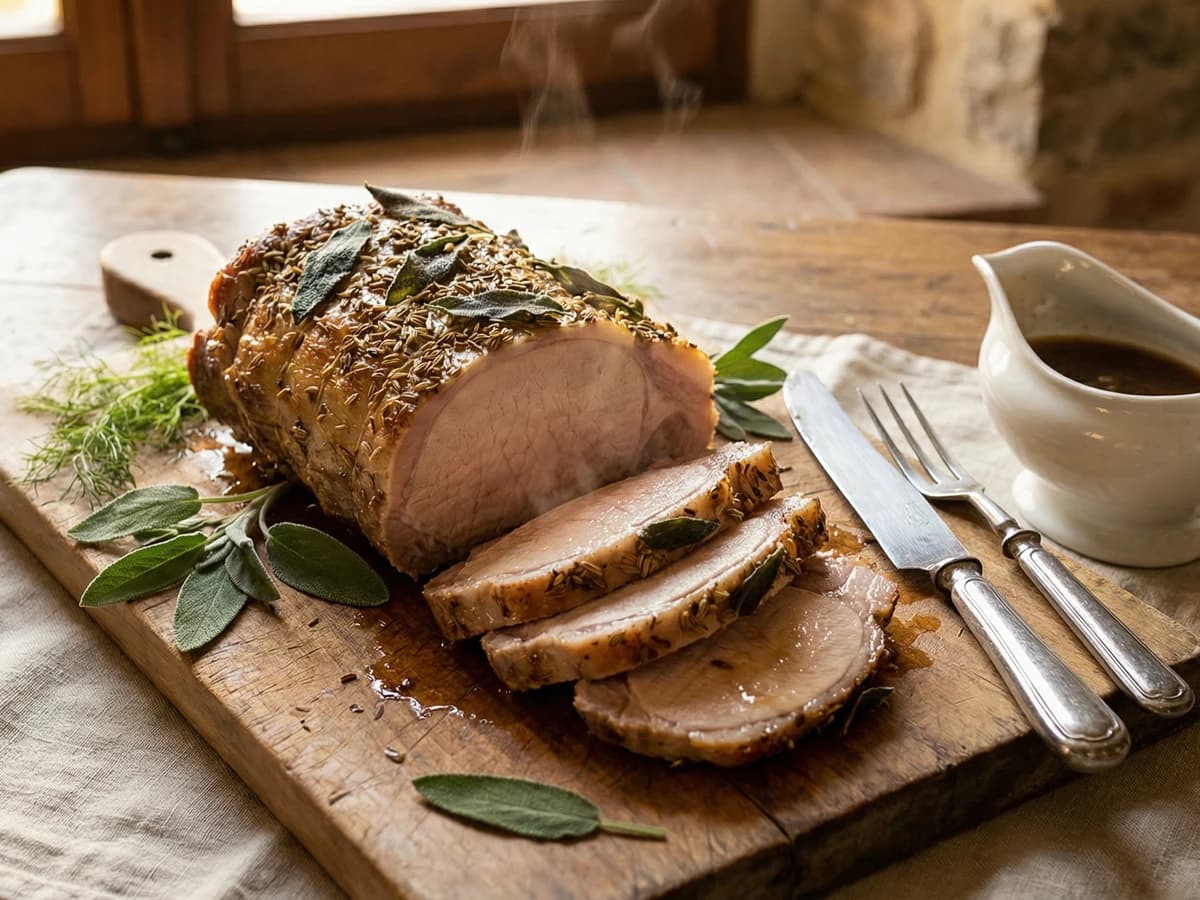
Bone-in pork loin rubbed with fennel, rosemary, and sage, roasted until the herbs form a crackling crust and the meat stays pink and succulent. This is the roast that brings Sunday to life.
A cooking platform built around craft, culture, and the stories behind what we eat.
Created by
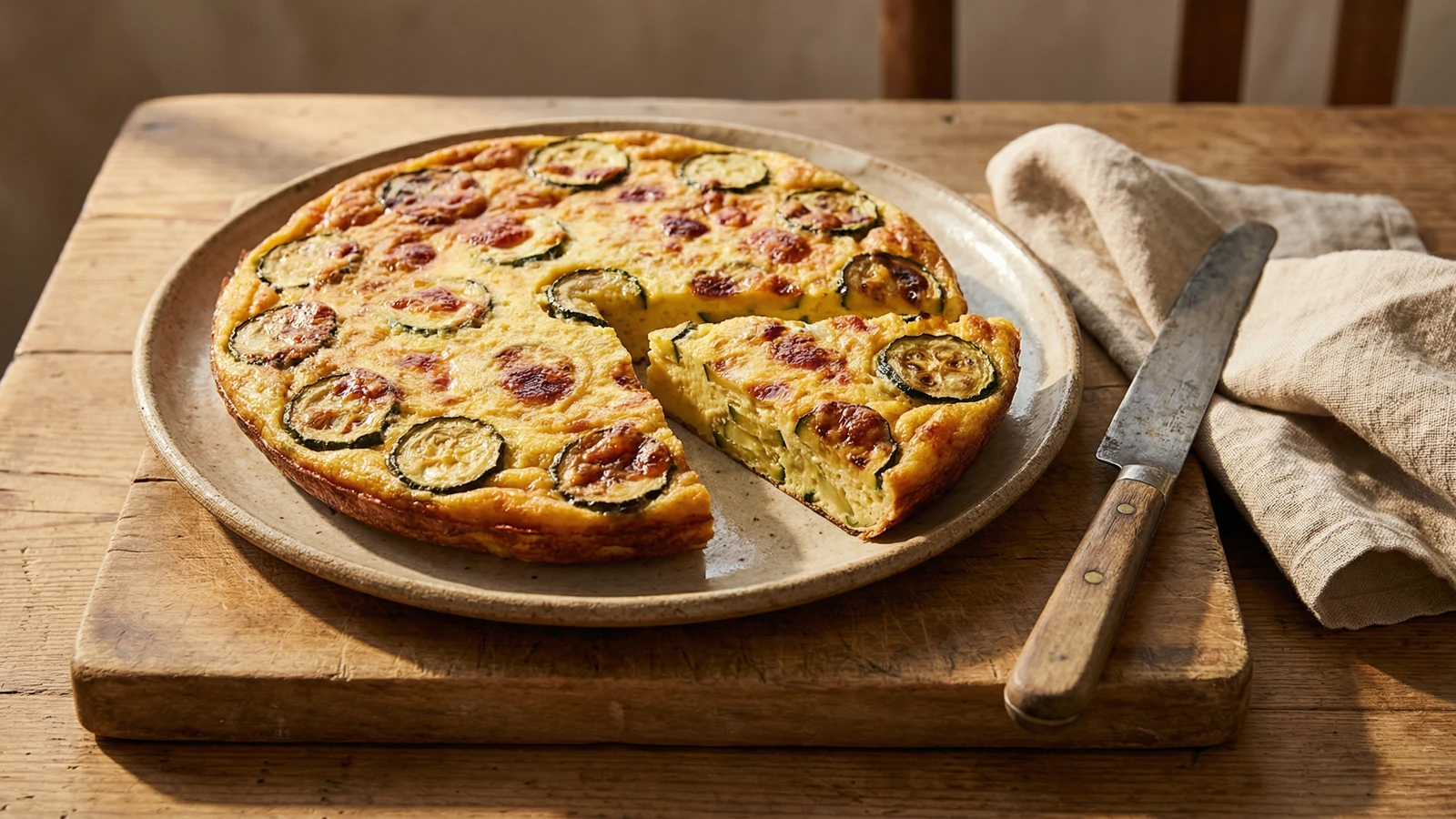
The workhorse of the Italian kitchen, where summer zucchini and eggs meet in a pan and prove that the simplest dishes demand the most attention.
Afrittata is not a fancy omelet. It is not brunch food. It is what Italian home cooks have made for generations when there are eggs in the house, vegetables in the garden, and mouths to feed. No folding, no flipping tricks, no cheese fountaining from the center. Just eggs and vegetables cooked together in a pan until set.
The zucchini must be cooked first. This is not optional. Raw zucchini releases water as it cooks, and water is the enemy of a proper frittata. You want the zucchini golden and tender before it ever meets the egg. This takes time. Most home cooks rush this step, and most home cooks produce soggy frittatas.
Americans often serve frittata hot, straight from the pan. Italians know better. A frittata improves as it cools to room temperature. The eggs firm up, the flavors meld, the texture becomes silky rather than wet. You can eat it warm if you insist, but you will be eating something less than it could be.
Frittata derives from the Latin 'frigere,' to fry, and has fed Italian families since at least the Renaissance. Unlike the French omelet, which requires last-minute attention and immediate service, frittata was designed for the realities of farm life: make it in the morning, eat it throughout the day, pack wedges for workers in the fields.
Quantity
1 1/2 pounds
sliced into thin rounds
Quantity
6
Quantity
1/2 cup
freshly grated
Quantity
4 tablespoons, divided
Quantity
1 small
sliced thin
Quantity
to taste
Quantity
to taste
freshly ground
| Ingredient | Quantity |
|---|---|
| small zucchinisliced into thin rounds | 1 1/2 pounds |
| large eggs | 6 |
| Parmigiano-Reggianofreshly grated | 1/2 cup |
| extra virgin olive oil | 4 tablespoons, divided |
| yellow onionsliced thin | 1 small |
| kosher salt | to taste |
| black pepperfreshly ground | to taste |
Slice the zucchini into rounds no thicker than a quarter inch. Uniformity matters. Thick slices will be soggy in the center while thin ones burn. If your zucchini are large and seedy, cut them lengthwise first, then into half-moons. Salt the slices lightly and let them rest in a colander for 15 minutes. Pat dry with clean towels.
In a 10-inch nonstick or well-seasoned cast iron skillet, heat 3 tablespoons of the olive oil over medium heat. Add the onion and cook until soft and pale gold, about 8 minutes. Add the zucchini in a single layer, working in batches if necessary. Cook without disturbing until golden on the bottom, then turn. The zucchini should be completely tender and lightly caramelized, another 10 to 12 minutes. Season with salt and pepper. Transfer to a plate and let cool slightly.
Crack the eggs into a large bowl. Add the Parmigiano-Reggiano and a generous grinding of black pepper. Beat with a fork until the yolks and whites are just combined. You are not making a soufflé. Overbeating creates a rubbery frittata. Fold in the cooled zucchini mixture gently.
Wipe out the skillet and add the remaining tablespoon of oil over medium-low heat. Pour in the egg mixture and spread the zucchini evenly with a spatula. Let it cook undisturbed. The edges will begin to set within a minute or two. Gently lift the edges with a spatula and tilt the pan to let uncooked egg flow underneath. Continue until the top is nearly set but still slightly wet, 8 to 10 minutes.
You have two choices. The traditional method: place a large flat plate over the skillet, invert the frittata onto it, then slide it back into the pan to cook the other side for 2 minutes. The simpler method: place the skillet under a hot broiler for 2 to 3 minutes until the top is just set and golden in spots. Either way, the frittata should be firm but not dried out.
Slide the frittata onto a cutting board or serving plate. Let it rest for at least 5 minutes. Italians typically serve frittata at room temperature, not hot from the pan. This is not laziness. The texture improves as it settles. Cut into wedges and serve. It needs nothing else.
1 serving (about 250g)
Culinary guides, cultural storytelling, and the editorial depth that makes cooking meaningful.
Discover Culinary ExplorerChef Graziella
Bone-in pork loin rubbed with fennel, rosemary, and sage, roasted until the herbs form a crackling crust and the meat stays pink and succulent. This is the roast that brings Sunday to life.

Chef Graziella
The ancient technique of salt-baking creates a sealed chamber where the fish steams in its own moisture. What emerges is flesh of remarkable purity, seasoned perfectly, ready for nothing but your best olive oil.

Chef Graziella
The ugly fish that cooks like veal, braised in tomatoes until the firm white flesh absorbs the briny sweetness of olives and capers. Fishermen's wives along the Adriatic knew its worth before restaurants discovered it.

Chef Graziella
A fifteen-minute lesson in restraint: pork chops, butter, sage, and the understanding that what you leave out matters as much as what you put in.