Chef Isabel
Abanico Ibérico a la Plancha
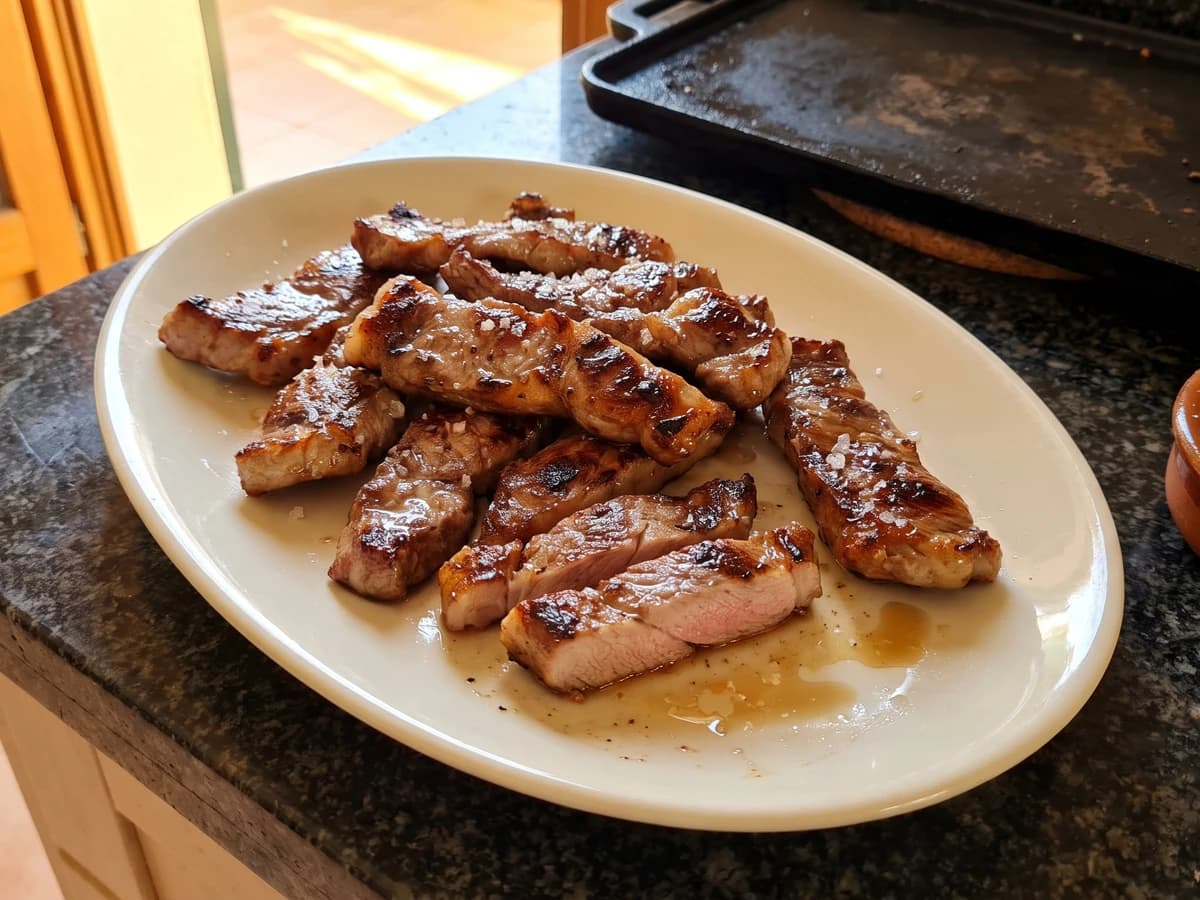
Extremadura's dehesa gives us this fan-shaped, marbled rib cut: salt it at the last moment, lay it on a fierce plancha, and count in seconds so the centre stays juicy.
A cooking platform built around craft, culture, and the stories behind what we eat.

Created by
Fideus de Vermar is Mallorca's harvest pot from Binissalem: thick noodles simmered caldoso with lamb, red wine, sobrasada, and a dark sofrito until the broth tastes of the vineyard lunch.
Fideus de Vermar is Mallorcan, from Binissalem and the grape harvest, and it is not the dry coastal fideuà people mistake every noodle dish for. This one is cocina de cuchara, spoon food: thick fideos cooked caldoso with lamb, sobrasada, red wine, tomato, and a sofrito that has gone dark and sweet. It belongs in a deep pot, not a flat pan.
The method that decides it is the order. Brown the lamb, cook the onion and tomato low until the sofrito loses its raw water, then melt in the sobrasada and give the meat time to soften before the noodles go in. Fideos are greedy. Add them too early and they drink the pot dry while the lamb is still tough. Add them when the broth already tastes good, and they carry the harvest flavor without turning it to paste.
If you're far from Mallorca, use lamb shoulder or neck on the bone; older mutton is closer if you can find it. For sobrasada, buy a real soft sobrasada, Mallorcan if possible, mainland if not. A spoon of minced cured chorizo is only a last compromise, sharper and less sweet, so use less and know what changed. No hace falta haber pisado España, but the pot asks for good lamb, a dry red wine, and patience.
In the Margin beside this dish I keep one warning: the noodles wait for no one. Bring the table to the pot, not the pot to a table that isn't ready. Siempre sale, si lo sigues.
Fideus de Vermar belongs to Binissalem, in Mallorca's Raiguer wine country, where the verema, the grape harvest, filled the village with workers and the meal had to feed many from one cauldron. Lamb or older sheep, sobrasada from the island's cured larder, tomàtiga de ramellet, and local red wine made a harvest dish that was filling, brothy, and easy to share. During the Festa des Vermar, the dish is cooked in large pots and served out in the street, which is why it remains tied to Binissalem rather than to Mallorca in a loose, general way.
Quantity
900g
preferably bone-in, cut into 4cm pieces
Quantity
10g, divided
plus more to taste
Quantity
1/2 teaspoon
Quantity
45ml
Quantity
250g
finely chopped
Quantity
120g
finely chopped
Quantity
4
minced
Quantity
300g
grated
Quantity
90g
casing removed, broken into small pieces
Quantity
2 teaspoons
Quantity
175ml
Quantity
1
Quantity
1.5L, plus more as needed
Quantity
350g
Quantity
15g
chopped
| Ingredient | Quantity |
|---|---|
| lamb shoulder or neckpreferably bone-in, cut into 4cm pieces | 900g |
| fine sea saltplus more to taste | 10g, divided |
| freshly ground black pepper | 1/2 teaspoon |
| extra virgin olive oil | 45ml |
| yellow onionfinely chopped | 250g |
| green pepperfinely chopped | 120g |
| garlic clovesminced | 4 |
| ripe tomatoes, preferably tomàtigues de ramelletgrated | 300g |
| sobrasada de Mallorcacasing removed, broken into small pieces | 90g |
| pebre bord or sweet pimentón, preferably Tap de Cortí | 2 teaspoons |
| dry red wine | 175ml |
| bay leaf | 1 |
| hot water or unsalted light lamb stock | 1.5L, plus more as needed |
| thick fideos, No. 4 or similar | 350g |
| flat-leaf parsley (optional)chopped | 15g |
Pat the lamb dry and season it with 8g of the salt and the black pepper. Warm the olive oil in a wide 5 to 6 litre pot or cazuela over medium-high heat, then brown the lamb in batches, 8 to 10 minutes total, until the edges take good colour. Lift the meat to a plate and leave the fat and browned bits in the pot; that is the first flavour of the broth.
Lower the heat to medium-low and add the onion, green pepper, and a pinch of the remaining salt. Cook slowly for 18 to 22 minutes, stirring now and then, until the onion is dark gold and jammy. Add the garlic for 1 minute, then the grated tomato, and cook another 12 to 15 minutes until the tomato is thick and the oil shows at the edges. Pull the pot off the heat, stir in the pebre bord and the sobrasada, and let the sobrasada melt into the base. This slow sofrito is what keeps the stew from tasting like red water.
Return the lamb and any juices to the pot. Pour in the red wine and let it bubble for 3 minutes, scraping the bottom with a wooden spoon. Add the bay leaf and 1.5 litres hot water or light stock, bring it to a steady simmer, then lower the heat and cook partly covered for 60 to 75 minutes, until the lamb is tender when pressed with a spoon. Skim only if the surface looks heavy with fat; a little red oil belongs here.
Check the liquid before the noodles go in. You want about 1.25 litres of broth in the pot; add hot water if it has reduced too far. Bring it back to an active simmer, add the fideos, and stir once so they settle evenly. Cook 9 to 12 minutes, depending on their thickness, until tender but still holding their shape. Keep it caldoso, loose enough for a spoon; this is not fideuà, and it should move like stew when you shake the pot.
Turn off the heat while there is still broth visible around the noodles. Rest 5 minutes, taste for salt, and fold in the parsley if you're using it. Serve at once in deep bowls, with lamb in every portion and the pimentón-red broth spooned over the top. The noodles keep drinking as they sit, so don't let the finished pot wait around.
1 serving (about 425g)
Culinary guides, cultural storytelling, and the editorial depth that makes cooking meaningful.
Discover Culinary ExplorerChef Isabel
Extremadura's dehesa gives us this fan-shaped, marbled rib cut: salt it at the last moment, lay it on a fierce plancha, and count in seconds so the centre stays juicy.
Chef Isabel
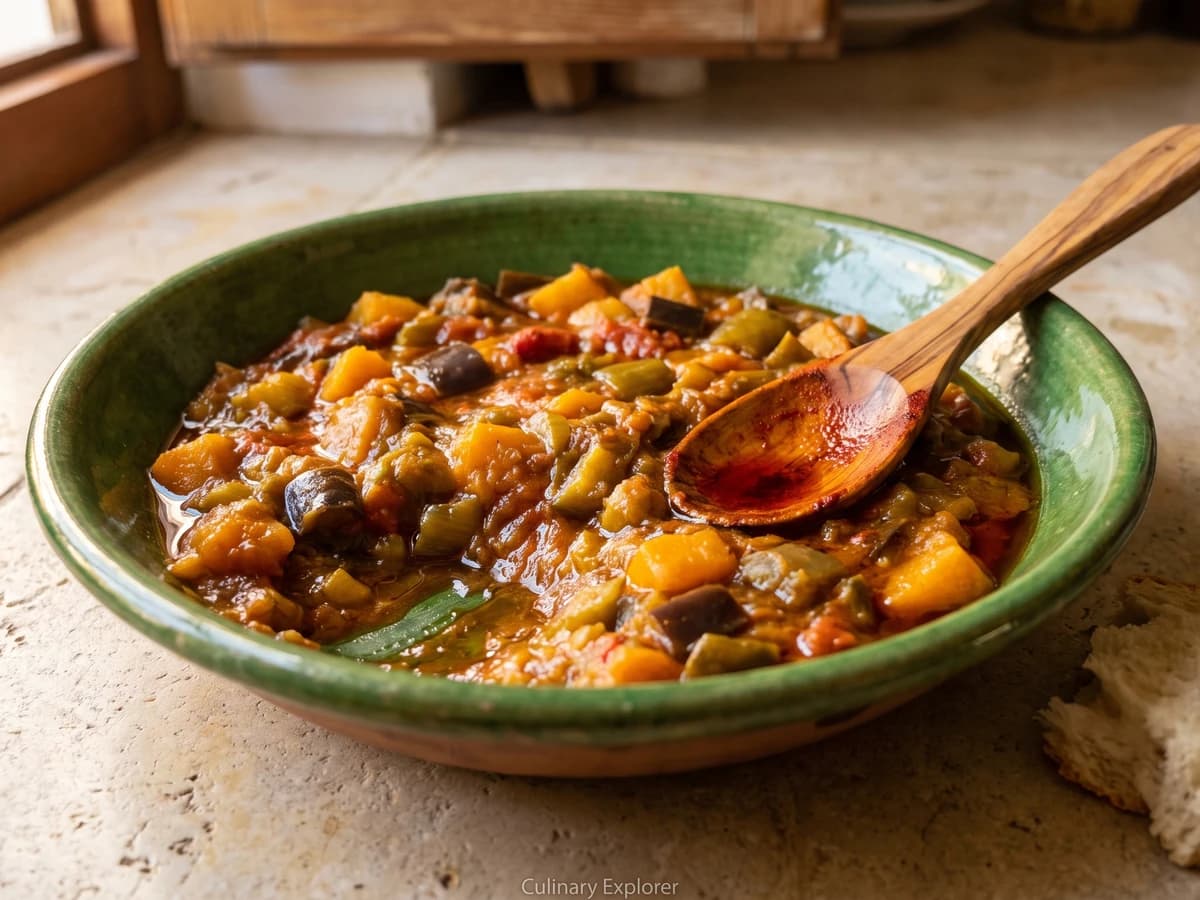
Alboronía is Andalucía's old pumpkin and aubergine stew, deepened with tomato, pimentón, and cumin, then cooked without hurry until the vegetables settle into a glossy, sweet, spoon-soft whole.

Chef Isabel
Aletría Murciana is Murcia's humble noodle guiso: fine fideos, pork ribs, potato, saffron, and a dark sweet sofrito. Get that base right and the pot knows where it's going.
Chef Isabel
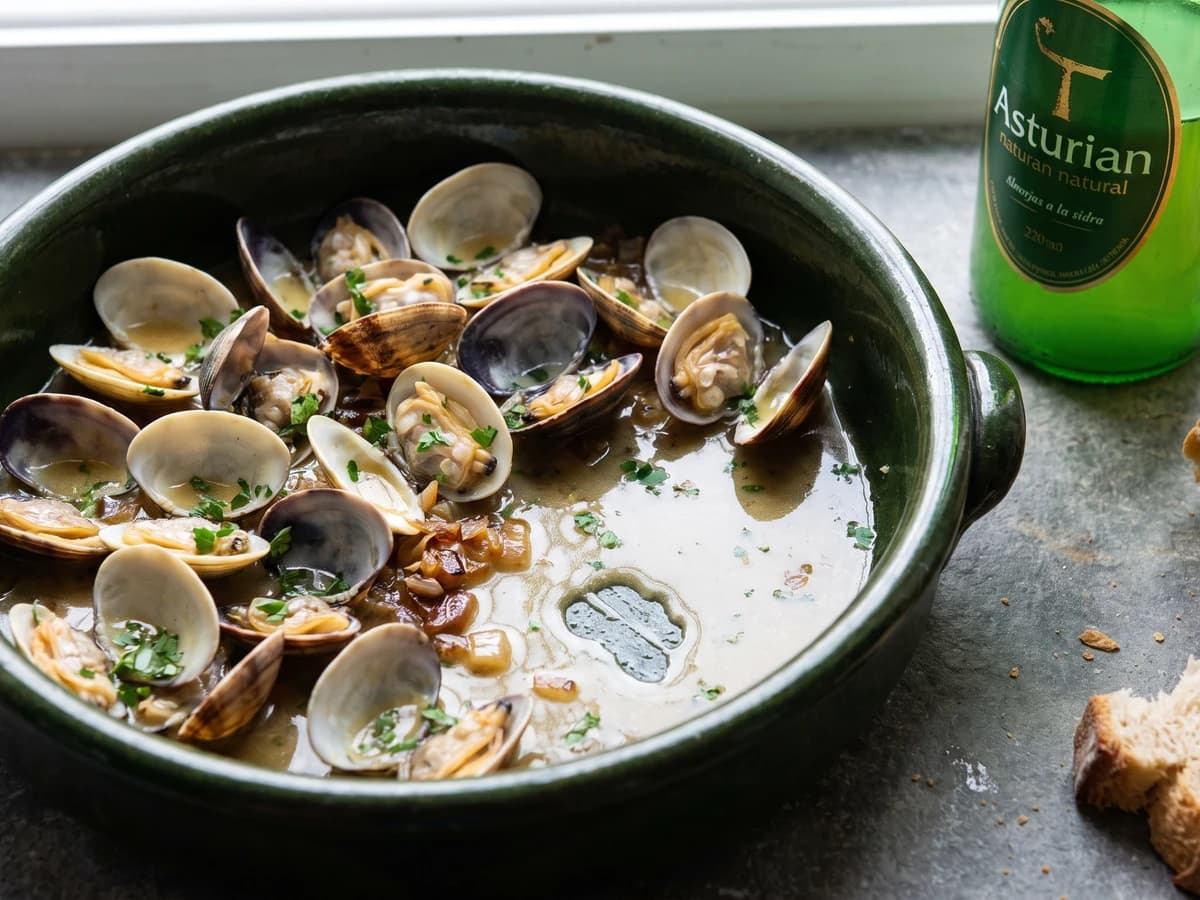
Asturias opens clams in tart natural cider over a slow onion and garlic sofrito, making a bright, briny sauce that asks for bread and rewards one rule: lift each clam as it opens.