Chef Isabel
Abanico Ibérico a la Plancha
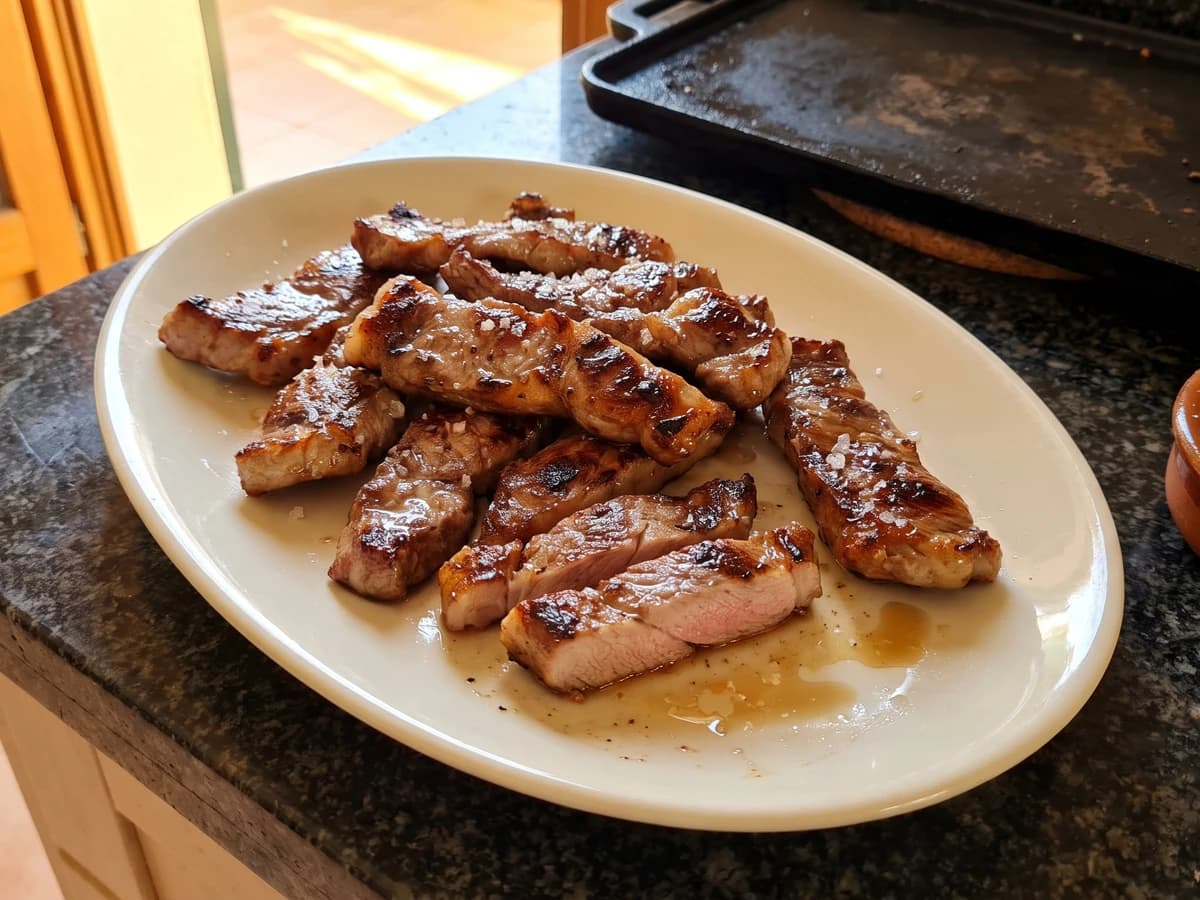
Extremadura's dehesa gives us this fan-shaped, marbled rib cut: salt it at the last moment, lay it on a fierce plancha, and count in seconds so the centre stays juicy.
A cooking platform built around craft, culture, and the stories behind what we eat.
Created by
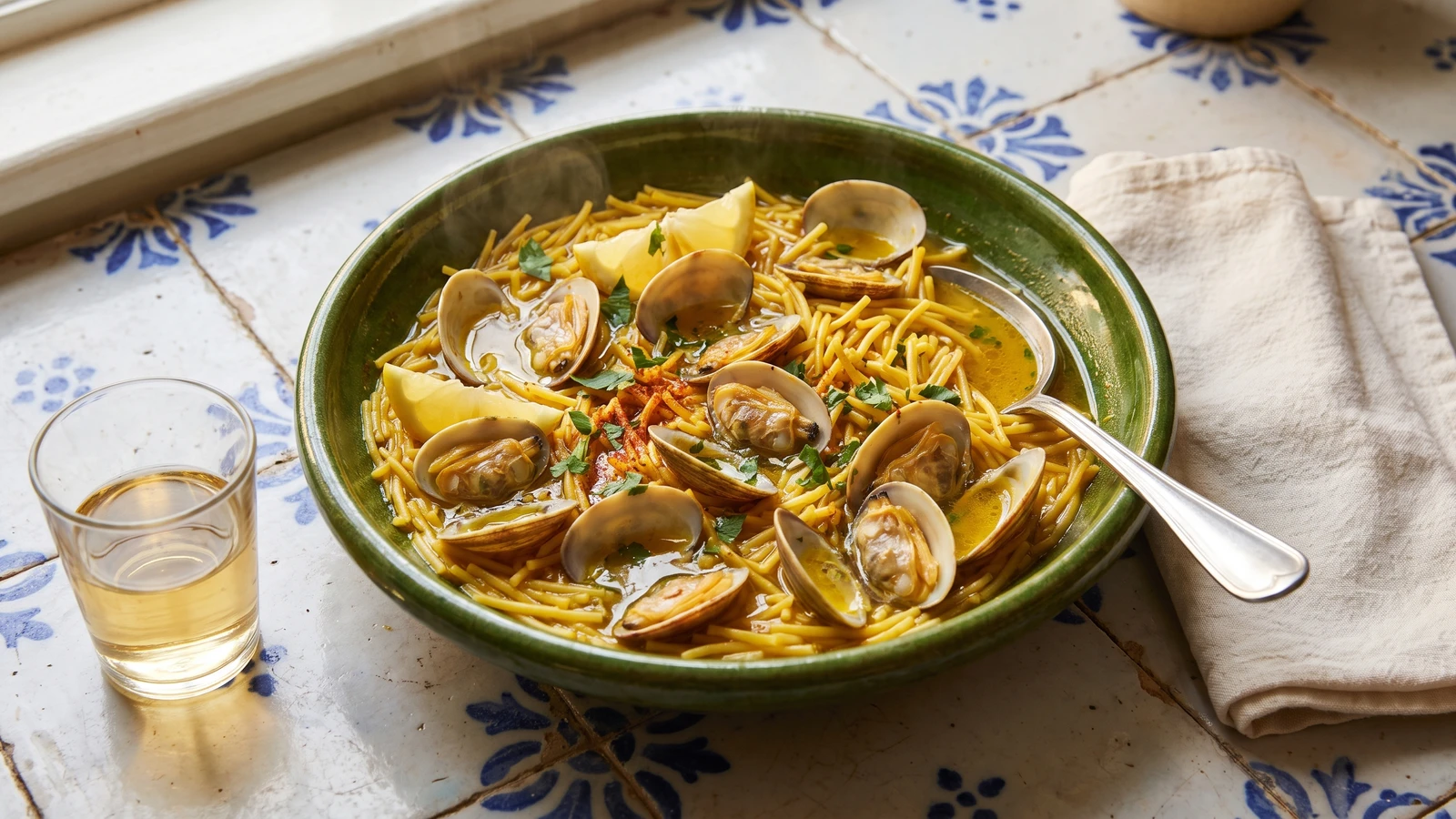
Fideos con almejas are coastal Andalucía in a cazuela: short noodles, clams, a slow tomato sofrito, and the clam liquor strained clean so the whole pot tastes of the sea.
Fideos con almejas a la andaluza belong to the coast, especially the southern tables that know what to do with a handful of good shellfish and a packet of short noodles. This is not pasta with sauce. It is a guiso, a spoonable stew, where the fideos swell in the broth and take the sea into themselves.
The method that decides it is simple: steam the clams first and save every drop of their liquor. Strain it clean, because sand has no place in your lunch, then use it as the backbone of the broth. The sofrito, the slow onion and tomato base, gives sweetness. The clam liquor gives the dish its name. Add the clams back only at the end, or they'll turn hard and sulky.
If you can't find Spanish almejas finas or chirlas, use small littleneck clams or Manila clams. They are not the same, but they behave properly in the pot. If the clams smell tired, cook something else that day. Sourcing wins. No hace falta haber pisado España, you don't need to have set foot in Spain, but you do need clean, live clams and the patience not to rush the sofrito.
Use fideos gordos, short thick Spanish noodles, if you can find them. Broken thin spaghetti works in a far kitchen, though it softens faster and drinks less broth, so watch it closely. My Margin beside this one says: "colar el caldo," strain the broth. A small warning, but it saves the whole cazuela. Siempre sale, si lo sigues.
Fideos con almejas sits in the coastal cooking shared by Andalucía and Galicia, where fishermen's households made small amounts of shellfish stretch by cooking them with noodles, rice, or potatoes. In Andalucía the dish often leans on a tomato sofrito, fino or white wine, and short fideos cooked directly in the seafood broth; in Galicia the same idea may be plainer, with the clam liquor carrying more of the work. The practice belongs to cocina de cuchara, spoon food, where the point is not abundance of shellfish but making the broth taste as if there were.
Quantity
1kg
scrubbed and purged
Quantity
250g
Quantity
60ml
Quantity
1, about 150g
finely chopped
Quantity
1, about 90g
finely chopped
Quantity
3
2 minced and 1 whole
Quantity
250g
grated
Quantity
200g
Quantity
120ml
Quantity
750ml
Quantity
1
Quantity
1/2 teaspoon
Quantity
small pinch
Quantity
1/4 teaspoon, plus more to taste
Quantity
to taste
Quantity
15g
chopped
Quantity
1
cut into wedges
| Ingredient | Quantity |
|---|---|
| live small clams, such as almejas, chirlas, littlenecks, or Manila clamsscrubbed and purged | 1kg |
| fideos gordos, short thick Spanish noodles, or broken thin spaghetti | 250g |
| extra virgin olive oil | 60ml |
| medium onionfinely chopped | 1, about 150g |
| small green pepperfinely chopped | 1, about 90g |
| garlic cloves2 minced and 1 whole | 3 |
| ripe tomatoesgrated | 250g |
| good canned crushed tomato (optional) | 200g |
| dry white wine or fino sherry | 120ml |
| fish stock or light shellfish stock | 750ml |
| bay leaf | 1 |
| sweet pimentón de la Vera | 1/2 teaspoon |
| saffron threads (optional) | small pinch |
| fine sea salt | 1/4 teaspoon, plus more to taste |
| black pepper | to taste |
| flat-leaf parsleychopped | 15g |
| lemon (optional)cut into wedges | 1 |
Put the clams in a bowl of cold salted water for 30 minutes, then lift them out with your hands so any grit stays behind. Scrub the shells and discard any clam that is cracked, smells off, or stays open after a firm tap. Pésalo, no lo adivines, and check them one by one; one bad clam can spoil the whole pot.
Put the clams in a wide pot with the wine, the whole garlic clove, and 100ml of the stock. Cover and cook over medium-high heat for 3 to 5 minutes, shaking the pot once or twice, just until the clams open. Lift the clams into a bowl as they open and discard any that stay shut. Strain the cooking liquor through a fine sieve lined with kitchen paper or a clean cloth. This strained liquor is the broth that makes the dish taste of the coast.
Wipe the cazuela clean. Add the olive oil, onion, green pepper, and a pinch of salt, then cook over medium-low heat for 12 to 15 minutes until the vegetables are soft, dark gold at the edges, and sweet-smelling. Add the minced garlic and cook for 1 minute. Stir in the grated tomato and cook another 8 to 10 minutes, until the oil separates and the tomato has lost its raw sharpness. Rush this and the broth tastes thin.
Add the pimentón and saffron, if using, and stir for a few seconds only, so the pimentón blooms without scorching. Add the fideos and turn them through the sofrito for 1 to 2 minutes until they are glossy with oil. Toasting them lightly helps them hold their shape while they drink the broth.
Pour in the strained clam liquor and the remaining stock, add the bay leaf, and bring to a lively simmer. Cook uncovered for 8 to 11 minutes, stirring now and then, until the fideos are tender but not mushy and the broth has thickened slightly. Keep it spoonable, not dry; this is a guiso, not fideuà.
Taste the broth before adding more salt, because the clam liquor may have done the work already. Return the opened clams and any juices from the bowl to the cazuela and cook 1 minute more, only to warm them through. Finish with parsley, black pepper, and lemon wedges if you like them at the table. Serve at once, while the noodles are still loose and glossy.
1 serving (about 430g)
Culinary guides, cultural storytelling, and the editorial depth that makes cooking meaningful.
Discover Culinary ExplorerChef Isabel
Extremadura's dehesa gives us this fan-shaped, marbled rib cut: salt it at the last moment, lay it on a fierce plancha, and count in seconds so the centre stays juicy.
Chef Isabel
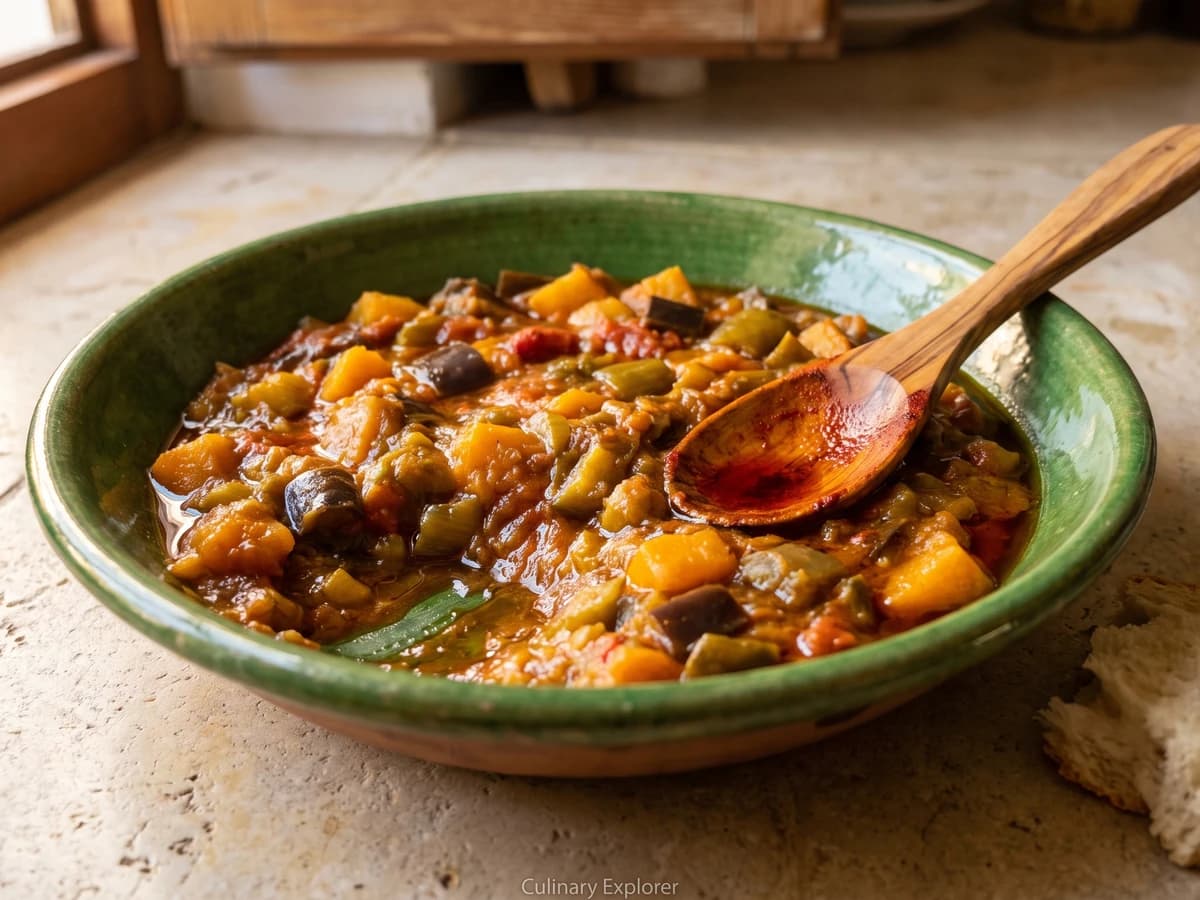
Alboronía is Andalucía's old pumpkin and aubergine stew, deepened with tomato, pimentón, and cumin, then cooked without hurry until the vegetables settle into a glossy, sweet, spoon-soft whole.

Chef Isabel
Aletría Murciana is Murcia's humble noodle guiso: fine fideos, pork ribs, potato, saffron, and a dark sweet sofrito. Get that base right and the pot knows where it's going.
Chef Isabel
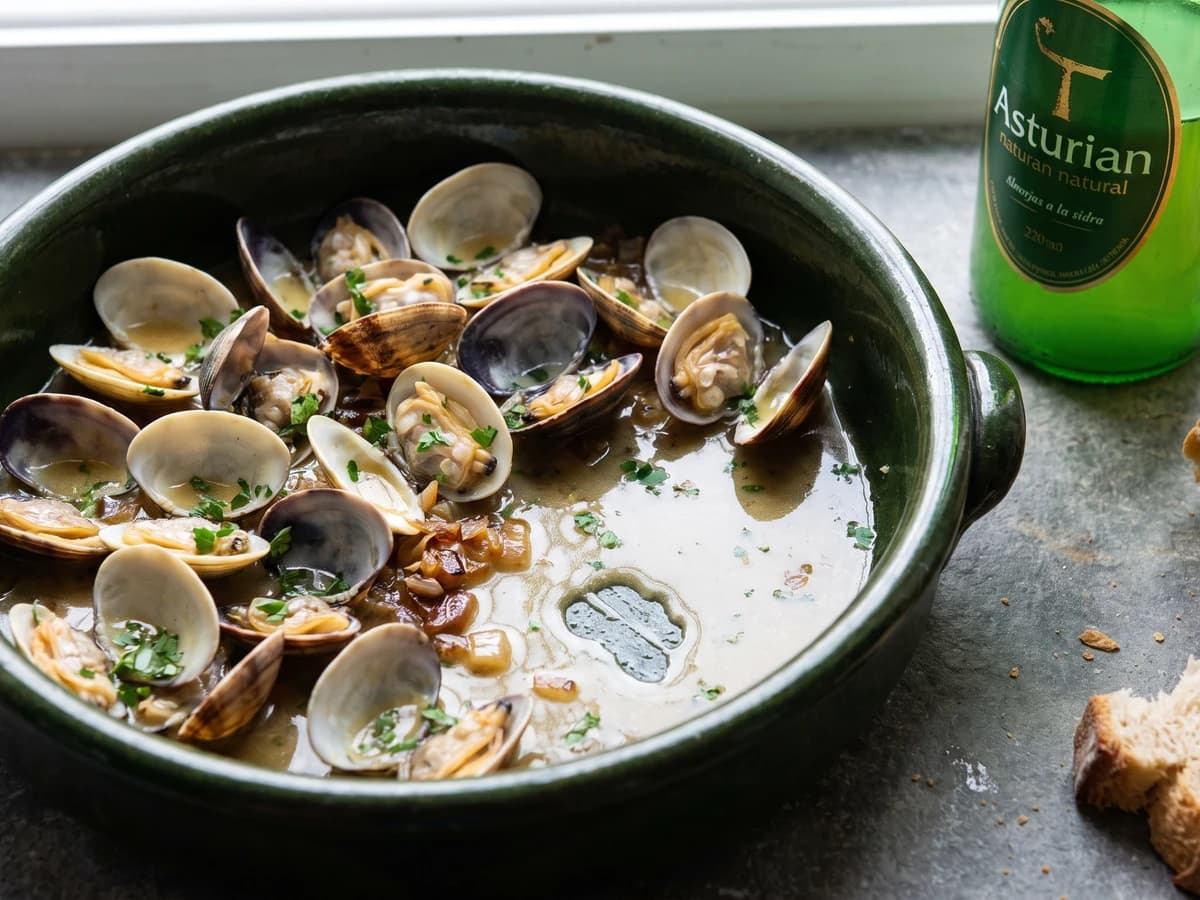
Asturias opens clams in tart natural cider over a slow onion and garlic sofrito, making a bright, briny sauce that asks for bread and rewards one rule: lift each clam as it opens.