Chef Graziella
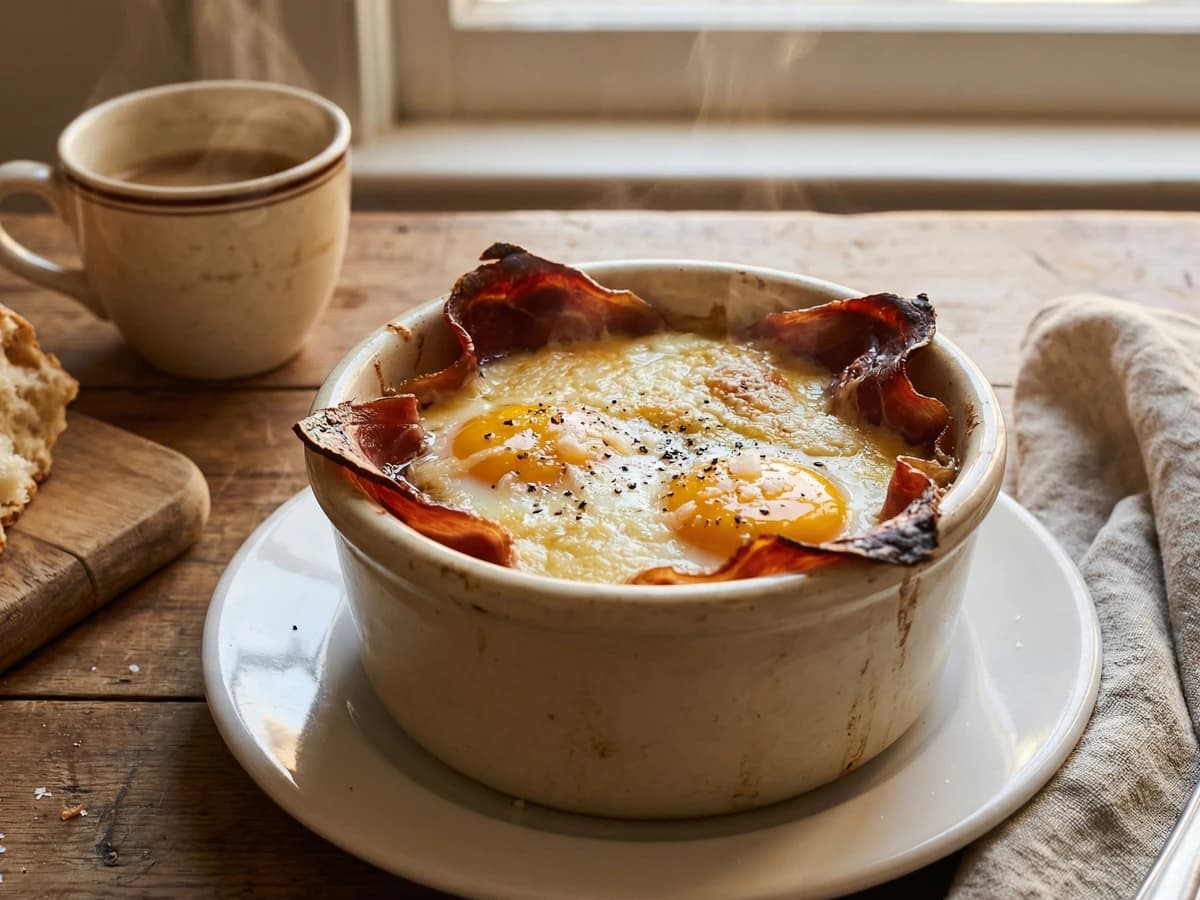
Uova al Forno con Prosciutto di Parma
Eggs baked in a nest of Parma's famous prosciutto, the ham crisping at the edges while the yolks stay liquid. This is Emilian restraint: four ingredients, none hiding behind another.
A cooking platform built around craft, culture, and the stories behind what we eat.

Created by
The savory spinach torta of Reggio Emilia, wrapped in a lard-enriched crust so thin it shatters at the touch. This is peasant food that earned its place at every table in the province.
Erbazzone belongs to Reggio Emilia the way Parmigiano-Reggiano does. You cannot separate this torta from its territory. Every family in the province makes it, and every family believes their version is correct. They are all correct, because the foundation never changes: bitter greens, aged cheese, and lard. Everything else is negotiation.
The crust must contain lard. This is not optional, not negotiable, not subject to modern dietary anxieties. Lard creates the shatter, the flake, the particular richness that butter cannot replicate. The nonnas of Reggio Emilia did not use butter in their erbazzone, and neither will you.
The filling is traditionally chard or spinach, sometimes both, cooked down with spring onions until the greens surrender their moisture completely. Wet greens make soggy crust. This is elementary. The Parmigiano must be aged, at least 24 months, grated fresh. The cheese does not melt into the filling so much as it binds everything together, adding the particular nuttiness that defines Emilian cooking.
What you keep out matters as much as what you put in. There is no ricotta here, no eggs binding the filling, no cream. The greens, the cheese, the fat. That is all.
Erbazzone emerged from the farmhouses of Reggio Emilia's countryside, where contadini wives stretched whatever greens grew in the garden into a meal that could feed workers in the fields. The dish is now seeking IGP (Indicazione Geografica Protetta) status, which would legally protect its traditional preparation and tie it forever to its province of origin.
Quantity
2 1/2 cups (300g)
Quantity
1/2 cup (100g), plus 2 tablespoons
cold
Quantity
1/2 teaspoon
Quantity
1/2 cup, plus more as needed
Quantity
2 pounds
Quantity
1 bunch (about 6)
white and light green parts, sliced thin
Quantity
4 ounces
diced fine
Quantity
1 1/2 cups (about 4 ounces)
freshly grated
Quantity
1 clove
minced fine
Quantity
to taste
freshly ground
Quantity
to taste
| Ingredient | Quantity |
|---|---|
| all-purpose flour | 2 1/2 cups (300g) |
| lardcold | 1/2 cup (100g), plus 2 tablespoons |
| fine sea salt | 1/2 teaspoon |
| cold water | 1/2 cup, plus more as needed |
| fresh spinach or Swiss chard | 2 pounds |
| spring onions or scallionswhite and light green parts, sliced thin | 1 bunch (about 6) |
| pancettadiced fine | 4 ounces |
| Parmigiano-Reggianofreshly grated | 1 1/2 cups (about 4 ounces) |
| garlicminced fine | 1 clove |
| black pepperfreshly ground | to taste |
| kosher salt | to taste |
Place the flour and salt in a large bowl. Add the cold lard in pieces and work it into the flour with your fingertips until the mixture resembles coarse meal with some pea-sized pieces remaining. Add the cold water gradually, mixing with a fork, then your hands, until the dough just comes together. It should not be sticky. Knead briefly on a floured surface until smooth, about one minute. Wrap in plastic and refrigerate for at least 30 minutes.
Wash the spinach or chard thoroughly. If using chard, remove the tough center ribs and reserve them for another use. Bring a large pot of salted water to a boil. Blanch the greens until just wilted, about two minutes for spinach, three to four for chard. Drain and immediately plunge into ice water to stop the cooking and preserve the color.
When the greens are cool, squeeze them with your hands to extract as much water as possible. Then squeeze again. The greens should form a tight, dry ball. Wet greens are the enemy of crisp crust. Chop them fine and set aside.
In a large skillet, render the pancetta with the remaining two tablespoons of lard over medium heat until the fat is translucent and beginning to crisp, about five minutes. Add the sliced spring onions and cook until softened, another three to four minutes. Add the minced garlic and cook only until fragrant, no more than 30 seconds. The garlic must not brown.
Add the chopped greens to the skillet and stir to combine with the pancetta and onions. Cook for two to three minutes to allow the flavors to marry. Remove from heat and let cool for ten minutes. Stir in the grated Parmigiano-Reggiano. Season with pepper and taste for salt. The pancetta and cheese are salty, so add salt cautiously.
Heat your oven to 400°F (200°C). Divide the chilled dough into two pieces, one slightly larger than the other. On a floured surface, roll the larger piece into a thin round about 14 inches in diameter. The dough should be thin enough to see your hand through it. Transfer to a 12-inch tart pan or rimmed baking sheet. The dough should drape over the edges.
Spread the cooled filling evenly over the dough, leaving a one-inch border. Roll the remaining dough into a round slightly larger than the pan. Drape it over the filling. Fold the overhanging edges together and crimp to seal. Use a fork to prick the top in several places. This allows steam to escape and prevents the top from ballooning.
Bake until the crust is golden brown and crisp, 35 to 40 minutes. The top should feel firm when tapped and the edges should be deeply colored. Remove from the oven and let rest for at least ten minutes before cutting. Erbazzone is traditionally served warm or at room temperature, never hot from the oven.
1 serving (about 115g)
Culinary guides, cultural storytelling, and the editorial depth that makes cooking meaningful.
Discover Culinary ExplorerChef Graziella
Eggs baked in a nest of Parma's famous prosciutto, the ham crisping at the edges while the yolks stay liquid. This is Emilian restraint: four ingredients, none hiding behind another.
Chef Juliette
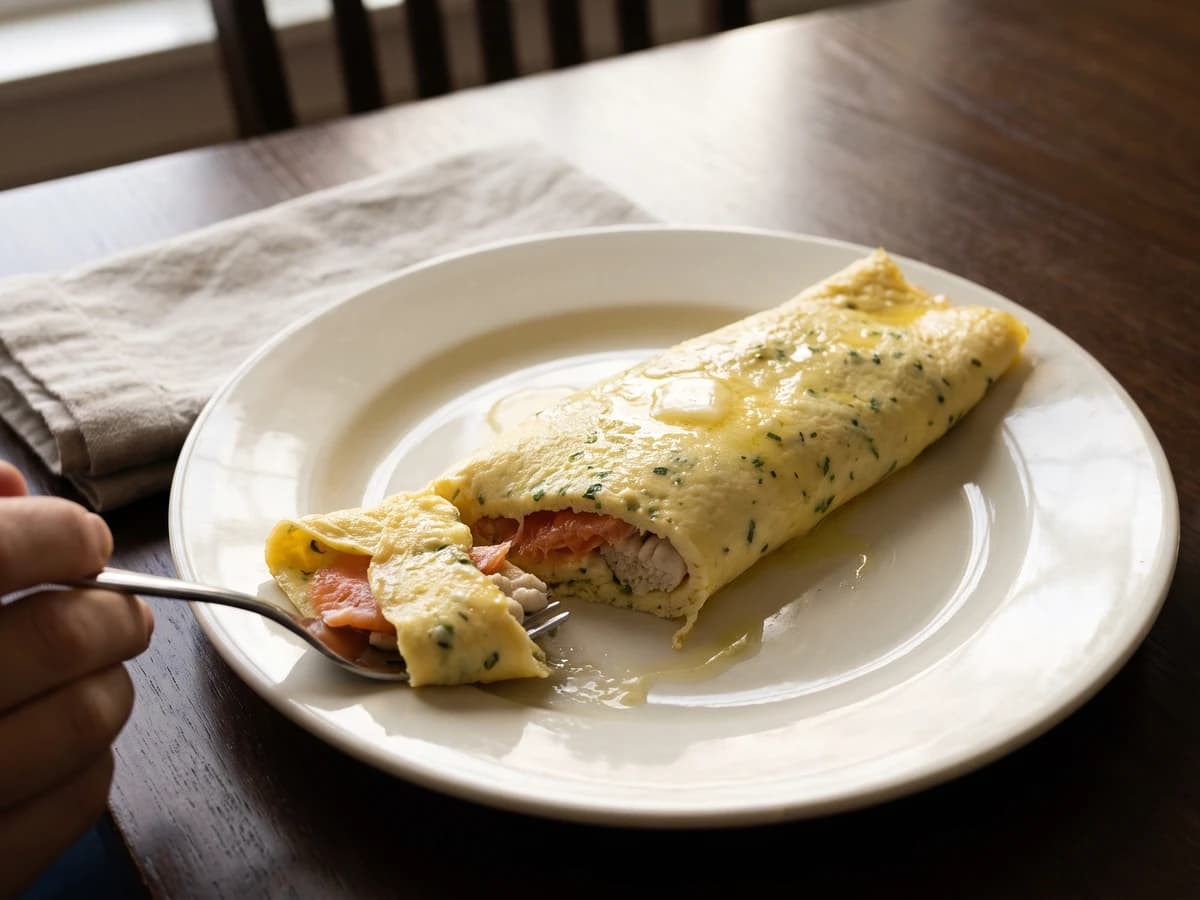
A creamy omelette aux fines herbes closes around smoked-salmon-wrapped herring milts, gently poached in butter. Have the filling ready, then roll the eggs while they still shine.
Chef Juliette
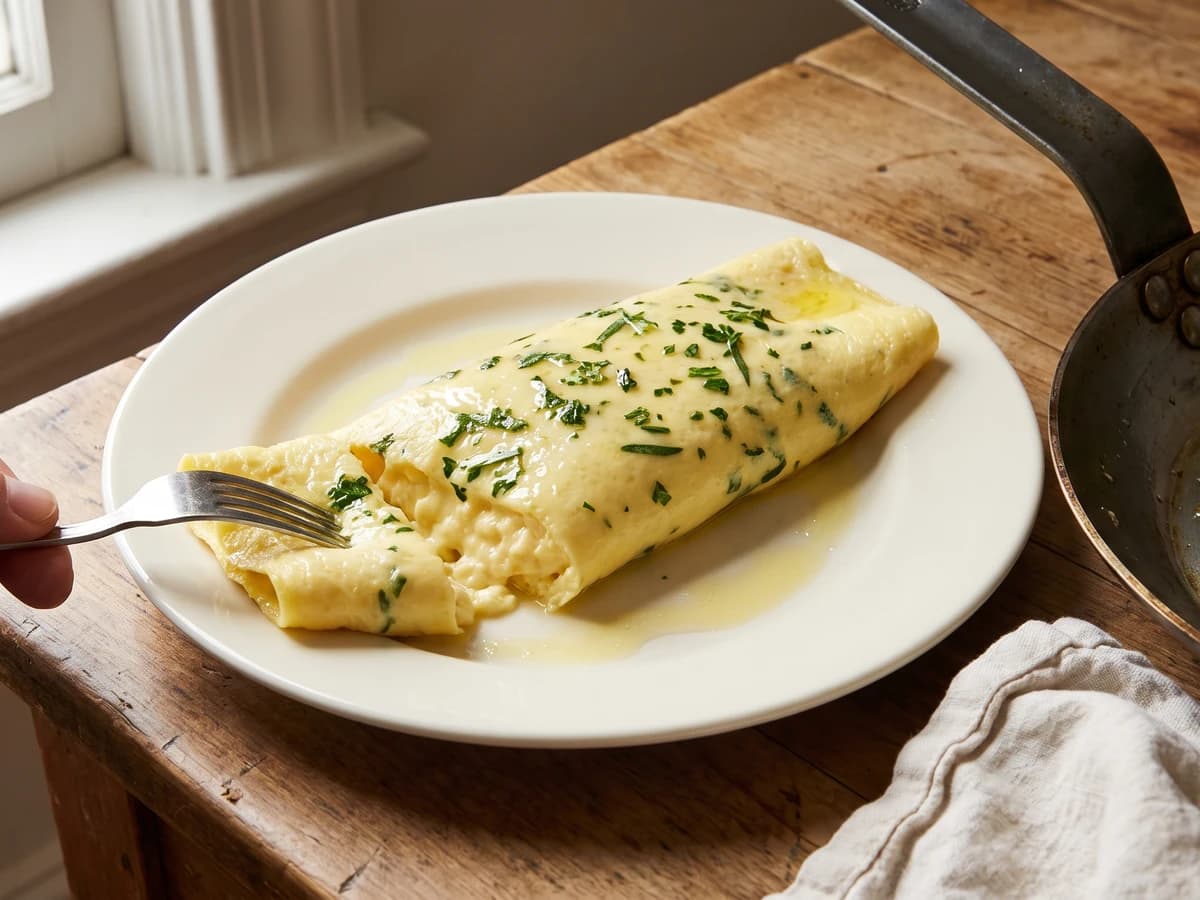
Four tender herbs, hot butter, and two eggs per pan: this rolled omelette teaches the quick hand and good judgment that keep the outside pale and the center creamy.
Chef Juliette
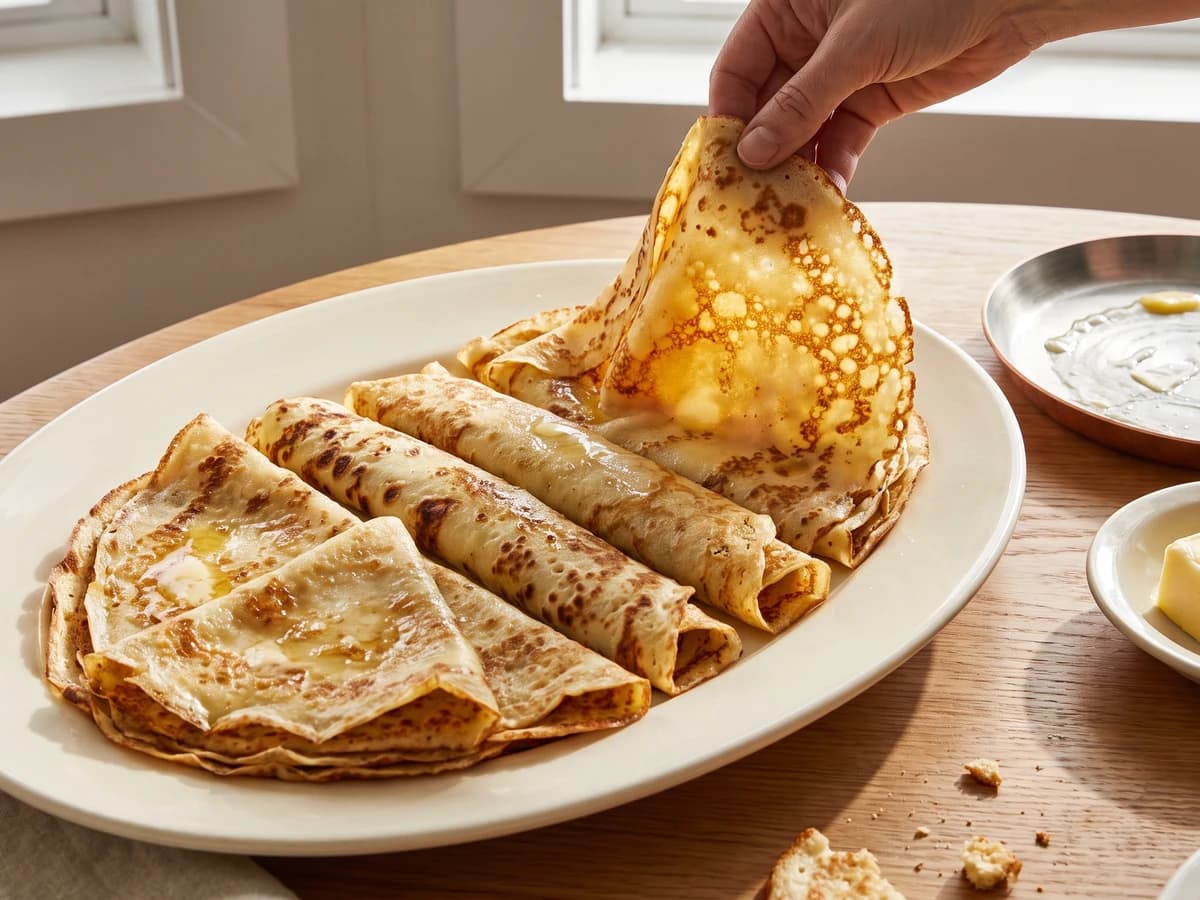
Four batters, one lesson: let the flour drink deeply before cooking, then spread the batter thinly in butter for crêpes and pannequets that bend without becoming tough.