Chef Dimitra
Aegean Islands Ladolemono (Λαδολέμονο)
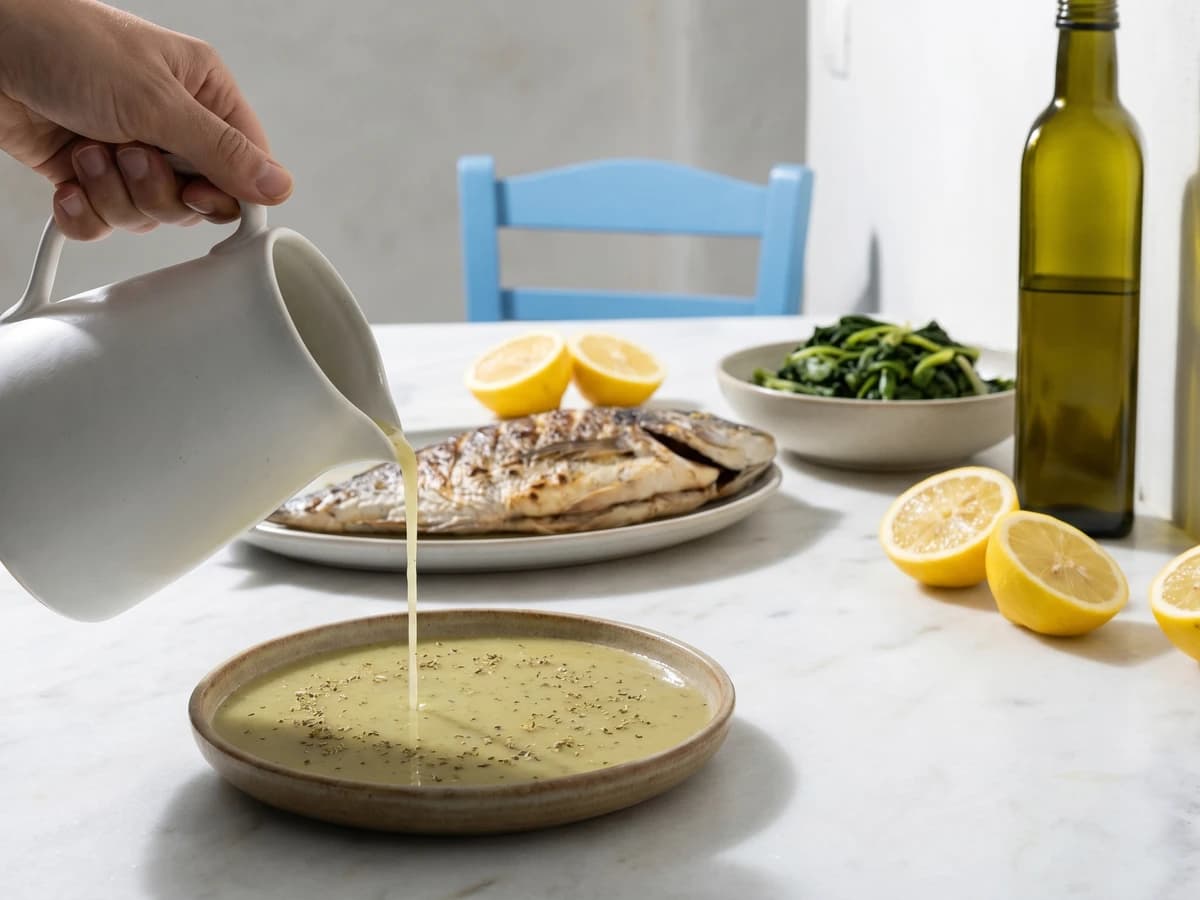
Aegean ladolemono is the quick oil-and-lemon sauce for grilled fish, boiled greens, and potatoes: cloudy when beaten hard, sharp enough to wake everything it touches on the plate.
A cooking platform built around craft, culture, and the stories behind what we eat.

Created by
Cypriot elies tsakistes are green olives cracked open, cured until the fierce bitterness softens, then kept bright with lemon, garlic, coriander seed, and good olive oil.
Cypriot elies tsakistes are fresh green olives cracked with a stone, cured in water, and finished in brine with lemon, garlic, coriander seed, and olive oil. They are sharp, grassy, and crisp under the teeth, a meze that belongs beside bread, pulses, and a small glass of something cold.
The whole dish rests on the crack and the daily water change. Leave the olives whole and the bitterness stays locked inside. Crack them too hard and you get bruised flesh instead of a clean split. Seven days of fresh water pulls out the harshness little by little, leaving enough bitterness to remind you these are olives, not candy.
I keep this version Cypriot because the coriander seed matters there. The region is the dish's surname. Once the olives are cured, the rest is simple: lemon for brightness, garlic for backbone, oregano only enough to speak, and green-gold oil over the top. A recipe written down is a recipe saved, even for something as small as the olive dish at the edge of the table.
Cracked green olives are made across Greek olive-growing regions, but the Cypriot table marks them clearly with coriander seed, garlic, and lemon. The method belongs to harvest season, when unripe olives are too bitter to eat and must be opened, soaked, and brined before winter. The daily water change is not a nicety; it is the old household cure for drawing out oleuropein, the compound that gives raw olives their fierce bite.
Quantity
1kg
unblemished
Quantity
2 litres
changed daily for curing
Quantity
80g
Quantity
1 litre
Quantity
2
unwaxed, thinly sliced
Quantity
6
lightly crushed
Quantity
2 tablespoons
cracked
Quantity
1 tablespoon
Quantity
120ml
Quantity
2 tablespoons
| Ingredient | Quantity |
|---|---|
| fresh firm green olivesunblemished | 1kg |
| cold waterchanged daily for curing | 2 litres |
| fine sea salt | 80g |
| water for brine | 1 litre |
| lemonsunwaxed, thinly sliced | 2 |
| garlic cloveslightly crushed | 6 |
| coriander seedscracked | 2 tablespoons |
| dried Greek oregano | 1 tablespoon |
| extra virgin Koroneiki olive oil | 120ml |
| fresh lemon juice | 2 tablespoons |
Choose firm green olives with tight skins, no bruising, and no soft spots. Rinse them well. This is not a recipe for ripe black olives; they cure differently and will not give you the crisp bite of tsakistes.
Set each olive on a board and strike it once with a clean stone, mallet, or the flat side of a heavy knife, just hard enough to split the flesh without crushing the pit. Tsakistes means cracked, and this is the step that decides the dish. The split lets the raw bitterness leave in water and later lets lemon, garlic, and coriander enter.
Put the cracked olives in a large non-reactive bowl or jar and cover with 2 litres cold water. Weigh them down with a small plate so they stay submerged. Change the water every day for 7 days, tasting one olive on the seventh day; it should still be pleasantly bitter, not raw and harsh.
Dissolve 80g fine sea salt in 1 litre water. Stir until clear. Pack the drained olives into clean jars with the lemon slices, crushed garlic, cracked coriander seeds, and oregano, then pour over enough brine to cover completely.
Pour a thin layer of olive oil over the surface of each jar. Close the jars and refrigerate. The olives are ready after 2 days in the brine, sharper and better after 5.
Lift out what you need with a clean spoon. Toss with a little of the brine, 2 tablespoons fresh lemon juice, and extra olive oil if the olives look dry. Serve cool or at room temperature, never straight from an icy fridge, because cold dulls good oil.
1 serving (about 125g)
Culinary guides, cultural storytelling, and the editorial depth that makes cooking meaningful.
Discover Culinary ExplorerChef Dimitra
Aegean ladolemono is the quick oil-and-lemon sauce for grilled fish, boiled greens, and potatoes: cloudy when beaten hard, sharp enough to wake everything it touches on the plate.
Chef Dimitra
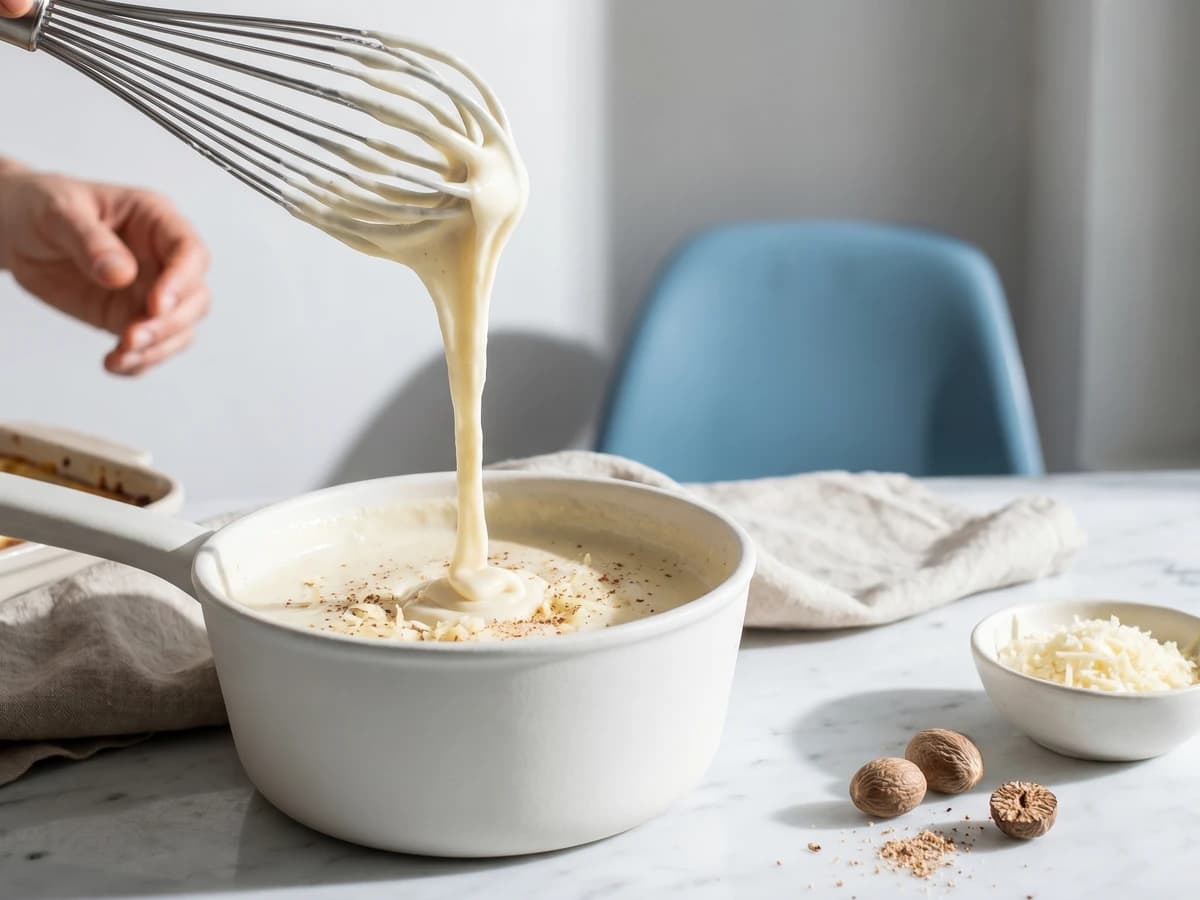
Athens gave Greek baking this thick white crown: a cooked butter-flour sauce enriched with eggs and cheese for moussaka, pastitsio, and the Sunday pan.
Chef Dimitra
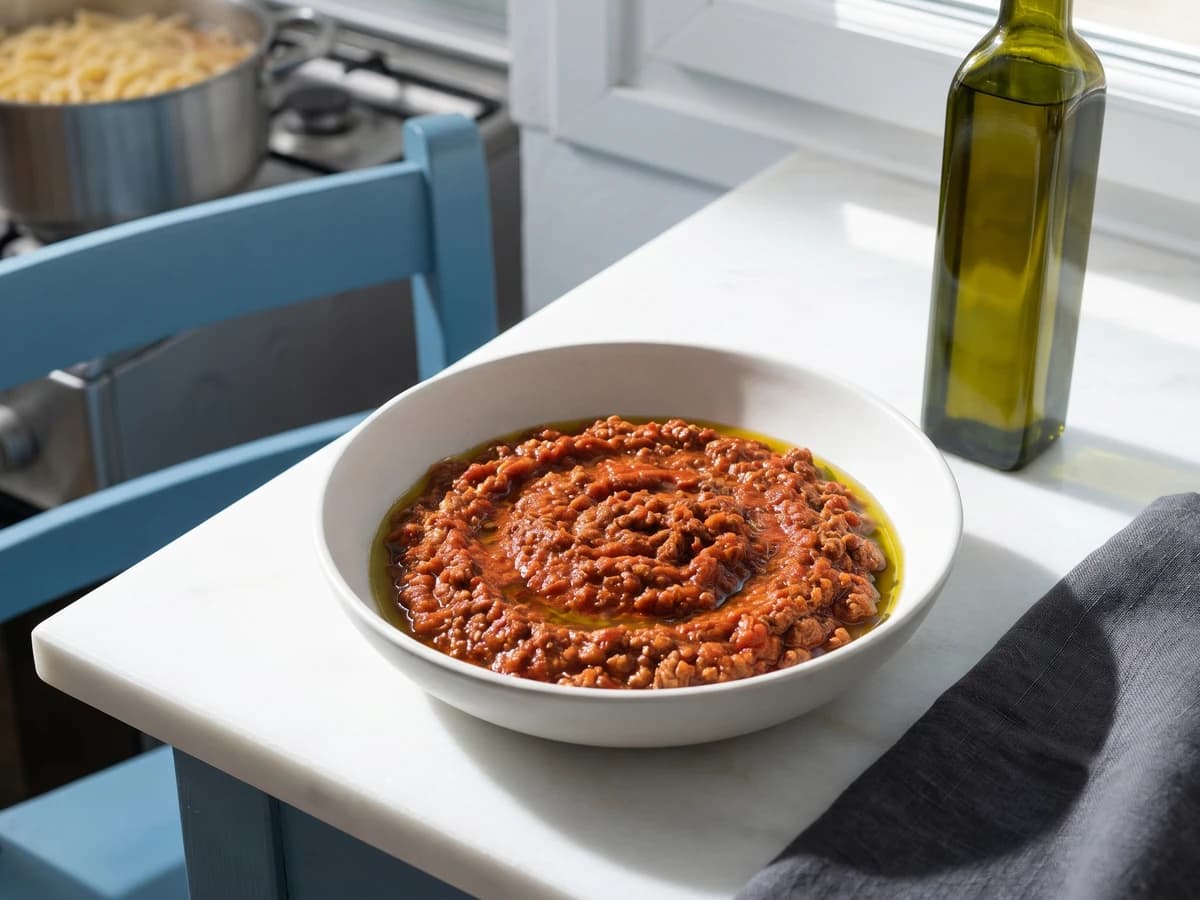
Athenian saltsa kima is minced beef, tomato, cinnamon, and allspice, cooked slowly until the sauce tightens and the green-gold oil pools at the top.
Chef Dimitra
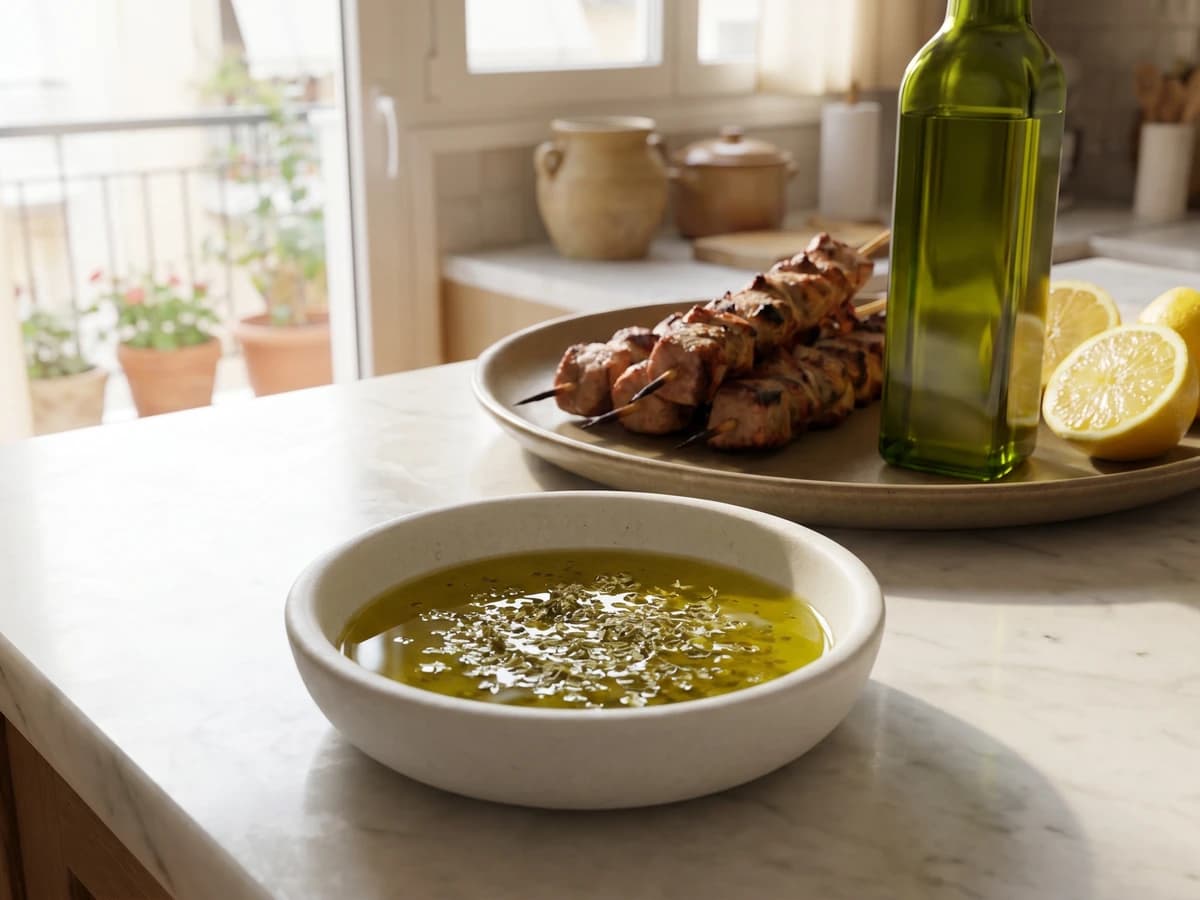
Attica's quick ladorigani is the oil, lemon, and oregano dressing that makes souvlaki taste like souvlaki. Bruise the rigani first, then let good olive oil do its work.