Chef Juliette
Ordinary or White Consommé
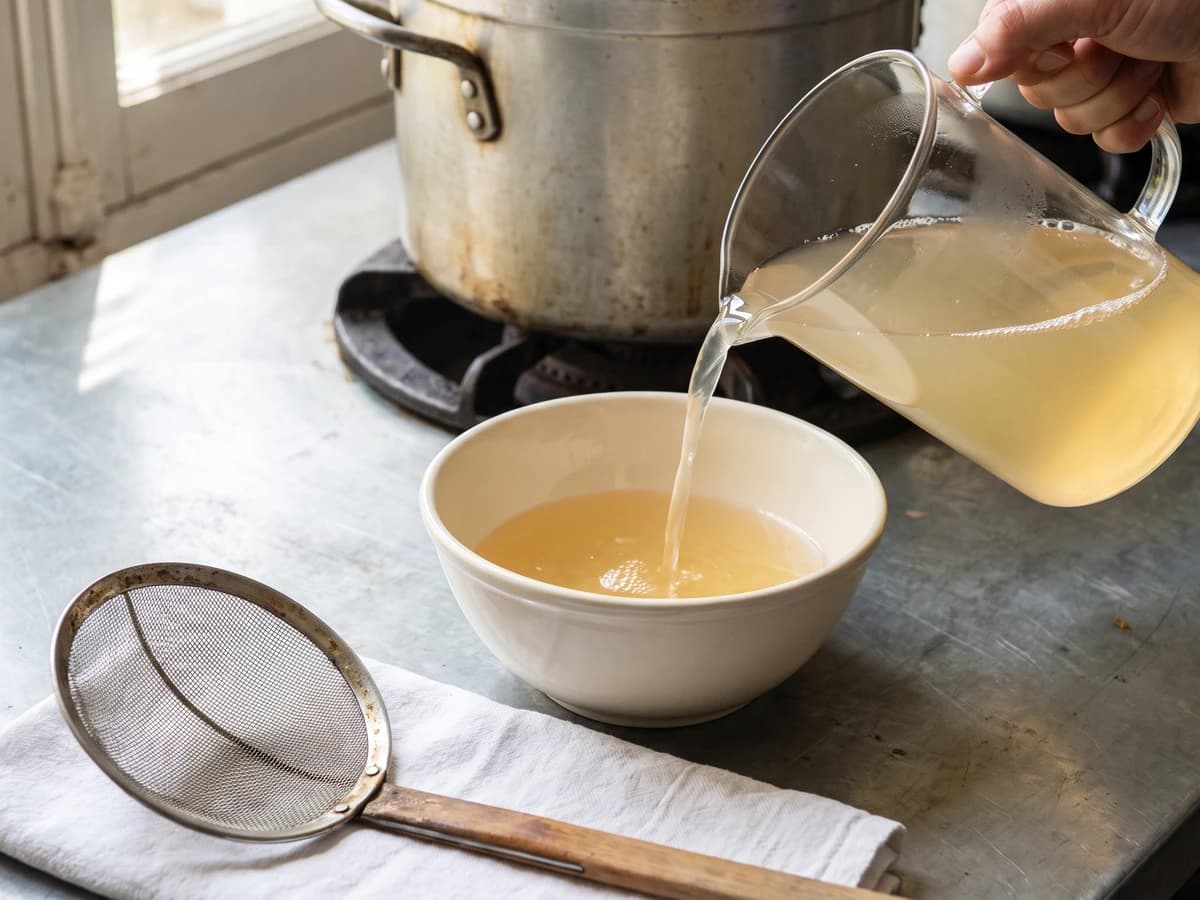
Beef shin, lean beef, and fowl begin in cold water and rise slowly toward a tremble. Skim before the boil, and you learn the quiet discipline that gives every clear French broth its backbone.
A cooking platform built around craft, culture, and the stories behind what we eat.
Created by Chef Juliette
Based on No. 51, Provençale Sauce, from Le Guide Culinaire (1907) by Auguste Escoffier
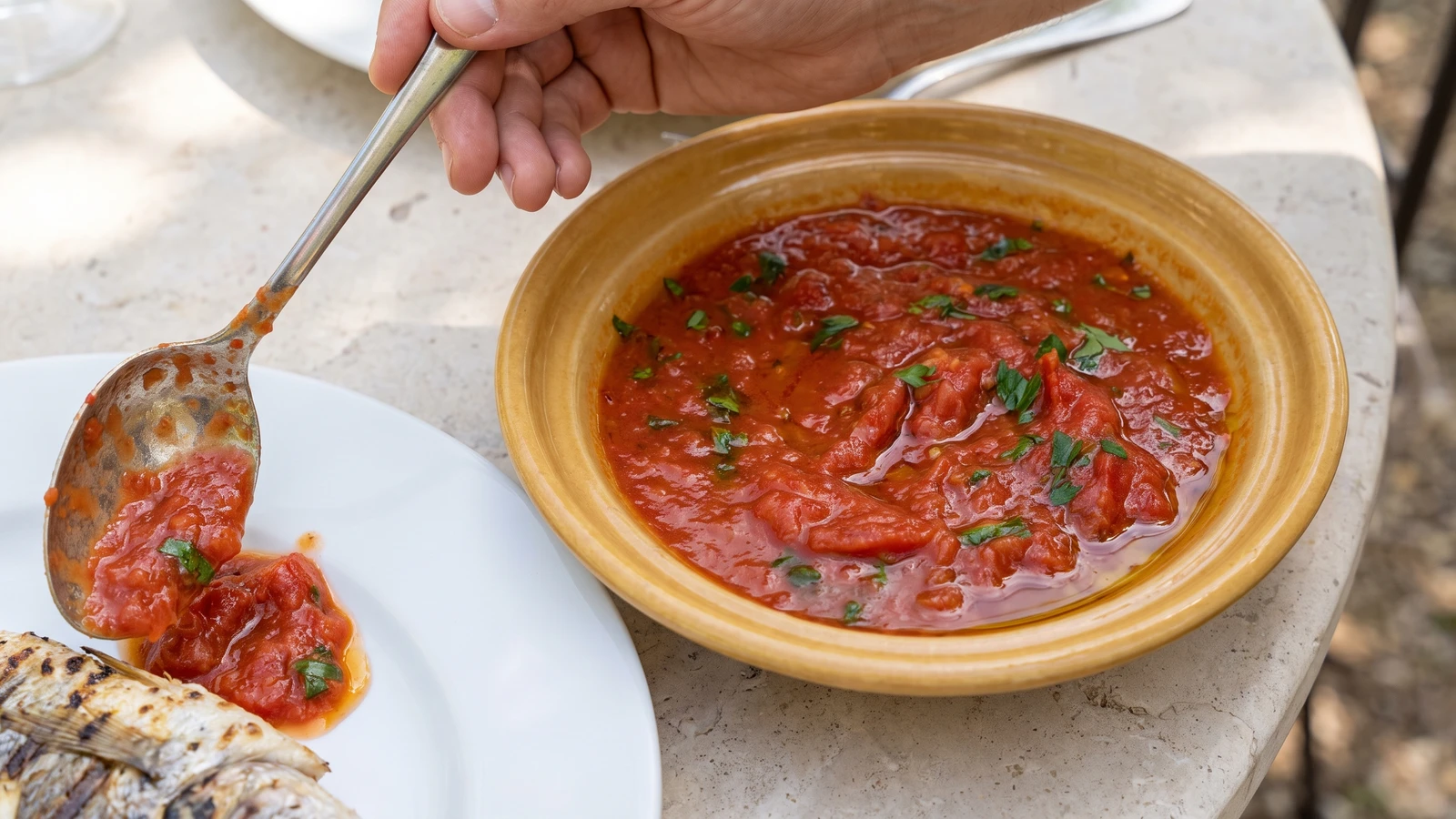
Sauce Provençale is Provence reduced to its essential grammar: ripe tomatoes, olive oil, garlic, parsley, and patience, melted gently into a glossy fondue that belongs beside fish, eggs, lamb, or vegetables.
Sauce Provençale (Provençal tomato and garlic sauce) teaches one true thing: tomatoes must melt, not fry. The finished sauce is a fine Fondue, meaning tomatoes cooked to a soft pulp, with enough olive oil to give it gloss and garlic enough to give it character. It isn't a purée, and it isn't a mother sauce dressed for the south. It is tomatoes and garlic made complete.
The original assumed a saucier with time to peel, seed, press, and Concass twelve tomatoes before the pan reached the fire. A stockpot never off the stove and a salamander have no work here. At home, a blanching pot loosens the skins, a sieve catches the seeds while saving the juice, and a wide sauté pan supplies the gentle evaporation. I keep the book's twelve tomatoes and translate their uncertain size into a useful weight; once prepared and melted, they make about two quarts without stock or anything else added to stretch them. One cook, one stove, one evening.
The peeling and seeding are necessary preparation, not brigade theater, because skins make the sauce stringy and seeds bring bitterness. The long, gentle melting is the dish itself. Keep the heat low enough that the Concass collapses into a glossy pulp without taking brown colour, and the Sauce Provençale will look after you.
Sauce Provençale belongs to Provence and its olive-oil kitchen, where ripe tomatoes and garlic form a natural accompaniment to fish, lamb, eggs, and summer vegetables. The preparation traveled from southern household pans into the national classical canon, where the name Provençale sometimes gathered onions and additional herbs along the way. This stricter formula corrects that drift: a true Sauce Provençale here is a fine Fondue of tomato and garlic, with parsley as its quiet finish.
Quantity
12 (about 5½ lb / 2.5 kg)
Quantity
½ cup (120 ml / 110 g)
Quantity
2 teaspoons (10 ml / 12 g)
Quantity
½ teaspoon (2.5 ml / 1 g)
Quantity
1 large clove
crushed
Quantity
1 pinch (⅛ teaspoon / 0.6 ml / 0.5 g)
Quantity
1 teaspoon (5 ml / 1 g)
finely chopped
| Ingredient | Quantity |
|---|---|
| medium-large ripe tomatoes | 12 (about 5½ lb / 2.5 kg) |
| extra-virgin olive oil | ½ cup (120 ml / 110 g) |
| fine sea salt | 2 teaspoons (10 ml / 12 g) |
| freshly ground black pepper | ½ teaspoon (2.5 ml / 1 g) |
| garliccrushed | 1 large clove |
| granulated sugar | 1 pinch (⅛ teaspoon / 0.6 ml / 0.5 g) |
| flat-leaf parsleyfinely chopped | 1 teaspoon (5 ml / 1 g) |
Bring a large pot of water to a boil and prepare a bowl of ice water. Cut a shallow cross through the skin at the base of each tomato, then blanch them in batches for 30 to 45 seconds, just until the skins loosen at the cuts. Move them directly into the ice water. Peel as soon as they're cool enough to hold; the skins should slip away without taking the flesh with them.
Halve the peeled tomatoes across their equators and squeeze the seeds into a fine-mesh sieve set over a bowl. Press the seeds gently to recover their clear tomato juice, then discard them. Set the tomato flesh in the sieve and press lightly with your palm so it sheds its loosest water without becoming dry. Concass means roughly chopped: cut the drained flesh into pieces about ½ inch (1 cm) across. Reserve the strained juice for controlling the sauce later.
Put the Concass in a bowl and season it evenly with the salt and black pepper. Toss with your hands or a broad spoon so every piece receives some seasoning. Doing this before the tomatoes reach the oil draws out their first juices and helps them collapse evenly.
Heat the olive oil in a wide, heavy sauté pan over medium heat until it shimmers and gives the first faint thread of smoke. Pull the pan from the heat for a moment, then add the seasoned tomatoes carefully in three additions; wet tomatoes meeting hot oil will spit, so use a long spoon and keep your face back. Return the pan to medium-low heat and add the crushed garlic, sugar, and chopped parsley in that order, preserving the book's sequence.
Cook uncovered over low heat for about 30 minutes, stirring from the bottom every few minutes. The tomatoes should lose their angles and settle into a fine, pulpy Fondue while remaining softly textured, with a clear red colour and a fine golden gloss at the edges. If the garlic or tomato begins to brown, lower the heat at once and stir in a spoonful of the reserved tomato juice. Ça se rattrape. If the sauce remains watery after 30 minutes, raise the heat only to medium-low and cook for 5 to 10 minutes longer, stirring more often.
Remove the pan from the heat and stir well to draw the olive oil through the tomato pulp. Taste for salt and pepper. Leave the sauce textured, because blending would erase the Concass and turn a fondue into a purée. Serve it warm beside grilled or roasted fish, lamb, eggs, courgettes, or aubergines, letting it pool generously rather than painting it across the plate. À table!
1 serving (about 120g)
Culinary guides, cultural storytelling, and the editorial depth that makes cooking meaningful.
Discover Culinary ExplorerChef Juliette
Beef shin, lean beef, and fowl begin in cold water and rise slowly toward a tremble. Skim before the boil, and you learn the quiet discipline that gives every clear French broth its backbone.
Chef Juliette
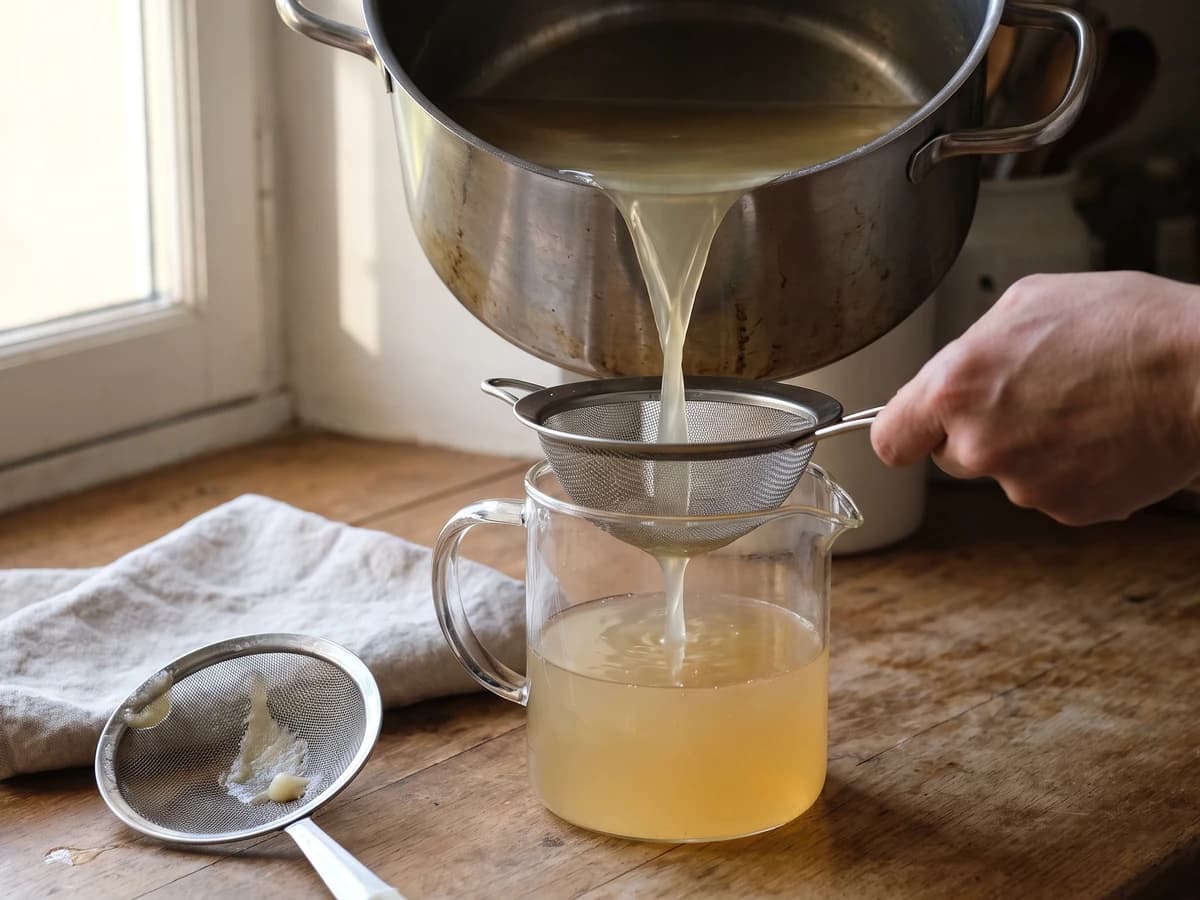
Break the veal bones small, then give them eight hours at a bare tremble. This pale, gelatinous fond becomes the quiet foundation beneath velouté, blanquette, and every sauce that must stay light.
Chef Juliette
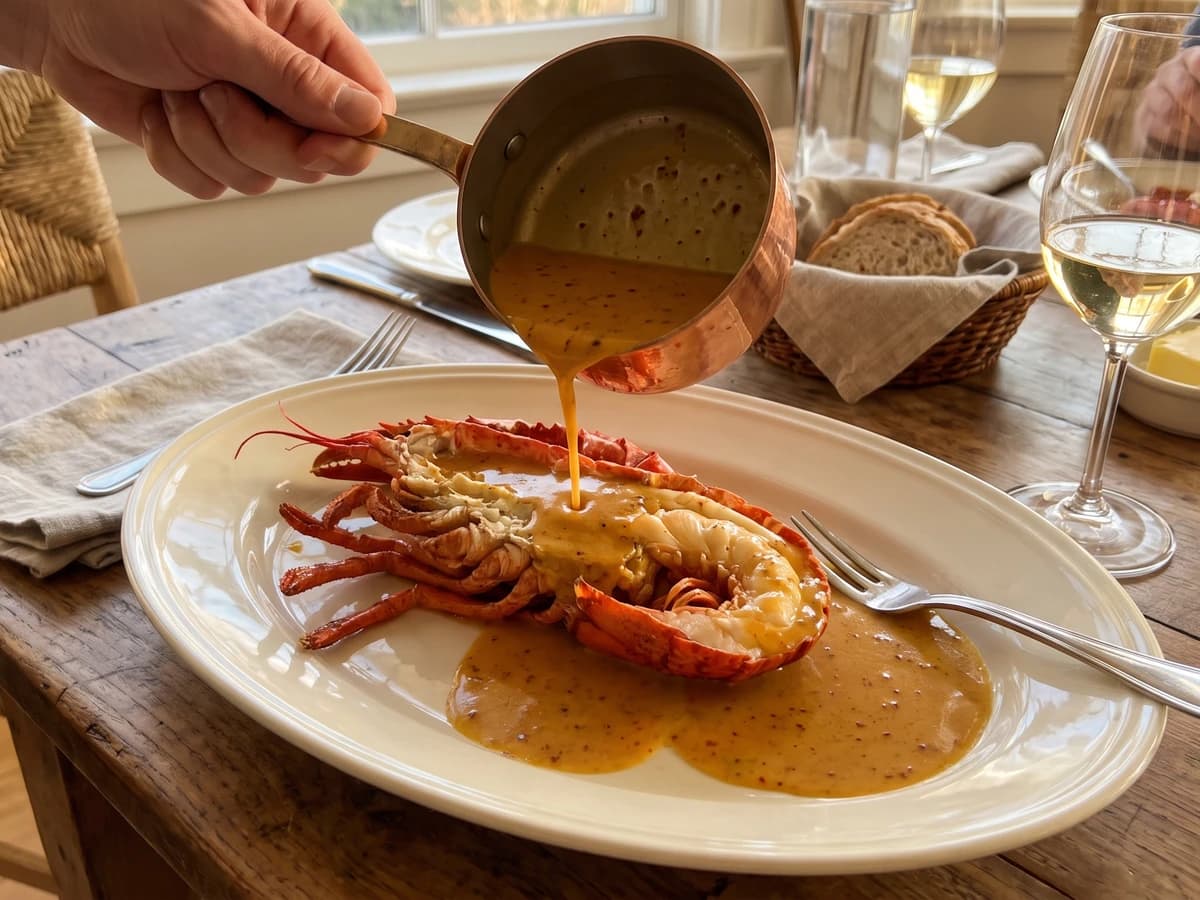
Sauce Orientale concentrates lobster-rich American Sauce with curry, then folds in cream away from the fire: a glossy, gently spiced derivative made for lobster, crayfish, and firm fish.
Chef Juliette
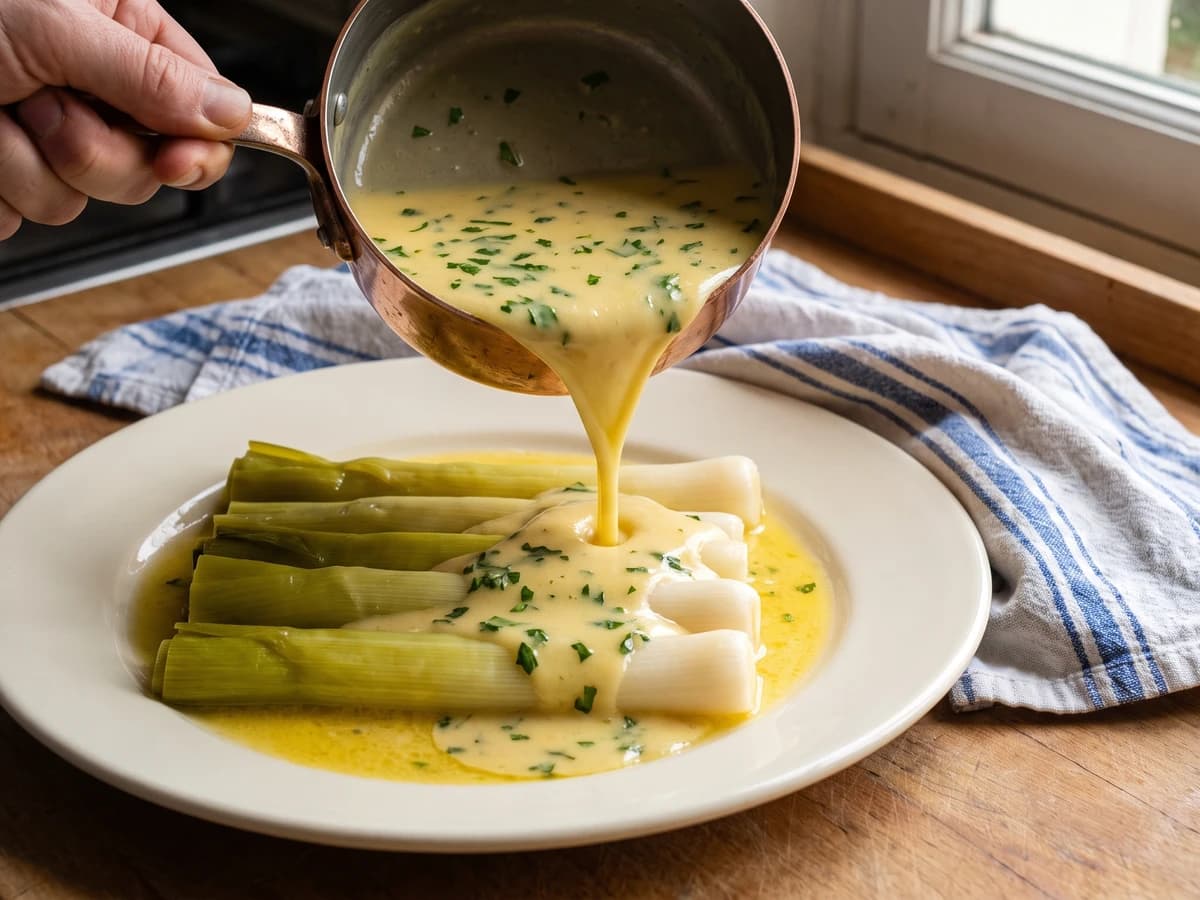
An old lesson in sauce families: Sauce Allemande takes mushroom liquor, then butter, lemon, and parsley, becoming a glossy Poulette for sheep's trotters, leeks, cauliflower, and anything needing gentle richness with a bright edge.