
Chef Juliette
Carottes Glacées pour Garnitures
Carottes Glacées prove that a garnish can teach a whole sauce lesson: carrots cook in butter, sugar, salt, and water until their own liquor reduces to a brilliant, clinging coat.
A cooking platform built around craft, culture, and the stories behind what we eat.
Created by Chef Juliette
Based on No. 2091, Purée de Chicorée, from Le Guide Culinaire (1907) by Auguste Escoffier
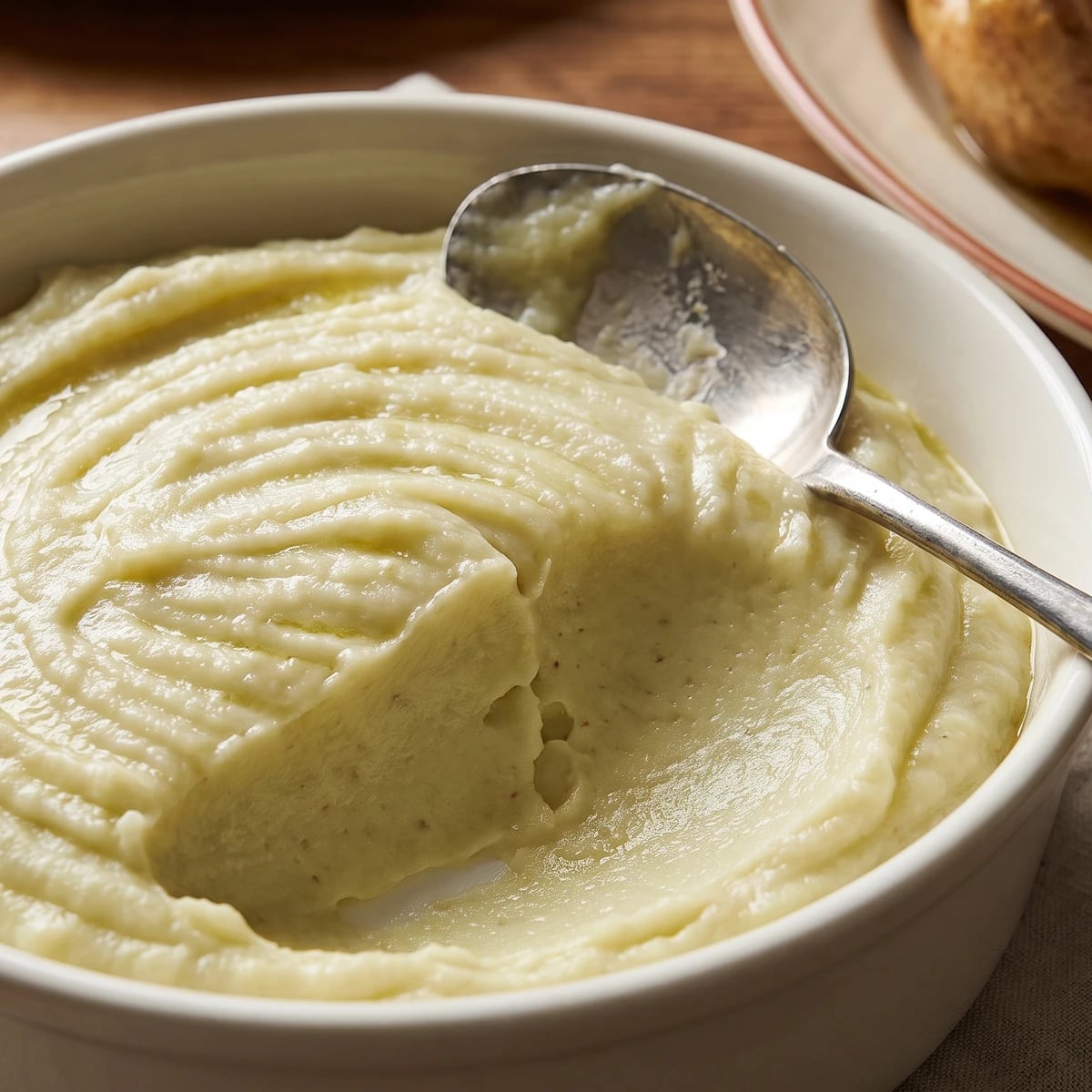
Purée de Chicorée turns braised Belgian endive into a silken, pleasantly bitter companion, held by one-third its bulk of creamed potato and glossed with butter only after the heat is gone.
Purée de Chicorée (braised chicory purée) teaches one exact lesson: finishing butter is an emulsion, not a cooking fat. Butter on the fire will oil the purée. The pan must leave the heat before those final cold cubes go in.
The classical entry assumed what its few lines did not need to explain: an entremetier tending the chicory, smooth creamed potato already waiting, a tamis for sieving, and a warmed timbale ready for service. It needs no perpetual stockpot, saucier, or salamander. At home, the chicory and potato cook alongside one another, a sturdy fine-mesh sieve replaces the tamis, and a warmed deep bowl replaces the hot-held serving vessel. Separate pans held through service are brigade scaffolding; braising the chicory, sieving away its fibers, keeping the three-to-one ratio, and buttering off the heat are the dish itself. One cook, one stove, one evening.
Done properly, the purée is pale ivory-green, smooth enough to settle beneath the spoon, with chicory's tender bitterness first and cream and butter rounding the finish. The potato must support that flavor without smothering it. Measure the two purées by volume, then remember the step that decides everything: remove the pan from the fire before the finishing butter.
Purée de Chicorée sits in the classical French vegetable repertoire, but its ingredient has its strongest table life in Flanders and northern France, where witloof chicory is called chicon and braised through the cold season. The refined kitchen took that household braise, pressed it through a tamis, and steadied its bitterness with a measured share of creamed potato before serving it beside veal, poultry, or ham. The potato is not filler: at one-third the chicory's bulk, it gives the purée body while leaving chicory as the unmistakable flavor.
Quantity
8 medium (about 2 lb / 900 g)
bases trimmed and heads halved lengthwise
Quantity
2 tablespoons (30 ml / 28 g)
Quantity
1/2 cup (120 ml / 120 g)
divided
Quantity
1 teaspoon (5 ml / 6 g), plus more if needed
divided
Quantity
1 medium (about 6 oz / 170 g)
peeled and cut into 3/4-inch pieces
Quantity
1/4 cup (60 ml / 60 g)
warmed and divided
Quantity
3 tablespoons (45 ml / 42 g)
cut into small cubes
| Ingredient | Quantity |
|---|---|
| Belgian endivesbases trimmed and heads halved lengthwise | 8 medium (about 2 lb / 900 g) |
| unsalted butter for braising | 2 tablespoons (30 ml / 28 g) |
| waterdivided | 1/2 cup (120 ml / 120 g) |
| fine sea saltdivided | 1 teaspoon (5 ml / 6 g), plus more if needed |
| floury potatopeeled and cut into 3/4-inch pieces | 1 medium (about 6 oz / 170 g) |
| heavy creamwarmed and divided | 1/4 cup (60 ml / 60 g) |
| cold unsalted butter for finishingcut into small cubes | 3 tablespoons (45 ml / 42 g) |
Melt the braising butter in a wide lidded sauté pan over medium heat. Set the endives cut-side down in a snug layer, season with half the measured salt, and add 6 tablespoons (90 ml) of the water. Bring the liquid to a gentle simmer, cover, and lower the heat. Braise for 25 to 30 minutes, turning once, until a knife passes through the thick bases without resistance. If the pan dries before the chicory is tender, add the reserved 2 tablespoons (30 ml) water. If the bottom catches, move the endives to a clean pan without scraping up the scorched patch and continue with fresh water. Ça se rattrape, but burnt braising liquor cannot be hidden in a pale purée.
While the chicory braises, put the potato in a saucepan, cover it with cold water, and season the water with a little of the remaining salt. Bring to a simmer and cook for 12 to 15 minutes, until the pieces crush readily beneath a fork. Drain thoroughly, return them to the dry pan for one minute over low heat, then pass them through a potato ricer or food mill while hot. Dry potato accepts cream cleanly; waterlogged potato makes the finished purée slack.
Uncover the tender chicory and raise the heat to medium. Turn the pieces gently for 4 to 6 minutes, until their braising liquor has reduced back into them and the pan is nearly dry. Do not chase a dark crust because its bitterness will dominate the finished dish. Chop the chicory, then rub it firmly through a sturdy fine-mesh sieve with a flexible scraper, collecting the smooth purée from the underside. A processor may do the chopping, but it cannot replace this final sieving: removing the threadlike fibers is part of the dish, not brigade scaffolding. Measure the volume of the sieved chicory.
Fold 3 tablespoons (45 ml) of the warmed cream into the riced potato over low heat, adding it gradually until the potato is perfectly smooth but still holds a soft mound. Season lightly. Do not beat it aggressively once it has absorbed the cream, or the starch turns elastic. If small lumps remain, press the creamed potato through the sieve while it is still warm.
Combine three parts sieved chicory with one part creamed potato by volume. For 1 1/2 cups (360 ml) chicory purée, use 1/2 cup (120 ml) creamed potato. Chicory varies in water content, so the measuring cup governs, not the hope that every spoonful of potato must go in. Heat the mixture in a clean, wide saucepan over medium-low heat, stirring steadily, until thoroughly hot and dense enough to hold the trail of the spoon. If it is loose, keep stirring over the heat until excess moisture leaves now, before the finishing butter enters. If it is too firm, loosen it with one teaspoon of the reserved cream.
Take the pan completely off the heat and wait about 30 seconds for all bubbling to stop. Monter au beurre, meaning mount the purée with butter, by beating in the cold cubes a few at a time until each disappears and the surface gains a fine, even sheen. Never return the pan to the fire after this point. If yellow beads of butter appear, the purée was too hot: stop adding butter and beat in the remaining cold cream until the emulsion closes again. Ça se rattrape. Taste for salt, spoon the purée generously into a warmed timbale or deep serving bowl, and serve at once. À table!
1 serving (about 210g)
Culinary guides, cultural storytelling, and the editorial depth that makes cooking meaningful.
Discover Culinary Explorer
Chef Juliette
Carottes Glacées prove that a garnish can teach a whole sauce lesson: carrots cook in butter, sugar, salt, and water until their own liquor reduces to a brilliant, clinging coat.

Chef Juliette
Carottes à la Crème teaches the order that makes the dish: glaze the carrots to a syrup first, add the cream boiling, then reduce until each piece wears a shining ivory coat.

Chef Juliette
Carottes à la Vichy prove that a glaze is made by reduction, not decoration: even carrot coins cooked until tender and brilliant, then finished with parsley at the last moment.

Chef Juliette
Purée de Carottes turns humble carrots and rice into a butter-glossed, perfectly stable purée: sieve it fine, dry it fiercely, then loosen it until the spoon leaves one soft furrow.