Chef Juliette
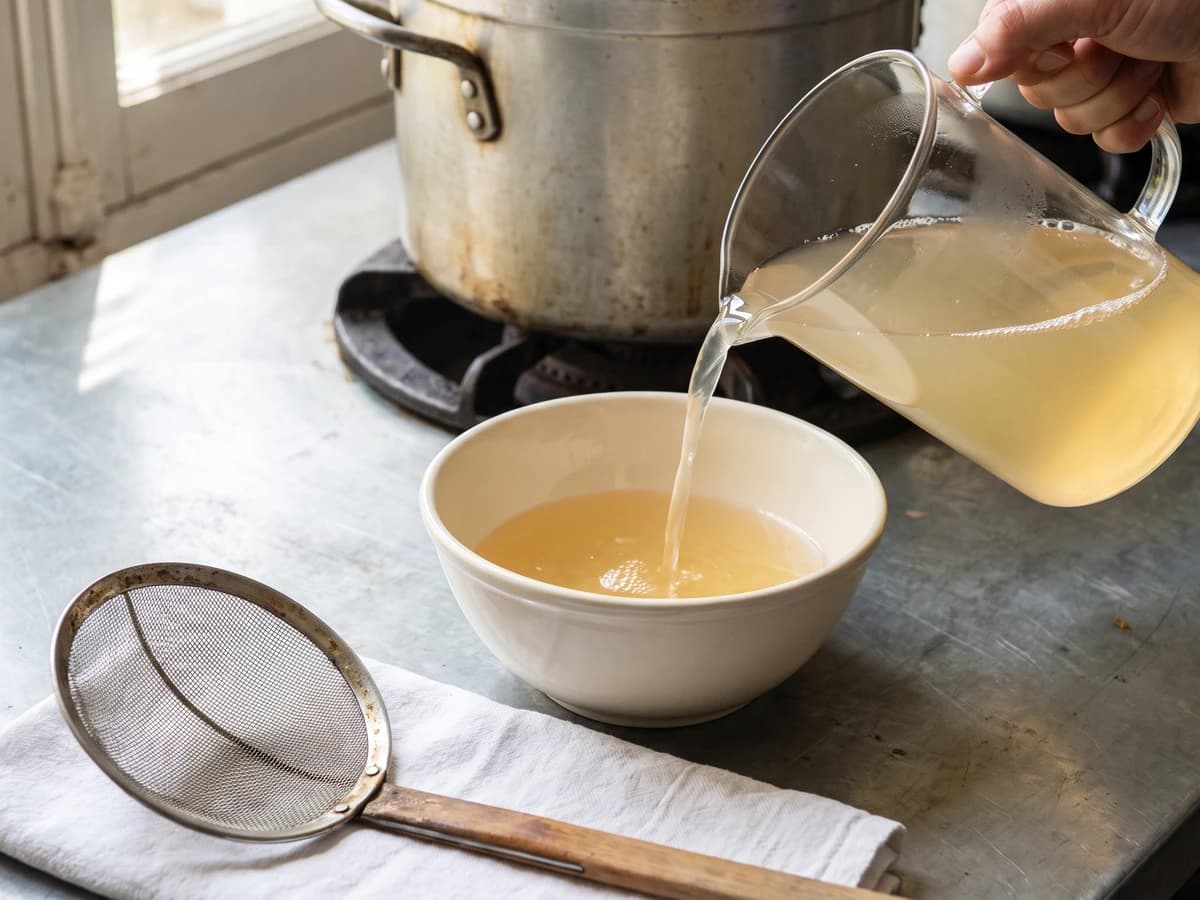
Ordinary or White Consommé
Beef shin, lean beef, and fowl begin in cold water and rise slowly toward a tremble. Skim before the boil, and you learn the quiet discipline that gives every clear French broth its backbone.
A cooking platform built around craft, culture, and the stories behind what we eat.
Created by Chef Juliette
Based on No. 115, Cranberry Sauce, from Le Guide Culinaire (1907) by Auguste Escoffier
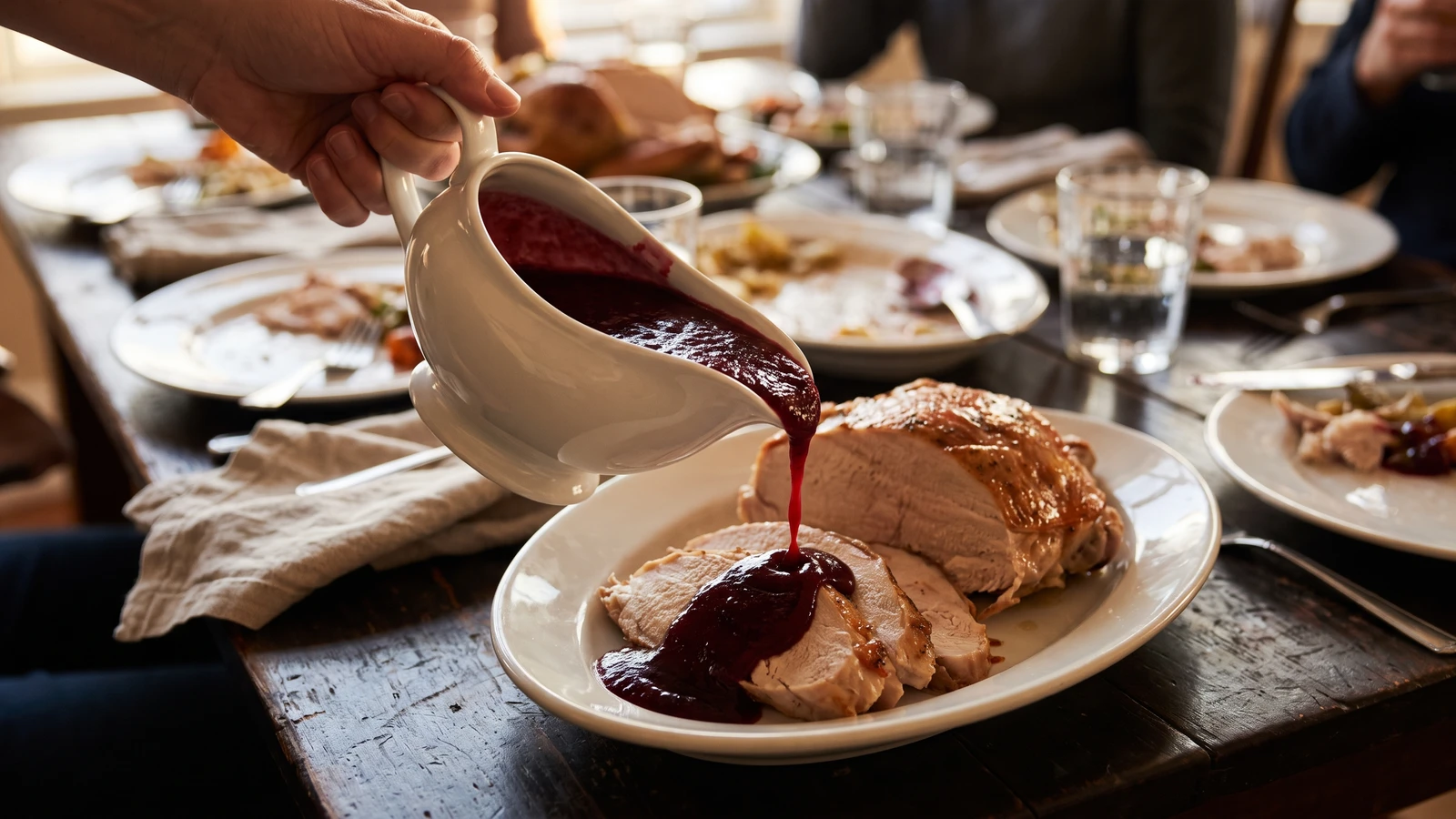
French sieve-work gives the holiday table its sharpest foil: cranberries cooked soft, pressed smooth, loosened cautiously with their own liquor, and sweetened only until their bright tartness stands beside roast turkey.
Sauce aux canneberges (cranberry sauce) teaches controlled dilution. The berries contain their own pectin, so the one true thing to know before touching a pan is simple: the reserved cooking liquor returns by spoonfuls, never by the flood. Pour it all back and you erase the body you just made.
Unlike a mother sauce, the old formula assumes neither a stockpot kept on the fire nor a saucier at attention. It asks for a covered stewpan, a fine sieve, and enough hands to pass the fruit while the roast is attended. A lidded saucepan and modern fine-mesh sieve are the honest home equivalents. The formula is already the size of one generous holiday bowl, so its ratio of one part berries to two parts water remains unchanged. The passing stays because it is the dish; a separate straining station and warming hand are brigade scaffolding, so they go. One cook, one stove, one evening.
Finished well, the sauce is smooth and wine-dark, tart enough to wake the turkey and sweet only to your table's taste. Press every bit of flesh through the sieve, then add the liquor little by little. That last loosening is the step that decides the sauce.
Cranberry sauce belongs first to the North American holiday table, where the continent's native berry became the tart partner to roast turkey. French classical compendia admitted it under its English name as a foreign accompaniment, not as the product of Lyon, Normandy, or any other French regional larder. The fine-sieve treatment is the canon's intervention: it changes a rustic berry compote into a smooth sauce that can be spooned or poured.
Quantity
2 cups (475 ml / 200 g)
rinsed and picked over if fresh
Quantity
4 cups (950 ml / 950 g)
Quantity
½ to 1 cup (120 to 240 ml / 100 to 200 g)
according to taste
| Ingredient | Quantity |
|---|---|
| fresh or frozen cranberriesrinsed and picked over if fresh | 2 cups (475 ml / 200 g) |
| water | 4 cups (950 ml / 950 g) |
| granulated sugaraccording to taste | ½ to 1 cup (120 to 240 ml / 100 to 200 g) |
Pick through the cranberries and discard any that are soft, shriveled, or bruised. Rinse fresh berries under cool water; frozen berries can go directly into the pan. Put them in a 2-quart (2-liter) saucepan with the water and cover tightly.
Bring the covered pan just to a boil, then lower the heat and simmer gently for 10 to 12 minutes. The berries will pop, but popping alone is not doneness. Continue until every berry has collapsed and its flesh crushes without resistance against the side of the pan. Keep the lid on so the book's berry-to-water ratio remains intact.
Set a fine-mesh sieve over a heatproof jug and pour in the berries and their cooking liquid. Let them drain for 3 to 5 minutes without pressing, then reserve every drop of the garnet cooking liquor. Move the sieve and berries over a clean bowl.
Passer au tamis means pressing through a fine sieve. Work the softened berries firmly with the back of a sturdy spoon or a flexible spatula, scraping the underside of the sieve often, until only dry skins and seeds remain. Discard those solids. This passing is not brigade decoration; it is the dish, turning burst berries into a smooth purée rather than a relish.
Return the cranberry purée to the saucepan. Stir in the reserved cooking liquor 1 tablespoon (15 ml / 15 g) at a time, stopping when the sauce falls from the spoon in a slow ribbon and settles into a soft mound. You will not need all the liquor. Add ½ cup (120 ml / 100 g) sugar and warm gently until dissolved, then taste from a cooled spoon and add more sugar in 2-tablespoon (30 ml / 25 g) portions as your table prefers. If the sauce becomes thin, simmer it uncovered for 2 to 5 minutes until it coats the spoon again. Ça se rattrape. If it tightens too far, loosen it with another teaspoonful of liquor. Serve warm with roast turkey. À table!
1 serving (about 65g)
Culinary guides, cultural storytelling, and the editorial depth that makes cooking meaningful.
Discover Culinary ExplorerChef Juliette
Beef shin, lean beef, and fowl begin in cold water and rise slowly toward a tremble. Skim before the boil, and you learn the quiet discipline that gives every clear French broth its backbone.
Chef Juliette
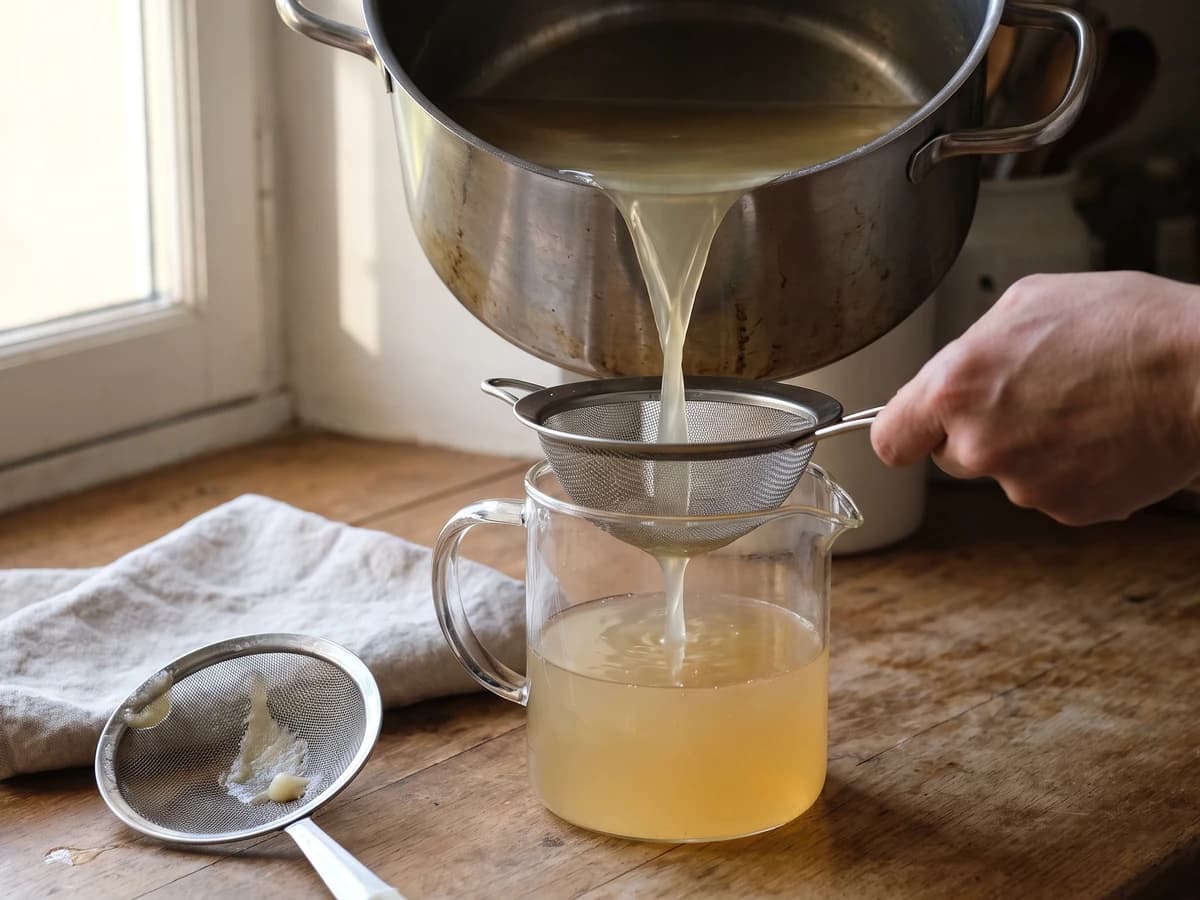
Break the veal bones small, then give them eight hours at a bare tremble. This pale, gelatinous fond becomes the quiet foundation beneath velouté, blanquette, and every sauce that must stay light.
Chef Juliette
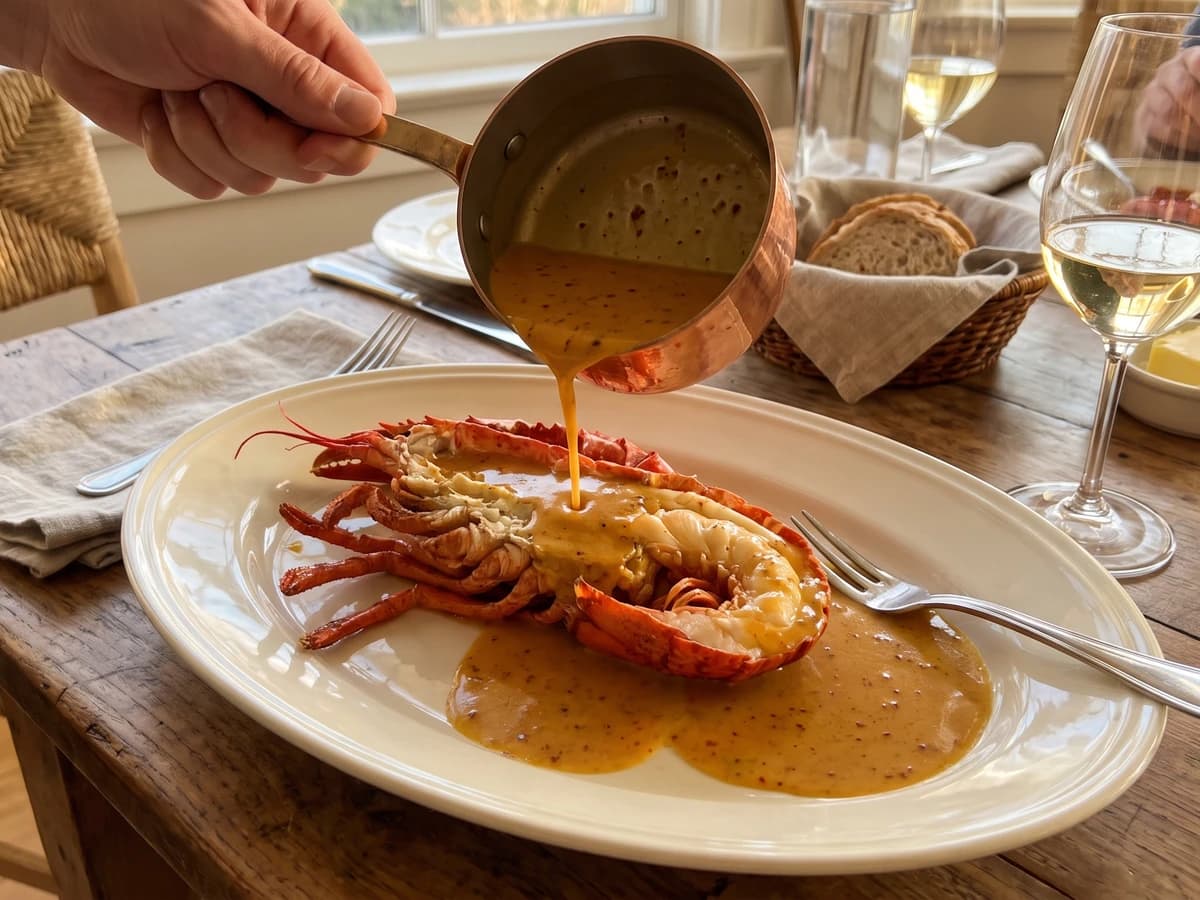
Sauce Orientale concentrates lobster-rich American Sauce with curry, then folds in cream away from the fire: a glossy, gently spiced derivative made for lobster, crayfish, and firm fish.
Chef Juliette
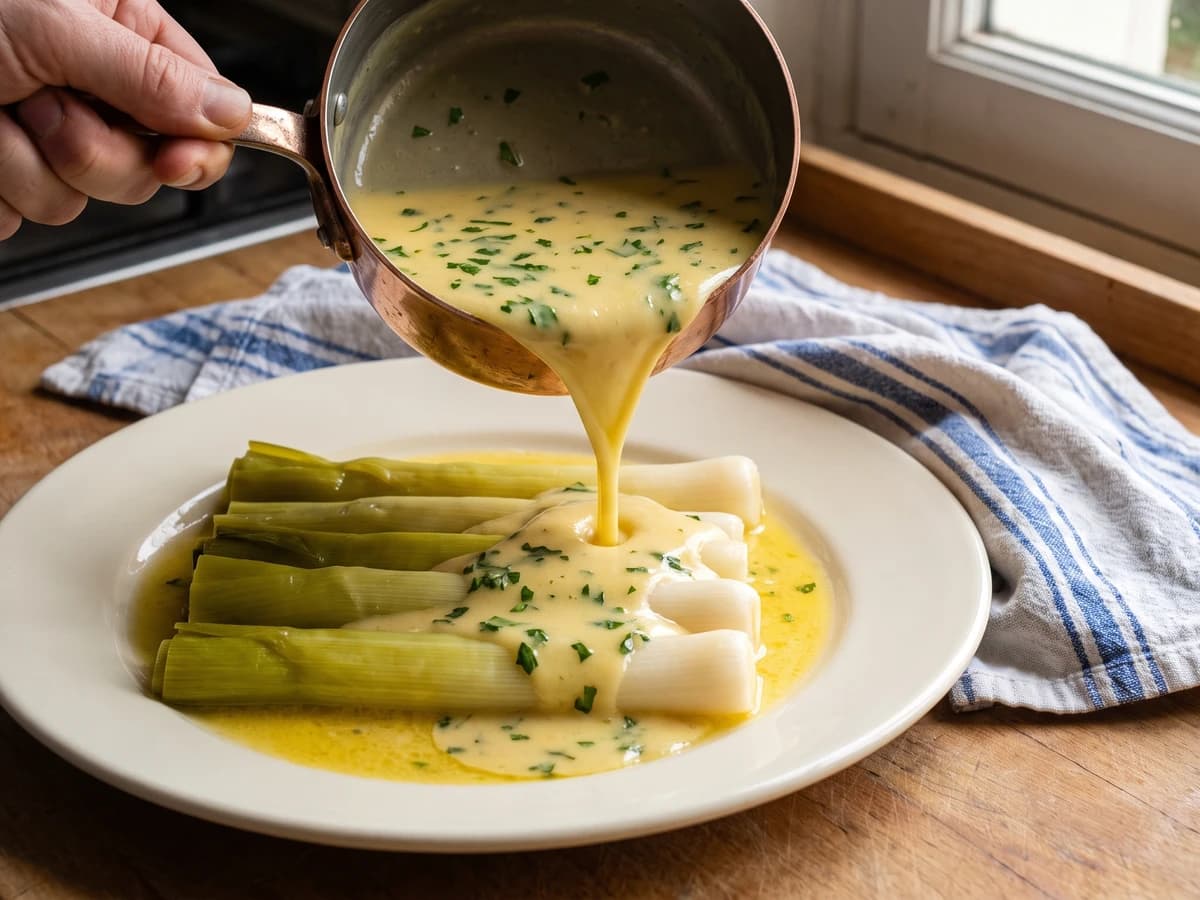
An old lesson in sauce families: Sauce Allemande takes mushroom liquor, then butter, lemon, and parsley, becoming a glossy Poulette for sheep's trotters, leeks, cauliflower, and anything needing gentle richness with a bright edge.