Chef Isabel
Acedías Fritas de Cádiz
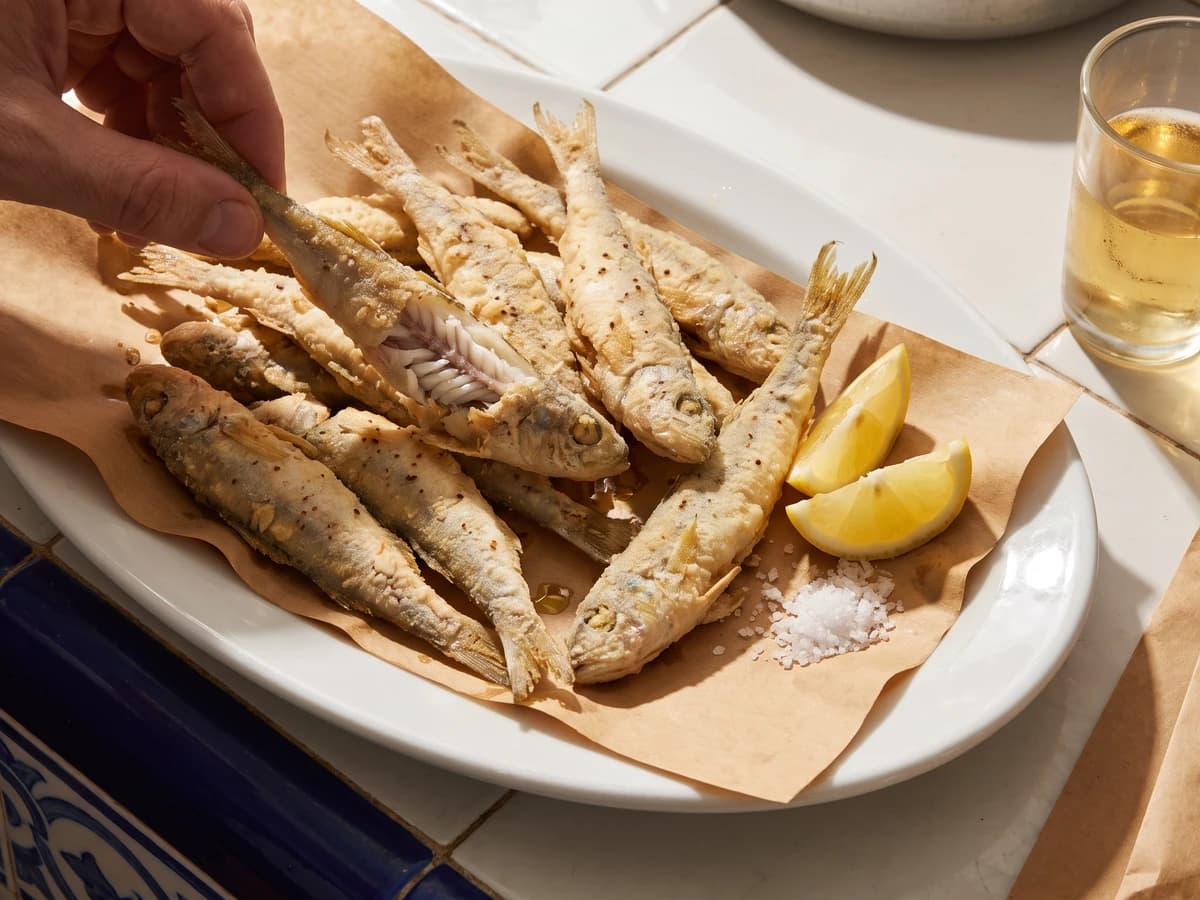
Acedías fritas belong to Cádiz: tiny wedge sole, salted, dusted in frying flour, and dropped into very hot olive oil so the rims crisp while the fish stays tender.
A cooking platform built around craft, culture, and the stories behind what we eat.

Created by
Zarajos de Cuenca are lamb intestines wrapped around a sarmiento, a vine shoot, then fried until the outside goes crisp and the centre stays tender. Dry them well before the oil.
Zarajos de Cuenca belong to Castilla-La Mancha, and more tightly to Cuenca: cleaned lamb intestines wound around a sarmiento, a dry vine shoot, then cooked until crisp outside and tender within. This is not a polite little bite dressed up for visitors. It is shepherd's food, market food, and it tastes of lamb, garlic, parsley, olive oil, and the clean smoke of vine wood when you can get it.
The method that decides it is drying. The intestines must be cleaned, blanched, wrapped tight, then dried very well before they touch the hot oil. Wet zarajos spit, steam, and go rubbery. Dry zarajos brown, tighten, and crisp at the edges, which is the whole pleasure of them.
If you are far from Cuenca, ask a good butcher for cleaned lamb small intestines, preferably from young lamb, and do not be shy about saying you need them ready for cooking. No sarmiento where you are? Use an untreated wooden skewer soaked in water; you lose the faint vine scent, but the shape and cooking stay right. If you can only find prepared zarajos from a Spanish butcher, even better. Pésalo, no lo adivines, and dry them properly. Siempre sale, si lo sigues.
Zarajos are tied to Cuenca and the lamb country of Castilla-La Mancha, where nothing useful from the animal was wasted and offal cookery belonged naturally to the home and the market. The vine shoot, or sarmiento, came from the same landscape of vineyards and shepherding, serving as both spindle and seasoning when the coils were cooked over coals. They are close in spirit to gallinejas and entresijos of Madrid, but Cuenca's zarajo is recognized by its tight coil around the sarmiento.
Quantity
800g
rinsed and drained
Quantity
2
or soaked wooden skewers
Quantity
1 liter
for blanching
Quantity
1
Quantity
6g, plus more to finish
Quantity
3
minced
Quantity
15g
finely chopped
Quantity
60ml
for the marinade
Quantity
1 tablespoon
Quantity
500ml
for frying
Quantity
1
cut into wedges
| Ingredient | Quantity |
|---|---|
| cleaned lamb small intestinesrinsed and drained | 800g |
| untreated dry vine shoots, about 18cm longor soaked wooden skewers | 2 |
| waterfor blanching | 1 liter |
| bay leaf | 1 |
| fine sea salt | 6g, plus more to finish |
| garlic clovesminced | 3 |
| flat-leaf parsleyfinely chopped | 15g |
| extra virgin olive oilfor the marinade | 60ml |
| lemon juice | 1 tablespoon |
| olive oilfor frying | 500ml |
| lemoncut into wedges | 1 |
Rinse the cleaned lamb intestines under cold running water until the water runs clear. Bring 1 liter water to a boil with the bay leaf and 6g salt, add the intestines, and blanch for 5 minutes. Drain, rinse again, and pat them very dry. This first cook firms them enough to wrap without tearing.
Lay a vine shoot or soaked wooden skewer on the board. Wind the intestine around it in a tight, even coil, overlapping slightly so it holds together but does not become a thick lump. Make 4 smaller coils or 2 larger ones. Tuck the ends under the last turn. Tight wrapping gives you a zarajo, not just fried tripe in a pile.
Mix the minced garlic, parsley, 60ml extra virgin olive oil, and lemon juice. Rub this over the coils, cover, and leave them for 20 minutes at room temperature. Do not drown them in marinade. They should be seasoned, not wet.
Lift the zarajos from the marinade and pat every surface dry with kitchen paper. Leave them uncovered on a rack for 10 minutes while the frying oil heats. This is the step that decides the dish: dry coils crisp in the oil, wet ones boil and turn tough.
Heat 500ml olive oil in a deep frying pan to 180C. Fry the zarajos in batches for 4 to 6 minutes, turning once or twice, until deep golden, crisp at the ridges, and cooked through. If your coils are large, give them another minute over slightly lower heat so the centre finishes without burning the outside.
Drain on a rack, not a flat plate, so the underside stays crisp. Sprinkle with a little fine salt while hot, then slice across the coils into thick rounds if you made large zarajos. Serve at once with lemon wedges. The lemon is for brightness, not for hiding poor cleaning. Buy well and cook clean.
1 serving (about 170g)
Culinary guides, cultural storytelling, and the editorial depth that makes cooking meaningful.
Discover Culinary ExplorerChef Isabel
Acedías fritas belong to Cádiz: tiny wedge sole, salted, dusted in frying flour, and dropped into very hot olive oil so the rims crisp while the fish stays tender.
Chef Isabel
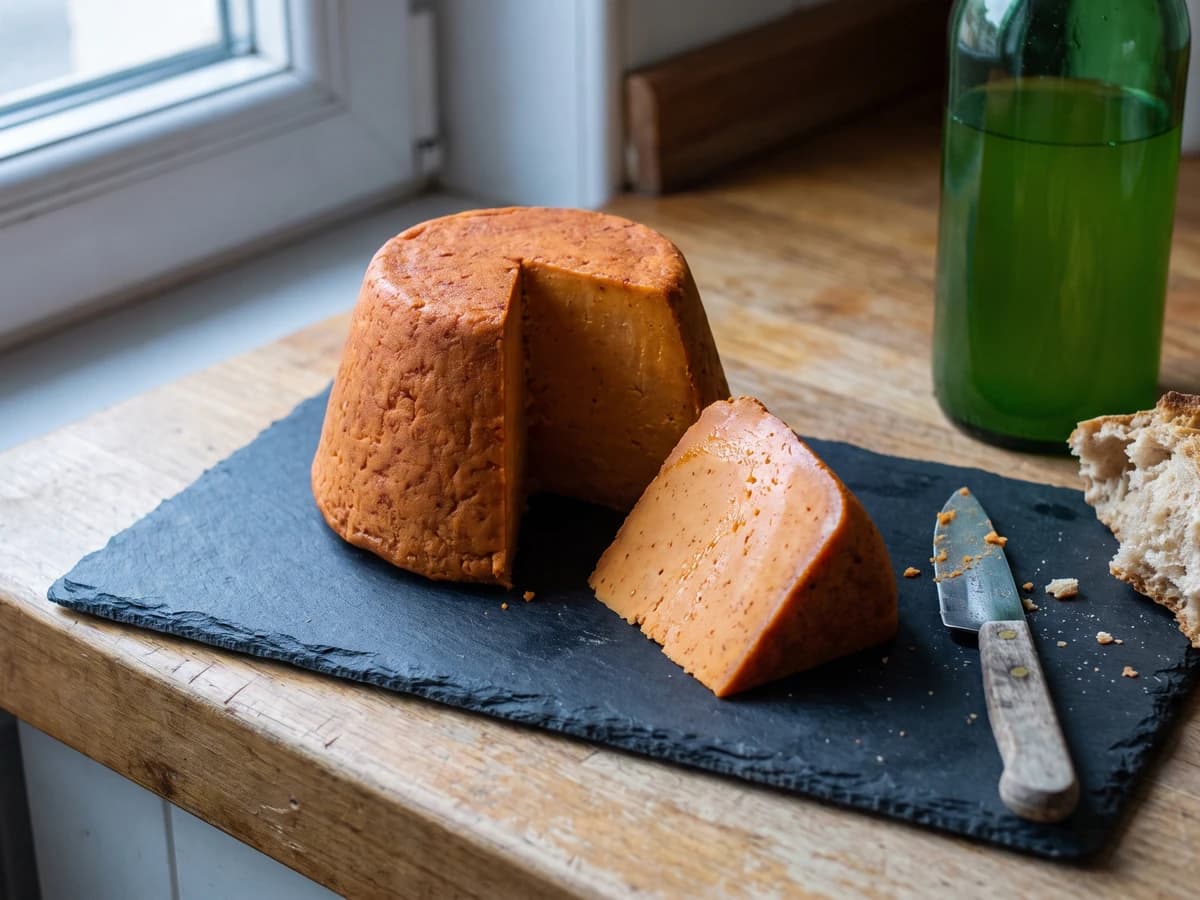
Afuega'l Pitu Roxu is Asturias in a small cheese: cow's milk set slowly to a dense curd, drained without squeezing, then kneaded with pimentón until it turns orange and grips the throat.
Chef Isabel
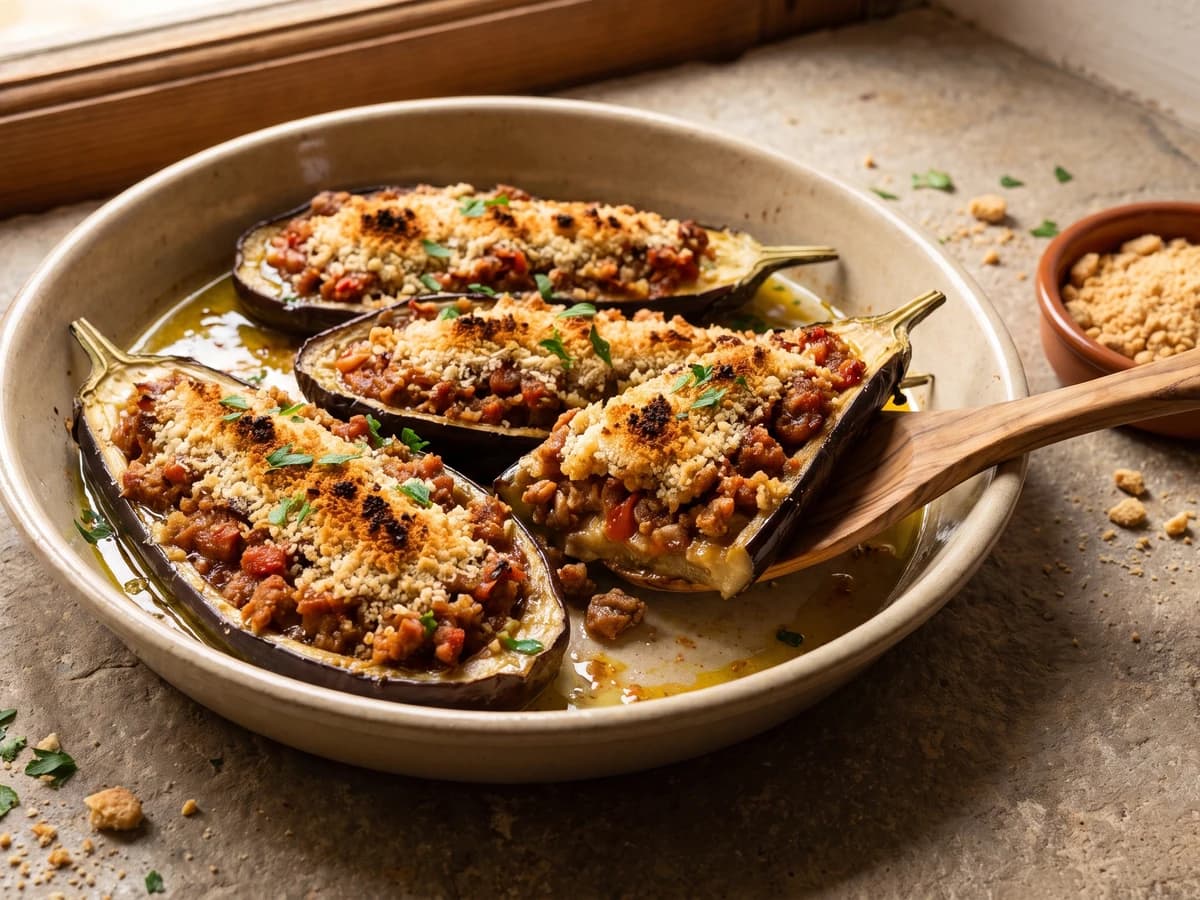
Albergínies farcides are Mallorca's summer stuffed aubergines: tender boiled shells, a slow pork sofrito with moraduix, and a plain breadcrumb cap baked until the top turns crisp and golden.

Chef Isabel
Carxofes farcides are Catalan stuffed artichokes: tender hearts filled with jamón, slow sweet onion, and breadcrumbs, then baked in a light creamy sauce until the tops turn golden.