
Chef Graziella
Fritole Veneziane
The yeasted fritters of Venice, golden and pillowy, studded with grappa-soaked raisins and toasted pine nuts. Once sold exclusively by licensed fritoleri during Carnevale, now yours to master at home.
A cooking platform built around craft, culture, and the stories behind what we eat.
Created by
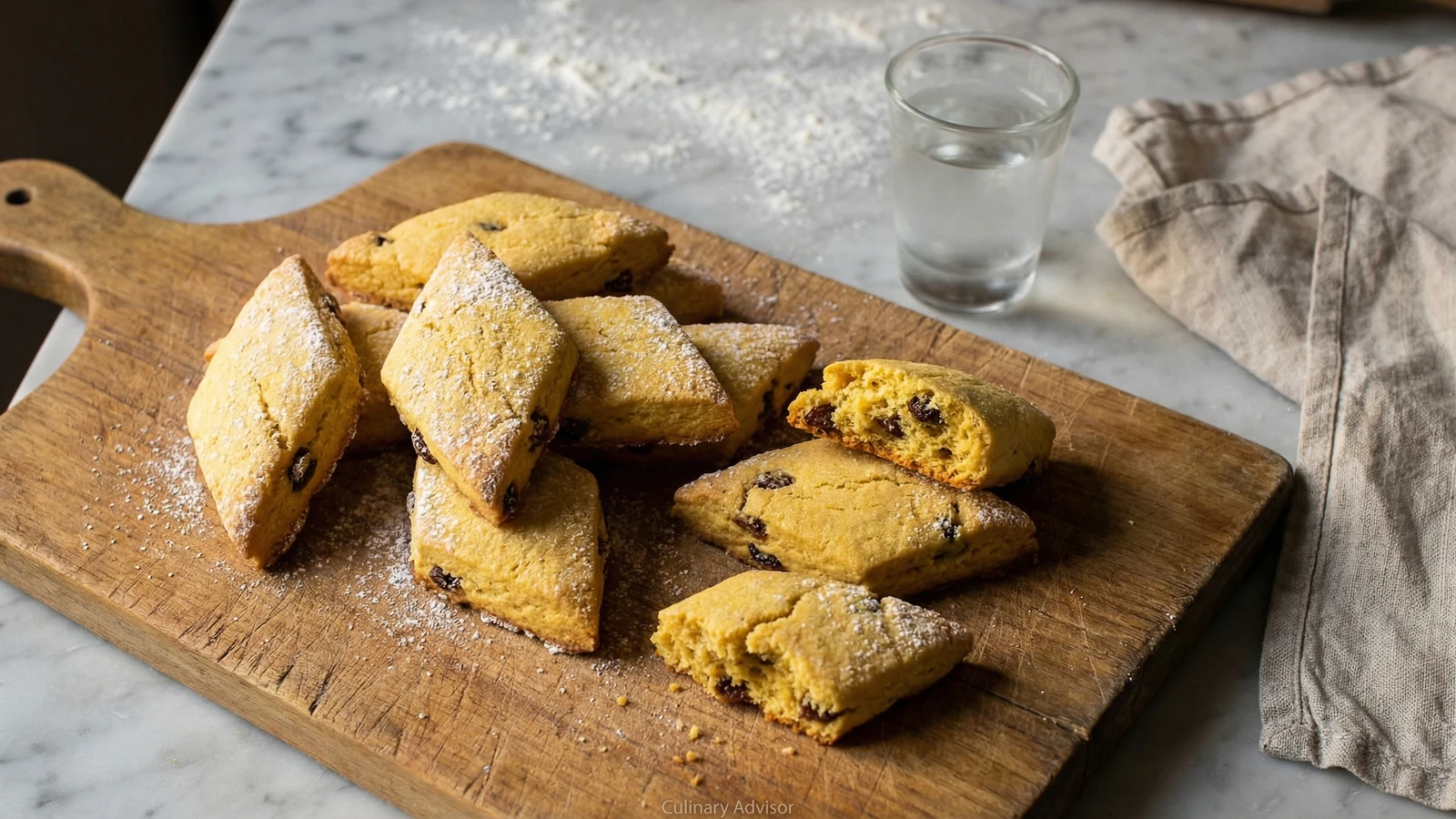
The little yellow ones from Venice: rustic cornmeal cookies that crumble perfectly, scented with grappa-soaked raisins and the barest whisper of lemon. Peasant baking at its most honest.
Zaleti means 'little yellow ones' in the Venetian dialect, and that tells you everything you need to know. These are golden cookies, colored by the cornmeal that defines them, shaped roughly by hand and eaten without ceremony. They are the opposite of precious.
The cornmeal must be fine, what Italians call fioretto. Coarse polenta grinds belong in soup, not in cookies. The texture you want is slightly sandy on the tongue, yielding to a tender crumb that almost dissolves. The raisins must be soaked in grappa. I have seen recipes calling for water or orange juice. These miss the point entirely. The grappa perfumes each cookie with something distinctly Venetian, a warmth that lingers after the last bite.
These are not difficult cookies, but they require attention to texture. The dough should be soft, pliable, holding its shape without crumbling. Too dry and the cookies will be hard. Too wet and they spread into shapeless puddles. Trust your hands. They will tell you when the dough is right.
Zaleti have been baked in Venice and the surrounding Veneto region since at least the 18th century, when cornmeal became a staple of the Venetian diet. Originally made by farmwives using the same polenta flour that fed the family, these cookies traveled from countryside kitchens to the pasticcerie of Venice, where they remain a beloved tradition during Carnevale and throughout the year.
Quantity
3/4 cup
Quantity
3 tablespoons
Quantity
1 cup
Quantity
1 cup
Quantity
1/2 cup
Quantity
1 teaspoon
Quantity
1/4 teaspoon
Quantity
8 tablespoons
softened
Quantity
2
Quantity
1 teaspoon
Quantity
1
finely grated zest
Quantity
3 tablespoons
Quantity
for dusting
| Ingredient | Quantity |
|---|---|
| golden raisins | 3/4 cup |
| grappa | 3 tablespoons |
| fine yellow cornmeal | 1 cup |
| all-purpose flour | 1 cup |
| granulated sugar | 1/2 cup |
| baking powder | 1 teaspoon |
| fine sea salt | 1/4 teaspoon |
| unsalted buttersoftened | 8 tablespoons |
| large egg yolks | 2 |
| pure vanilla extract | 1 teaspoon |
| lemonfinely grated zest | 1 |
| whole milk | 3 tablespoons |
| powdered sugar (optional) | for dusting |
Place the raisins in a small bowl and pour the grappa over them. Let them soak for at least 30 minutes, or up to overnight. The raisins should plump and absorb the spirit. Do not skip this step, and do not substitute water. The grappa perfumes the cookies in a way nothing else can.
In a medium bowl, whisk together the cornmeal, flour, sugar, baking powder, and salt. The cornmeal should be finely ground, what Italians call fioretto. Coarse polenta will produce a gritty cookie. Run your fingers through the mixture. It should feel like fine sand, not gravel.
In a large bowl, work the softened butter with a wooden spoon until it is completely smooth and pale, about 2 minutes by hand. Add the egg yolks one at a time, beating after each addition until incorporated. The mixture should be light and creamy. Add the vanilla and lemon zest and stir to combine.
Add the dry ingredients to the butter mixture in two additions, stirring with the wooden spoon. The dough will be crumbly at first. Add the milk and continue to mix. Drain the raisins, reserving any remaining grappa, and fold them into the dough. If the dough seems too dry to hold together, add the reserved grappa by the teaspoon. The dough should be soft but not sticky, holding its shape when pressed.
Turn the dough onto a lightly floured surface. Divide it in half. Roll each half into a log about 12 inches long. With floured hands, flatten each log slightly and cut on the diagonal into diamond shapes, about 2 inches long. The shapes need not be perfect. These are rustic cookies from the Venetian countryside, not Parisian petits fours. Transfer to parchment-lined baking sheets, spacing them one inch apart.
Refrigerate the shaped cookies for 20 minutes. This firms the butter and helps the cookies hold their shape during baking. While they chill, preheat your oven to 350°F. Position the racks in the upper and lower thirds.
Bake the cookies for 16 to 18 minutes, rotating the pans halfway through. They are done when the edges turn deep golden and the tops are pale gold with a few darker spots. The centers will seem slightly soft. This is correct. They firm as they cool. Remove from the oven and let rest on the pans for 5 minutes before transferring to a wire rack.
When completely cool, dust lightly with powdered sugar if you wish. Store in an airtight container at room temperature. Zaleti keep beautifully for one week, though in my experience they rarely last that long. The texture improves slightly on the second day as the cornmeal continues to soften.
1 serving (about 20g)
Culinary guides, cultural storytelling, and the editorial depth that makes cooking meaningful.
Discover Culinary ExplorerChef Graziella
The yeasted fritters of Venice, golden and pillowy, studded with grappa-soaked raisins and toasted pine nuts. Once sold exclusively by licensed fritoleri during Carnevale, now yours to master at home.

Chef Graziella
Venice's Carnival ribbons, rolled impossibly thin and fried until they shatter at the first bite. Every region of Italy claims its own version, but the Venetians call them galani.

Chef Juliette
A pale short-paste shell holds silken, lightly sweet carrot purée beneath neat glazed half-discs, their butter syrup catching the light: a classical tart poised between vegetable course and sweet.
Chef Juliette
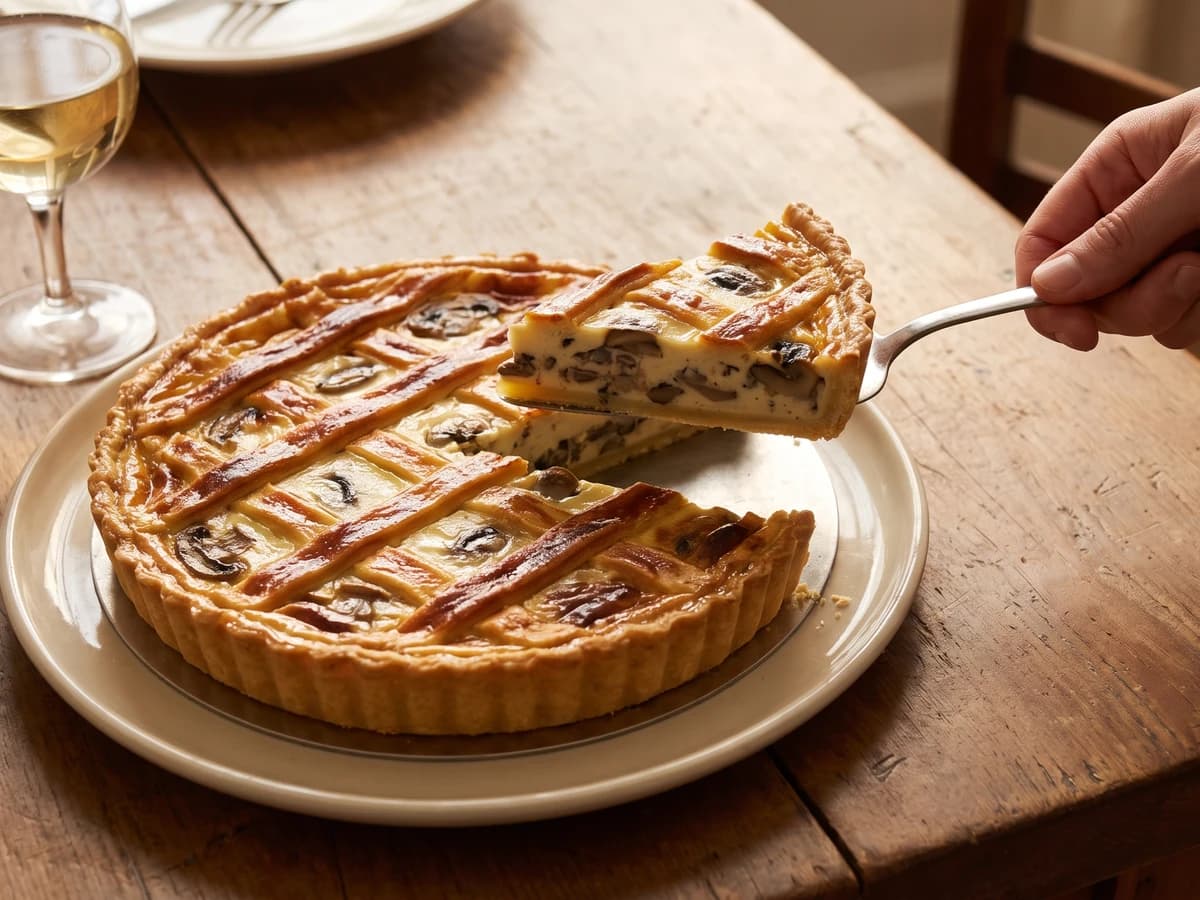
A hot mushroom flan under a butter-gold lattice, with cream reduced close around barely opened caps and a crisp short-paste base protected by one discipline: cool the filling completely.