Chef Isabel
Abanico Ibérico a la Plancha
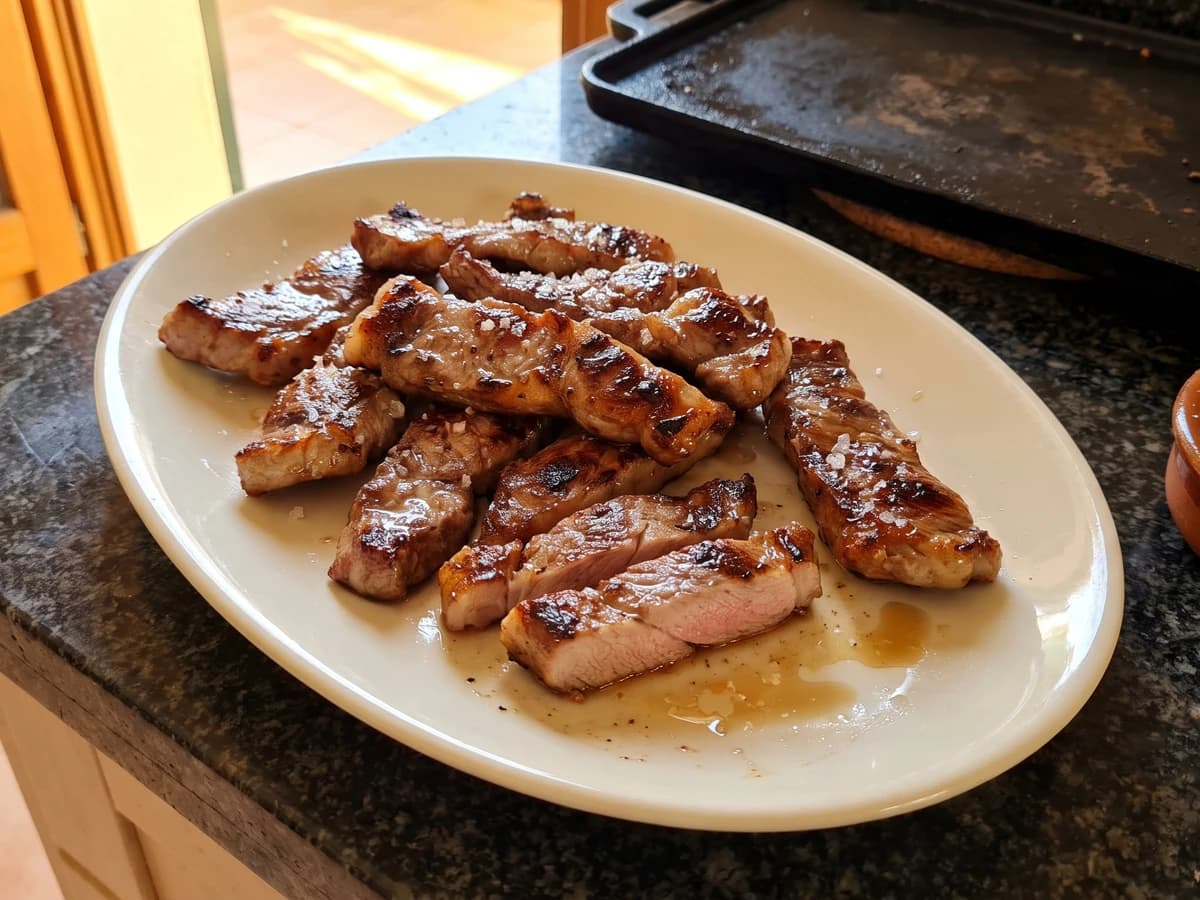
Extremadura's dehesa gives us this fan-shaped, marbled rib cut: salt it at the last moment, lay it on a fierce plancha, and count in seconds so the centre stays juicy.
A cooking platform built around craft, culture, and the stories behind what we eat.
Created by
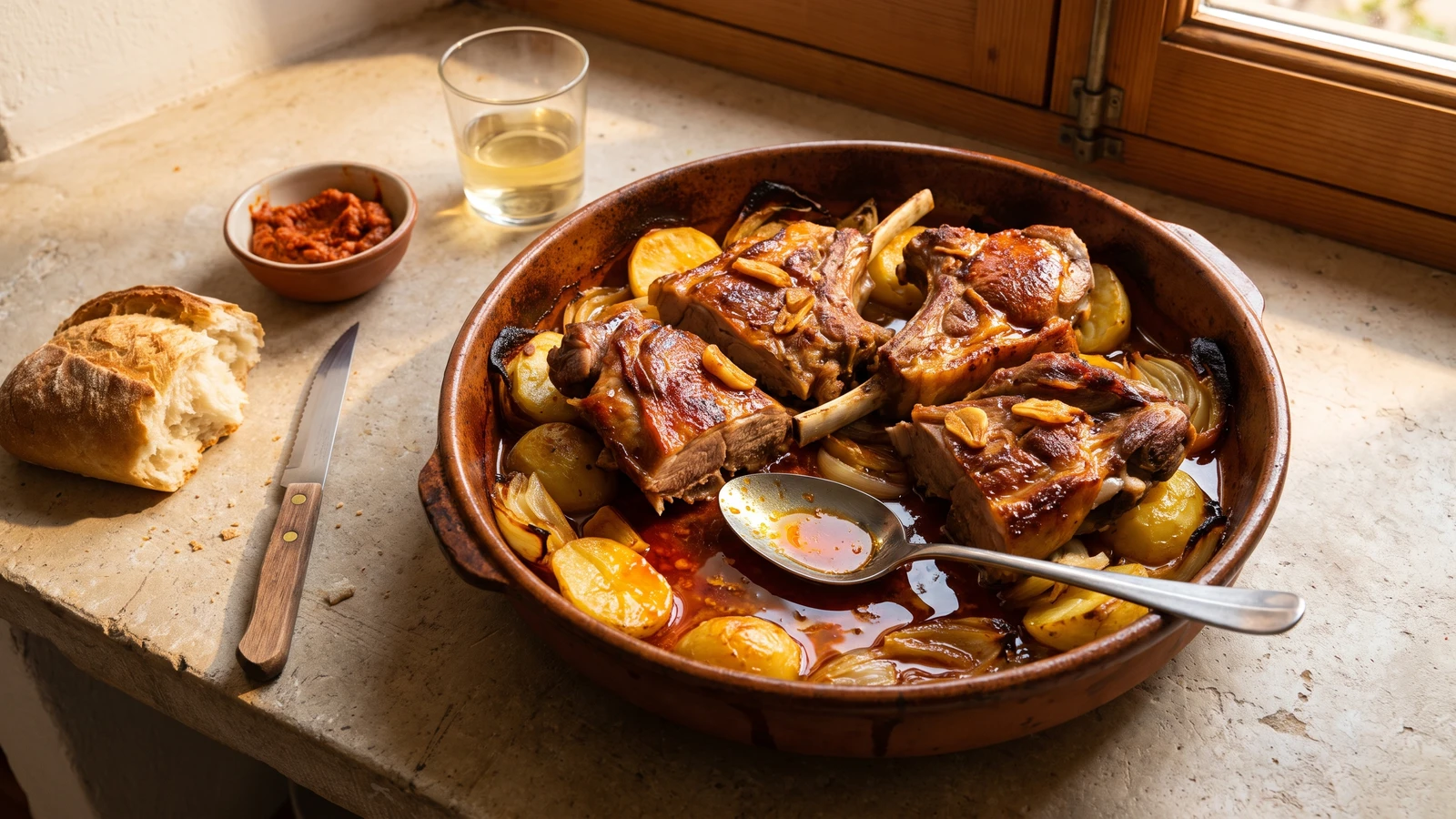
Xot rostit is Mallorca's Easter lamb: garlic and sobrassada tucked into the meat, potatoes underneath, and white wine in the tray so the roast bastes itself slowly.
Xot rostit is Mallorcan: young lamb roasted for Easter, cut with small pockets of garlic and sobrassada, then set over potatoes with wine or brandy in the tray. That sobrassada is what keeps it from being just another roast lamb. It melts into the meat, stains the juices a quiet pimentón red, and gives the potatoes the rich, soft edges people pick at before the platter reaches the table.
The method that decides it is simple. Put the sobrassada inside the lamb, not smeared thickly on top. On the surface it burns before the meat is tender; tucked into small cuts with garlic, it melts slowly and seasons from within. Start hot to wake the fat, then lower the oven and baste. The roast should go glossy and deep, never dry.
No hace falta haber pisado Mallorca. You don't need to have set foot on the island. If you can't find xot, buy a small bone-in lamb shoulder from a good butcher, not old mutton. If you can't find sobrassada de Mallorca, use Menorcan sobrasada first, or a soft Spanish cooking chorizo skinned and mashed with a spoon of olive oil; it will taste more garlicky and less melting, but it keeps the pimentón-fat logic of the dish.
I write this one with shoulder because it forgives a home oven and gives you tender meat without fuss. The note in my Margin says: sobrassada dins, no damunt, inside, not on top. Follow that and the basting, and siempre sale, si lo sigues.
Xot is the Mallorcan Catalan word for young lamb, and xot rostit belongs especially to the island's Easter table, when spring lamb was the celebration meat after the lean weeks of Lent. Sobrassada de Mallorca, the island's soft cured pork sausage colored with pimentón, came from the matanza and the need to preserve pork in a humid sea climate; tucked into lamb, it marks the roast as Mallorcan rather than a mainland asado. The potatoes that roast underneath take the fat and wine from the tray, so the accompaniment is part of the dish, not something served beside it.
Quantity
2.0 to 2.3kg
or a small bone-in leg
Quantity
16g
divided
Quantity
2g
Quantity
140g
chilled until firm enough to pinch
Quantity
8
5 cut into slivers and 3 crushed
Quantity
1.3kg
peeled and cut into 3cm chunks
Quantity
300g
sliced 1cm thick
Quantity
60ml
Quantity
2
Quantity
1 teaspoon dried marjoram, or 2 small rosemary sprigs
Quantity
125ml
Quantity
50ml
or 50ml more white wine
Quantity
100ml
| Ingredient | Quantity |
|---|---|
| bone-in young lamb shoulderor a small bone-in leg | 2.0 to 2.3kg |
| fine sea saltdivided | 16g |
| freshly ground black pepper | 2g |
| sobrassada de Mallorcachilled until firm enough to pinch | 140g |
| garlic cloves5 cut into slivers and 3 crushed | 8 |
| waxy potatoespeeled and cut into 3cm chunks | 1.3kg |
| onionssliced 1cm thick | 300g |
| extra virgin olive oil | 60ml |
| bay leaves | 2 |
| dried moraduix (marjoram), or rosemary | 1 teaspoon dried marjoram, or 2 small rosemary sprigs |
| dry white wine | 125ml |
| brandy (optional)or 50ml more white wine | 50ml |
| water | 100ml |
Pat the lamb dry. Make 14 to 16 small cuts all over the thick parts of the meat, each about 2cm deep. Push a sliver of garlic and a small pinch of sobrassada into each cut, pressing it in with your finger so it sits inside the meat. Rub the outside with 10g of the salt, the pepper, the crushed garlic, and 30ml of the olive oil. Pésalo, no lo adivines: the sobrassada is salty, so the measured salt keeps the roast seasoned without turning harsh.
Heat the oven to 220C. Toss the potatoes and onions in a heavy roasting tray with the remaining 30ml olive oil, the remaining 6g salt, the bay leaves, and the moraduix or rosemary. Spread them in an even layer and set the lamb on top, fat side up. Pour the water into the edge of the tray, not over the lamb, so the potatoes start cooking without washing the seasoning away.
Roast for 20 minutes at 220C, until the lamb has browned in patches and the potatoes at the edges begin to take color. This first heat wakes the fat and gives the tray a good base, but don't leave it there longer. Sobrassada is rich with pimentón, and pimentón goes bitter if you bully it.
Lower the oven to 170C. Pour the white wine and brandy around the sides of the tray and roast for 1 hour 45 minutes to 2 hours more, basting the lamb every 25 to 30 minutes with the glossy tray juices and turning the potatoes once. If the tray threatens to dry out, add a small splash of water. The lamb is ready when a knife slides into the thickest part near the bone with little resistance; for shoulder, an internal temperature around 85C gives the soft, yielding roast you want.
Lift the lamb to a warm board and cover it loosely. Turn the oven back up to 220C and return the tray of potatoes for 10 to 15 minutes, until the edges are golden, the onions are soft, and the pan juices cling to them in a red-gold gloss. Scrape the tray gently so the good browned bits come loose.
Rest the lamb for 20 minutes before carving or pulling it into generous pieces. Spoon the potatoes and onions onto a warm platter, set the lamb over them, and pour the sobrassada-stained juices across the top. Serve it straight away, with bread for the tray juices and a sharp salad beside it if the table needs something green.
1 serving (about 400g)
Culinary guides, cultural storytelling, and the editorial depth that makes cooking meaningful.
Discover Culinary ExplorerChef Isabel
Extremadura's dehesa gives us this fan-shaped, marbled rib cut: salt it at the last moment, lay it on a fierce plancha, and count in seconds so the centre stays juicy.
Chef Isabel
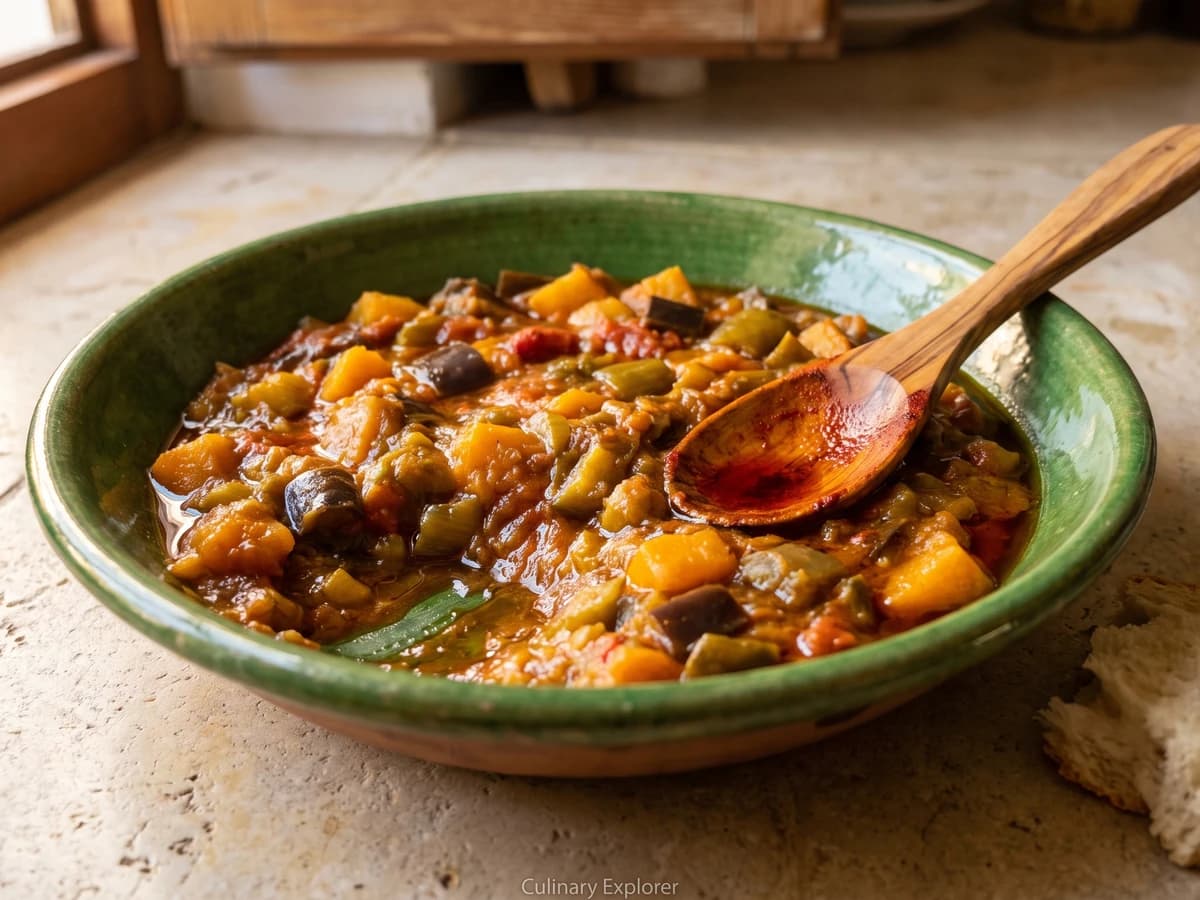
Alboronía is Andalucía's old pumpkin and aubergine stew, deepened with tomato, pimentón, and cumin, then cooked without hurry until the vegetables settle into a glossy, sweet, spoon-soft whole.

Chef Isabel
Aletría Murciana is Murcia's humble noodle guiso: fine fideos, pork ribs, potato, saffron, and a dark sweet sofrito. Get that base right and the pot knows where it's going.
Chef Isabel
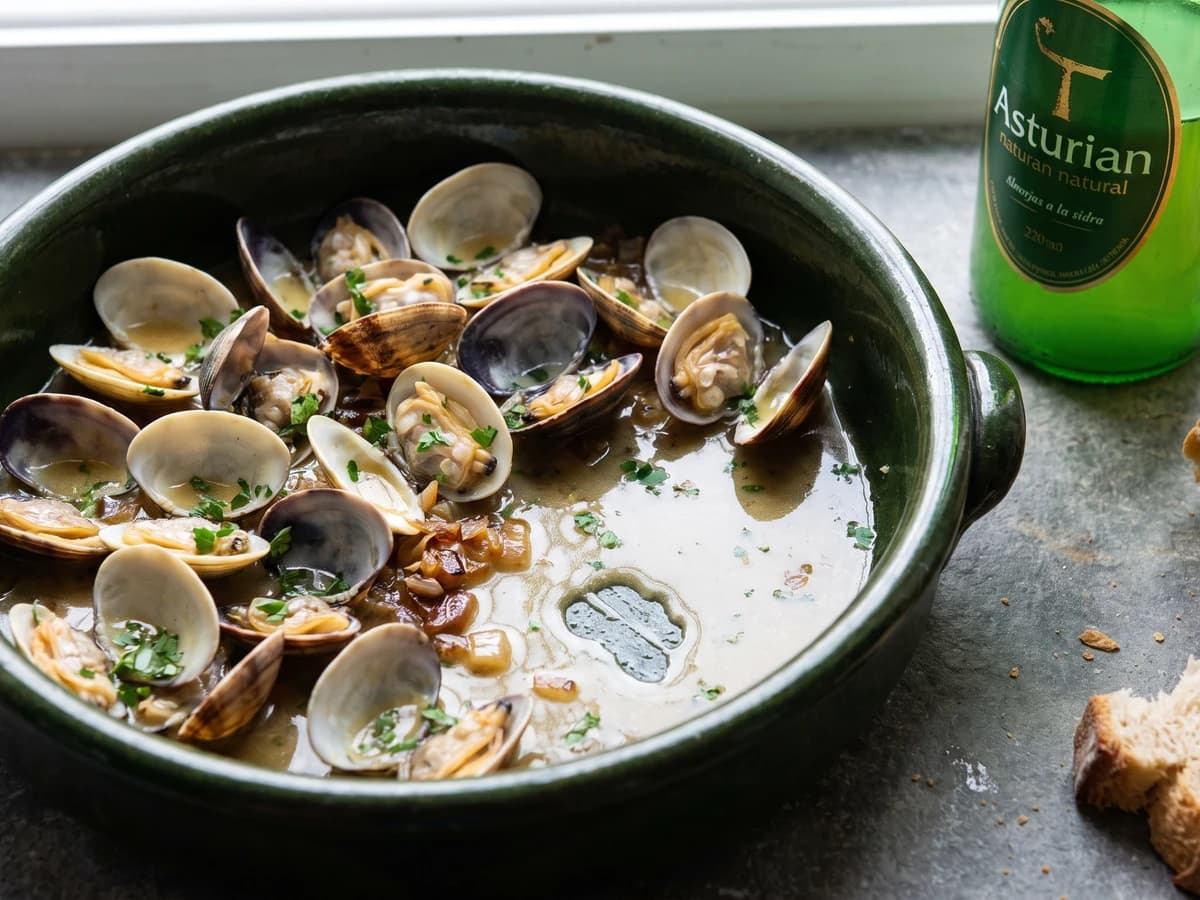
Asturias opens clams in tart natural cider over a slow onion and garlic sofrito, making a bright, briny sauce that asks for bread and rewards one rule: lift each clam as it opens.