Chef Isabel
Abanico Ibérico a la Plancha
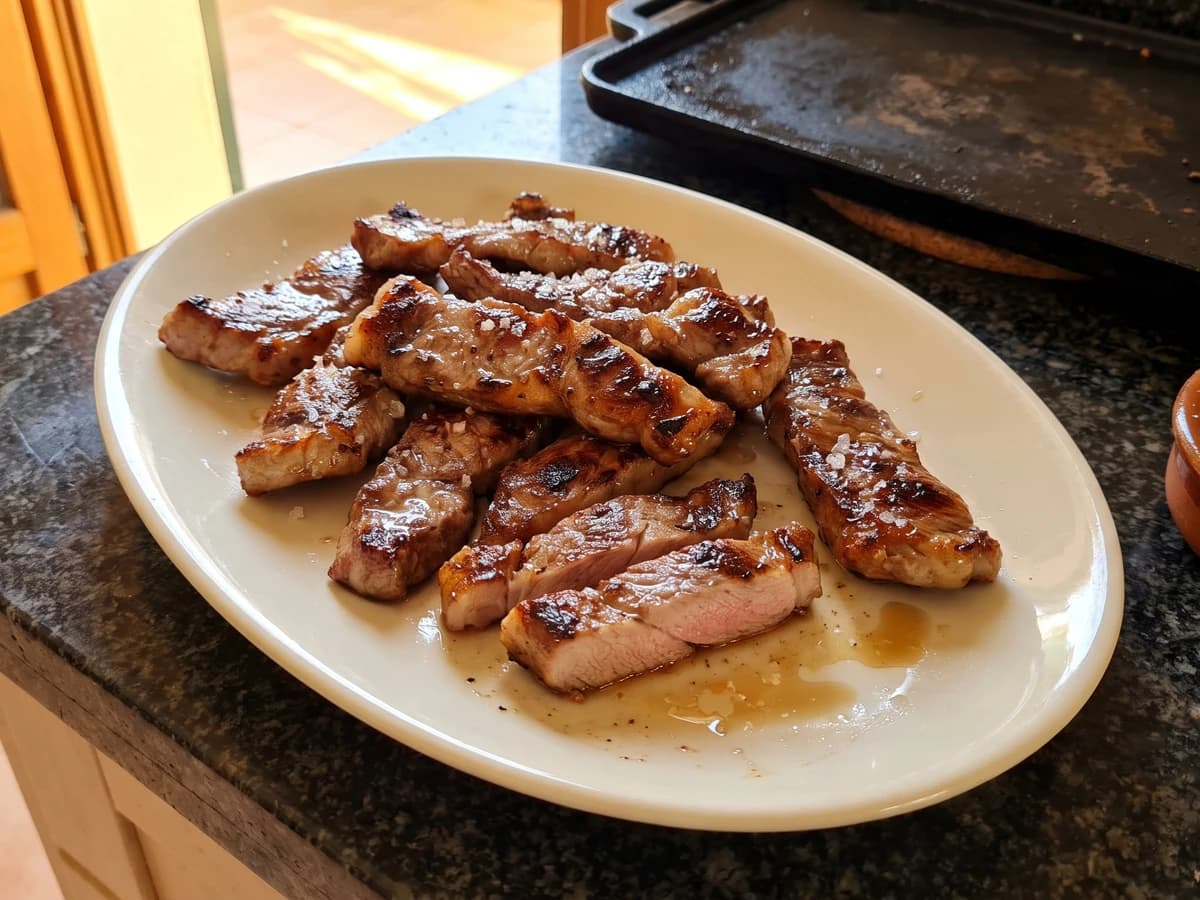
Extremadura's dehesa gives us this fan-shaped, marbled rib cut: salt it at the last moment, lay it on a fierce plancha, and count in seconds so the centre stays juicy.
A cooking platform built around craft, culture, and the stories behind what we eat.
Created by
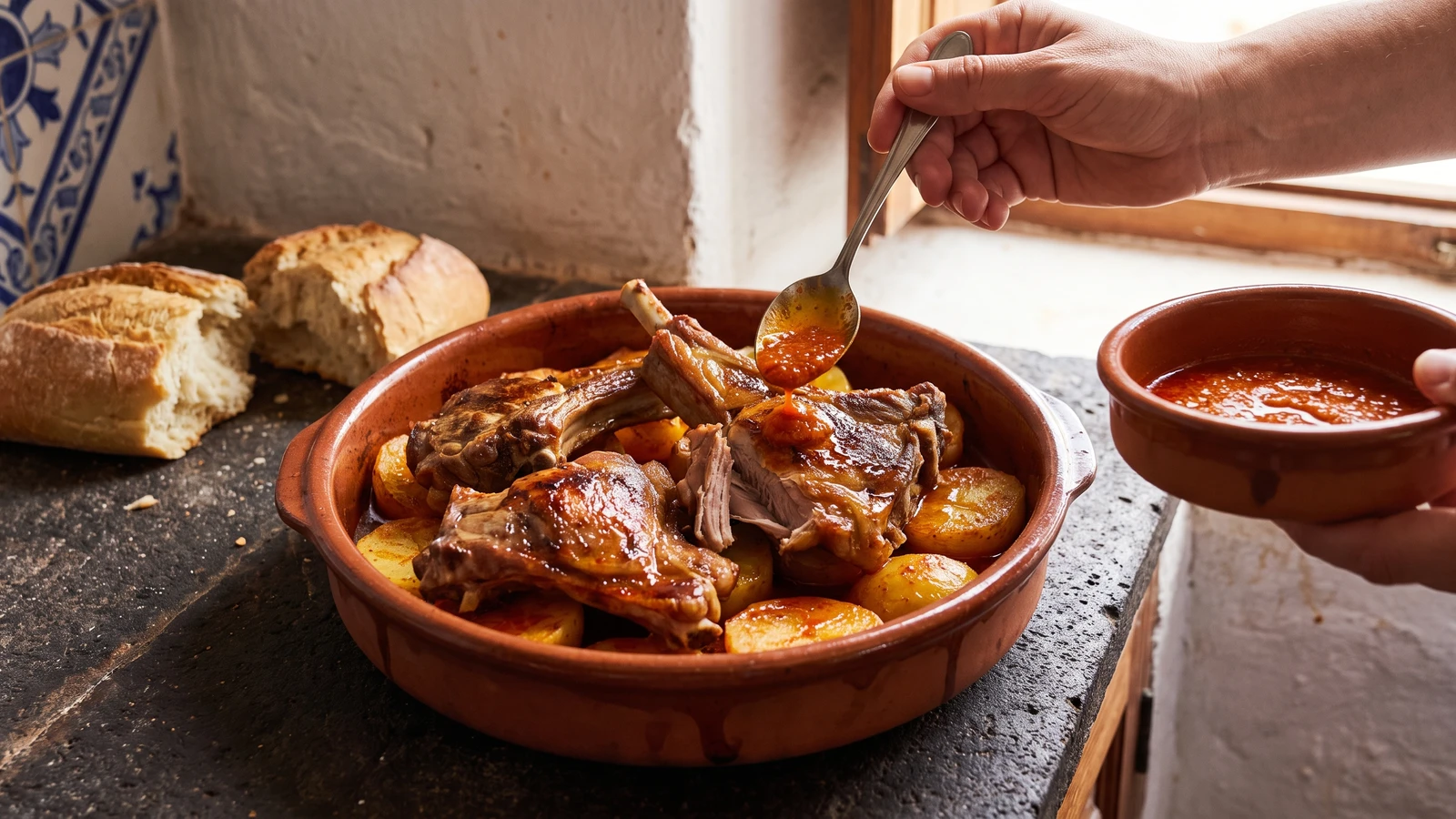
Baifo Asado Canario is kid goat barrado, rubbed with garlic, pimentón, vinegar, cumin, and oregano, then roasted gently before a sharp red mojo browns the edges and wakes the pan juices.
Baifo Asado Canario is roast kid goat from the Canary Islands, island food with its own backbone: young goat, garlic, pimentón, vinegar, oregano, cumin, and mojo rojo as it browns. This is Canarian, not a mainland cordero with another name. The vinegar bite and the red garlic sauce matter as much as the meat.
The method that decides it is the barrado, the smear. Salt the meat, pound the garlic and spices into a red paste, rub it into every cut side, and give it time before the oven. If you paint it on at the last minute, the garlic burns on top and the meat underneath stays shy. Let it rest, then roast covered until the collagen gives, and only then uncover and splash with mojo so the edges darken and shine.
If you can't find true kid goat where you are, ask for bone-in young goat shoulder or leg from a halal, Caribbean, or African butcher. If lamb shoulder is all the market gives you, use it and know the truth: it will be sweeter and fattier, and it will cook a little faster. Keep the vinegar and the mojo. No hace falta haber pisado España. You need the right cut, patience, and a clean spoon for the sauce at the table. Siempre sale, si lo sigues.
Baifo is the Canarian word for kid goat, tied to the islands' goat-herding life, especially in dry islands such as Fuerteventura and Lanzarote where goats gave milk, cheese, and meat on land hard for cattle. For feast days and family Christmas tables, the young animal is often barrado, smeared with a garlic, pimentón, herb, and vinegar majado before roasting. The red mojo served with it belongs to the same island larder: garlic, cumin, pepper, vinegar, and oil pounded into a sauce sharp enough to cut the richness of the meat.
Quantity
2.2kg
shoulder, leg, and rib pieces, trimmed of loose surface fat
Quantity
18g
Quantity
8 large, about 35g
peeled
Quantity
12g
about 2 tablespoons
Quantity
2g
about 1/2 teaspoon
Quantity
2g
about 1 teaspoon
Quantity
2g
about 2 teaspoons
Quantity
1g
about 1 teaspoon
Quantity
1g
about 1/2 teaspoon
Quantity
60ml
Quantity
80ml
Quantity
900g
peeled or well scrubbed and halved
Quantity
1, about 200g
sliced thick
Quantity
2
Quantity
200ml
Quantity
100ml
Quantity
4
peeled
Quantity
3g
about 1 teaspoon
Quantity
6g
about 1 tablespoon
Quantity
1g
about 1/4 teaspoon
Quantity
4g
Quantity
50ml
Quantity
120ml
| Ingredient | Quantity |
|---|---|
| bone-in kid goatshoulder, leg, and rib pieces, trimmed of loose surface fat | 2.2kg |
| fine sea salt | 18g |
| garlic clovespeeled | 8 large, about 35g |
| sweet pimentónabout 2 tablespoons | 12g |
| hot pimentón or ground dried chile (optional)about 1/2 teaspoon | 2g |
| ground cuminabout 1 teaspoon | 2g |
| dried oreganoabout 2 teaspoons | 2g |
| dried thymeabout 1 teaspoon | 1g |
| freshly ground black pepperabout 1/2 teaspoon | 1g |
| wine vinegar | 60ml |
| extra virgin olive oil | 80ml |
| small waxy potatoespeeled or well scrubbed and halved | 900g |
| large onionsliced thick | 1, about 200g |
| bay leaves | 2 |
| dry white wine | 200ml |
| water | 100ml |
| garlic cloves for the mojopeeled | 4 |
| cumin seeds for the mojoabout 1 teaspoon | 3g |
| sweet pimentón for the mojoabout 1 tablespoon | 6g |
| hot pimentón or ground dried chile for the mojo (optional)about 1/4 teaspoon | 1g |
| coarse salt for the mojo | 4g |
| wine vinegar for the mojo | 50ml |
| extra virgin olive oil for the mojo | 120ml |
Pat the kid goat dry. Set aside 3g of the salt for the barrado, the smear, and rub the remaining 15g all over the meat, especially around the bone and the cut sides. If the shoulder or leg pieces are thick, make two or three shallow slashes so the paste can sit in the meat instead of only on top.
In a mortar, pound the 8 garlic cloves with the reserved 3g salt until creamy. Add the sweet pimentón, hot pimentón if using, cumin, oregano, thyme, and black pepper, then work in the 60ml vinegar and 80ml olive oil until you have a red, spoonable paste. Rub it into the goat with your hands. This is the step that decides the dish: if the paste only sits on the surface, the garlic burns and the meat underneath tastes flat.
Cover the goat and refrigerate for at least 6 hours, or overnight if you have the sense to plan it. Bring it out 1 hour before roasting so the chill comes off. Pésalo, no lo adivines, and give the barrado its time; precision and patience do more work here than fussing at the oven.
For the mojo rojo, pound the 4 garlic cloves, cumin seeds, coarse salt, sweet pimentón, and hot pimentón if using. Stir in the 50ml vinegar, then beat in the 120ml olive oil until loose and red. Divide it into two bowls: one for basting in the oven, one clean bowl for the table. Keep the table bowl away from raw meat. Nadie nace sabiendo, but food safety is not where we improvise.
Heat the oven to 160 C. Scatter the potatoes, onion, and bay leaves in a heavy roasting pan, pour in the wine and water, and set the goat on top with all its barrado. Cover tightly with a lid or foil and roast for about 1 hour 30 minutes, turning the pieces once and spooning the pan juices over them. Kid goat is lean; the covered roast lets the meat soften before you ask it to brown.
Uncover the pan and raise the oven to 210 C. Brush or spoon the basting bowl of mojo over the goat, then roast 30 to 40 minutes more, spooning pan juices and a little more mojo over the meat every 10 minutes. The edges should go dark red-brown and glossy, the potatoes should be tender, and a skewer should slide into the shoulder with only a little resistance. If you use a thermometer, the best eating texture for shoulder is around 82 to 88 C, not barely cooked.
Rest the baifo for 15 minutes before serving. Spoon the red pan juices over the meat and potatoes, and pass the clean mojo at the table. Don't drown it. The mojo should sharpen the goat, not hide it. No hace falta haber pisado España. Con buenos ingredientes y paciencia, siempre sale, si lo sigues.
1 serving (about 390g)
Culinary guides, cultural storytelling, and the editorial depth that makes cooking meaningful.
Discover Culinary ExplorerChef Isabel
Extremadura's dehesa gives us this fan-shaped, marbled rib cut: salt it at the last moment, lay it on a fierce plancha, and count in seconds so the centre stays juicy.
Chef Isabel
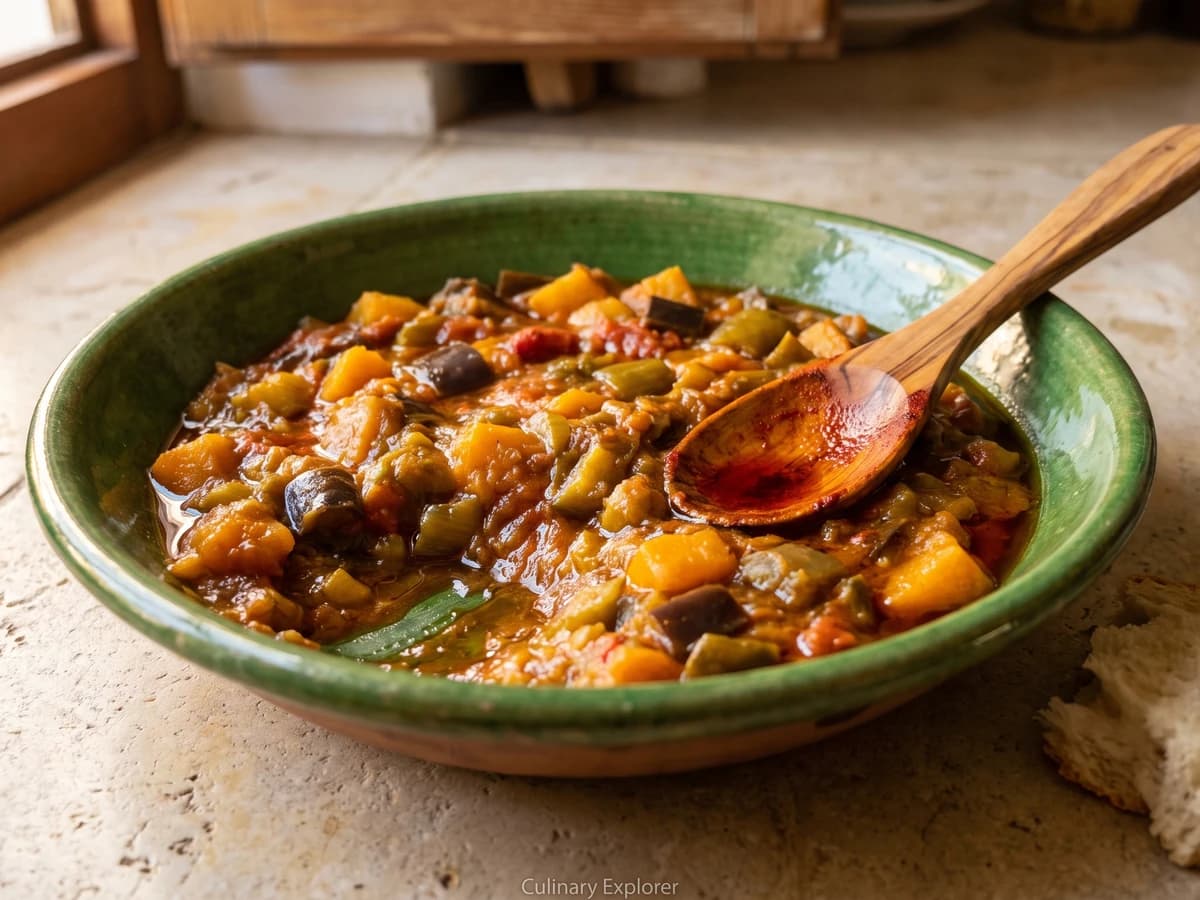
Alboronía is Andalucía's old pumpkin and aubergine stew, deepened with tomato, pimentón, and cumin, then cooked without hurry until the vegetables settle into a glossy, sweet, spoon-soft whole.

Chef Isabel
Aletría Murciana is Murcia's humble noodle guiso: fine fideos, pork ribs, potato, saffron, and a dark sweet sofrito. Get that base right and the pot knows where it's going.
Chef Isabel
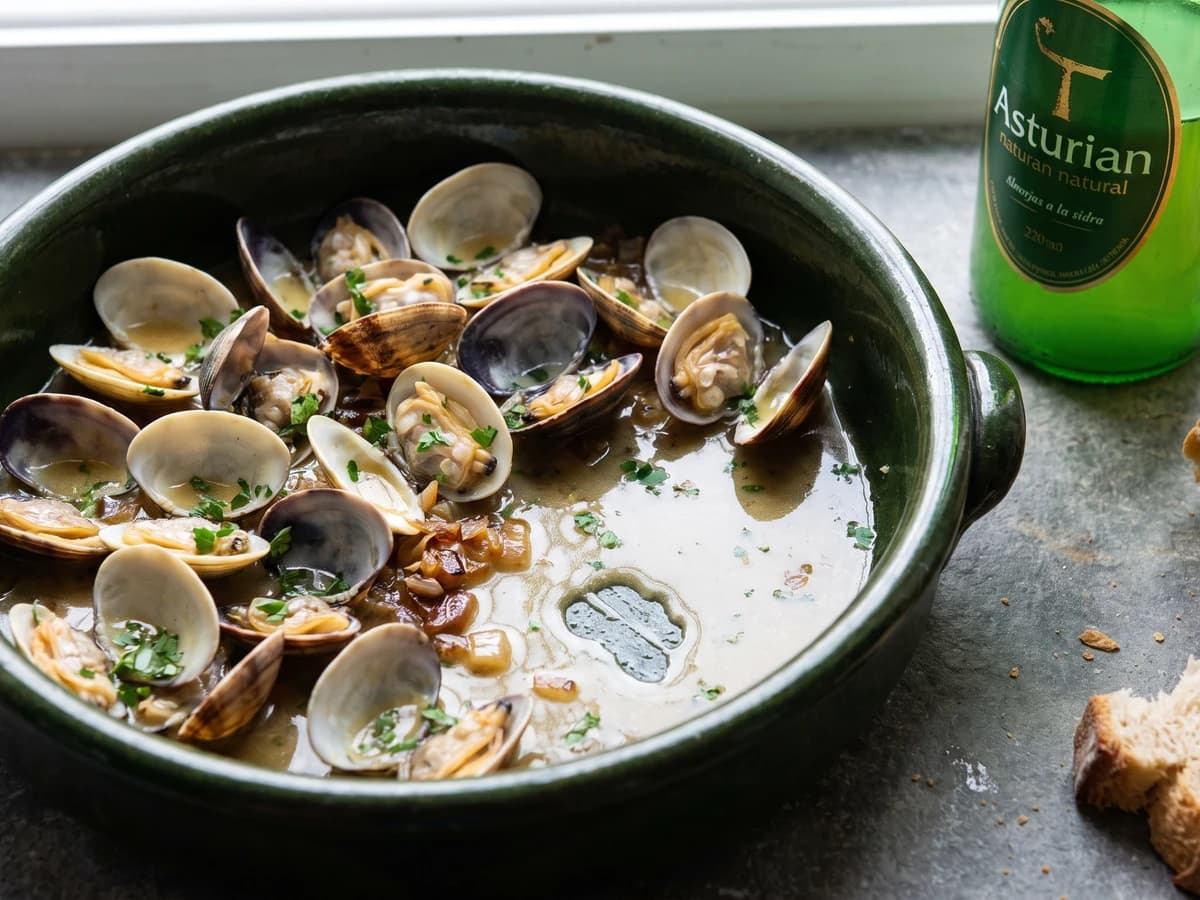
Asturias opens clams in tart natural cider over a slow onion and garlic sofrito, making a bright, briny sauce that asks for bread and rewards one rule: lift each clam as it opens.