Chef Isabel
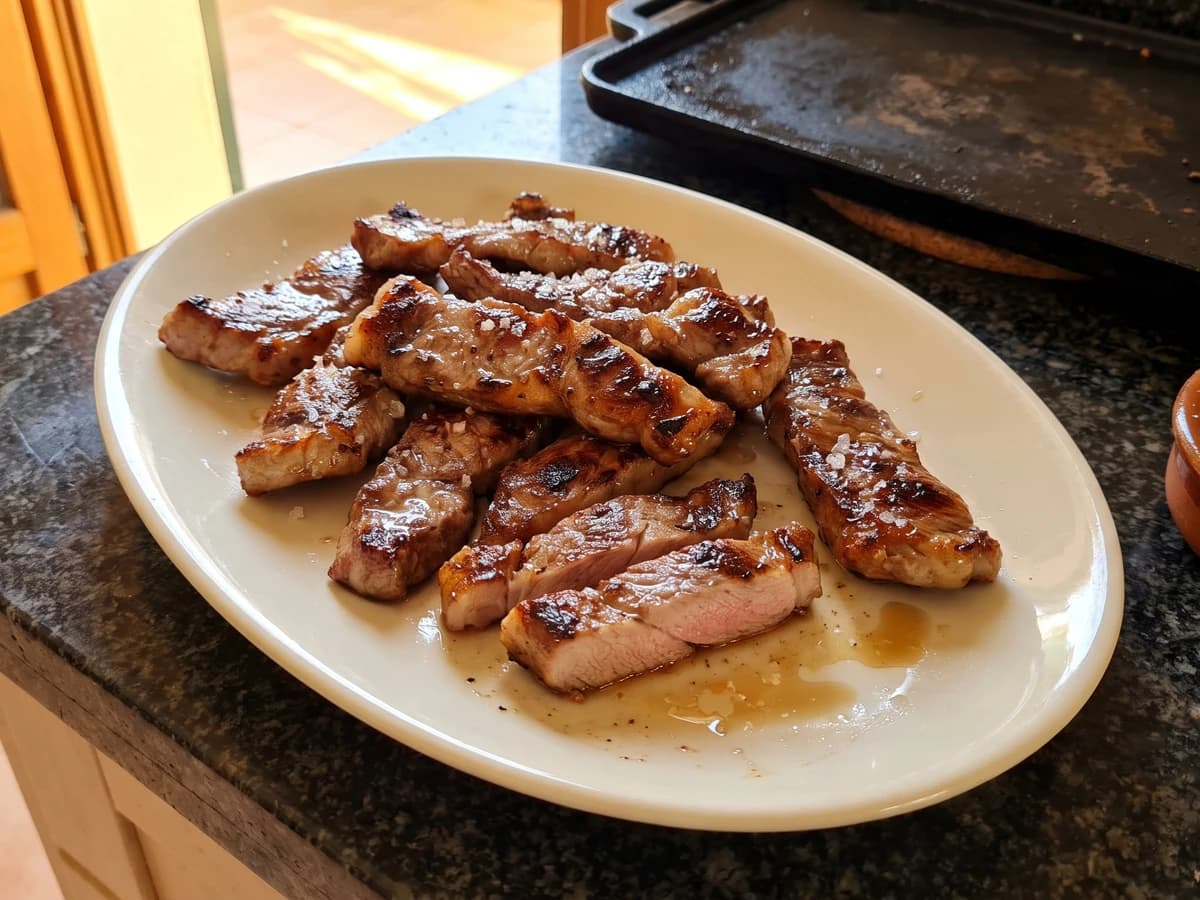
Abanico Ibérico a la Plancha
Extremadura's dehesa gives us this fan-shaped, marbled rib cut: salt it at the last moment, lay it on a fierce plancha, and count in seconds so the centre stays juicy.
A cooking platform built around craft, culture, and the stories behind what we eat.
Created by
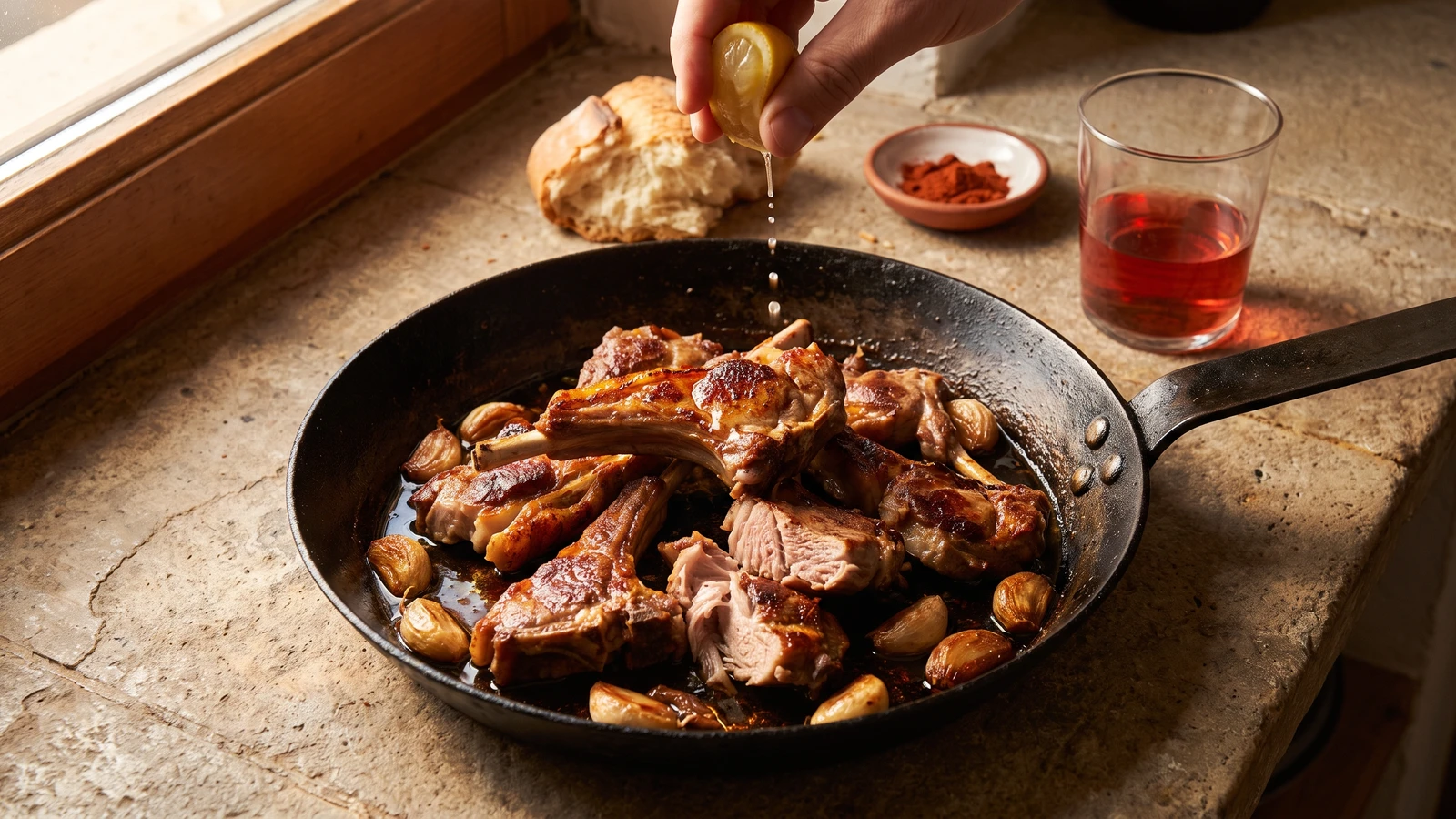
Cochifrito Navarro is lamb cut small, cooked through, then fried crisp-edged in lard with garlic, pimentón, and lemon. The lemon is not decoration; it keeps the richness honest.
Cochifrito Navarro is Navarra's fried lamb: small bone-in pieces cooked through, then fried in lard with garlic, pimentón, and lemon. Esto es de Navarra, no de 'España' a secas. Castile has its cuchifrito and Aragón has its lamb roasts, but this plate is the Navarrese pan, sharp with lemon at the finish and rich without becoming heavy.
The method that decides it is in the name. Cocho, cooked, then frito, fried. Cover the lamb first so it softens in its own juices with a little water, then uncover and let every drop disappear. When the sound changes from bubbling to crackling, the meat is frying, and the edges brown while the inside stays tender. Add the pimentón off the heat because burnt pimentón is bitter, and no amount of lemon will forgive it.
If you're far from Navarra, ask for young bone-in lamb shoulder, riblets, or breast cut into 3 to 4 cm pieces. Boneless stew meat will feed you, but it won't taste as deep, and older lamb needs a little more time and a firm hand with the lemon. No hace falta haber pisado España. Use what a good butcher can give you, cut it small, and follow the pan. Siempre sale, si lo sigues.
In the Margin beside this one I wrote: lemon, not afterthought. It looks silly until you taste one bite without it.
Cochifrito Navarro belongs to Navarra's lamb country, from the Pyrenean foothills down toward the Ebro, where young lamb is cut small so meat, fat, and bone cook quickly in a shallow pan. The name is tied to cocho, from Latin coctus, cooked, joined to frito, fried; it names the two-stage method rather than pork, even though lard gives the dish its old household flavor. Garlic, pimentón, and lemon make it a plain home dish, rich from the fat but bright enough to eat without heaviness.
Quantity
1.2kg
cut into 3-4cm pieces
Quantity
12g
Quantity
80g
Quantity
8 cloves
unpeeled and lightly crushed
Quantity
1 small
Quantity
120ml
Quantity
4g (about 1 1/2 teaspoons)
Quantity
1g (about 1/4 teaspoon)
Quantity
45ml
from about 1 large lemon
Quantity
to serve
| Ingredient | Quantity |
|---|---|
| bone-in young lamb shoulder, riblets, or breastcut into 3-4cm pieces | 1.2kg |
| fine sea salt | 12g |
| lard (manteca de cerdo) | 80g |
| garlicunpeeled and lightly crushed | 8 cloves |
| bay leaf (optional) | 1 small |
| water | 120ml |
| sweet pimentón | 4g (about 1 1/2 teaspoons) |
| hot pimentón (optional) | 1g (about 1/4 teaspoon) |
| fresh lemon juicefrom about 1 large lemon | 45ml |
| lemon wedges (optional) | to serve |
Ask the butcher to chop the lamb through the bone into 3 to 4 cm pieces. At home, wipe away any bone dust and pat the meat very dry. Toss it with the 12 g salt and let it stand while you set out the pan. Pésalo, no lo adivines, weigh it, don't guess; small lamb pieces over-salt quickly.
Melt the lard in a wide heavy pan over medium heat. Add the lamb, garlic cloves, and bay leaf if using, and turn everything until the meat is coated. Pour in the water, cover the pan, lower the heat to medium-low, and cook for 18 to 22 minutes, turning once or twice, until the lamb has tightened and a skewer slides into the thicker pieces without a fight. It is cooking now, not browning yet.
Uncover the pan and raise the heat to medium-high. Let the liquid boil away completely; when the sound changes from wet bubbling to a dry crackle, start turning the pieces often. Fry for 10 to 14 minutes, until the edges are deep golden brown and the fat in the pan looks clear and glossy. This is the step: cook first, fry second.
Take the pan off the heat. Push the lamb to one side, sprinkle the sweet pimentón, and the hot pimentón if using, into the lard, and stir for 10 seconds before turning it through the meat. Pimentón burns fast; scorched, it makes the whole pan bitter.
Squeeze in the lemon juice, return the pan to medium heat for 30 seconds, and toss hard, scraping up the sticky browned bits so the lemon and pimentón-stained lard coat every piece. Taste one piece and add a pinch more salt or a little more lemon if it needs lifting. Rest 5 minutes, then serve with the fried garlic and lemon wedges.
1 serving (about 210g)
Culinary guides, cultural storytelling, and the editorial depth that makes cooking meaningful.
Discover Culinary ExplorerChef Isabel
Extremadura's dehesa gives us this fan-shaped, marbled rib cut: salt it at the last moment, lay it on a fierce plancha, and count in seconds so the centre stays juicy.
Chef Isabel
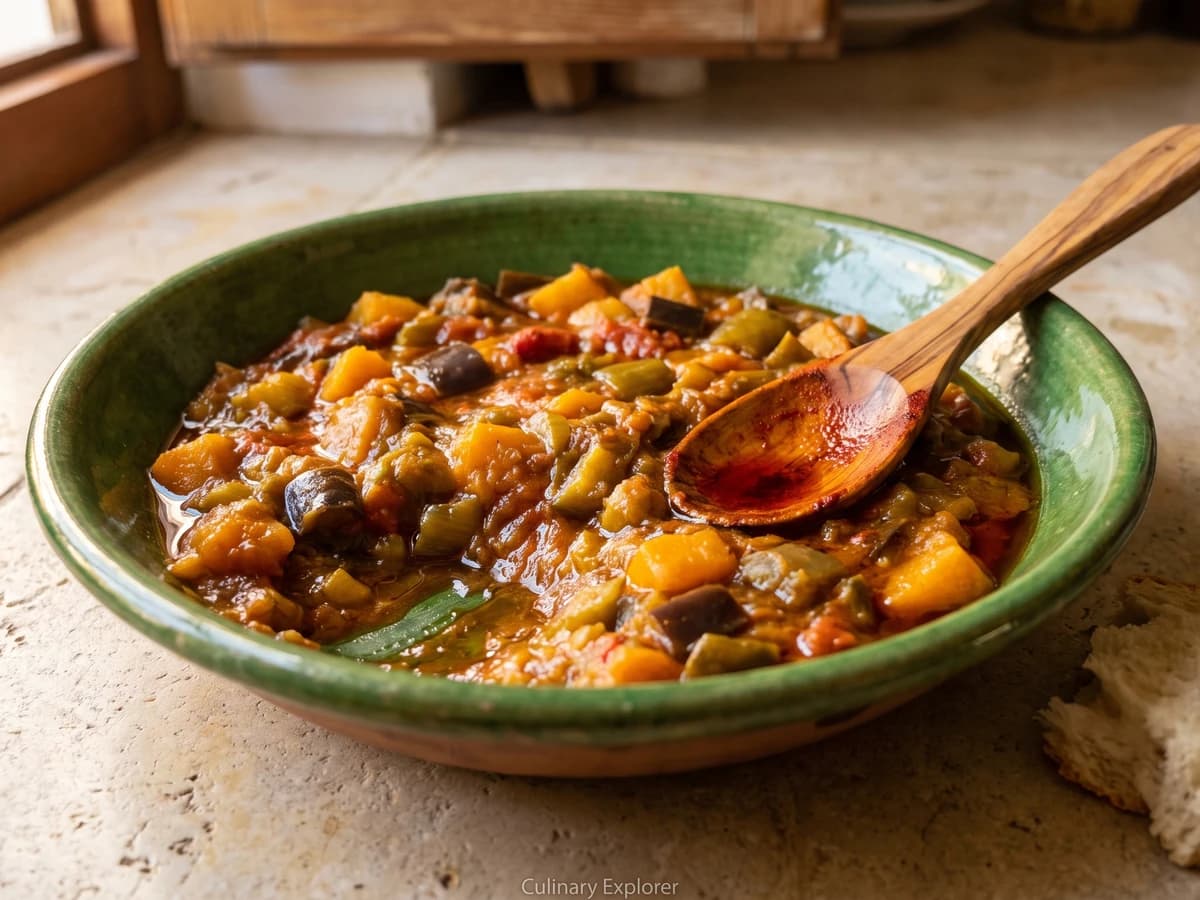
Alboronía is Andalucía's old pumpkin and aubergine stew, deepened with tomato, pimentón, and cumin, then cooked without hurry until the vegetables settle into a glossy, sweet, spoon-soft whole.

Chef Isabel
Aletría Murciana is Murcia's humble noodle guiso: fine fideos, pork ribs, potato, saffron, and a dark sweet sofrito. Get that base right and the pot knows where it's going.
Chef Isabel
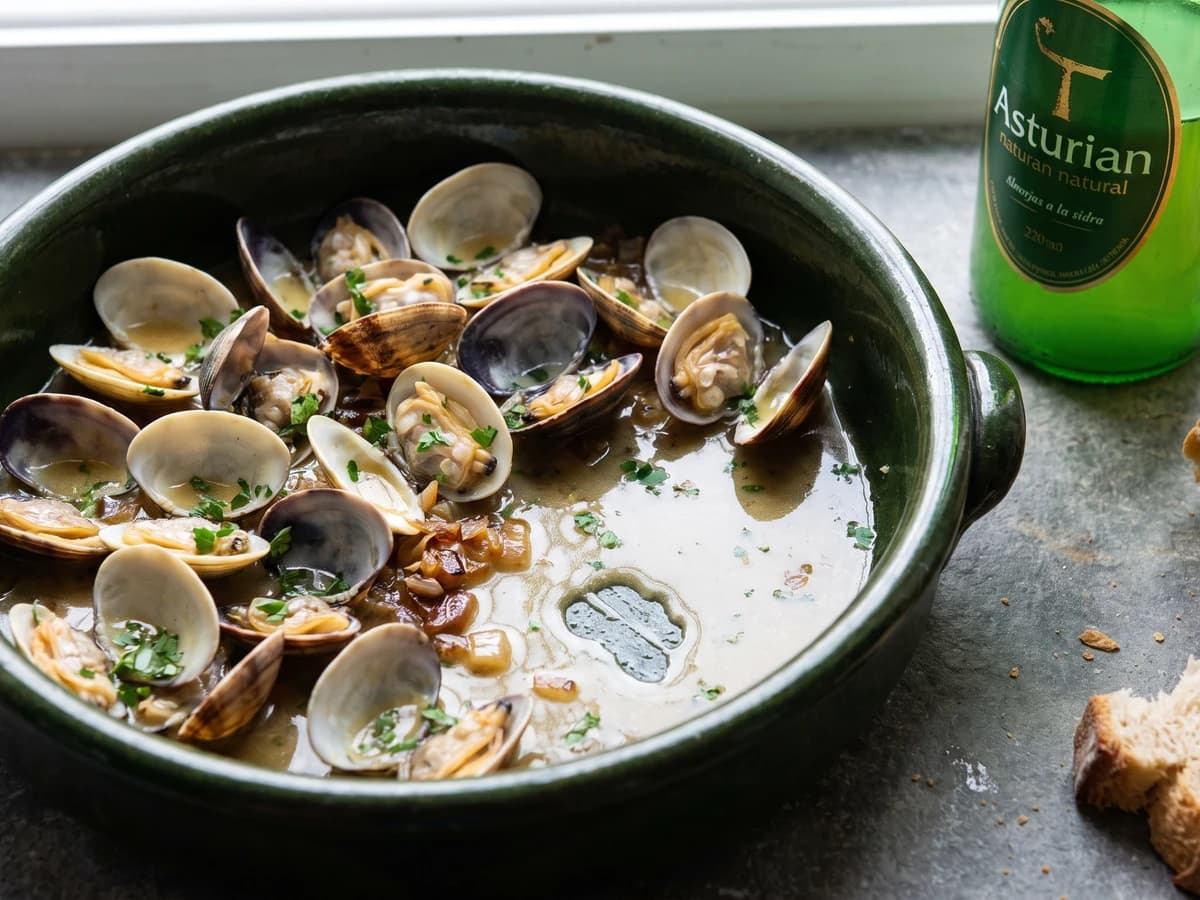
Asturias opens clams in tart natural cider over a slow onion and garlic sofrito, making a bright, briny sauce that asks for bread and rewards one rule: lift each clam as it opens.