Chef Thomas
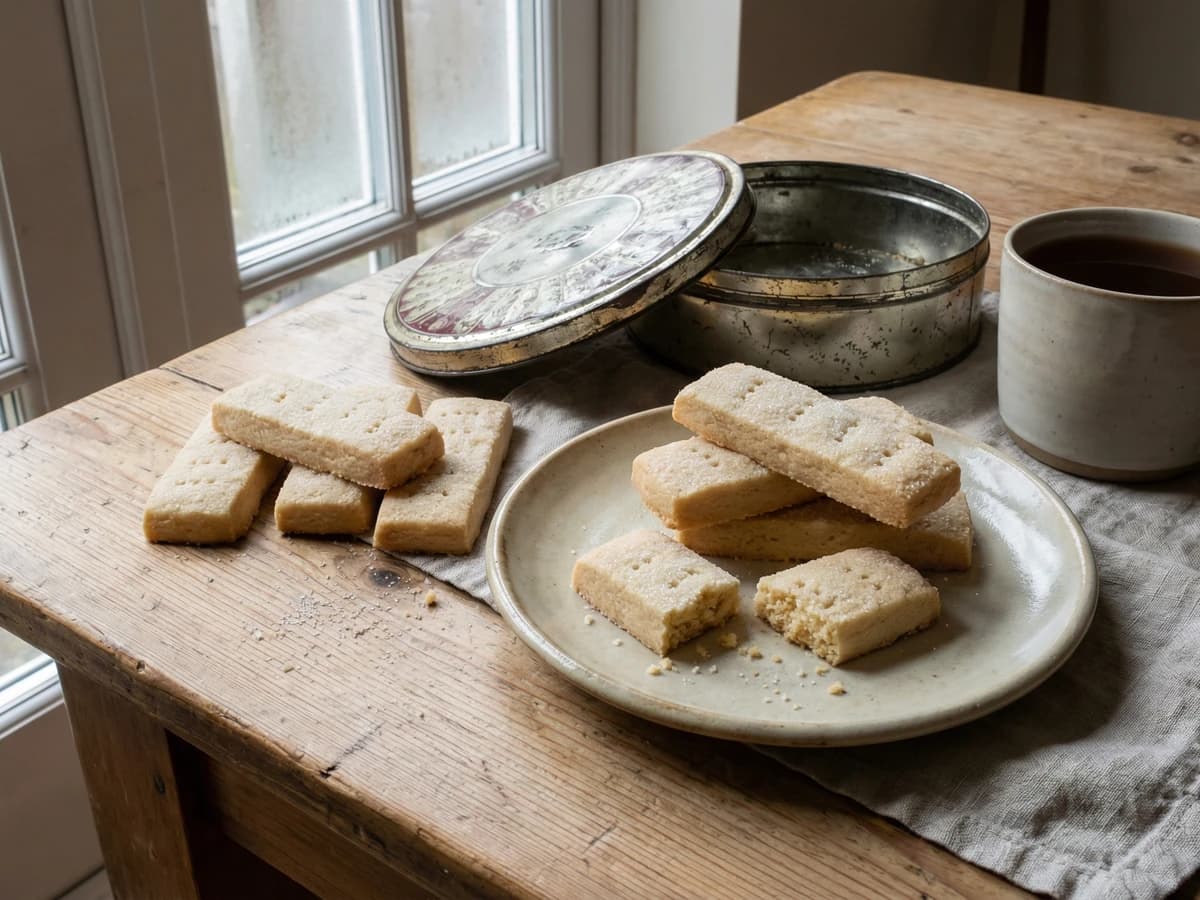
All-Butter Shortbread Fingers
The plainest biscuit in the tin and the hardest one to stop eating, three ingredients and a slow oven turning good butter into something quietly perfect with a cup of tea.
A cooking platform built around craft, culture, and the stories behind what we eat.

Created by Chef Thomas
Tender, crumbling butter biscuits piped into spirals and sandwiched with raspberry jam and vanilla buttercream, the kind of biscuit you make for someone you want to impress without saying so.
There's a particular kind of afternoon that asks for biscuits like these. Grey light through the window, the kettle going for the second time, nothing urgent on the calendar. The radio on low. The sort of afternoon where you find yourself rummaging in the back of the cupboard for the piping bag because making something fiddly feels, suddenly, like exactly the right thing to do.
Viennese whirls are not difficult. They are, however, particular. The butter needs to be properly soft. The dough needs the cornflour or it won't have that crumbling, melting texture that makes them worth the effort. The piping bag will frustrate you for the first three biscuits and then you'll find your rhythm. By the eighth one you'll be piping them with the loose confidence of someone who has been doing this for years, even if you started this morning.
I make these when I want to bring something to someone. A friend who's been ill. A neighbour who took in a parcel. The school fete. They look like more effort than they are, which is the best kind of biscuit, and they keep beautifully in a tin for two or three days, which is the second best kind. I wrote it down in the notebook the first time I got them right: cornflour, cold day, jam from June. The note is still there.
We're only making biscuits. But there are few better feelings than handing someone a tin of these and watching them lift the lid.
Quantity
250g
very soft, almost spreadable
Quantity
60g
sifted
Quantity
1 teaspoon
Quantity
250g
Quantity
60g
Quantity
pinch
Quantity
150g
softened
Quantity
300g
sifted
Quantity
1 teaspoon
Quantity
1 tablespoon
if buttercream needs loosening
Quantity
about 6 tablespoons
Quantity
for dusting
| Ingredient | Quantity |
|---|---|
| unsalted buttervery soft, almost spreadable | 250g |
| icing sugarsifted | 60g |
| vanilla extract | 1 teaspoon |
| plain flour | 250g |
| cornflour | 60g |
| fine sea salt | pinch |
| unsalted butter (for buttercream)softened | 150g |
| icing sugar (for buttercream)sifted | 300g |
| vanilla extract (for buttercream) | 1 teaspoon |
| whole milk (optional)if buttercream needs loosening | 1 tablespoon |
| good raspberry jam | about 6 tablespoons |
| icing sugar (optional) | for dusting |
Take the butter out of the fridge well in advance. An hour, two if the kitchen is cold. This is the one step nobody tells you matters and it matters more than anything. The butter needs to be genuinely soft, almost the texture of mayonnaise. If you press a finger into it, it should give without resistance. Cold butter will not pipe. It will defeat you, and your piping bag, and possibly your faith in baking. Be patient.
Heat the oven to 180C/160C fan and line two baking sheets with parchment. Beat the soft butter and icing sugar together until pale and fluffy. Three or four minutes with electric beaters. It should look almost white and feel light. Add the vanilla. Sift in the flour, cornflour, and salt, and mix on a low speed until it just comes together into a soft, smooth dough. Don't overwork it. The cornflour is doing quiet, important work here, robbing the flour of some of its protein, leaving you with biscuits that crumble rather than snap.
Spoon the dough into a large piping bag fitted with a star nozzle. A proper closed star, the kind that gives the ridges their definition. Pipe spirals onto the lined trays, starting from the centre and working outwards, about five centimetres across. You're after twenty whirls, give or take, for ten finished biscuits. They won't spread much, but leave a thumb's width between them anyway. If your first one looks rough, scrape it back into the bag and try again. Nobody's watching.
Bake for twelve to fifteen minutes. You're looking for the palest golden colour at the edges and base, with the tops still almost white. These are not biscuits that want to brown. A deeply coloured Viennese whirl has gone too far and lost its tenderness. Let them sit on the trays for ten minutes before lifting them, very gently, onto a wire rack. They are fragile when warm and forgiving once cool.
While the biscuits cool, beat the softened butter on its own until it looks pale and creamy. Add the icing sugar in two or three additions, beating well between each. Don't rush it. The longer you beat, the lighter and fluffier it becomes. Add the vanilla and a splash of milk only if it feels too stiff to pipe. You want something that holds its shape but spreads under gentle pressure. Taste it. It should be sweet but not cloying, with a clean note of vanilla running through.
Once the biscuits are completely cool, pair them up by size. Spoon the buttercream into a clean piping bag and pipe a generous swirl onto the flat side of half the biscuits. Spoon a small mound of raspberry jam into the centre of each, letting it sit on top of the buttercream rather than spreading it. Sandwich with the remaining biscuits, pressing very gently until the filling reaches the edges. A dusting of icing sugar over the tops if you're feeling formal. Then leave them alone for half an hour to settle.
1 serving (about 115g)
Culinary guides, cultural storytelling, and the editorial depth that makes cooking meaningful.
Discover Culinary ExplorerChef Thomas
The plainest biscuit in the tin and the hardest one to stop eating, three ingredients and a slow oven turning good butter into something quietly perfect with a cup of tea.
Chef Thomas
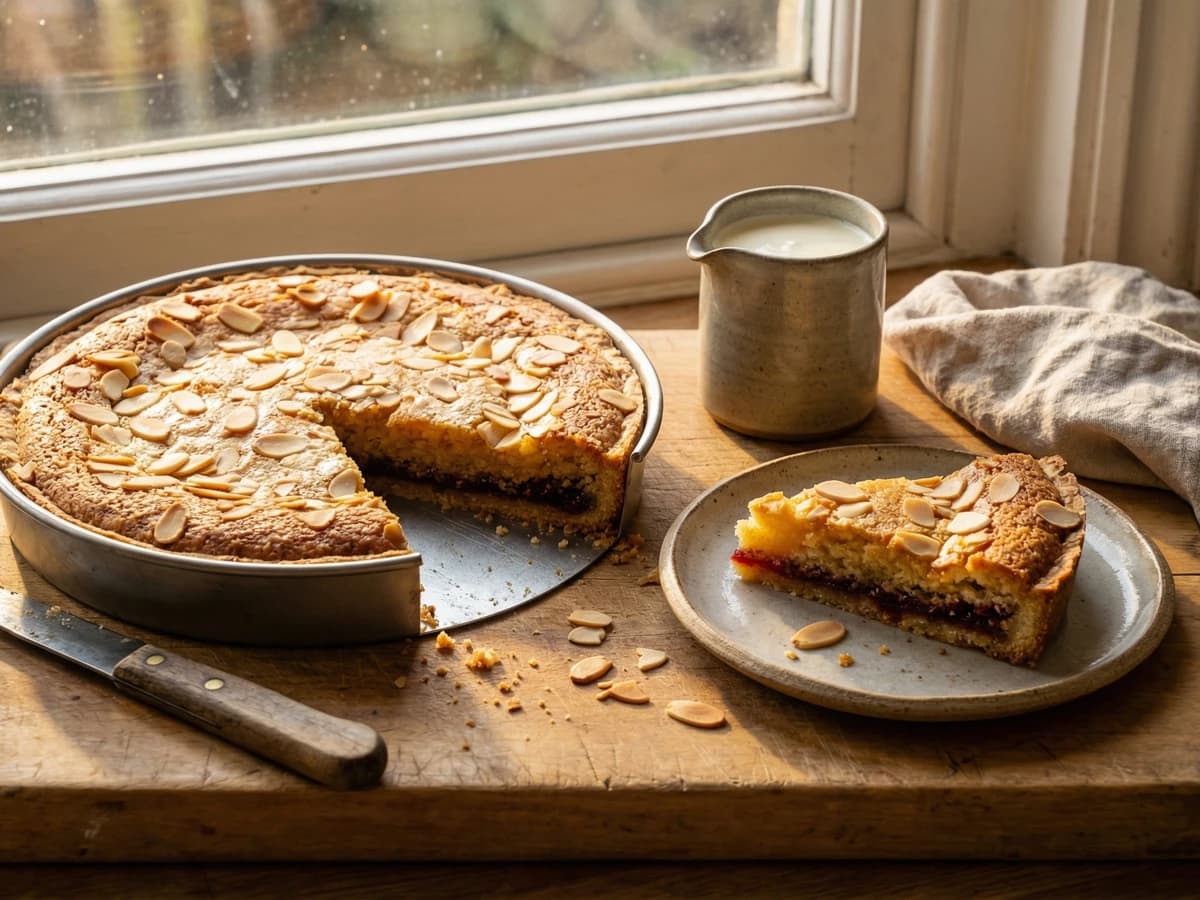
A proper Bakewell tart with buttery shortcrust, a thick layer of raspberry jam, and almond frangipane baked golden under a scattering of flaked almonds. No icing. No nonsense.
Chef Thomas
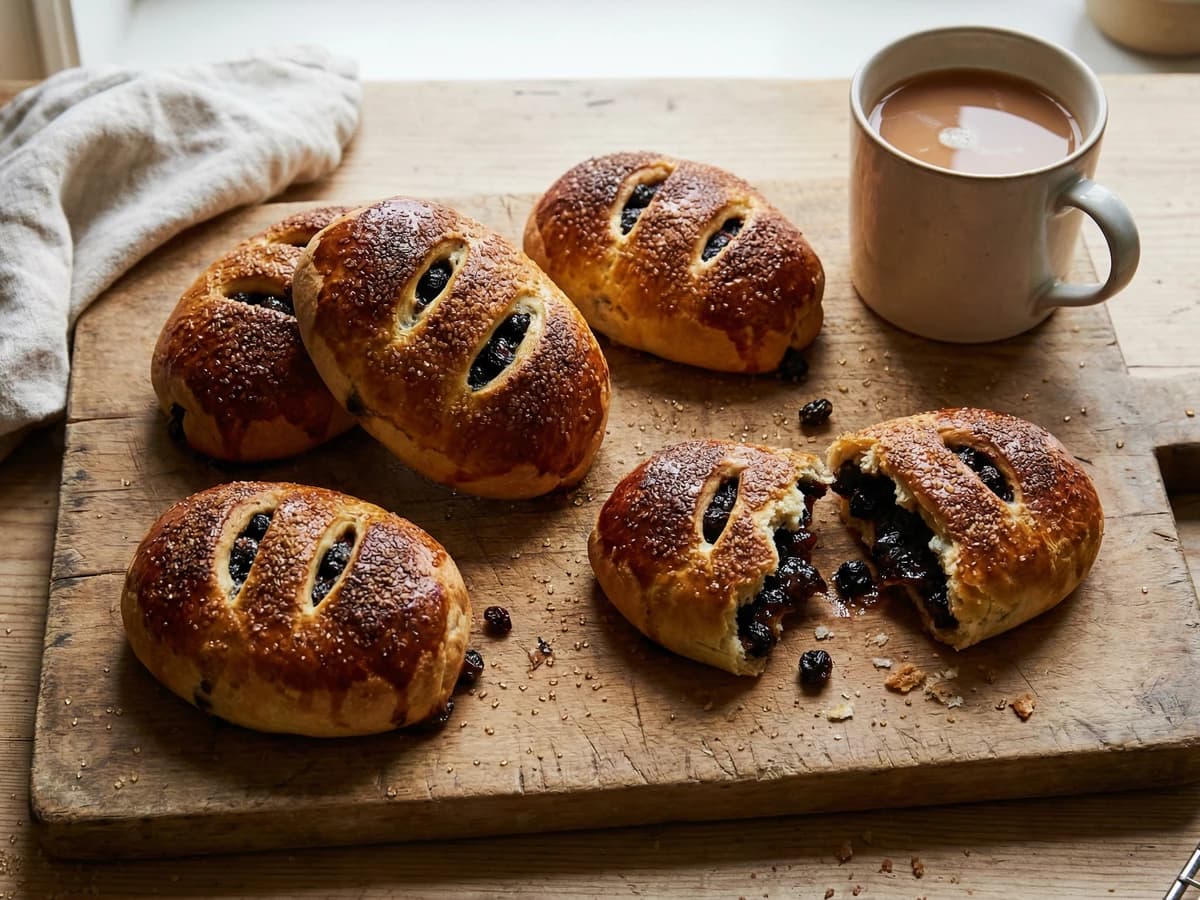
Oval pastries filled with rum-soaked currants and spice, baked until the tops crackle with sugar. The kind of thing to make on a wet Sunday afternoon when you want the kitchen to smell of something.
Chef Thomas
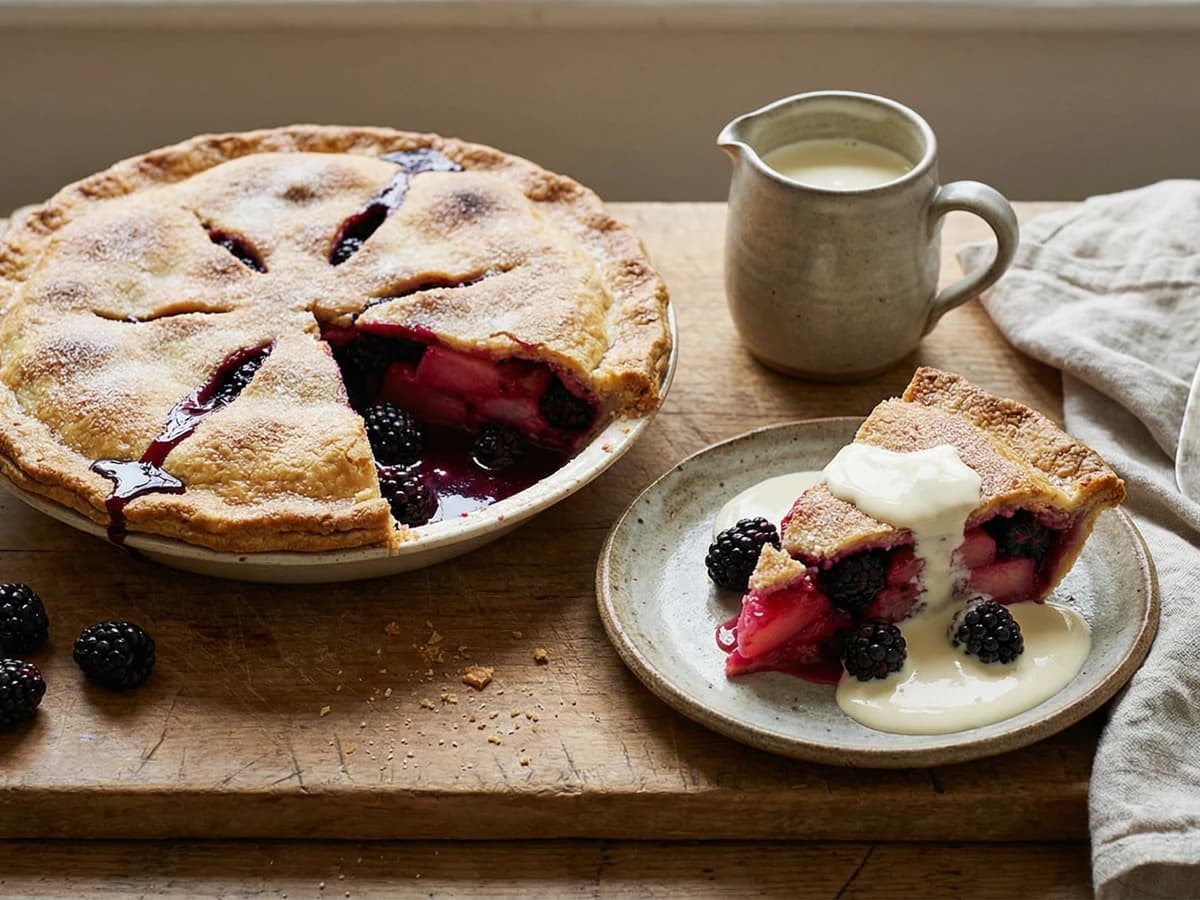
A proper hedgerow pie of Bramley apples and blackberries under a sugar-crusted pastry lid, the kind of pudding that turns a Sunday in September into something you'll remember.