Chef Thomas
Bakewell Tart
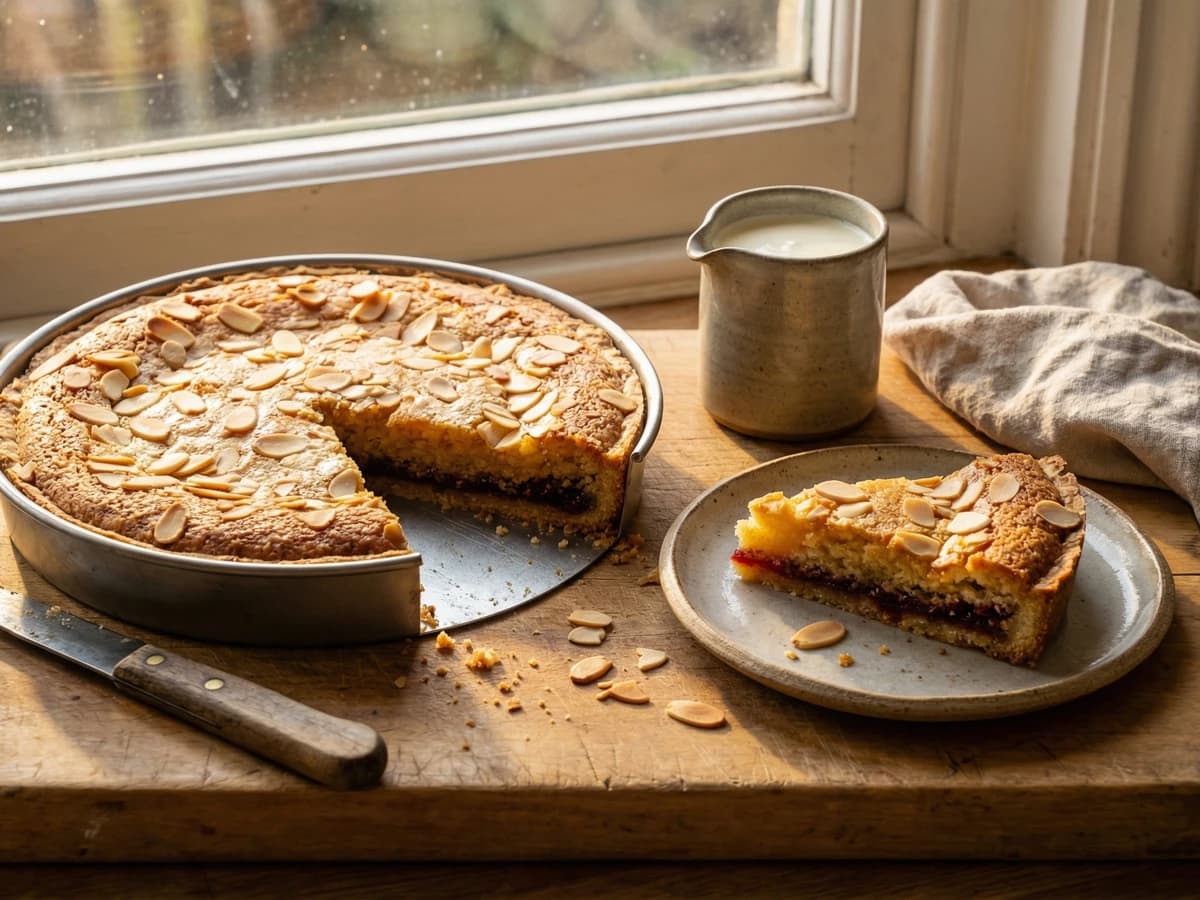
A proper Bakewell tart with buttery shortcrust, a thick layer of raspberry jam, and almond frangipane baked golden under a scattering of flaked almonds. No icing. No nonsense.
A cooking platform built around craft, culture, and the stories behind what we eat.

Created by Chef Thomas
The plainest biscuit in the tin and the hardest one to stop eating, three ingredients and a slow oven turning good butter into something quietly perfect with a cup of tea.
Shortbread is the kind of biscuit that doesn't try to impress you, and that's exactly why it does. Three ingredients. No leavening, no eggs, no flavouring beyond what the butter brings. There is nowhere to hide and nothing to fix. If the butter is good, the shortbread is good. If the butter is mean, the shortbread tells on it.
I make a tin of these every December, somewhere between the shortest day and Christmas Eve, when the kitchen is dark by four and the oven is the warmest thing in the house. The smell of butter and sugar baking slowly is one of the great smells of the year. It fills the kitchen the way only a few things can, and it lasts. Long after the tin has come out of the oven, the house still smells of it.
The Scots have been making shortbread properly for centuries and there's no improving on what they do. A biscuit, a cup of strong tea, a quiet ten minutes in the afternoon. We're only making dinner, except this isn't dinner, it's the small ritual that holds the dark months together.
I wrote it down in the notebook the first year I got it right: butter, flour, sugar, patience. Nothing else needed.
Quantity
250g
softened but still cool
Quantity
125g
plus extra for dusting
Quantity
250g
Quantity
75g
Quantity
pinch
| Ingredient | Quantity |
|---|---|
| good unsalted buttersoftened but still cool | 250g |
| caster sugarplus extra for dusting | 125g |
| plain flour | 250g |
| rice flour or fine semolina | 75g |
| fine sea salt | pinch |
Set the oven to 150C/130C fan. Line a 20cm square tin with baking parchment, leaving an overhang on two sides so you can lift the whole slab out later. Put the butter and sugar in a bowl and beat them together with a wooden spoon until they're pale and a little fluffy. Not whipped to within an inch of their lives, just properly combined and lightened. Three or four minutes by hand. The butter should look creamy, not greasy.
Sift the plain flour, rice flour, and salt over the butter and sugar. Bring it together with a wooden spoon at first, then your hands, working it just until it forms a soft, slightly crumbly dough. Stop the moment it comes together. Overworking shortbread develops the gluten and turns it tough, which is the opposite of what you want. You're after something that crumbles, not something that bends.
Tip the dough into the prepared tin. Press it down evenly with your fingers, then smooth the top with the back of a spoon or the bottom of a glass. You want it level and compact, about a centimetre thick. Prick the surface all over with a fork, right down to the base of the tin. This isn't decoration, it stops the shortbread from rising and cracking in the oven.
Score the surface into sixteen fingers with a sharp knife, cutting through about halfway. Don't slice all the way through. Then put the tin in the fridge for at least twenty minutes. This is not optional. Cold dough holds its shape in the oven and gives you that proper short, snappy texture. Warm dough spreads and softens. Trust me on this.
Bake on the middle shelf for thirty-five to forty minutes. You're looking for the palest gold, the colour of straw rather than toast. The edges might be a shade deeper than the middle, which is fine. Shortbread that's gone properly brown has gone too far. Trust your nose: when the kitchen smells of warm butter and biscuit tin, you're close.
Take the tin from the oven and dust the top generously with caster sugar while it's still warm. The sugar will catch on the buttery surface and stay there. Now, while the shortbread is still soft and warm, cut along your scored lines with a sharp knife to make sixteen fingers. Leave them in the tin to cool completely. They firm up as they go, from soft and yielding to that proper short, sandy snap.
1 serving (about 42g)
Culinary guides, cultural storytelling, and the editorial depth that makes cooking meaningful.
Discover Culinary ExplorerChef Thomas
A proper Bakewell tart with buttery shortcrust, a thick layer of raspberry jam, and almond frangipane baked golden under a scattering of flaked almonds. No icing. No nonsense.
Chef Thomas
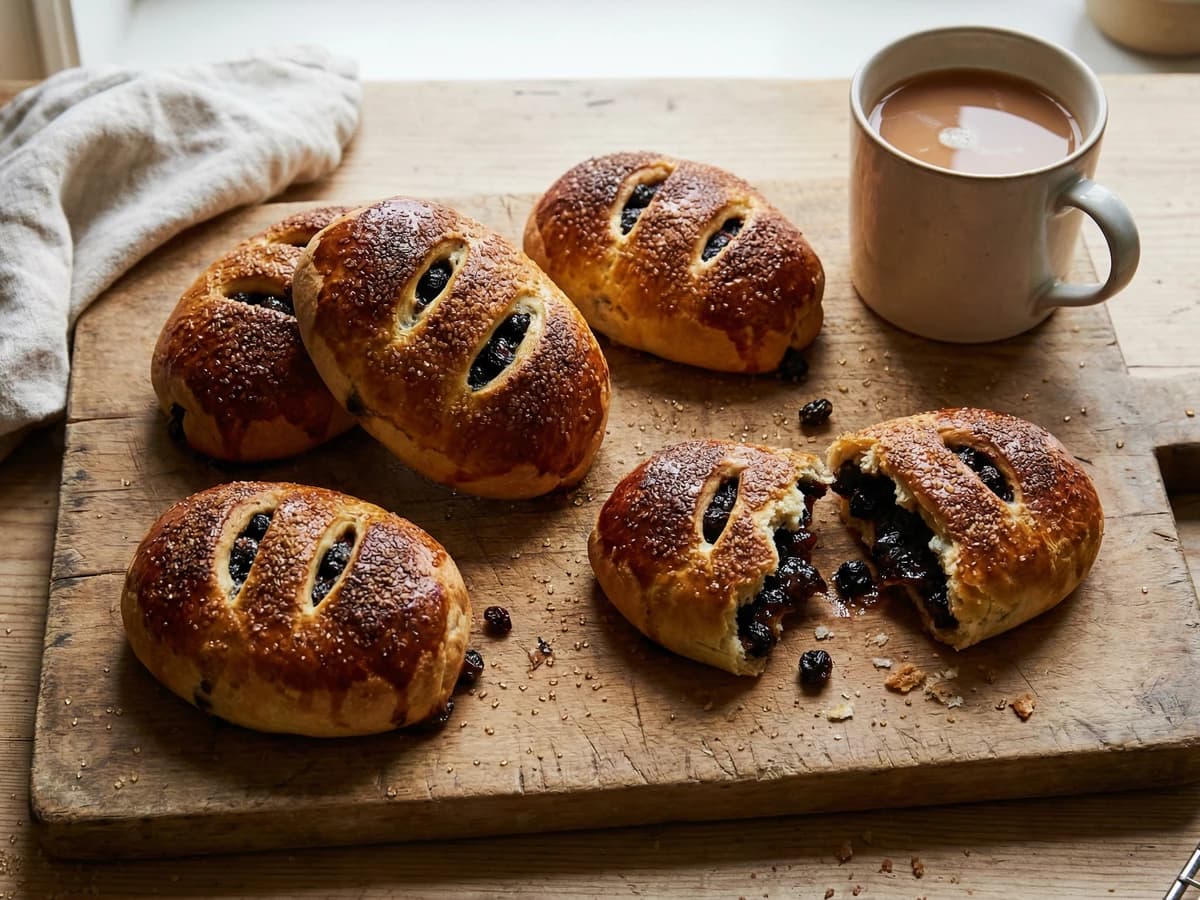
Oval pastries filled with rum-soaked currants and spice, baked until the tops crackle with sugar. The kind of thing to make on a wet Sunday afternoon when you want the kitchen to smell of something.
Chef Thomas
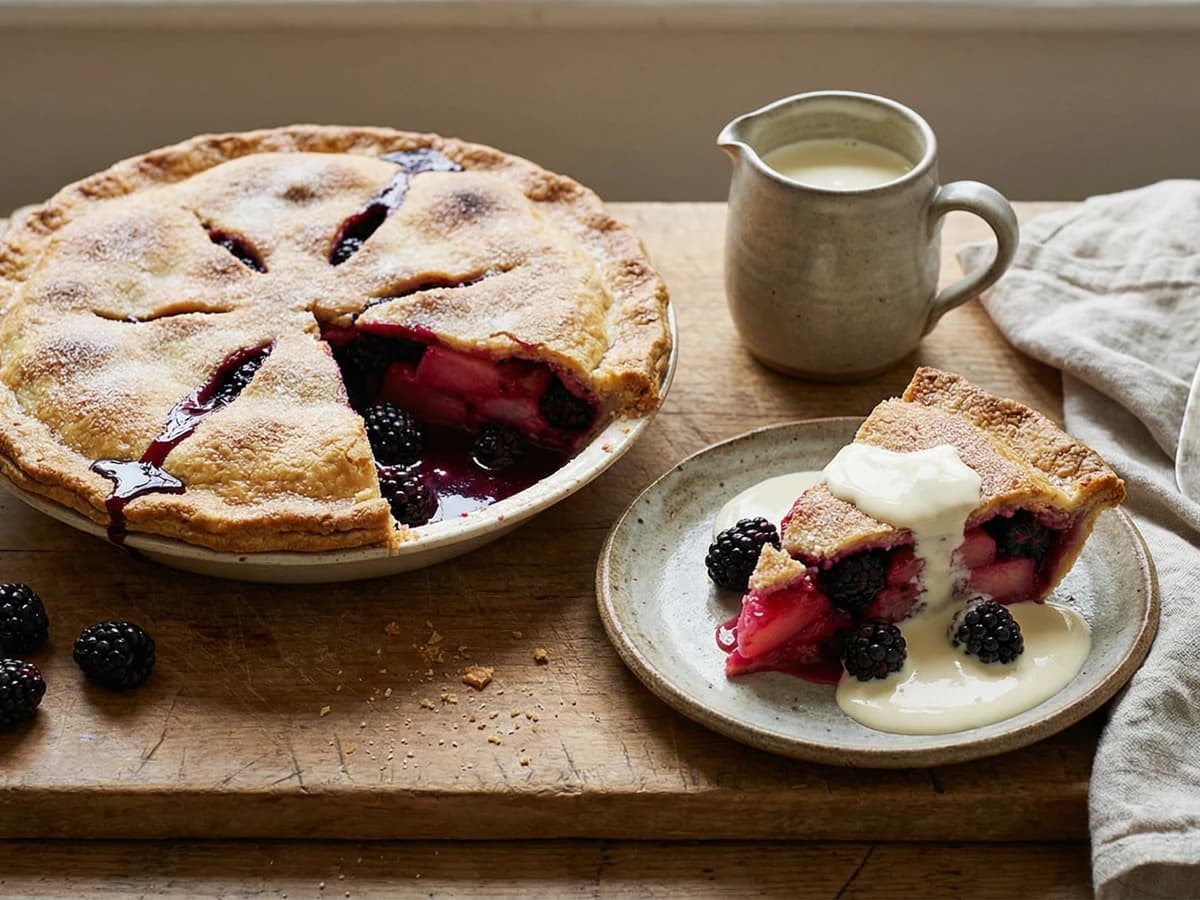
A proper hedgerow pie of Bramley apples and blackberries under a sugar-crusted pastry lid, the kind of pudding that turns a Sunday in September into something you'll remember.
Chef Thomas
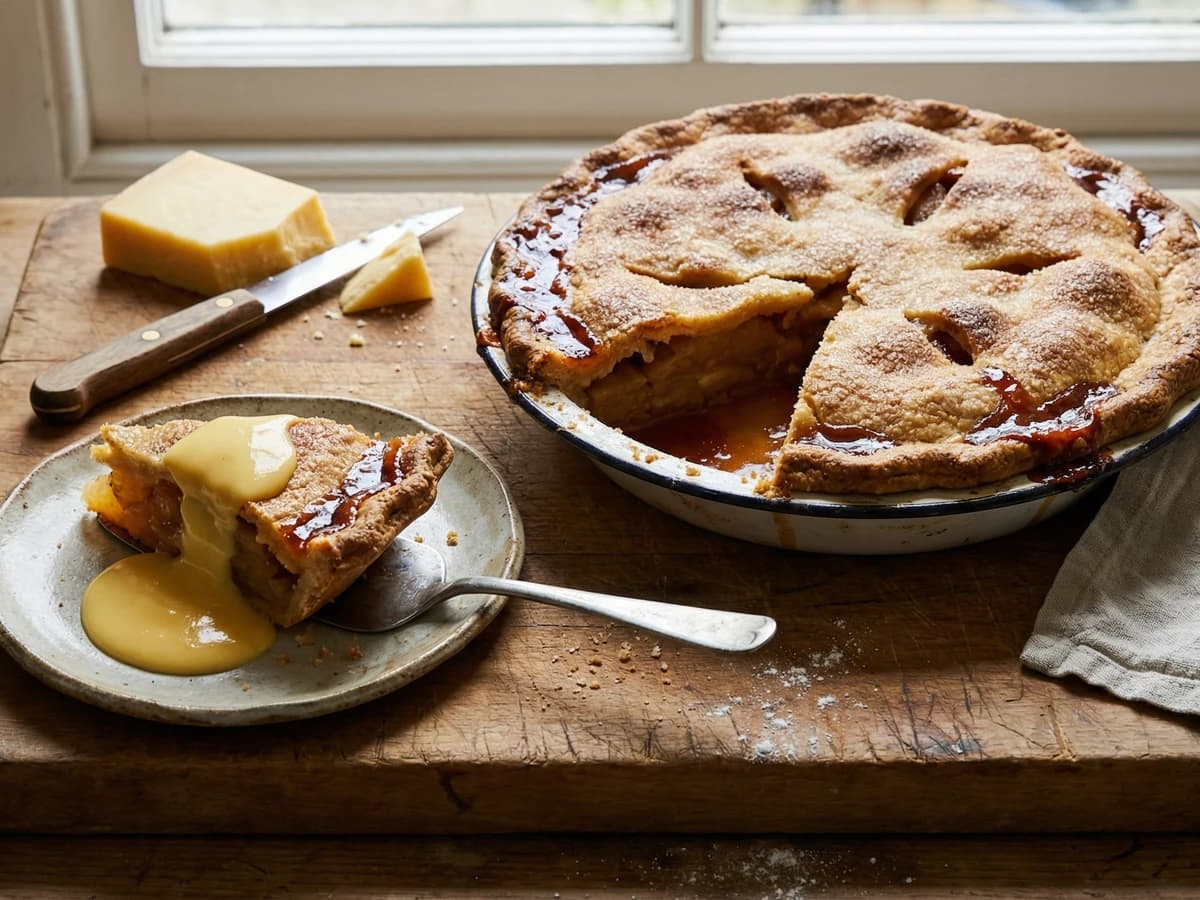
A proper Bramley apple pie with a buttery shortcrust and a filling that collapses into tart, fluffy puree, the kind of pudding the back end of October was made for.