
Chef Juliette
Various Almond Preparations
Five almond preparations, one discipline: remove the skins cleanly, dry every kernel through, then cut, toast, or cloak it in pale caramel without letting its fragrant oils escape.
A cooking platform built around craft, culture, and the stories behind what we eat.
Created by
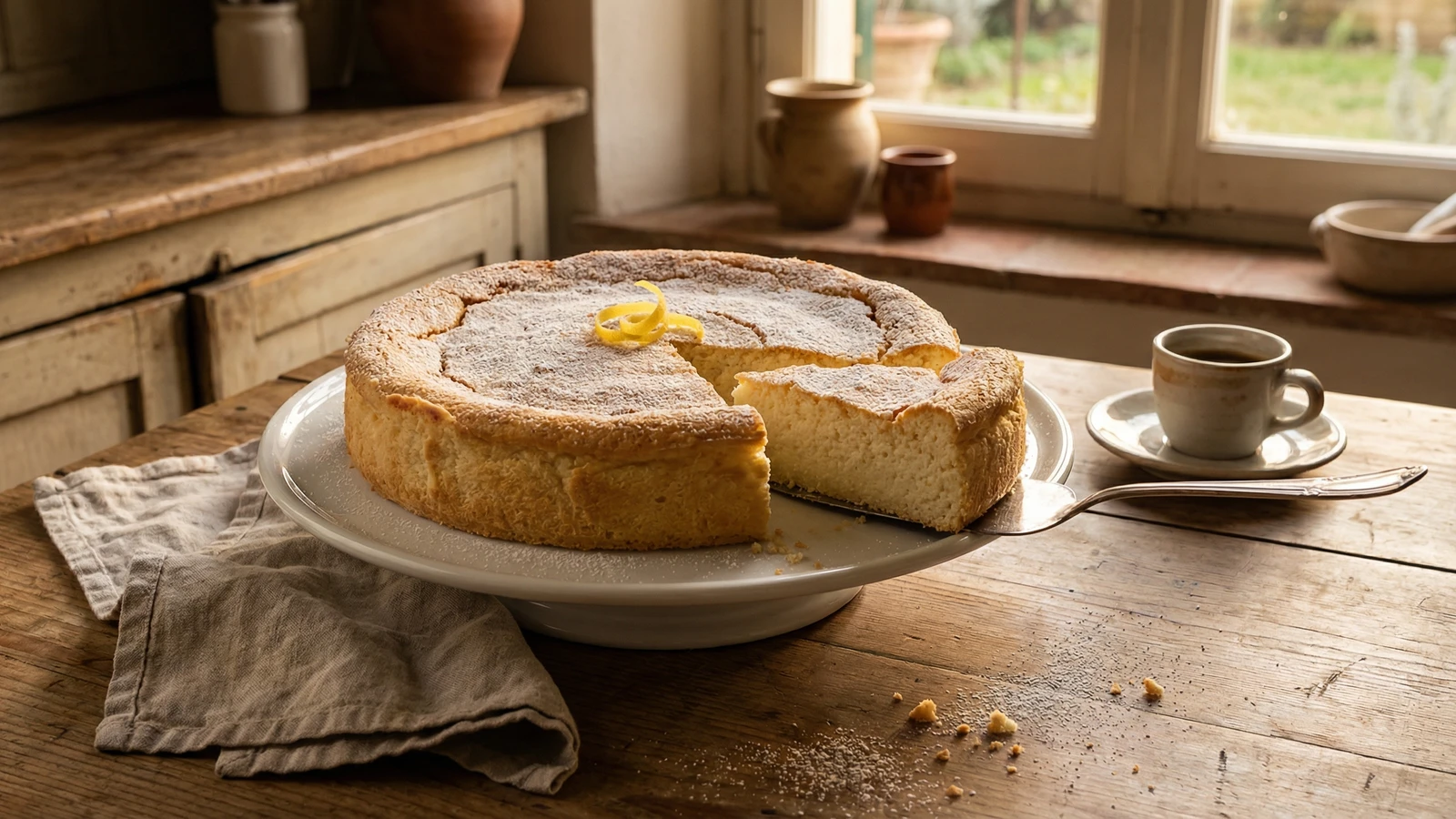
Rome's answer to cheesecake, made the way Roman home cooks have made it for generations: fresh ricotta, lemon, honey, and nothing more than the dish requires.
Americans think they invented cheesecake. They did not. Romans were making cakes from fresh cheese when Manhattan was still forest. The difference between what Romans make and what Americans call cheesecake is the difference between a conversation and a shout. This cake does not announce itself. It suggests. It offers a texture that is grainy where cream cheese is dense, a sweetness that whispers where American cheesecake bellows.
The ricotta must be fresh, preferably from a shop that makes it daily. The tubs sold in supermarkets contain stabilizers and excess moisture that will sabotage your cake. If you cannot find proper ricotta, drain the commercial product overnight. This is not optional. Wet ricotta produces a weeping cake, and a weeping cake is a failure.
Honey matters here. Romans have sweetened their ricotta desserts with honey since antiquity. Sugar came later. The honey provides a floral depth that sugar alone cannot achieve. Use a mild variety: acacia or wildflower. Strong honey, like chestnut or buckwheat, overwhelms the delicate ricotta.
What you keep out is as significant as what you put in. There is no crust. There is no sour cream topping. There are no elaborate decorations. This cake trusts its ingredients to speak without interruption.
Fresh cheese cakes sweetened with honey appear in the writings of Cato the Elder, who recorded recipes for placenta and libuma in the 2nd century BC. Roman bakers offered these cakes at temples and served them at wedding feasts. The modern torta di ricotta is their direct descendant, simplified over centuries but unchanged in spirit: fresh cheese, honey, and the restraint to add nothing more.
Quantity
2 pounds
drained overnight
Quantity
4
at room temperature
Quantity
3/4 cup
Quantity
3 tablespoons
Quantity
from 2 lemons
finely grated
Quantity
2 tablespoons
Quantity
1/4 cup
Quantity
1/2 teaspoon
Quantity
1 teaspoon
Quantity
for the pan
Quantity
for the pan
Quantity
for dusting
| Ingredient | Quantity |
|---|---|
| fresh whole-milk ricottadrained overnight | 2 pounds |
| large eggsat room temperature | 4 |
| granulated sugar | 3/4 cup |
| mild honey | 3 tablespoons |
| lemon zestfinely grated | from 2 lemons |
| fresh lemon juice | 2 tablespoons |
| semolina flour | 1/4 cup |
| fine sea salt | 1/2 teaspoon |
| pure vanilla extract | 1 teaspoon |
| butter | for the pan |
| flour | for the pan |
| confectioners' sugar (optional) | for dusting |
This step happens the night before. Line a fine-mesh strainer with cheesecloth and set it over a bowl. Spoon the ricotta into the strainer, cover with plastic wrap, and refrigerate overnight. The ricotta will release a surprising amount of liquid. This liquid is the enemy of proper texture. Without this step, your cake will weep and turn sodden. There is no shortcut.
Position a rack in the center of the oven and heat to 325°F. Butter a 9-inch springform pan thoroughly, then dust with flour, tapping out the excess. The low temperature is deliberate. High heat causes ricotta to curdle and separate. Patience creates the proper texture.
In a large bowl, whisk the eggs with the granulated sugar until the mixture is pale and slightly thickened, about 2 minutes by hand. Add the honey and whisk until incorporated. The honey adds a floral sweetness that plain sugar cannot provide. This is not decoration. It is essential to the Roman character of the cake.
Transfer the drained ricotta to the bowl. The ricotta should feel noticeably drier, almost crumbly. Whisk vigorously until the mixture is smooth, breaking up any lumps. Some small curds may remain. This is acceptable. The texture should be grainier than American cheesecake. This is a feature, not a flaw.
Add the lemon zest, lemon juice, semolina, salt, and vanilla. Whisk until everything is evenly distributed. The semolina absorbs excess moisture during baking and provides structure without heaviness. Taste the batter. It should be fragrant with lemon and delicately sweet.
Pour the batter into the prepared pan and smooth the top with a spatula. Bake until the cake is set around the edges but still has a slight wobble in the center when gently shaken, 45 to 50 minutes. The top should be pale gold, not brown. A toothpick inserted two inches from the edge should come out clean. The center firms as it cools.
Turn off the oven and crack the door open. Let the cake cool in the oven for 30 minutes. This gradual cooling prevents the surface from cracking. Remove to a wire rack and cool completely in the pan, at least 2 hours. Resist the temptation to unmold it early. The cake is fragile when warm.
Run a thin knife around the edge of the pan and release the springform ring. Transfer the cake to a serving plate. Dust lightly with confectioners' sugar if you wish, though it is not traditional. Serve at room temperature or slightly chilled. The flavor is cleaner when cold, the texture more pleasant at room temperature. You decide.
1 serving (about 140g)
Culinary guides, cultural storytelling, and the editorial depth that makes cooking meaningful.
Discover Culinary ExplorerChef Juliette
Five almond preparations, one discipline: remove the skins cleanly, dry every kernel through, then cut, toast, or cloak it in pale caramel without letting its fragrant oils escape.

Chef Juliette
A pastry pantry lesson in one tray: filberts warmed only until their red skins release, rubbed clean, cooled, and chopped into a fragrant mise-en-place for cakes, creams, pralines, and petits fours.

Chef Juliette
The smallest pâtisserie discipline decides whether a cake leaves its mould intact: clarified butter in every corner, followed by the lightest veil of dry flour or fécule.

Chef Juliette
Four whites, one spotless bowl, and a patient change of speed: whisk gently until loosened, then briskly to glossy stiffness, with powdered sugar waiting if the foam begins to granulate.