Chef Makoa
Confiture de Coco (Tahitian Coconut Jam)
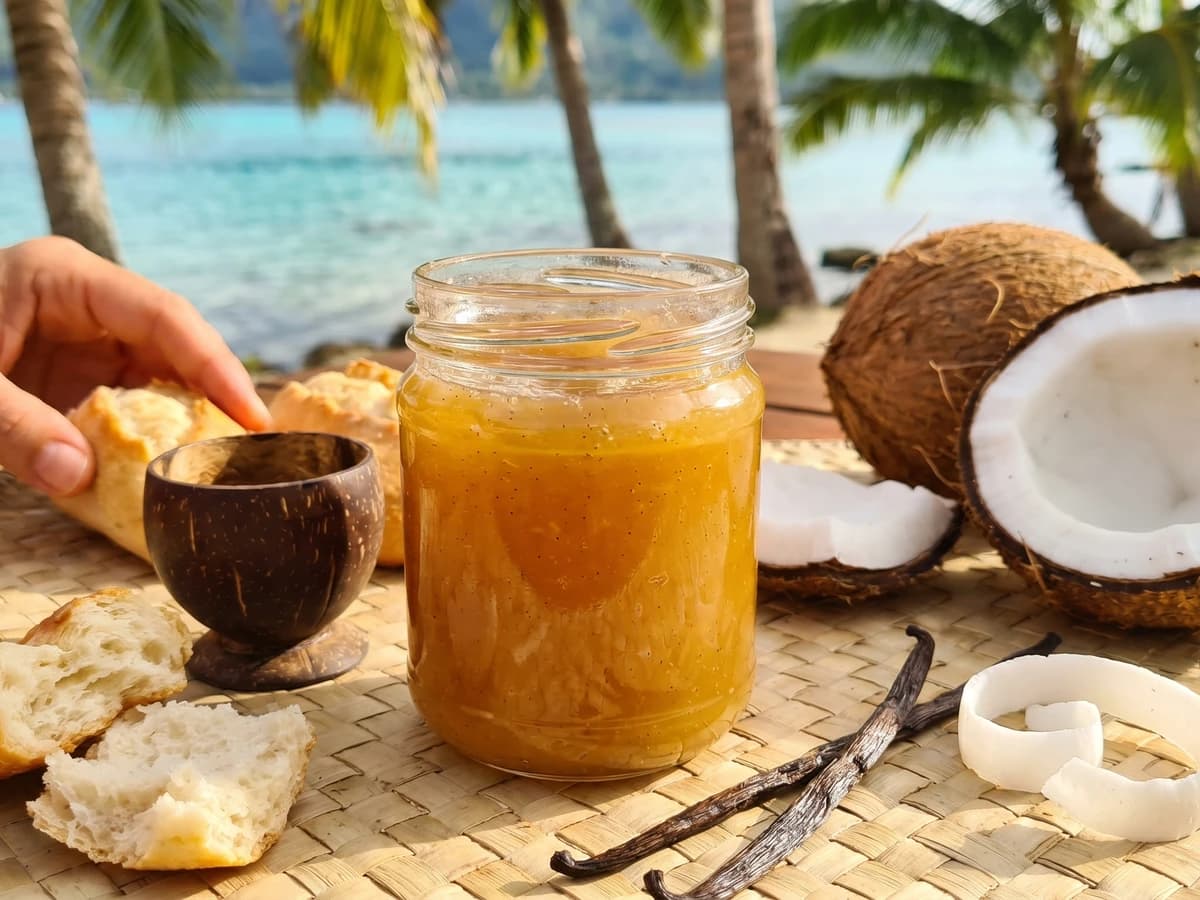
Tahiti's coconut jam turns grated haʻari, sugar, and vanilla into a glossy golden spread for firi firi, pain coco, toast, or any table that needs one more sweet spoon.
A cooking platform built around craft, culture, and the stories behind what we eat.
Created by
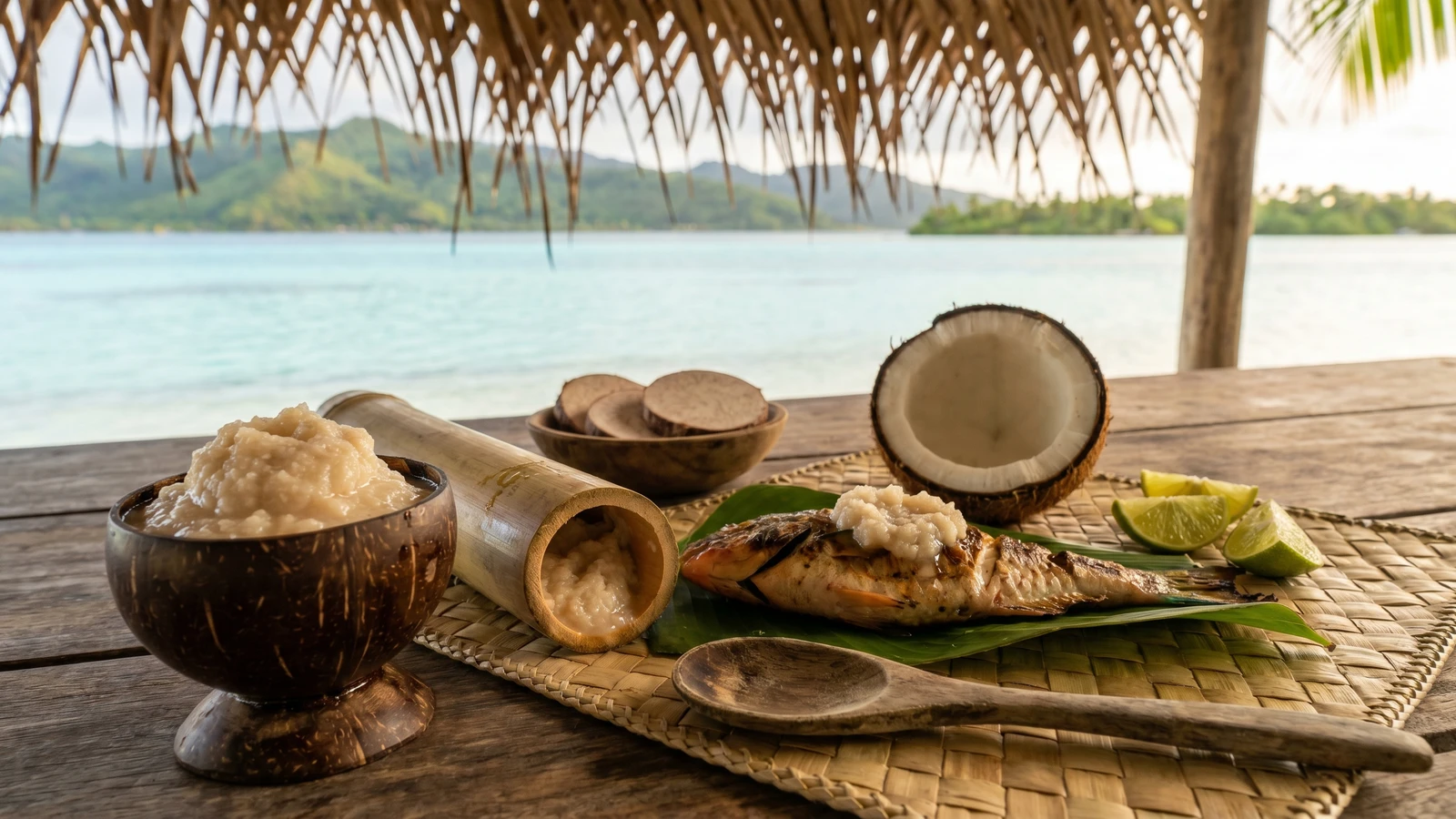
Tahitian taioro is mature coconut, grated fine and left with clean sea-salt brine until it turns sharp, nutty, and sea-salty, then spooned over fish, ʻuru, or taro.
The canoe carried more than roots. It carried the coconut too, that tall, generous relative that gives water, flesh, shell, leaf, and shade, and in Tahiti the old people learned to let even its sharpness feed the table. Taioro is Tahitian: grated haʻari, mature coconut, mixed with clean salty sea water, packed into ʻofe, bamboo, and left until it turns sour-savory enough to wake up fish.
I first tasted it at a Tahitian table where the lagoon was right there, somebody's uncle breaking fish with his fingers and laughing because I took too polite a spoonful. That little bite had the lesson. Fermentation isn't failure when the hand is clean and the source is right. It's keeping. It's patience. It's the fenua, the land, and the tai, the sea, teaching you not to waste what they gave.
The cousins know this law all across the Triangle. Tahiti has fafaru, fish made pungent in seawater; the atolls keep breadfruit through sour fermentation; Māori tables know kānga pirau, fermented corn from the post-contact pantry; back home in Hawaiʻi we salt and dry fish, and we let poi sour because it keeps feeding us. Same ocean, different keeping.
At home, I won't tell you to scoop random seawater and trust it. We build a clean brine as salty as the sea, use a glass jar if no bamboo, and stop the ferment when it smells bright, nutty, and savory. Then spoon it over grilled fish, ʻuru, taro, rice, whatever get. Deep food can live in a real kitchen. Eat what you have.
Taioro belongs to maʻʻa Tahiti, Tahitian food, in the old keeping pantry where coconut, seawater, bamboo, and time did work before imported jars and refrigerators changed the kitchen. The traditional container was a section of ʻofe, bamboo, and the condiment sits near Tahiti's other fermented sea foods, especially fafaru, fish made pungent in seawater. Across the Triangle, preservation answered scarcity in each place by its own hand: fermented breadfruit on atolls and in the Marquesas, sour poi in Hawaiʻi, and Māori kānga pirau after corn entered Aotearoa.
Quantity
3 cups
finely grated, from 1 to 2 brown coconuts
Quantity
1 cup
Quantity
1 tablespoon, about 16 to 18 grams
Quantity
1 tablespoon
Quantity
1 small
seeded and minced
Quantity
1 to 2 teaspoons
Quantity
for serving
| Ingredient | Quantity |
|---|---|
| fresh mature coconut meat (haʻari)finely grated, from 1 to 2 brown coconuts | 3 cups |
| filtered water | 1 cup |
| non-iodized sea salt | 1 tablespoon, about 16 to 18 grams |
| live brine from a previous clean vegetable or coconut ferment (optional) | 1 tablespoon |
| fresh red chile (optional)seeded and minced | 1 small |
| fresh lime juice (optional) | 1 to 2 teaspoons |
| cooked fish, ʻuru, taro, or rice | for serving |
Scrub a 1-quart glass jar, lid, and fermentation weight, then rinse them with boiling water and let them air-dry. If you have a food-safe ʻofe, bamboo tube, scrub it clean and rinse the inside with boiling water too. If the bamboo smells dusty, moldy, or chemical, use glass. The old people knew their materials. You should know yours.
Stir the sea salt into the filtered water until fully dissolved. This is the clean home-kitchen stand-in for seawater, salty like the tai without whatever the beach might be carrying that day. Don't use ocean water unless it comes from a tested, legal, clean source. Pollution doesn't become pono because a recipe got romantic.
Crack the mature brown coconut and smell it first. It should smell sweet, clean, and nutty, never rancid or soapy. Pry out the firm white meat, trim off most of the brown skin if you want a paler taioro, and grate it fine so it can drink the brine. Dry packaged coconut won't do the same work. It has already lost too much life.
Mix the grated coconut with the sea brine and the optional live ferment brine, if using. Pack it into the jar or bamboo tube, pressing down until the coconut is wet all the way through and a little brine rises over the top. Set a clean weight over it so the shreds stay under the brine, then cover loosely. It needs to breathe a little, not sit sealed tight like a canned food.
Leave the taioro at 70F to 78F for 24 to 72 hours, out of direct sun. Check it once a day with clean hands and clean tools. The smell should move from fresh coconut to sour-salty, nutty, and savory, with tiny bubbles and a faint coconut-oil sheen. If you see fuzzy mold, pink or black streaks, heavy slime, or smell paint, rot, or rancid oil, throw it out. No blame the coconut. Something in the vessel or the handling went wrong.
Start tasting at 24 hours. When it is sharp enough to make your mouth water but still tastes like coconut and sea, move it to the refrigerator. Drain off a spoonful or two of brine if you want it thicker, then stir it into a spoonable relish. Add the chile or lime only at serving time, not before the ferment, so the old flavor stays clear.
Spoon the taioro over cooked lagoon fish, grilled fish, ʻuru, taro, or hot rice. For raw fish, use only fish you would trust for sashimi and serve it right away. Taioro is small but strong, so start with a little and let people come back for more. That's how a condiment feeds the whole table.
Once the taioro is sharp, keep it refrigerated and use clean spoons every time. Eat it within 5 to 7 days. This is a living condiment, not a shelf-stable jar, and the cold slows it down before the sourness runs too far.
1 serving (about 36g)
Culinary guides, cultural storytelling, and the editorial depth that makes cooking meaningful.
Discover Culinary ExplorerChef Makoa
Tahiti's coconut jam turns grated haʻari, sugar, and vanilla into a glossy golden spread for firi firi, pain coco, toast, or any table that needs one more sweet spoon.

Chef Makoa
Tahiti's sharp, funky coconut condiment, grated coco fermented with brine and shrimp until it smells of reef and feast, then spooned over fish, ʻuru, taro, and maʻa Tahiti.
Chef Juliette
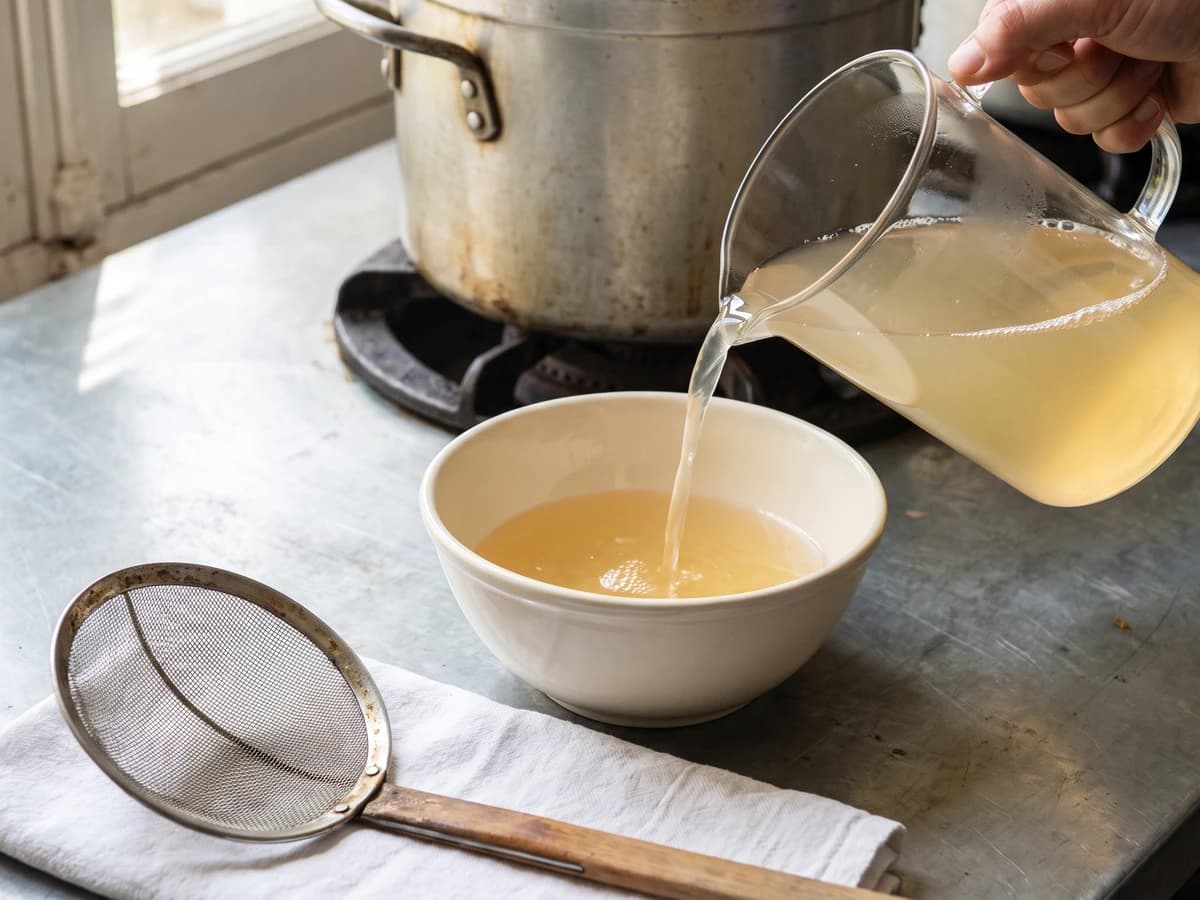
Beef shin, lean beef, and fowl begin in cold water and rise slowly toward a tremble. Skim before the boil, and you learn the quiet discipline that gives every clear French broth its backbone.
Chef Juliette
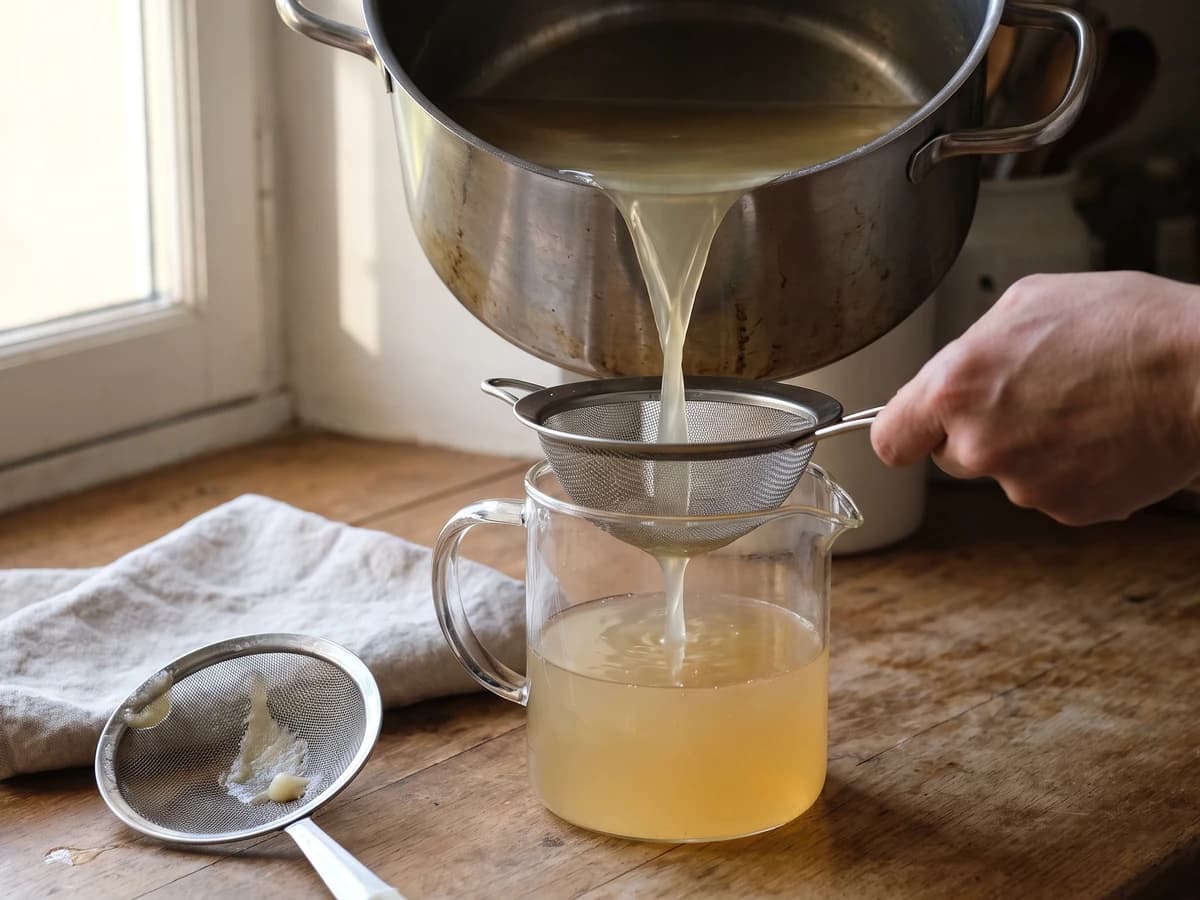
Break the veal bones small, then give them eight hours at a bare tremble. This pale, gelatinous fond becomes the quiet foundation beneath velouté, blanquette, and every sauce that must stay light.