
Chef Makoa
Hāngī (Māori Pit-Oven Pork and Root Vegetables)
Aotearoa's Māori hāngī: pork, chicken, kūmara, potato, and pumpkin lowered over hot stones until the meat pulls soft and the roots drink in the earth-oven richness.
A cooking platform built around craft, culture, and the stories behind what we eat.
Created by
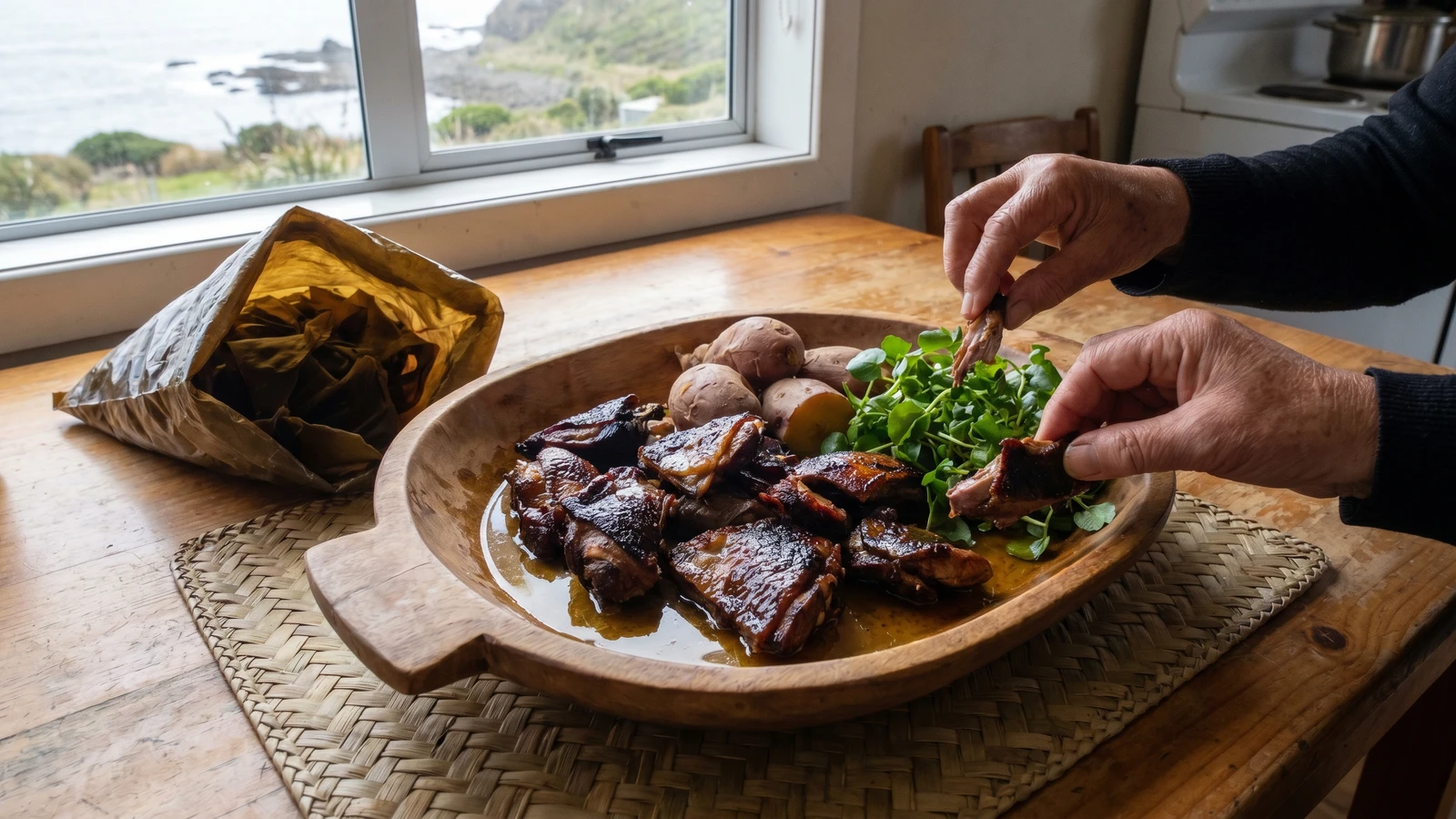
Aotearoa's richest keeping food: Ngāi Tahu tītī, the muttonbird of the southern islands, cooked until the fat runs clear, salted well, and held for the table.
The first time I tasted tītī, I knew I was at somebody else's deep table. This is Māori food from Aotearoa, from the cold southern waters around Rakiura, where Ngāi Tahu whānau keep the muttonbirding season with rights, rules, work, and memory older than any visitor's appetite. I cook it open-handed, but the deeper tikanga, the protocol and meaning, belongs to Māori elders and the whānau who carry it.
Tītī is not mild bird. It is seabird, oil, salt, kelp, smoke in the feathers of memory even when there is no smoke in the pan. The fat is the story here. It is not trimmed away like a mistake. It is rendered, respected, and used to keep the bird safe, the same island answer to scarcity you see across the Triangle when people ferment breadfruit in atoll pits, dry fish in Hawaiian salt, or hold food through lean weather because the ocean gives and the ocean also says wait.
This home method will not pretend to make a pōhā, the bull-kelp keeping bag, in your kitchen. That is specialist work from its own place. What we can do is honor the logic: salt the bird, cook it gently until the flesh yields, strain the fat clean, and cover the pieces fully so the flavor deepens. If you cannot get lawful tītī, no shame. Use duck legs as a teaching stand-in and say what it is. Eat what you have, but don't rename another bird as tītī.
Huahua tītī is bound to the customary harvest of sooty shearwater chicks by Rakiura Māori on the Tītī Islands south of Aotearoa, with access and season governed by whakapapa, family descent, and law. Traditionally the cooked and salted birds could be packed into pōhā, inflated bull-kelp bags protected with bark and woven work, then sealed in their own fat for long keeping. This is Aotearoa's preservation knowledge, cousin in purpose to fermented breadfruit, salted fish, and other island keeping foods across Polynesia, but it belongs by name to Māori hands.
Quantity
4
cleaned, excess loose fat saved
Quantity
6
stand-in only, not huahua tītī
Quantity
3 tablespoons
plus more as needed
Quantity
1 tablespoon
for a light finish
Quantity
2 cups
enough to cover the cooked bird
Quantity
1 cup
only if needed to start the slow cook
Quantity
for serving
Quantity
for serving
| Ingredient | Quantity |
|---|---|
| legally sourced tītī (muttonbirds)cleaned, excess loose fat saved | 4 |
| duck legs (optional)stand-in only, not huahua tītī | 6 |
| coarse sea saltplus more as needed | 3 tablespoons |
| mānuka honey or dark honey (optional)for a light finish | 1 tablespoon |
| rendered duck fat, goose fat, or strained tītī fatenough to cover the cooked bird | 2 cups |
| water (optional)only if needed to start the slow cook | 1 cup |
| boiled kūmara (sweet potato) | for serving |
| watercress or bitter greens | for serving |
Use only tītī that is lawful for you to have, from Māori harvesters or family channels where that is allowed. If that door is not open to you, use duck legs and call them duck. The name matters because the people matter.
Pat the birds dry and rub them all over with the coarse salt, especially around the joints and thick places. Set them on a rack over a tray, cover, and chill overnight. By morning the skin should feel firmer and the surface a little tacky. That salt is not just seasoning. It is part of the keeping.
Rinse off the excess salt and pat the birds very dry. If the tītī is already heavily preserved, soak it in cold water for 1 to 2 hours first, changing the water once, then dry it well. You want the salt strong enough to speak, not so loud it eats the whole room.
Put any saved tītī fat in a heavy Dutch oven over low heat and let it melt slowly. Add duck or goose fat if you need more. Keep the heat gentle so the fat clears and smells rich, not scorched. Strain out any browned bits and return the clean fat to the pot.
Nestle the tītī into the fat. The pieces should be mostly covered; add a little water only if the pan is dry at the start. Cover and cook at 250F for 2 1/2 to 3 hours, until the meat gives under a fork and the fat is clear and glossy around it. No rush this. Tough flesh needs time to become generous.
Lift the cooked bird into a sterilized glass jar or small crock, pulling large pieces from the bone if you like. Strain the hot fat through a fine sieve, then pour it over the meat until every piece is fully covered by at least half an inch. Tap the jar so trapped air rises. Cool, cover, and refrigerate.
This home jar is refrigerator keeping, not a shelf-stable pōhā. Hold it cold and use within 2 weeks, or freeze for longer storage. If the fat seal breaks, if the smell turns rotten instead of cleanly strong, or if you see bubbling or mold, no heroics. Throw it out.
To serve, pull out what you need and warm it gently in a skillet with a spoon of its own fat until the skin and edges go crisp and the meat shines dark. A tiny brush of mānuka honey is fine if you want a bitter-sweet edge. Eat with boiled kūmara and watercress, something plain and grounding beside all that richness.
1 serving (about 310g)
Culinary guides, cultural storytelling, and the editorial depth that makes cooking meaningful.
Discover Culinary ExplorerChef Makoa
Aotearoa's Māori hāngī: pork, chicken, kūmara, potato, and pumpkin lowered over hot stones until the meat pulls soft and the roots drink in the earth-oven richness.
Chef Makoa
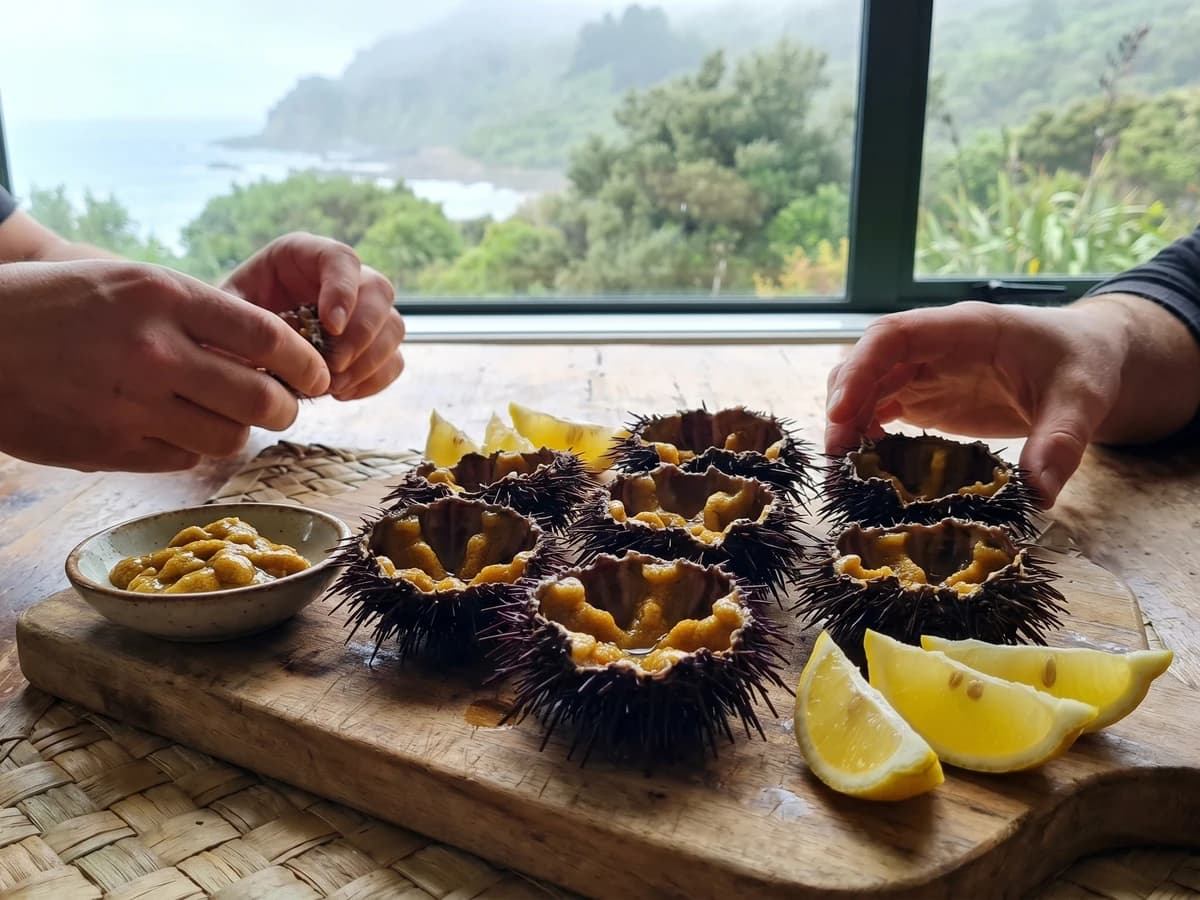
Cold-coast kaimoana from Aotearoa: kina cracked open at the table, golden roe lifted from the shell, briny and rich, eaten simply because the reef already did the seasoning.
Chef Makoa
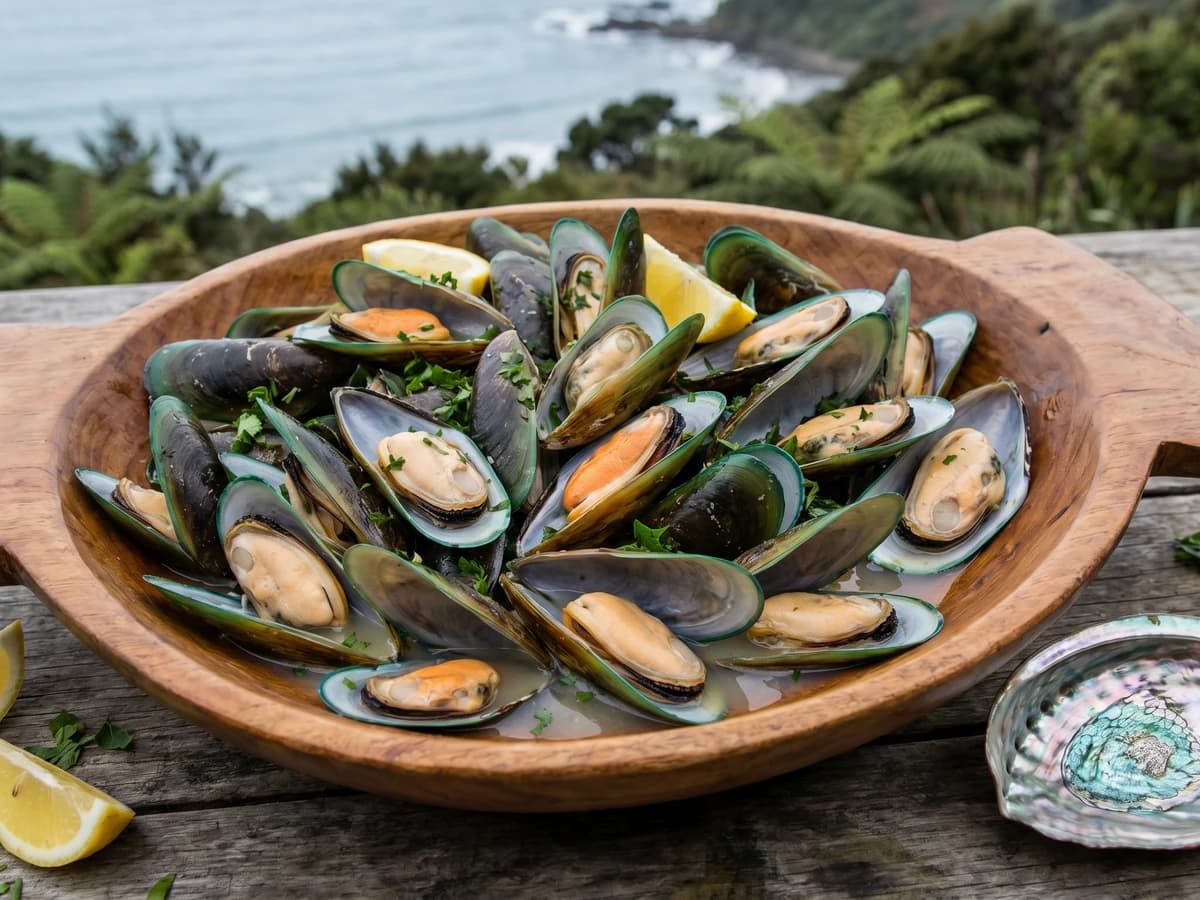
Green-lipped kūtai from Aotearoa's cold coast, steamed plain until the shells open and their own briny liquor gathers, finished with lemon and bread for the whānau table.
Chef Makoa
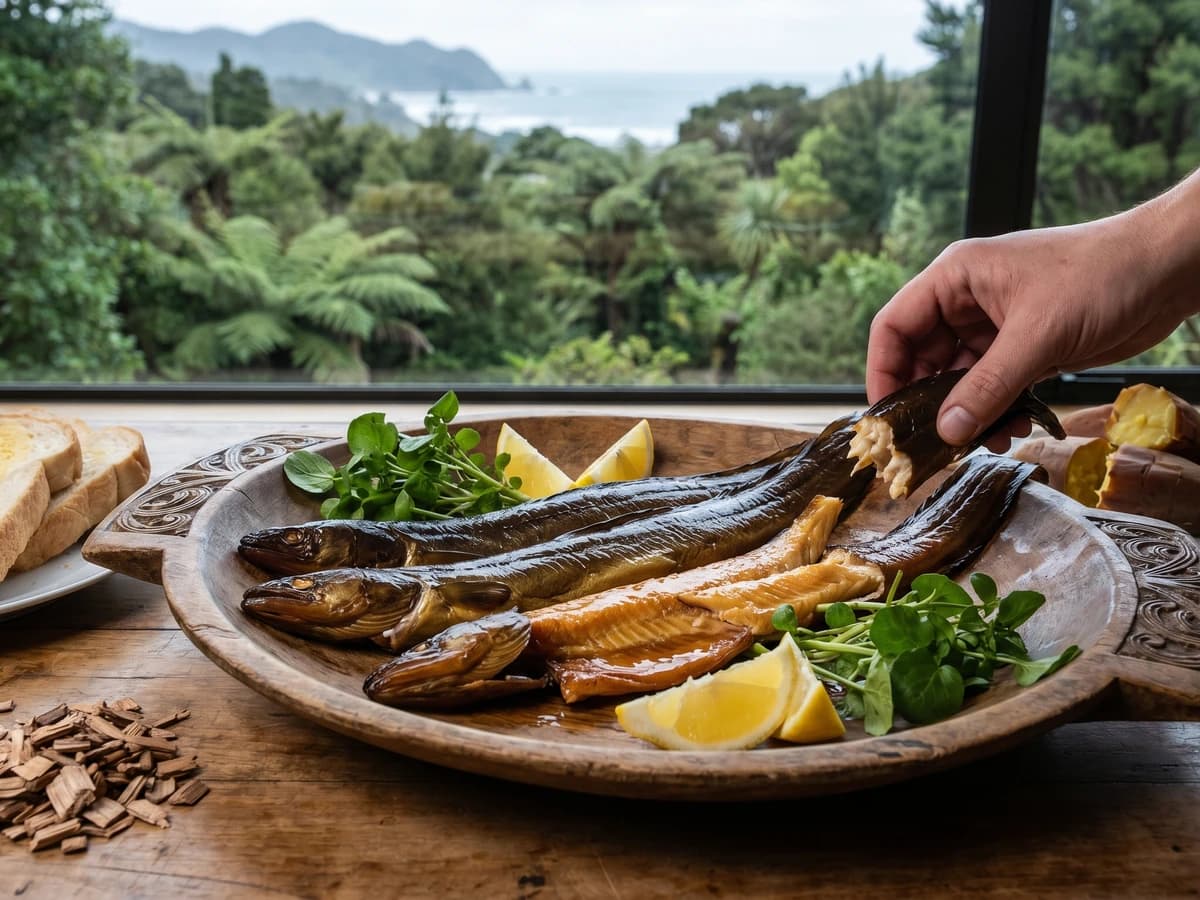
Aotearoa's river tuna, split and salted, then smoked slow over mānuka until the oil shines, eaten cold off the bone with buttered bread, kūmara, and whānau around the table.