Chef Graziella
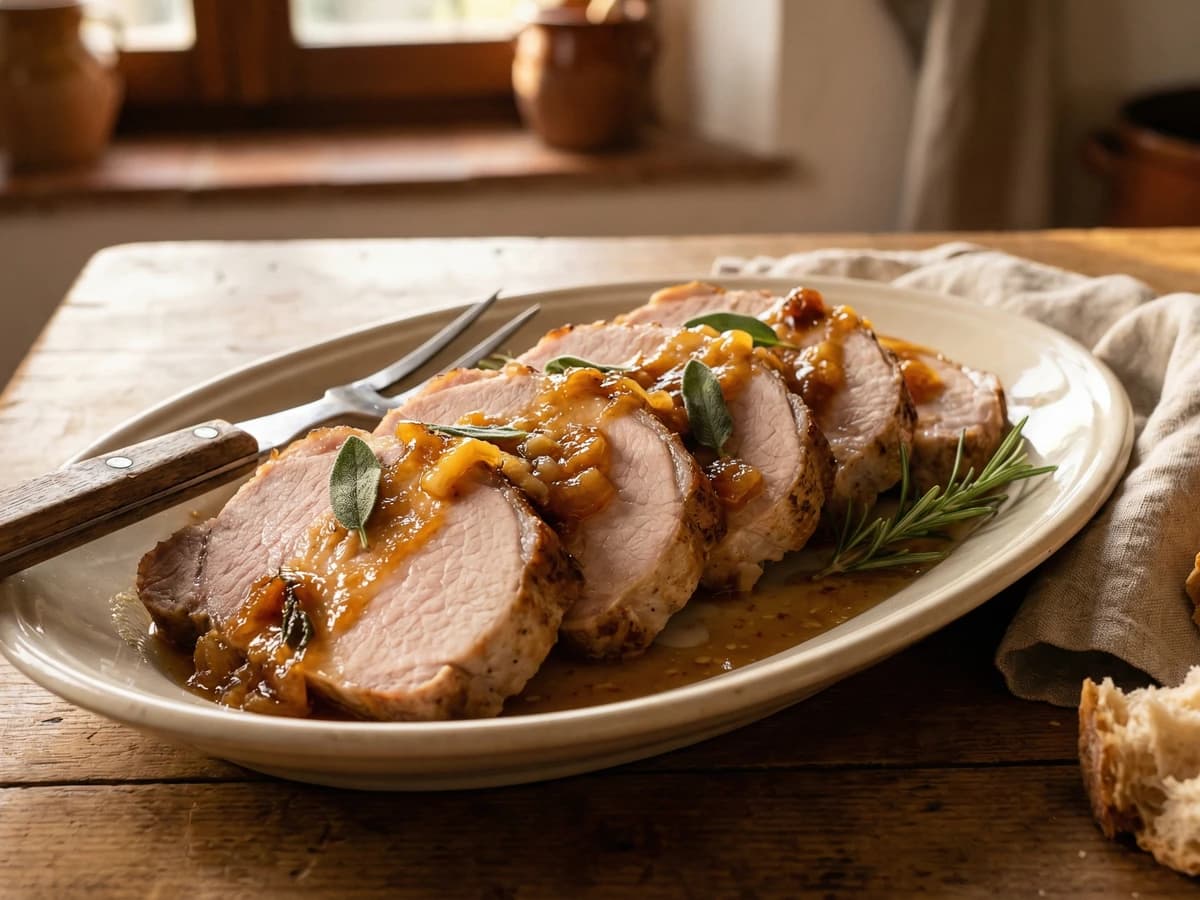
Arrosto di Maiale al Latte
Pork loin braised in milk until the liquid transforms into nutty, golden curds that cling to impossibly tender meat. The technique looks like failure and tastes like triumph.
A cooking platform built around craft, culture, and the stories behind what we eat.
Created by
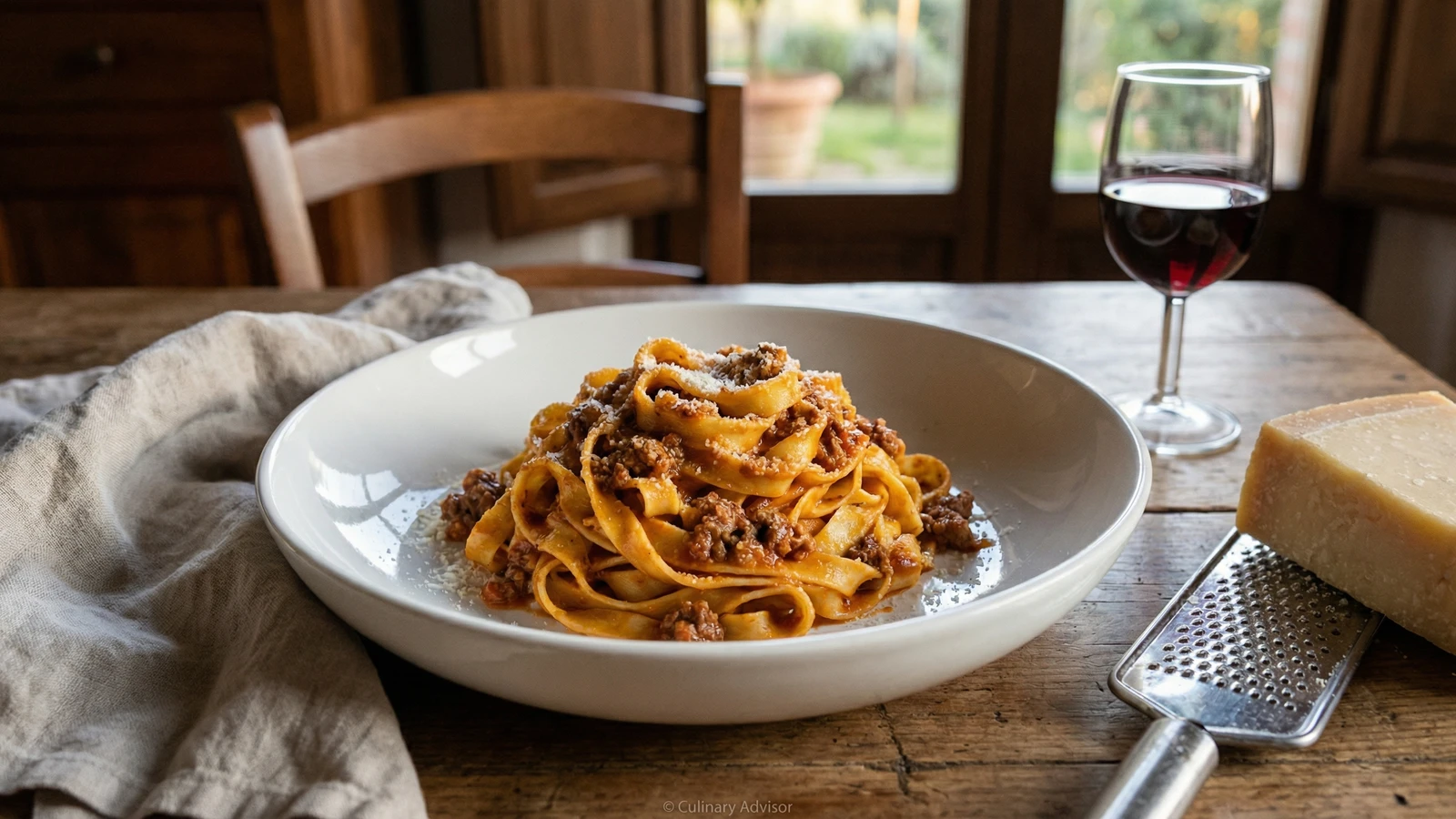
The authentic ragù of Bologna, where three meats surrender their identity through patient simmering with soffritto, wine, milk, and restrained tomato. Served only with fresh egg tagliatelle, as every Bolognese grandmother insists.
The first useful thing to know about ragù Bolognese is that almost everything Americans call Bolognese is not. Spaghetti with hamburger in tomato sauce is not Bolognese. Meat swimming in red sauce is not Bolognese. Anything made in forty-five minutes is not Bolognese. If you want that, make something else. I am not here to help you.
True ragù is a meat sauce, not a tomato sauce with meat. The tomato plays a supporting role, providing acidity and color but never dominating. The soffritto of onion, carrot, and celery builds the foundation. The wine evaporates completely, leaving only its depth. And then there is the milk, the secret that distinguishes authentic Bolognese from its American imposters. The milk simmers into the meat, creating a sweetness and tenderness that nothing else can provide.
This sauce requires three hours at a lazy simmer. There are no shortcuts worth taking. If you cannot give it this time, do not begin. But if you can, you will produce something that proves why Bologna calls itself La Grassa, the fat one, and why Emilia-Romagna remains the heart of Italian cooking.
Ragù alla Bolognese descends from the meat sauces of wealthy Emilian households in the late 18th century, where cooks had access to multiple meats and the time to simmer them properly. In 1982, the Accademia Italiana della Cucina deposited an official recipe with the Bologna Chamber of Commerce, though the grandmothers of the region had been arguing about correct technique for two centuries before that.
Quantity
3 tablespoons
Quantity
3 tablespoons
Quantity
1 medium
diced very fine
Quantity
1 medium
peeled and diced very fine
Quantity
1
diced very fine
Quantity
12 ounces
Quantity
6 ounces
Quantity
6 ounces
Quantity
to taste
Quantity
to taste
freshly ground
Quantity
1 cup
Quantity
1 cup
Quantity
1/8 teaspoon
freshly grated
Quantity
1 can (28 ounces)
passed through food mill
Quantity
1 pound
Quantity
for serving
freshly grated
| Ingredient | Quantity |
|---|---|
| extra virgin olive oil | 3 tablespoons |
| unsalted butter | 3 tablespoons |
| yellow oniondiced very fine | 1 medium |
| carrotpeeled and diced very fine | 1 medium |
| celery stalk with leavesdiced very fine | 1 |
| ground beef chuck | 12 ounces |
| ground pork | 6 ounces |
| ground veal | 6 ounces |
| fine sea salt | to taste |
| black pepperfreshly ground | to taste |
| dry white wine | 1 cup |
| whole milk | 1 cup |
| nutmegfreshly grated | 1/8 teaspoon |
| San Marzano tomatoespassed through food mill | 1 can (28 ounces) |
| fresh egg tagliatelle | 1 pound |
| Parmigiano-Reggianofreshly grated | for serving |
In a heavy 6-quart Dutch oven or braiser, warm the olive oil and butter over medium heat until the butter foam subsides. Add the onion, carrot, and celery. Cook slowly, stirring occasionally with a wooden spoon, until the vegetables are completely soft, translucent, and pale gold at the edges. This takes a minimum of 20 minutes. Do not rush. One can often trace the unsatisfying taste of dishes purporting to be Italian to the reluctance of cooks to execute this step thoroughly. The vegetables should melt into each other, releasing their sweetness.
Add the ground beef, pork, and veal to the pot. Using your wooden spoon, break the meat into small pieces, crumbling it thoroughly. Increase heat to medium-high. Cook, stirring frequently, until the meat has lost its raw red color and begins to brown. You want the meat to sizzle and color, not steam and turn gray. If there is liquid in the pot, let it evaporate before proceeding. This takes 15 to 20 minutes. Season with salt and several grindings of pepper.
Pour in the white wine. It should sizzle when it hits the hot meat. Stir thoroughly, scraping any browned bits from the bottom of the pot. Let the wine simmer until it has evaporated completely. The pot should be nearly dry, and you should no longer smell raw alcohol. Only then do you proceed. This takes about 8 minutes.
Add the milk and the freshly grated nutmeg. Stir well and let the milk simmer gently until it has been completely absorbed by the meat. This is the step that distinguishes true Bolognese from imitations. The milk creates a remarkable tenderness and a subtle sweetness that nothing else provides. The sauce will look quite dry when the milk is absorbed. This is correct. This takes approximately 15 minutes.
Add the tomatoes that you have passed through the food mill. Stir everything together thoroughly. When the sauce begins to bubble, reduce the heat to the lowest possible setting. The sauce should cook at the laziest of simmers, with only an occasional bubble breaking the surface every few seconds. If your lowest burner is too hot, use a heat diffuser.
Partially cover the pot, leaving the lid slightly ajar to allow some evaporation. Simmer for at least 3 hours, preferably 3 and a half. Stir every 20 to 30 minutes. If the sauce reduces too much and threatens to stick, add water, a few tablespoons at a time. Never add more tomatoes. The sauce will darken to a deep terracotta color and become silky. By the end, the fat will separate slightly and glisten on the surface. This is correct. Taste and adjust salt.
When the ragù is nearly finished, bring 6 quarts of water to a vigorous boil in your largest pot. Add 2 tablespoons of coarse salt. The water should taste distinctly salty. This is your only chance to season the pasta itself.
Add the fresh tagliatelle to the boiling water, stirring immediately to prevent sticking. Fresh egg pasta cooks quickly, 2 to 3 minutes at most. Begin tasting after 90 seconds. The pasta should be tender but with a pleasant, slight resistance at the center. Reserve one cup of the starchy pasta water before draining.
Transfer the drained tagliatelle directly into the pot with the ragù. Toss vigorously over low heat for one minute, adding splashes of pasta water as needed to help the sauce coat every strand. The sauce should cling to the pasta, not pool at the bottom of the bowl. When properly dressed, the tagliatelle will glisten with sauce and no liquid will remain when you lift a forkful.
Once the pasta is sauced, serve it promptly, inviting your guests and family to put off talking and start eating. Pasta waits for no one. Divide among warm shallow bowls. Pass the Parmigiano-Reggiano at the table so guests may add as much as they like. Do not add the cheese in the kitchen; let people serve themselves.
1 serving (about 360g)
Culinary guides, cultural storytelling, and the editorial depth that makes cooking meaningful.
Discover Culinary ExplorerChef Graziella
Pork loin braised in milk until the liquid transforms into nutty, golden curds that cling to impossibly tender meat. The technique looks like failure and tastes like triumph.

Chef Graziella
Thick pork chops rubbed with salamoia bolognese and grilled over live fire. This is how we eat in summer in Emilia-Romagna: simply, outdoors, with family.
Chef Graziella
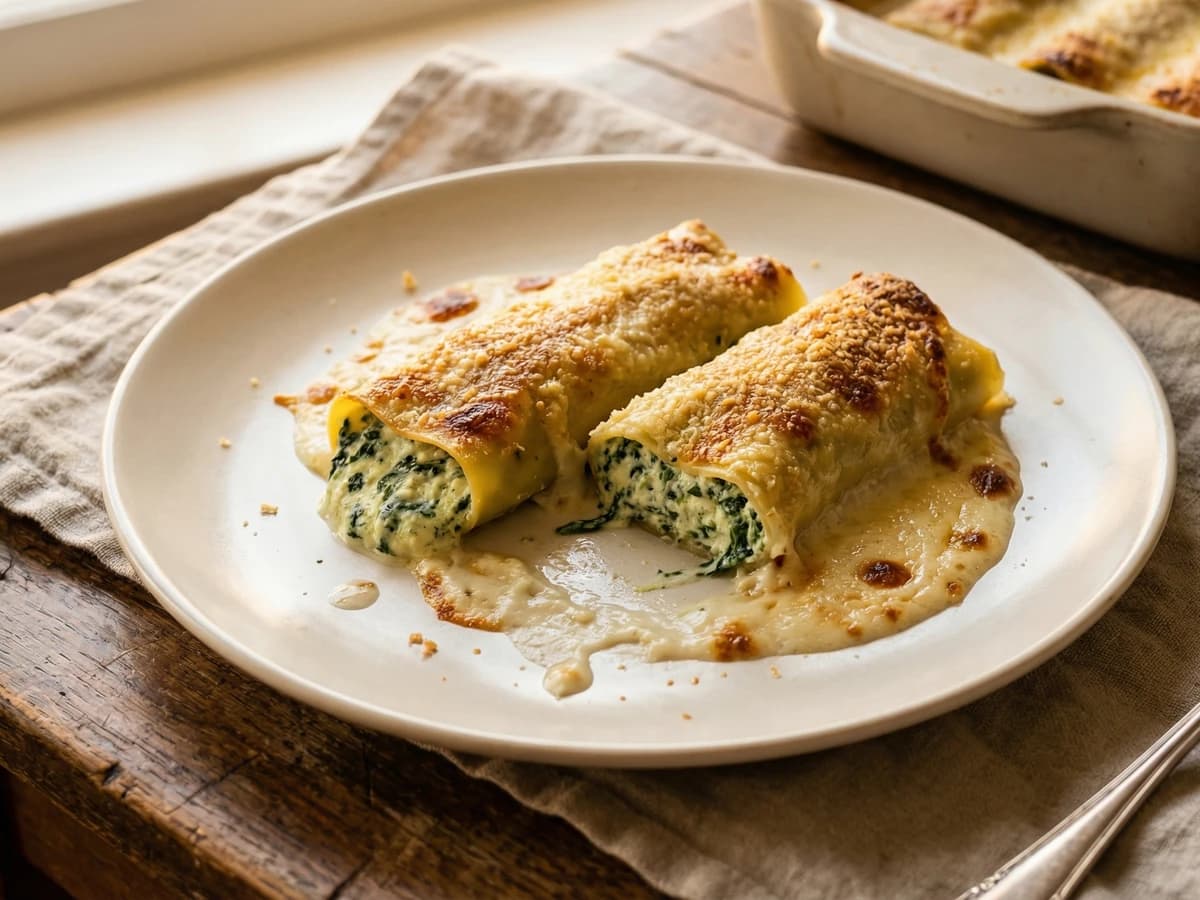
Hand-rolled pasta sheets wrapped around a filling of ricotta and spinach, covered in besciamella and baked until golden. This is the Sunday cooking of Emilia-Romagna, made without shortcuts.
Chef Graziella
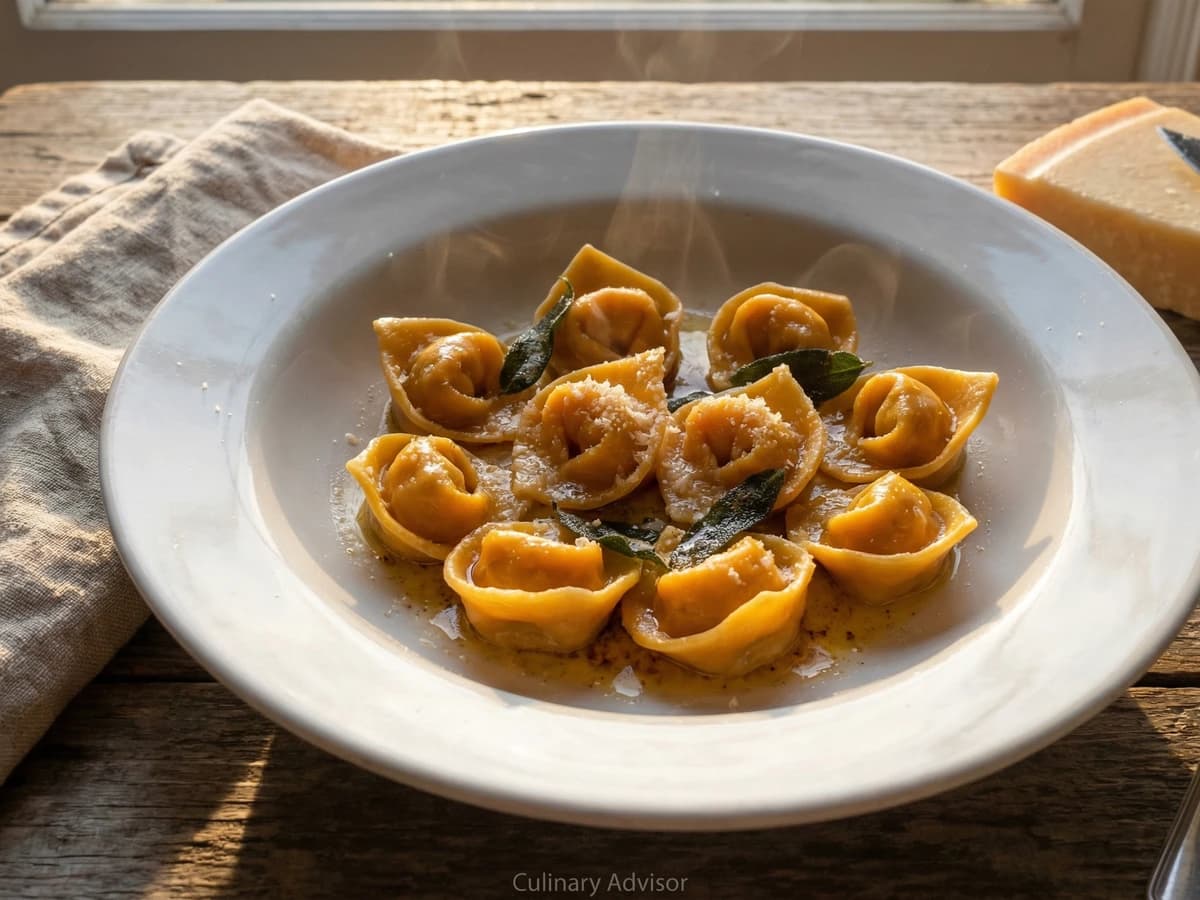
The pasta of the Este dukes, where sweet roasted pumpkin meets fresh egg pasta in shapes like little peasant hats. Dressed only with butter and sage, as Ferrara has done since the Renaissance.