
Chef Lesia
Berezovyi Sik (березовий сік, birch sap drink)
Birch sap looks like water until you taste it: cold, faintly sweet, mineral, and gone almost as soon as spring admits it has arrived.
A cooking platform built around craft, culture, and the stories behind what we eat.
Created by
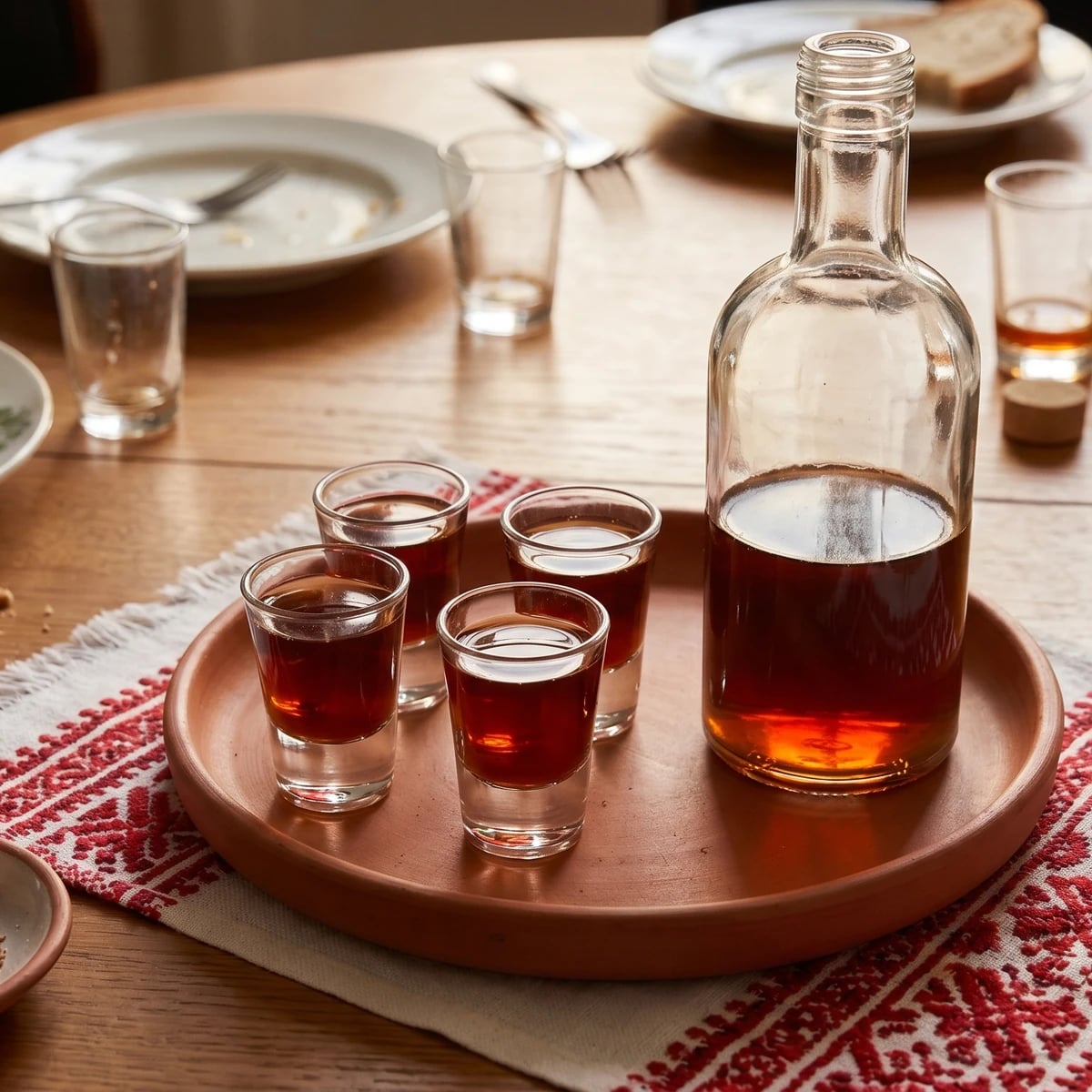
This is the drink named for what happens after the second glass: sweet at the lips, dark with spice, and stronger than your feet believe.
The joke is right there in the name: spotykach, from spotykatysia, to stumble. It tastes sweet and obedient at first, all clove warmth, cinnamon bark, nutmeg, and dark sugar, then it stands up from the glass a little later and reminds you it was horilka all along.
This belongs to the after-dinner end of a celebration, when the plates are messy, the pickles are still on the table, and someone has started telling a story too slowly. My Aunt Nadia wrote only, "warm it until the smell changes," which was rude of her and also correct. The raw alcohol edge softens, the spices stop shouting separately, and the whole pot begins to smell round, like winter fruit peel and cupboards where the good glasses live.
The one thing that decides the drink is restraint with heat. You warm the strained horilka into syrup, but you don't boil the alcohol away or cook it harsh. Keep it low, keep your nose over the pot, and bottle it once the spice smells married to the sweetness. Then wait a few days if you can. I know. Comedy.
Spotykach belongs to Ukraine's family of home sweetened spirits, close to nalyvky, but with one important difference: the spiced alcohol is warmed with syrup before bottling. The name comes from the Ukrainian verb spotykatysia, to stumble, a plain domestic warning disguised as a joke. Nineteenth-century Ukrainian household recipe notebooks and later cookbooks record versions with spices, berries, coffee, nuts, and fruit stones, showing how flexible the drink was from one pantry to the next.
Quantity
700ml
40 percent ABV
Quantity
6
Quantity
1
Quantity
1/2 teaspoon
Quantity
4
Quantity
1 strip
white pith removed
Quantity
300g
Quantity
250ml
Quantity
1 tablespoon
| Ingredient | Quantity |
|---|---|
| good horilka or plain vodka40 percent ABV | 700ml |
| whole cloves | 6 |
| cinnamon stick | 1 |
| freshly grated nutmeg | 1/2 teaspoon |
| allspice berries | 4 |
| orange peelwhite pith removed | 1 strip |
| white sugar | 300g |
| water | 250ml |
| dark honey (optional) | 1 tablespoon |
Put the horilka, cloves, cinnamon, nutmeg, allspice, and orange peel into a clean glass jar. Close it and leave it somewhere cool and dark for five to seven days, shaking when you remember. The color should deepen to warm amber and the raw spirit should start smelling like spice cupboard rather than medicine.
Strain the infused horilka through a fine sieve, then through muslin or a coffee filter if you want it clearer. Don't squeeze the spices hard. You want their warmth, not their bitterness.
Put the sugar and water in a small saucepan and warm gently until the sugar dissolves. Let it bubble softly until it turns glossy and slightly thicker on the spoon. Add the honey if you're using it, then pull the pan to the lowest heat.
Pour the strained spiced horilka into the hot syrup slowly, stirring as you go. Keep the heat low. It should tremble at the edges, never boil hard, and the smell should change from sharp alcohol and separate spice into one rounded, dark sweetness.
Let the spotykach cool, then pour it into clean bottles and seal. Rest it at least three days before serving, a week if your patience is better than mine. Serve in small glasses, chilled or at cool room temperature, after the meal when everyone has stopped pretending they'll leave early.
1 serving (about 60g)
Culinary guides, cultural storytelling, and the editorial depth that makes cooking meaningful.
Discover Culinary Explorer
Chef Lesia
Birch sap looks like water until you taste it: cold, faintly sweet, mineral, and gone almost as soon as spring admits it has arrived.

Chef Lesia
Raw beets turn water into something dark, sour, and alive: a crimson drink for the glass, and the old quiet souring for borshch when vinegar has no business there.

Chef Lesia
Dried chebrets looks like a handful of dusty twigs until hot water wakes it, and suddenly the cup smells of bees, sun-baked grass, and rain on the steppe.

Chef Lesia
Dried pears turn water the color of late honey, then the jar begins to whisper. Serve it cold and tart, with fine bubbles, orchard smoke, and August still in the glass.