Chef Thomas
All-Butter Shortbread Fingers
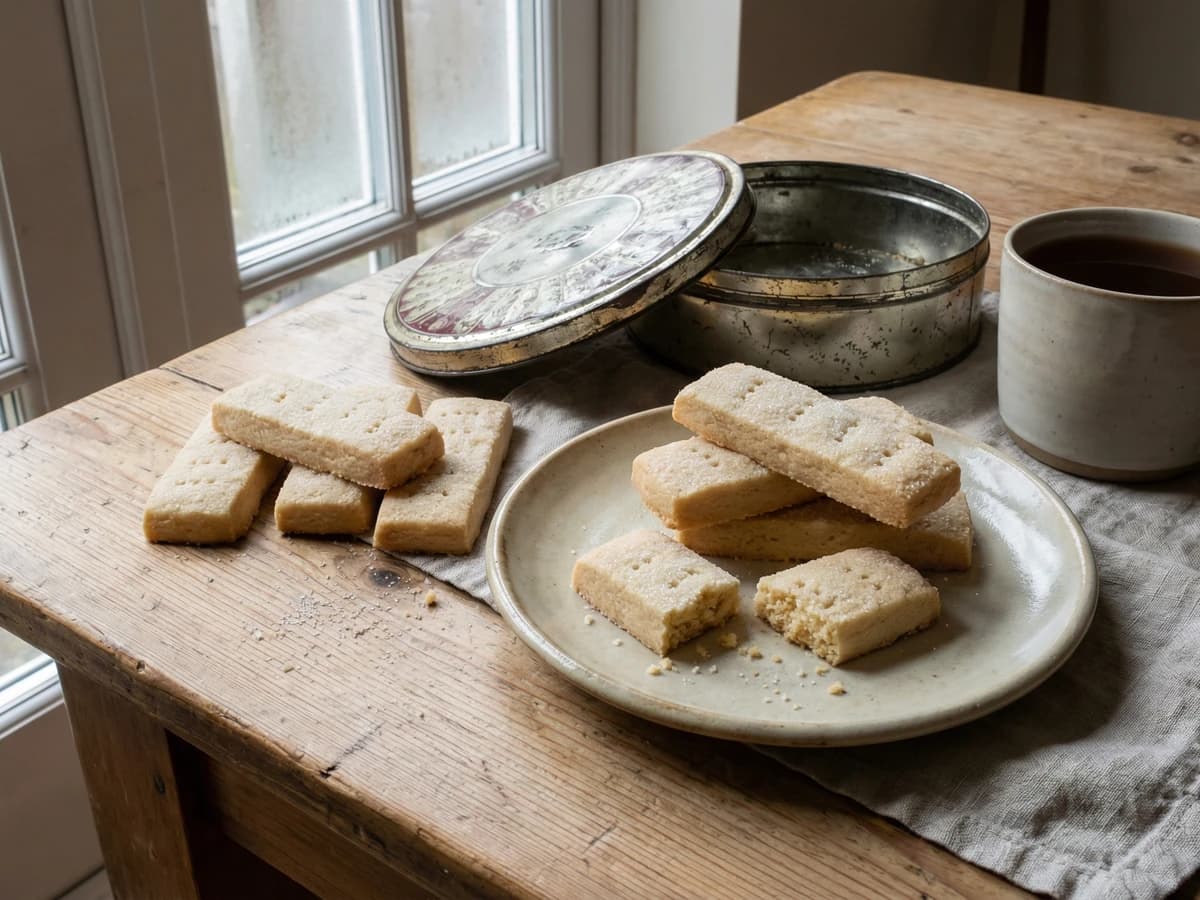
The plainest biscuit in the tin and the hardest one to stop eating, three ingredients and a slow oven turning good butter into something quietly perfect with a cup of tea.
A cooking platform built around craft, culture, and the stories behind what we eat.

Created by Chef Thomas
A tin of Shrewsbury biscuits is the kind of small domestic kindness that makes a wet afternoon feel deliberate. Lemon-scented, crisp at the edges, the colour of pale honey.
There's a kind of afternoon, usually in March or October, when the sky goes the colour of dishwater and the rain settles in for the rest of the day. That's when I make these. The kettle goes on, the oven warms up, and within an hour the kitchen smells of butter and lemon and the quiet promise of tea.
Shrewsbury biscuits have been made in some form for nearly four hundred years, which is the kind of fact that should impress me more than it does. What I care about is that the recipe is honest. Butter, sugar, flour, an egg, the zest of one good lemon. Currants if you want them, cinnamon if it's that sort of day. Nothing in the cupboard you don't already have. Nothing you need to go out for.
They're a teatime biscuit in the truest sense: not too sweet, crisp without being hard, with a faint sandy crumble that asks for a cup of strong tea to go with it. The lemon is the thing. Don't skip it, don't reduce it, don't substitute. The whole biscuit hinges on that bright oily perfume the zest leaves in the butter.
I wrote it down in the notebook once: "Rainy Tuesday. Shrewsburys. Tin nearly empty by Wednesday." That's about right. They don't last, and I've stopped pretending otherwise.
Quantity
175g
softened
Quantity
175g
plus extra for dusting
Quantity
1
lightly beaten
Quantity
1
finely grated zest only
Quantity
350g
plus extra for rolling
Quantity
pinch
Quantity
75g
Quantity
1/2 teaspoon
| Ingredient | Quantity |
|---|---|
| unsalted buttersoftened | 175g |
| caster sugarplus extra for dusting | 175g |
| large egglightly beaten | 1 |
| unwaxed lemonfinely grated zest only | 1 |
| plain flourplus extra for rolling | 350g |
| fine sea salt | pinch |
| currants (optional) | 75g |
| ground cinnamon (optional) | 1/2 teaspoon |
Put the soft butter and sugar in a large bowl and beat them together until pale and fluffy. A wooden spoon and a bit of effort will do it, or an electric whisk if you'd rather. You're after a soft, almost mousse-like texture and a colour that has gone from yellow to nearly cream. Stop and scrape down the bowl once or twice. This is the foundation of the whole biscuit, so don't rush it.
Beat in the egg a little at a time, then stir in the lemon zest. The smell when the zest hits the butter is the moment Shrewsbury biscuits start to make sense. Bright, oily, almost floral. Trust your nose. If it doesn't smell of lemon, add a bit more zest.
Sift the flour and salt over the bowl. If you're using cinnamon, add it now. Fold everything together with a wooden spoon, then bring it together with your hands. Don't knead it like bread. You want it just combined, no dry pockets, no overworking. If you're adding currants, scatter them in at this stage and fold them through. The dough should be soft but not sticky. If it feels too wet, a dusting more flour. If it feels dry, leave it; it'll come together as you press it.
Press the dough into a flat disc, wrap it in greaseproof or cling film, and put it in the fridge for half an hour. This isn't optional. Cold dough rolls out cleanly and holds its shape in the oven. Warm dough spreads and sulks.
Heat the oven to 180C/160C fan. Line two baking sheets with parchment. Lightly flour the work surface and roll the dough out to about the thickness of a pound coin. Cut into rounds with a fluted cutter, around 6 or 7cm across. Lift them onto the trays with a palette knife, leaving a little space between each. Gather the scraps, press them together, and roll again. The second batch is always slightly tougher than the first, but nobody minds.
Bake for twelve to fifteen minutes. You're looking for the edges to take on a faint gold colour while the middles stay pale. Not brown. Pale gold. A Shrewsbury biscuit that has gone too dark loses the delicate, lemony lift that defines it. Check at twelve minutes. Trust your eyes more than the timer.
Let the biscuits sit on the trays for a few minutes to firm up, then dust the tops generously with caster sugar while they're still warm. The sugar catches and clings. Lift them carefully onto a wire rack to cool completely. Then into a tin, where they'll keep for a week and improve for the first three days.
1 serving (about 37g)
Culinary guides, cultural storytelling, and the editorial depth that makes cooking meaningful.
Discover Culinary ExplorerChef Thomas
The plainest biscuit in the tin and the hardest one to stop eating, three ingredients and a slow oven turning good butter into something quietly perfect with a cup of tea.
Chef Thomas
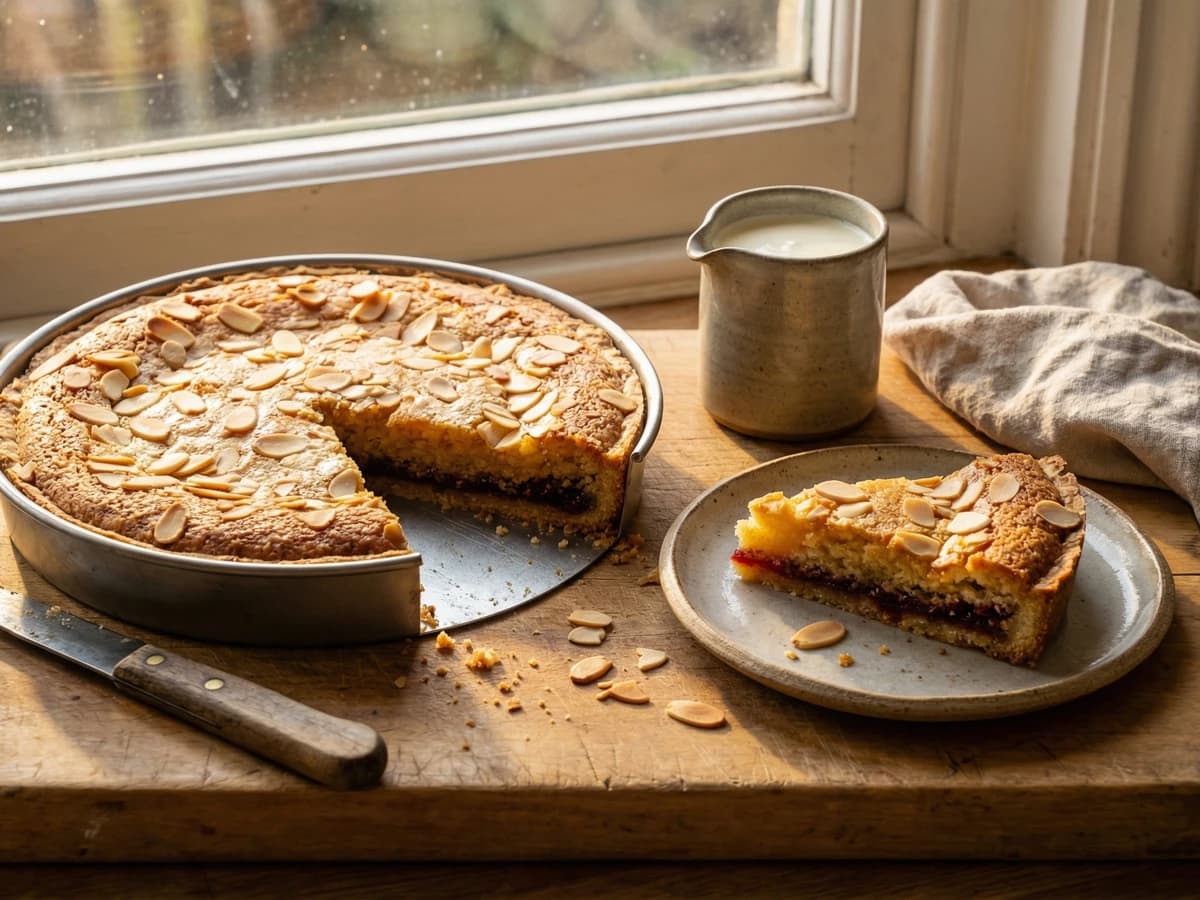
A proper Bakewell tart with buttery shortcrust, a thick layer of raspberry jam, and almond frangipane baked golden under a scattering of flaked almonds. No icing. No nonsense.

Chef Thomas
Oval pastries filled with rum-soaked currants and spice, baked until the tops crackle with sugar. The kind of thing to make on a wet Sunday afternoon when you want the kitchen to smell of something.
Chef Thomas
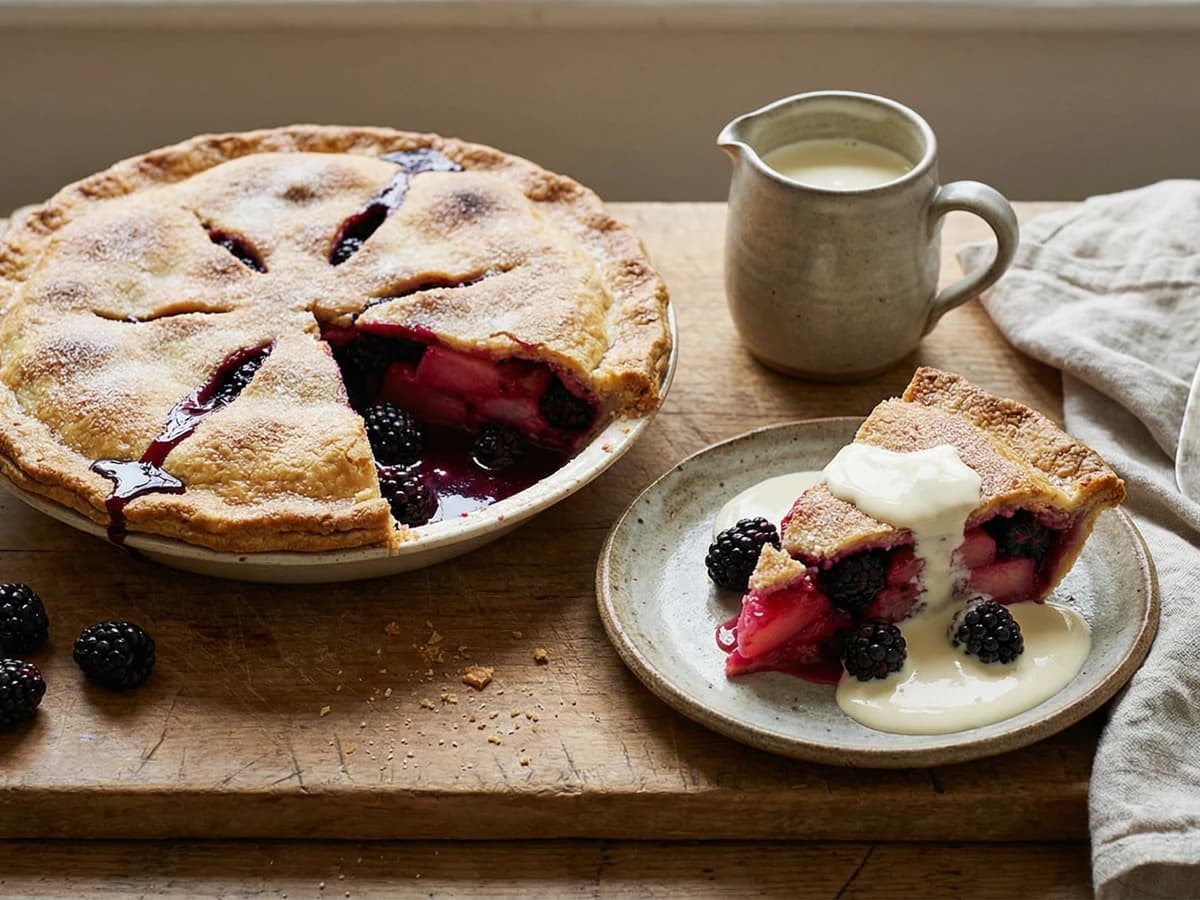
A proper hedgerow pie of Bramley apples and blackberries under a sugar-crusted pastry lid, the kind of pudding that turns a Sunday in September into something you'll remember.