
Chef Ally
Butter Lettuce Cups with Seasonal Vegetables
Tender butter lettuce leaves cupped around the best of the spring market: sweet peas, crisp radishes, shaved fennel, all dressed simply with good olive oil and lemon.
A cooking platform built around craft, culture, and the stories behind what we eat.
Created by
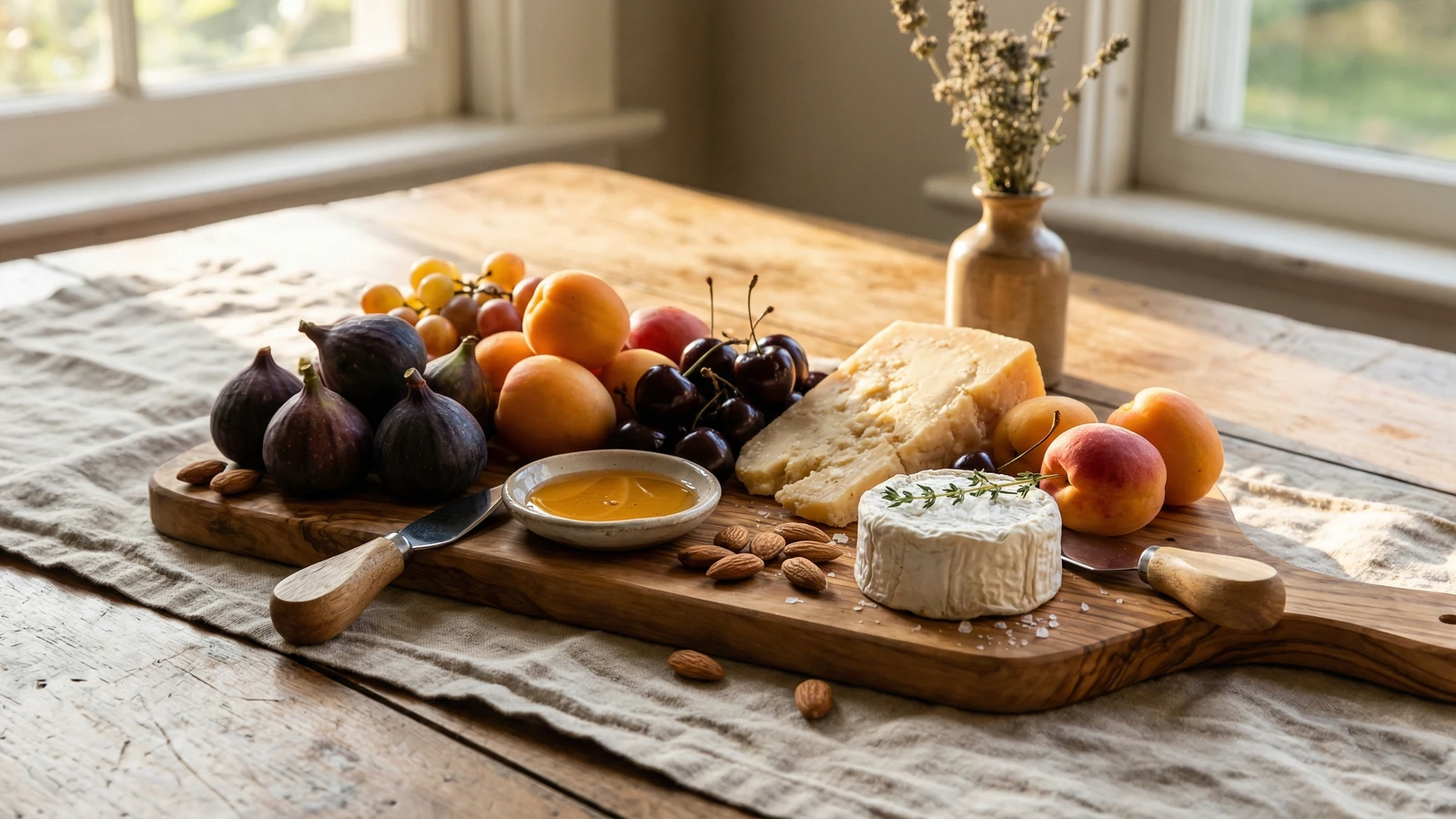
A board of summer's ripest stone fruit and berries alongside cheeses from makers you can visit, arranged simply and served at the temperature the day gives you.
This is not a recipe. It is a principle.
Walk through your farmers' market with intention. Find the stone fruit that perfumes the air before you reach the stand. Pick up a peach and feel its weight, its give under gentle pressure. If it smells like summer, it will taste like summer. If it smells like nothing, keep walking.
The cheese comes next. Ask the vendor what is ready now, what has been aging in their cave or their converted barn. Every region has cheesemakers doing real work. A young chèvre from goats grazing spring pasture tastes entirely different from the same cheese made in autumn. This matters. The animal's diet becomes the cheese's character.
Arrangement takes five minutes. Eating takes an hour, maybe two, if you have the right company. Every meal is a meaningful choice. This one says: I trust the ingredients. I trust the people who grew them. I am getting out of the way.
Quantity
2 pounds
variety based on season
Quantity
1 pound
soft, semi-firm, and aged varieties
Quantity
1/4 cup
Quantity
1/2 cup
Quantity
for finishing
Quantity
for garnish
| Ingredient | Quantity |
|---|---|
| ripe seasonal fruitvariety based on season | 2 pounds |
| assorted local cheesessoft, semi-firm, and aged varieties | 1 pound |
| raw local honey | 1/4 cup |
| raw nuts | 1/2 cup |
| flaky sea salt | for finishing |
| fresh herbs or edible flowers (optional) | for garnish |
Choose fruit at peak ripeness from a farmer you trust. For stone fruit, press gently near the stem. It should yield slightly and smell intensely of itself. Berries should be fragrant, not just red. Figs should feel heavy and show a small tear at the bottom. If you cannot smell it, do not buy it.
Select three to four cheeses with different textures and milk sources. A fresh chèvre offers bright acidity. A semi-firm cheese like a young pecorino or local tomme provides body. An aged cheese brings depth. Ask your cheesemonger what is at its peak. They know their wheels better than any label can tell you.
Remove cheese from the refrigerator at least one hour before serving. Cold mutes flavor. You want the fats to soften, the aromatics to bloom. The cheese should feel supple, not stiff. Fruit that has been refrigerated needs thirty minutes to wake up. Fruit that was never chilled is already alive.
Wash fruit gently and dry it. Slice stone fruit into wedges, leaving some whole if they are small and perfect. Halve figs to show their seedy interior. Leave berries whole. Cut larger fruit just before serving so it does not oxidize. The knife work should look unhurried, like someone who has time.
Place cheeses on a wooden board first, spacing them so guests can cut without crowding. Nestle fruit in the gaps. Scatter nuts in small clusters. Drizzle honey into a small dish or directly onto a corner of the board. Add a few sprigs of herbs if they connect to the story. A sprig of thyme next to a thyme-rubbed cheese. Nothing decorative for its own sake.
Sprinkle a pinch of flaky sea salt over the fresh cheese and the fruit. Salt wakes everything up. Set out small knives for the cheeses and let people serve themselves. This board is not meant to be precious. It is meant to be eaten slowly, with conversation, with wine if you like, with the understanding that this moment in the season will not come again.
1 serving (about 250g)
Culinary guides, cultural storytelling, and the editorial depth that makes cooking meaningful.
Discover Culinary ExplorerChef Ally
Tender butter lettuce leaves cupped around the best of the spring market: sweet peas, crisp radishes, shaved fennel, all dressed simply with good olive oil and lemon.

Chef Ally
Translucent rice paper bundles bursting with farmers' market vegetables and fistfuls of fresh herbs, served with a simple dipping sauce that lets every element taste of what it is.

Chef Ally
Ripe summer cherry tomatoes, warm from the market and hollowed gently, filled with tangy fresh goat cheese scattered with garden herbs. A bite that tastes like August should taste.
Chef Ally
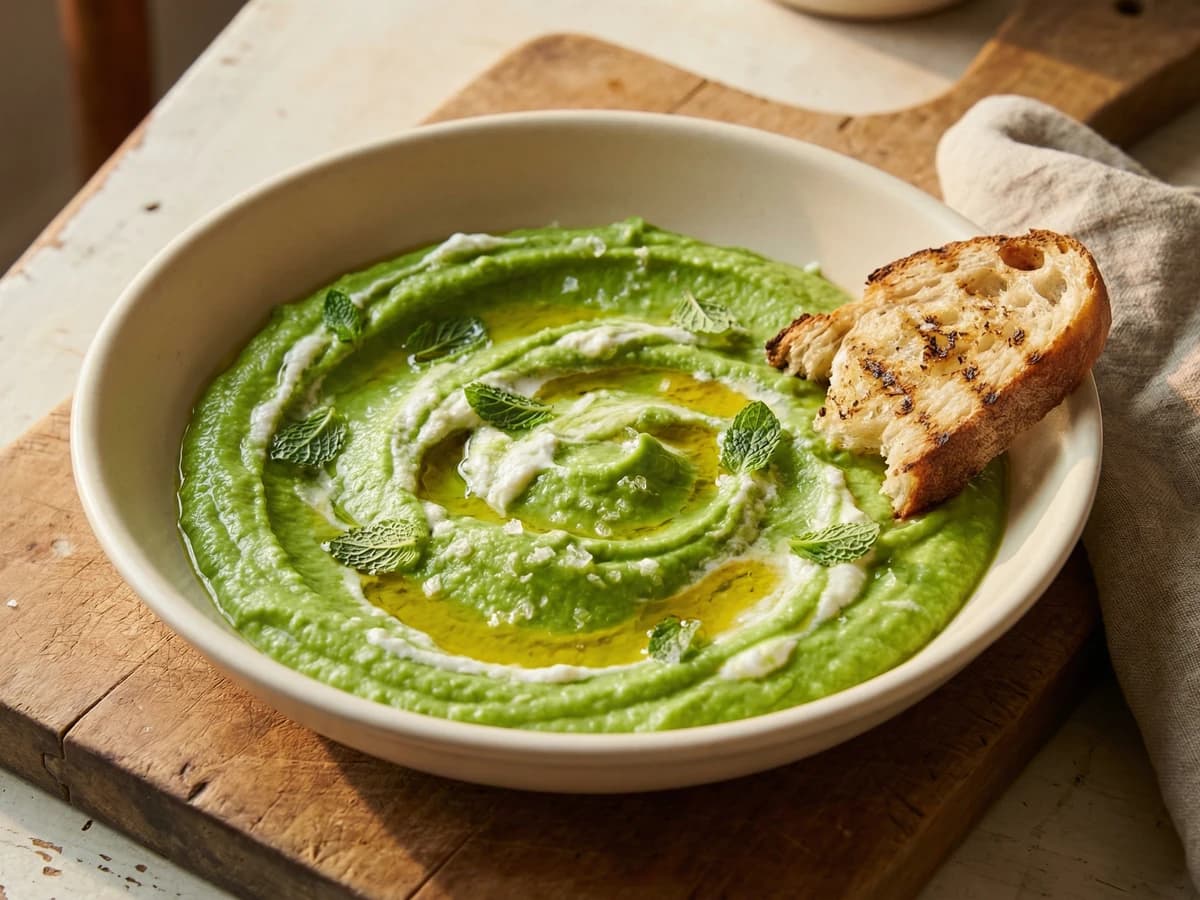
Spring peas pureed just enough to keep their grassy sweetness, swirled with creamy ricotta and bright mint, finished with good olive oil and meant for tearing bread alongside friends.