Chef Joost
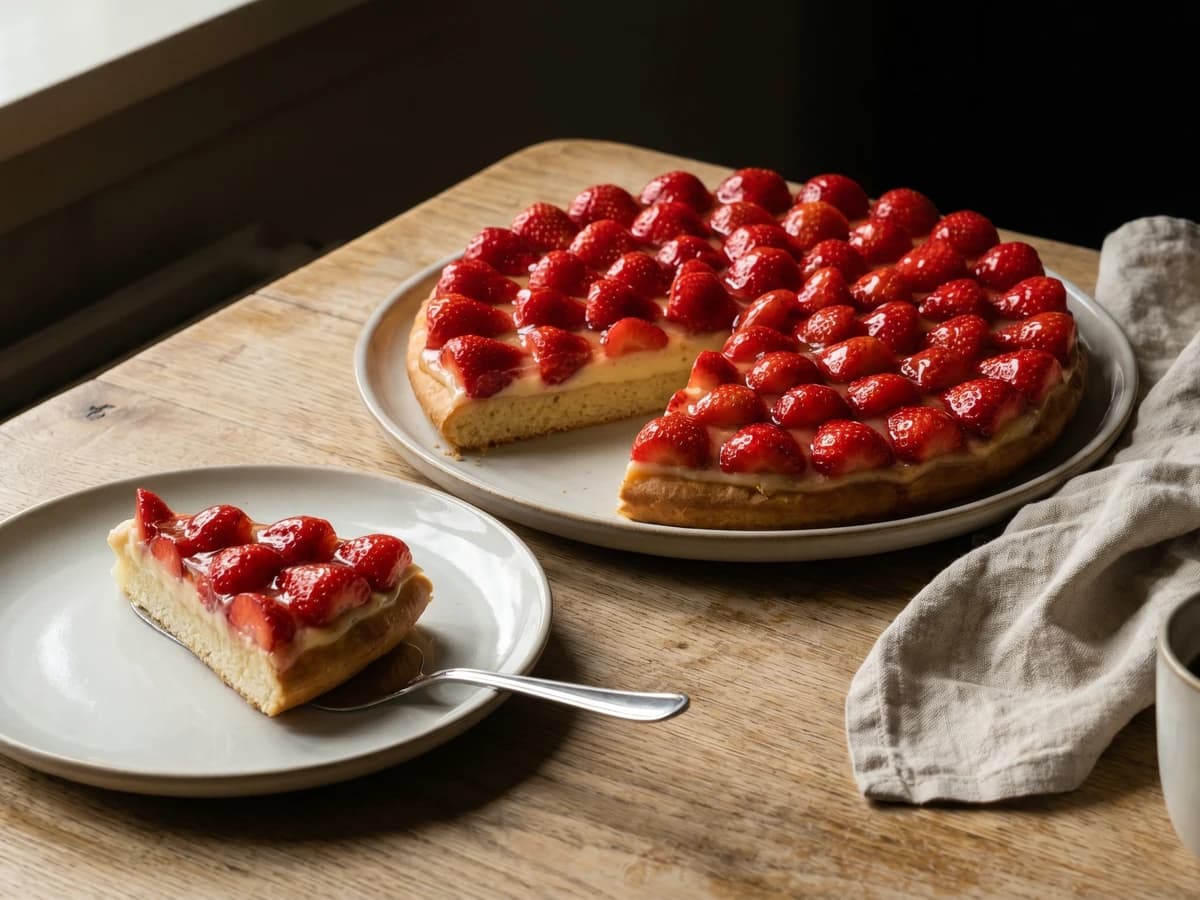
Aardbeienvlaai (Limburg Strawberry Vlaai)
The summer vlaai that politely breaks Limburg's baked-fruit rule: soft gistdeeg, cool pastry cream, and strawberries left fresh because June knows better than the oven.
A cooking platform built around craft, culture, and the stories behind what we eat.
Created by
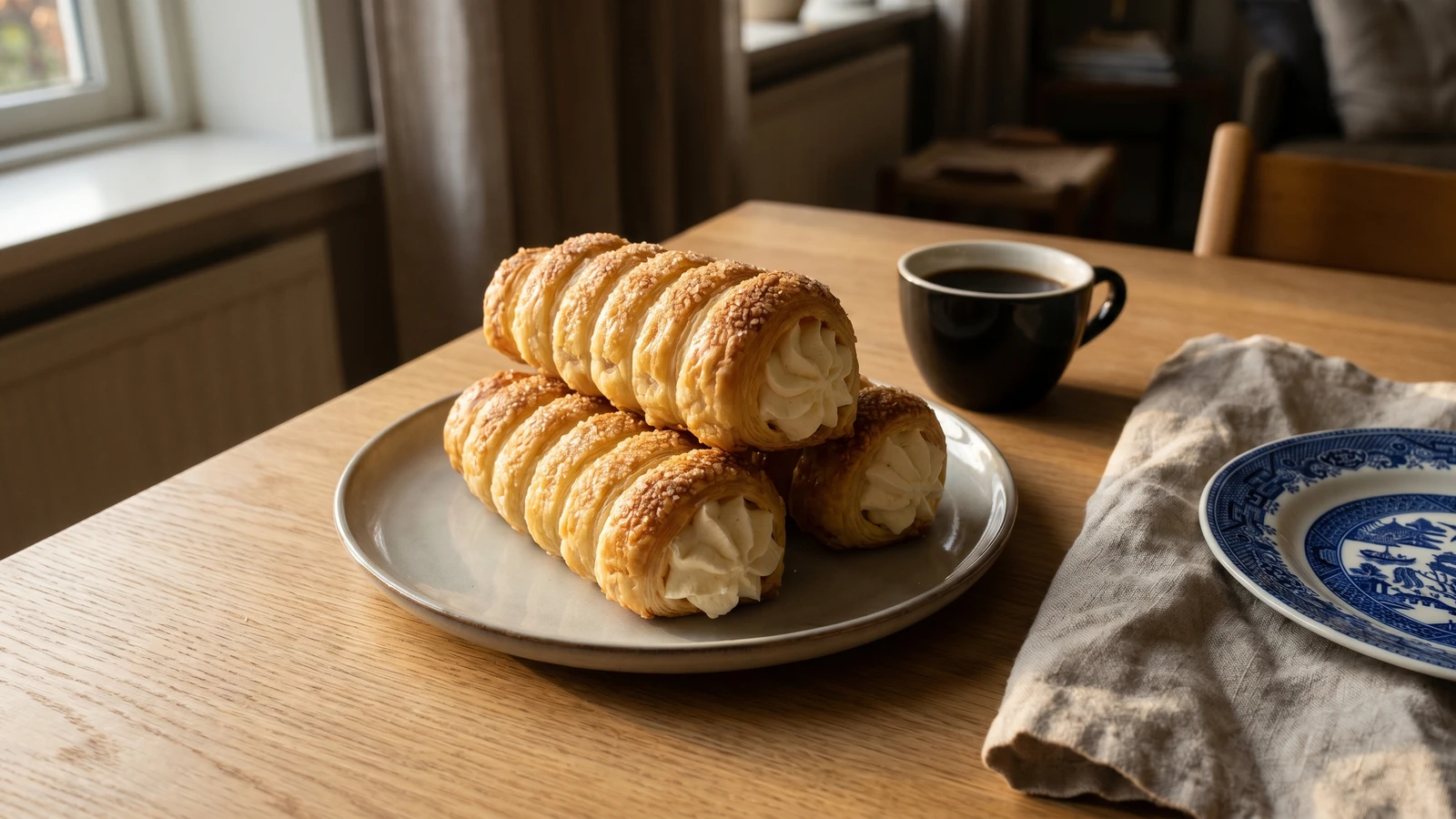
The roomhoorn is a bakery-window promise kept: a crisp sugared horn of puff pastry, piped full of cold sweet cream and eaten before politeness can interfere.
The roomhoorn doesn't hide its meaning. The name already tells you: room is cream, hoorn is horn, and there it sits in the banketbakkerij window, a little edible trumpet announcing that someone in the house has a birthday, a visit, or at least a respectable excuse for coffee.
But let me tell you a secret. The roomhoorn is not fancy because it is complicated. It is fancy because it asks for contrast, and contrast is the old baker's art: cold cream against crisp pastry, soft filling inside a shell that gives way under your teeth, sugar rough on the outside and dairy-sweetness within. A dish without its story is half a meal, but this one is almost rude in its honesty. It says what it is and then proves it.
There is no need to pretend puff pastry is a moral examination. Use good all-butter bladerdeeg, puff pastry, keep it cold, wrap it without stretching, and bake it hard enough to dry the layers properly. Fill the horns only when they are completely cool, preferably close to serving. Cream is generous, but it is not patient. Hou het altijd simpel: bake the horn, whip the room, eat the evidence.
The roomhoorn belongs to the Dutch banketbakkerij repertoire that grew around laminated pastry, metal baking forms, and the nineteenth and early twentieth-century habit of buying small pastries for coffee visits and birthdays. Its closest relatives appear across European pastry shops as cream horns, Schillerlocken, and cannoncini, but the Dutch name is plain and exact: cream plus horn. The dish teaches a very Dutch lesson about celebration baking: even a special-occasion pastry can be built from modest parts, provided the butter is good, the pastry is crisp, and the cream is filled at the last sensible moment.
Quantity
500g
chilled
Quantity
1
beaten
Quantity
3 tablespoons
Quantity
300ml
Quantity
2 tablespoons
Quantity
1 teaspoon or 1/2 teaspoon
Quantity
1 pinch
Quantity
as needed
| Ingredient | Quantity |
|---|---|
| all-butter puff pastrychilled | 500g |
| eggbeaten | 1 |
| coarse granulated sugar | 3 tablespoons |
| cold heavy whipping cream | 300ml |
| icing sugar | 2 tablespoons |
| vanilla sugar or vanilla extract | 1 teaspoon or 1/2 teaspoon |
| fine salt | 1 pinch |
| butter or baking spray for the horn moulds | as needed |
Lightly butter eight metal cream-horn moulds and line a baking tray with parchment. If your kitchen is warm, put the moulds in the refrigerator for ten minutes. Puff pastry likes a cold beginning; warm butter leaks before it lifts.
Roll the chilled puff pastry into a rectangle about 3mm thick. Cut it into eight long strips, each about 2.5cm wide. Work calmly and keep the pastry cool. If it softens under your hands, slide it onto a tray and chill it for ten minutes rather than arguing with butter.
Starting at the pointed end of each mould, wrap one pastry strip around the cone, overlapping each turn by about one third. Do not stretch the dough. Stretching looks tidy now and punishes you later, when the pastry shrinks and opens. Leave the wide end uncovered enough that the baked shell can slide off cleanly.
Brush the wrapped pastry lightly with beaten egg, then roll or sprinkle it with coarse sugar. Set the horns seam-side down on the tray and chill for twenty minutes while the oven heats to 200C. That pause is not fussing; it firms the butter and helps the layers lift instead of slump.
Bake for 16 to 20 minutes, until the horns are deeply golden and the sugar has set into a rough, glossy crust. Pale puff pastry bends, and a roomhoorn should not bend. Let the horns rest for five minutes, then gently twist the metal moulds free and cool the shells completely on a rack.
Whip the cold cream with the icing sugar, vanilla, and salt until it holds firm soft peaks. Stop before it turns grainy. Slagroom, whipped cream, should be plush enough to pipe and tender enough to eat without feeling like butter has lost its way.
Spoon the whipped cream into a piping bag fitted with a wide star or plain nozzle. Pipe from the narrow end toward the wide end so the horn fills all the way through, then finish with a generous rosette at the opening. Serve the same day, ideally within two hours. History and cookery, they cannot be separated, and neither can crisp pastry from good timing.
1 serving (about 105g)
Culinary guides, cultural storytelling, and the editorial depth that makes cooking meaningful.
Discover Culinary ExplorerChef Joost
The summer vlaai that politely breaks Limburg's baked-fruit rule: soft gistdeeg, cool pastry cream, and strawberries left fresh because June knows better than the oven.

Chef Joost
A Limburg vlaai is not a pie trying to be grand. It is a thin yeast-dough round, fruit-bright and generous, made for birthdays, coffee, and second slices.

Chef Joost
The December bakery counter made small: cold leafed pastry wrapped around lemon-scented amandelspijs, brushed gold, and scattered with almonds so one person gets the whole holiday in both hands.
Chef Joost
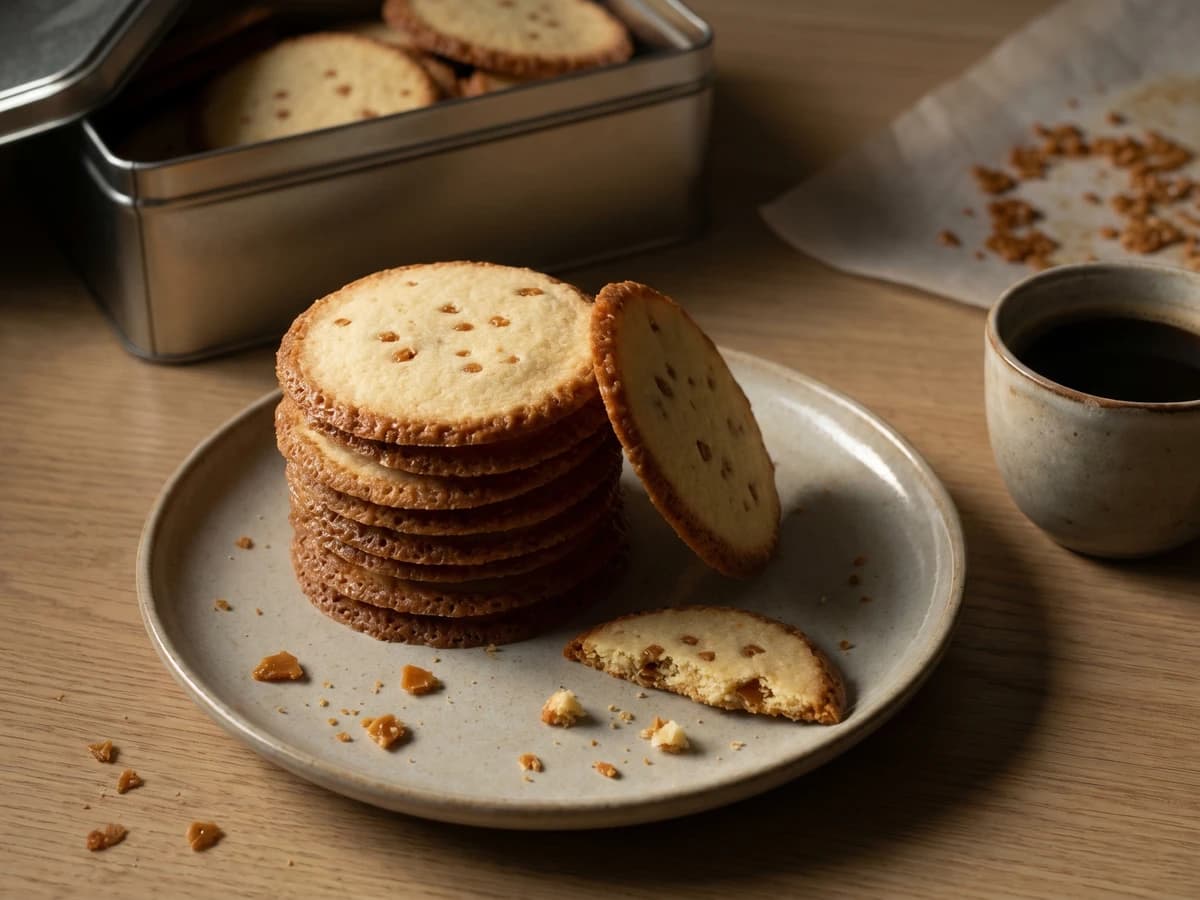
A thin Amsterdam cookie carrying a cog ship in its name: caramelized butter dough, almond nougatine, and a 1934 contest that turned municipal pride into something for coffee.