Chef Joost
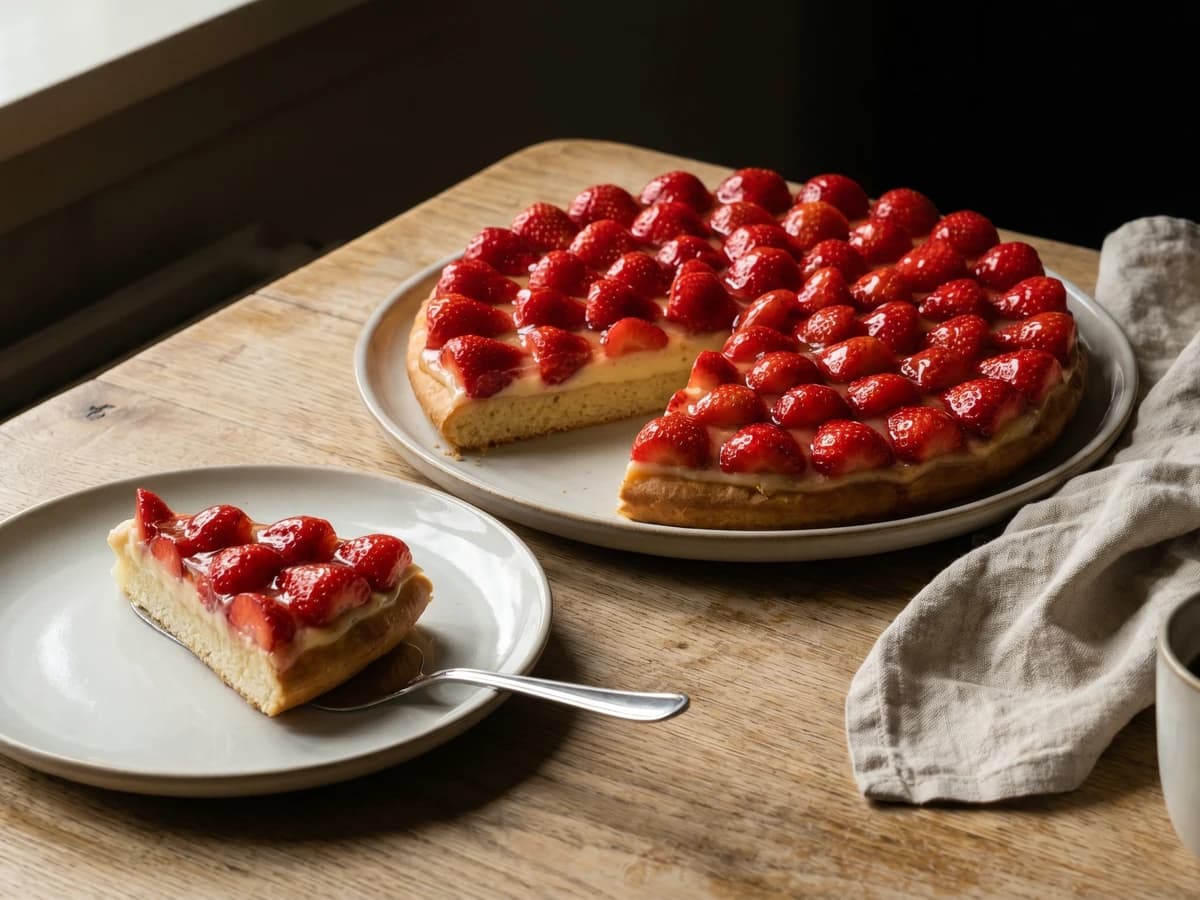
Aardbeienvlaai (Limburg Strawberry Vlaai)
The summer vlaai that politely breaks Limburg's baked-fruit rule: soft gistdeeg, cool pastry cream, and strawberries left fresh because June knows better than the oven.
A cooking platform built around craft, culture, and the stories behind what we eat.

Created by
The Bossche bol is Den Bosch in pastry form: a fist-sized choux shell, a belly full of cream, and enough dark chocolate to make etiquette surrender politely.
Some pastries travel with spices, exile, and old family notebooks. The Bossche bol travels by train. Step out at Den Bosch station, follow the smell of coffee and chocolate, and the city will hand you a round brown challenge on a plate, as large as a fist and considerably less obedient. Eat it with a fork if you must. Wear it if you misjudge the first bite.
The name already tells you the honest part: Bossche means from Den Bosch, short for 's-Hertogenbosch, and bol is simply a ball. No ancient Greek hiding in the cream today, no Arabic manuscript tucked under the glaze. But let me tell you a secret: plain names often guard the best local pride. This is not a general Dutch cream puff that happens to be large. It belongs to North Brabant, to coffee tables, birthdays, station bakeries, and the small civic pleasure of watching outsiders discover that chocolate glaze has a will of its own.
The method is choux pastry, which sounds more delicate than it behaves. Water, milk, butter, flour, eggs: cook the paste until it leaves a film on the pan, then beat in the eggs only until the dough falls from the spoon in a heavy ribbon. That is the whole trick. The shell must bake dry and hollow, because the whipped cream needs a proper room to occupy, and the chocolate must be dark enough to stop the sweetness from becoming childish.
Hou het altijd simpel, always keep it simple. Bake the shells until they feel light, cool them completely, fill them from below so the top stays proud, and pour the glaze with confidence. A Bossche bol does not ask for neatness. It asks for a napkin, a good cup of coffee, and someone at the table willing to laugh first.
The Bossche bol emerged in 's-Hertogenbosch in the early twentieth century, developing from the Dutch chocolate-covered choux pastries known more broadly as chocoladebollen. Local accounts place an important early version at the Vischstraat bakery of Lambermont, later taken over in the 1920s by The Hague baker Henri van der Zijde, who helped establish the whipped-cream-filled form now associated with the city. In the late twentieth century, Jan de Groot's bakery near Den Bosch station made the pastry the city's edible calling card, large, glossy, and tied firmly to North Brabant identity.
Quantity
125ml
Quantity
125ml
Quantity
100g
cubed
Quantity
1 tablespoon
Quantity
1/2 teaspoon
Quantity
150g
Quantity
4
at room temperature
Quantity
600ml
Quantity
40g
Quantity
1 teaspoon
Quantity
200g
chopped
Quantity
60g
Quantity
2 tablespoons
| Ingredient | Quantity |
|---|---|
| water | 125ml |
| whole milk | 125ml |
| unsalted buttercubed | 100g |
| granulated sugar | 1 tablespoon |
| fine salt | 1/2 teaspoon |
| plain flour | 150g |
| large eggsat room temperature | 4 |
| cold whipping cream | 600ml |
| icing sugar | 40g |
| vanilla extract | 1 teaspoon |
| dark chocolate, 60 to 70 percentchopped | 200g |
| unsalted butter | 60g |
| golden syrup or glucose syrup | 2 tablespoons |
Heat the oven to 200C. Line a large baking tray with baking paper and draw eight circles about 8cm wide on the underside as guides. Put the water, milk, butter, sugar, and salt in a heavy saucepan and bring it just to a full boil, so the butter is completely melted before the flour arrives.
Tip in the flour all at once and beat hard with a wooden spoon until the dough gathers into one smooth ball and a thin film forms on the bottom of the pan. Keep stirring over low heat for another minute. This dries the paste, and dry paste is what makes a hollow shell rather than a sad pancake with ambitions.
Scrape the hot dough into a bowl and let it cool for five minutes, then beat in the eggs one at a time. Stop when the dough is glossy and drops from the spoon in a thick V-shaped ribbon; if the fourth egg is very large, add it gradually. Choux is not difficult, but it does expect you to look at it.
Spoon the dough into a piping bag with a large plain nozzle, or use two spoons, and make eight high mounds inside the circles. Smooth any sharp peaks with a damp fingertip. The height matters, because the cream needs a chamber, not a cupboard.
Bake for 25 minutes at 200C, then lower the heat to 170C and bake for 10 more minutes until the shells are deep golden, firm, and light when lifted. Turn off the oven, poke a small hole in the underside of each shell to release moisture, and leave them in the cooling oven with the door ajar for 10 minutes. Cool completely before filling.
Whip the cold cream with the icing sugar and vanilla until it holds firm peaks but still looks smooth. Do not beat it into butter; North Brabant has many virtues, but forgiving split cream is not one of them. Spoon the cream into a piping bag fitted with a small plain nozzle.
Push the nozzle into the small hole on the underside of each shell and fill until the pastry feels heavy in your hand. The shell will tell you when it is full: it stops sounding hollow and becomes a proper object. Set the filled bollen on a rack over a tray.
Melt the chopped chocolate, butter, and syrup together gently in a bowl set over barely simmering water, stirring until glossy and smooth. Spoon the glaze over each filled bol so it coats the top and runs down the sides in a dark, even cloak. Let the glaze set for 15 to 20 minutes before serving, if your household has that much discipline.
1 serving (about 180g)
Culinary guides, cultural storytelling, and the editorial depth that makes cooking meaningful.
Discover Culinary ExplorerChef Joost
The summer vlaai that politely breaks Limburg's baked-fruit rule: soft gistdeeg, cool pastry cream, and strawberries left fresh because June knows better than the oven.

Chef Joost
A Limburg vlaai is not a pie trying to be grand. It is a thin yeast-dough round, fruit-bright and generous, made for birthdays, coffee, and second slices.

Chef Joost
The December bakery counter made small: cold leafed pastry wrapped around lemon-scented amandelspijs, brushed gold, and scattered with almonds so one person gets the whole holiday in both hands.
Chef Joost
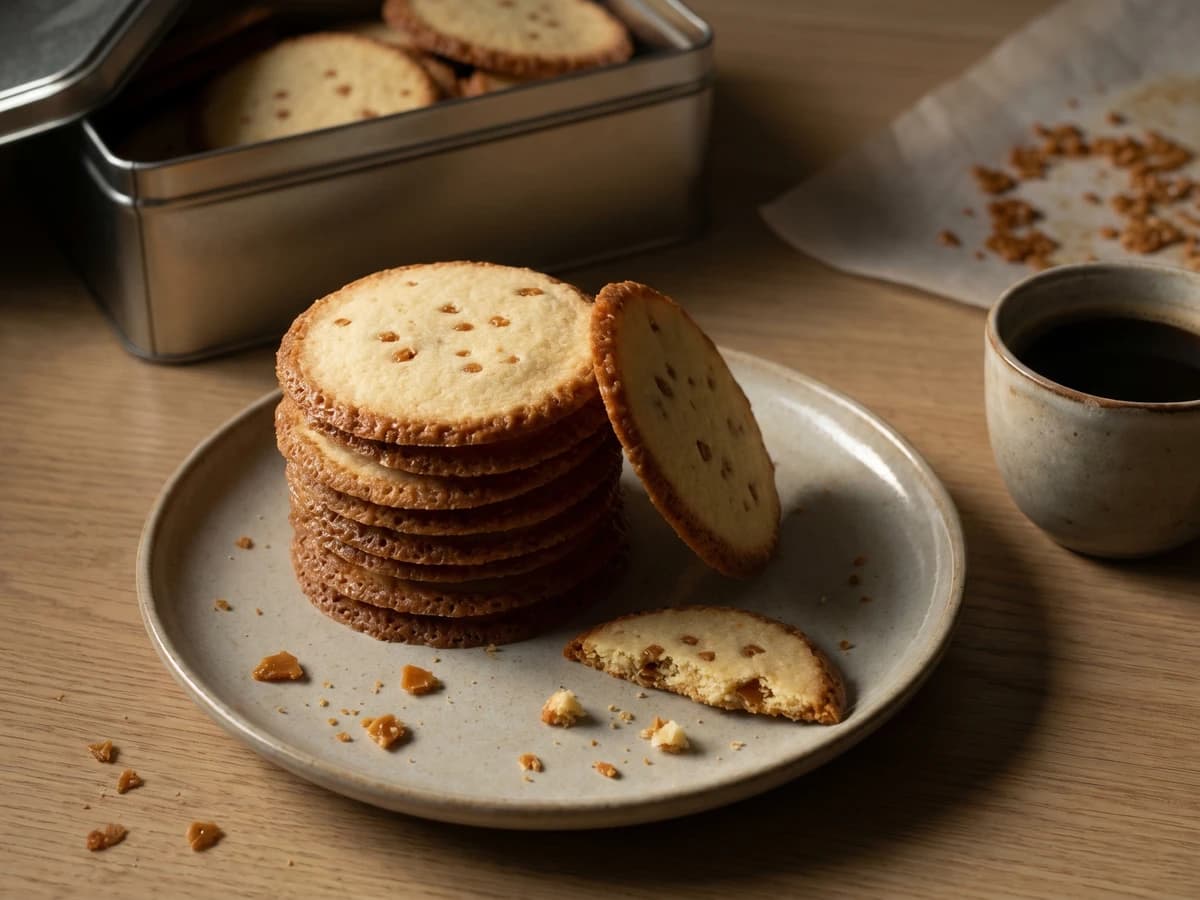
A thin Amsterdam cookie carrying a cog ship in its name: caramelized butter dough, almond nougatine, and a 1934 contest that turned municipal pride into something for coffee.