Chef Joost
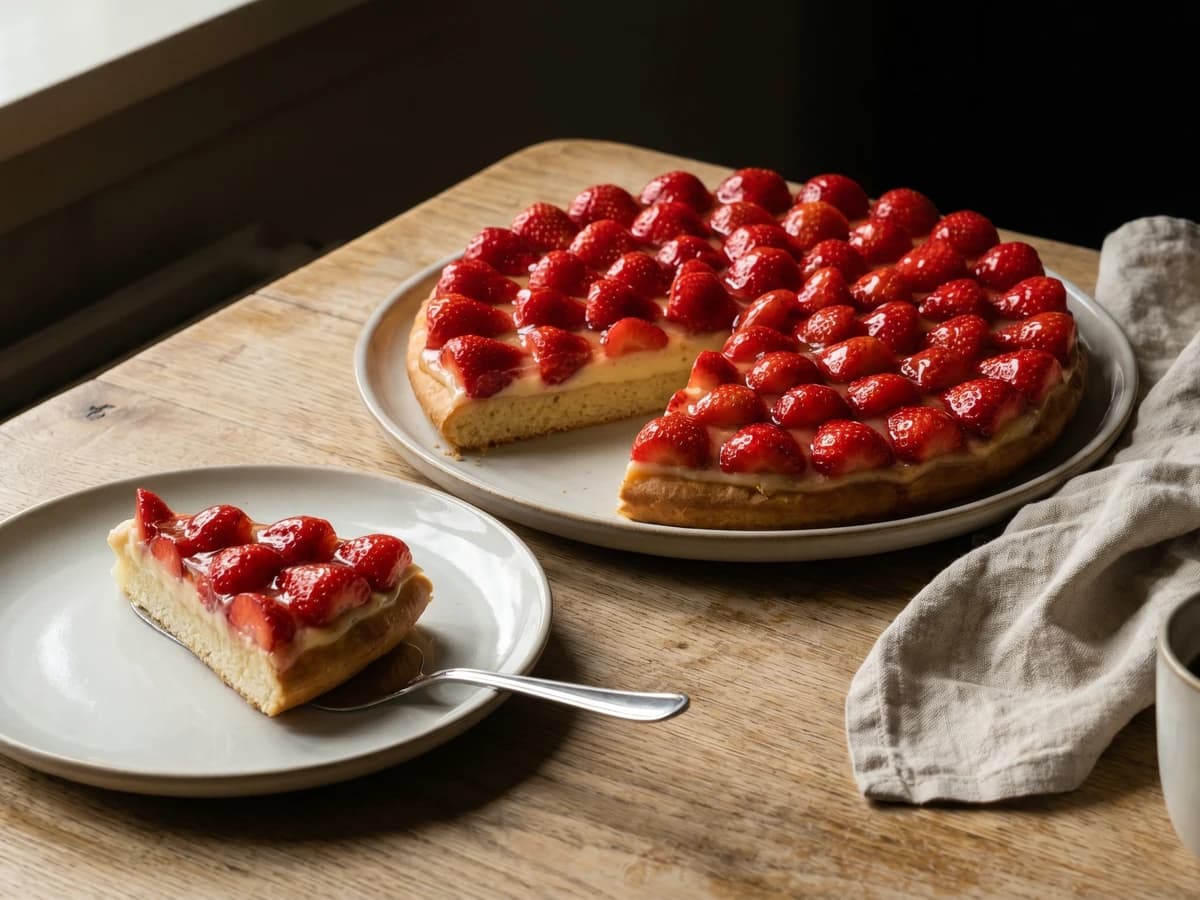
Aardbeienvlaai (Limburg Strawberry Vlaai)
The summer vlaai that politely breaks Limburg's baked-fruit rule: soft gistdeeg, cool pastry cream, and strawberries left fresh because June knows better than the oven.
A cooking platform built around craft, culture, and the stories behind what we eat.

Created by
A French lightning bolt found a Dutch coffee table: crisp choux, cool banketbakkersroom, and dark chocolate fondant, the small pastry that makes koffietijd feel like a family occasion.
An eclair is a French word that became perfectly at home in the Dutch pastry box. In Zeeland, celebrations didn't always require a grand cake; they required a white cardboard doosje, little box, from the banketbakkerij, the pastry baker's shop, tied with string and carried level as if it contained municipal secrets. At koffietijd, coffee time, the box opened and everyone chose carefully. The eclair looked modest, a long dark finger among tompoucen and slagroomsoezen, until the first bite proved it had brought a whole Parisian education to the table.
The name already tells you the joke. Eclair is French for lightning, though the old explanations divide between how quickly it is eaten and the bright flash of its glaze. I keep that argument in pencil. What matters to our table is the journey: French choux paste, Dutch banketbakkersroom, pastry baker's cream, and chocolate fondant dark enough to behave like Sunday shoes. History and cookery, they cannot be separated, especially when the evidence leaves cream on your cuff.
Choux pastry is humble mechanics dressed for company. You boil water, milk, butter, and flour into a paste, dry it in the pan until it pulls clean, then beat in eggs only until the dough drops from the spoon in a slow V. Too wet and the eclairs sulk flat; too dry and they split like bad plaster. The cream must be cold before it enters the shell, and the fondant only warm enough to dip, because shine is a temperature, not a miracle.
So we'll keep the scholarship light and the work plain. Hou het altijd simpel, always keep it simple: bake the shells dry, fill them generously, dip the tops once, and put them on the coffee table before anyone starts discussing whether a fork is necessary. It is not, for obvious reasons.
The eclair is French in origin: eclair means lightning, and the long choux pastry with cream filling and icing became established in nineteenth-century Paris patisserie after earlier forms such as the pain a la duchesse. Dutch banketbakkers, pastry bakers, adopted French choux work into their own shop tradition, where eclairs sat alongside tompoucen and slagroomsoezen as pastries for koffietijd, coffee time. Its Dutch life is therefore a banketbakkerij life: bought in a small box for birthdays, visits, and Sunday coffee, with dark chocolate fondant doing the formal work.
Quantity
500ml
Quantity
1 teaspoon or seeds from 1 bean
Quantity
5 large
Quantity
100g
Quantity
40g
Quantity
pinch
Quantity
30g
cubed
Quantity
125ml
Quantity
125ml
Quantity
100g
cubed
Quantity
5g
Quantity
3g
Quantity
150g
sifted
Quantity
4, about 200g out of shell
beaten
Quantity
200g
Quantity
80g
60 to 70 percent cocoa, chopped
Quantity
1 to 2 tablespoons
| Ingredient | Quantity |
|---|---|
| whole milk | 500ml |
| vanilla extract or vanilla bean seeds | 1 teaspoon or seeds from 1 bean |
| egg yolks | 5 large |
| caster sugar | 100g |
| cornstarch | 40g |
| fine sea salt | pinch |
| unsalted buttercubed | 30g |
| water | 125ml |
| whole milk | 125ml |
| unsalted buttercubed | 100g |
| caster sugar | 5g |
| fine sea salt | 3g |
| plain floursifted | 150g |
| large eggsbeaten | 4, about 200g out of shell |
| bakers' fondant or fondant icing | 200g |
| dark chocolate60 to 70 percent cocoa, chopped | 80g |
| hot water (optional) | 1 to 2 tablespoons |
Warm the milk with the vanilla and half the sugar until just below a boil. In a bowl, whisk the egg yolks, remaining sugar, cornstarch, and salt until smooth. Pour a third of the hot milk into the yolks while whisking, then return everything to the pan. Cook over medium heat, whisking constantly, until the cream thickens and large bubbles break the surface; keep it there for one full minute so the cornstarch loses its raw taste. Off the heat, whisk in the butter. Scrape into a shallow dish, press parchment directly onto the surface, and chill until cold, at least 2 hours.
Heat the water, milk, butter, sugar, and salt in a heavy saucepan. When the butter has melted and the liquid reaches a full boil, add the flour all at once. Stir hard until no dry flour remains, then keep stirring for 2 to 3 minutes, pressing the dough around the pan, until it is smooth and a thin film coats the bottom. This drying is the quiet bargain of choux: you remove water now so the eggs can lift later.
Transfer the hot paste to a mixing bowl and let it cool for 5 minutes. Beat in the eggs a little at a time, waiting until each addition disappears before adding more. Stop when the dough is glossy and drops from the spoon in a thick, slow V. A tablespoon of egg left over isn't failure; it's judgment.
Heat the oven to 200C (400F) and line a baking tray with parchment. Pipe 10 strips of dough, each about 12cm long and 2.5cm wide, leaving space between them. Smooth any peaks with a damp fingertip. Bake for 15 minutes, then reduce the oven to 180C (350F) and bake for 20 to 25 minutes more, until the shells are deep golden, firm, and light for their size. Turn off the oven, pierce the side of each shell with a small knife, and leave them inside with the door ajar for 10 minutes to dry. Pale choux collapses when the cream arrives, and it deserves no sympathy.
Whisk the cold pastry cream until smooth. Make three small holes in the underside of each eclair with a skewer or the tip of a small piping nozzle. Pipe in the cream until the shell feels heavy and gives a little resistance. Wipe away any cream at the holes; the secret can show itself at the first bite, not before.
Put the fondant icing and chopped dark chocolate in a heatproof bowl set over a pan of gently simmering water. Stir until smooth and fluid, adding hot water a teaspoon at a time only if it is too thick to dip. Keep it warm but not hot; 35 to 38C is the sweet place if you have a thermometer. Hot fondant turns dull and runs down the sides like bad manners.
Hold each filled eclair by the base and dip the top into the chocolate fondant. Lift, let the excess fall back into the bowl, then turn it upright and set it on a rack. Let the glaze set for about 15 minutes. Keep the eclairs refrigerated after filling, but take them out 15 minutes before serving so the cream is cool rather than icy.
1 serving (about 150g)
Culinary guides, cultural storytelling, and the editorial depth that makes cooking meaningful.
Discover Culinary ExplorerChef Joost
The summer vlaai that politely breaks Limburg's baked-fruit rule: soft gistdeeg, cool pastry cream, and strawberries left fresh because June knows better than the oven.

Chef Joost
A Limburg vlaai is not a pie trying to be grand. It is a thin yeast-dough round, fruit-bright and generous, made for birthdays, coffee, and second slices.

Chef Joost
The December bakery counter made small: cold leafed pastry wrapped around lemon-scented amandelspijs, brushed gold, and scattered with almonds so one person gets the whole holiday in both hands.
Chef Joost
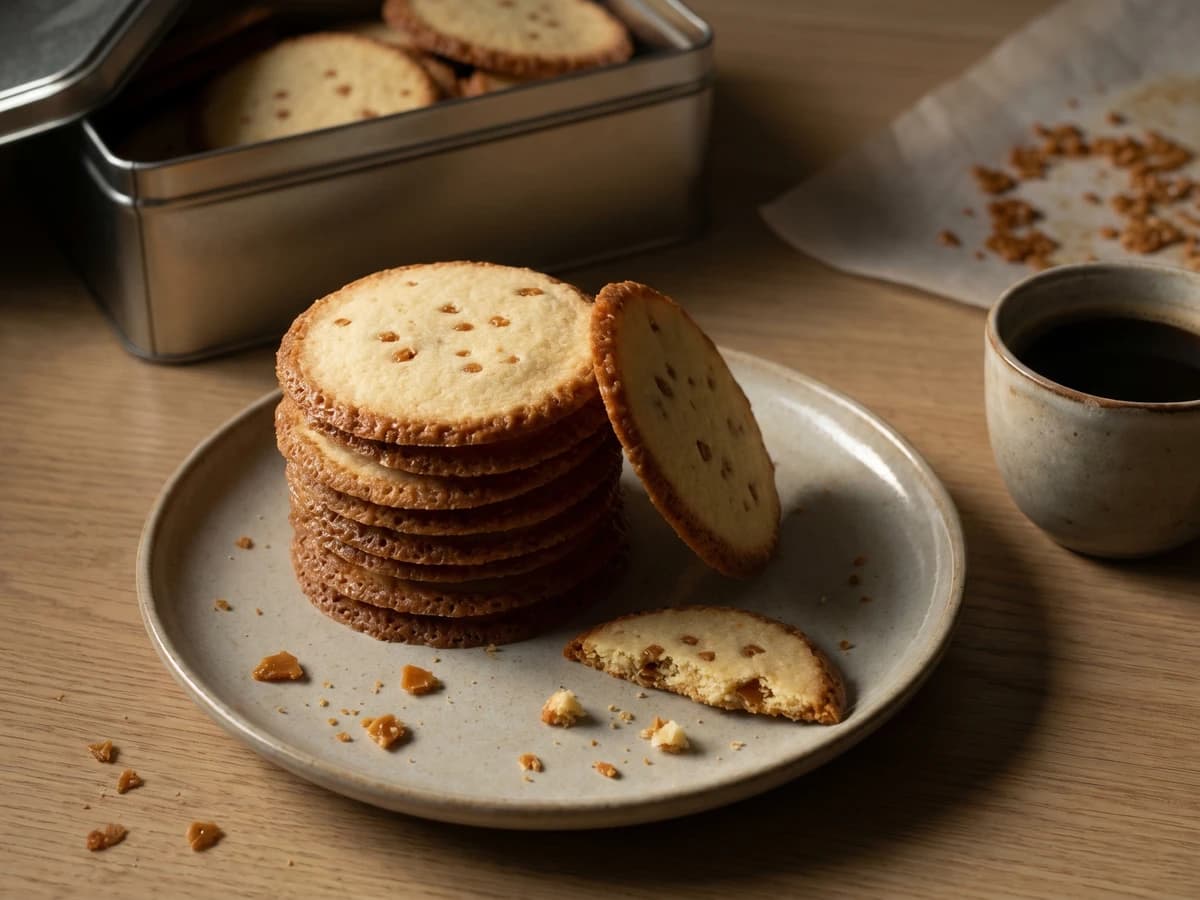
A thin Amsterdam cookie carrying a cog ship in its name: caramelized butter dough, almond nougatine, and a 1934 contest that turned municipal pride into something for coffee.