
Chef Graziella
Acquacotta Maremmana
The humblest soup in Tuscany, born from the wild Maremma where shepherds and charcoal burners transformed water, onions, stale bread, and an egg into sustenance. Proof that poverty teaches better than plenty.
A cooking platform built around craft, culture, and the stories behind what we eat.
Created by
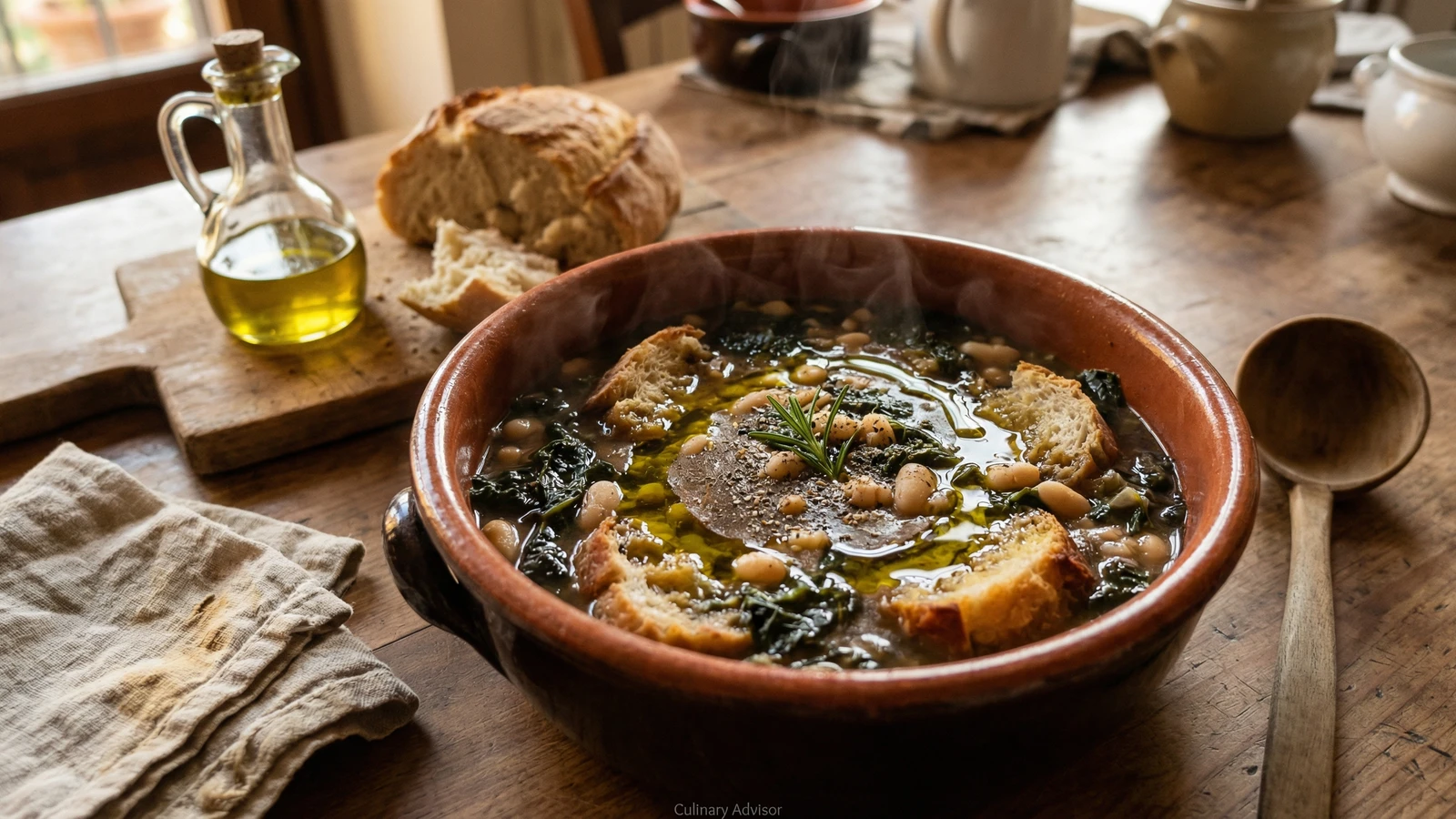
The great bread soup of Tuscany, where yesterday's bread, dark winter greens, and humble white beans prove that poverty creates genius. The name means reboiled. Follow that instruction.
Ribollita is what Tuscan contadini made when they had stale bread, vegetables from the garden, and the wisdom to combine them with patience. It is peasant food, and I use this term as the highest compliment. There is no cream. There is no fancy technique. There is only time, and the understanding that simple does not mean easy.
The bread must be stale. This is not a suggestion. Fresh bread dissolves into paste. Proper Tuscan bread contains no salt, which allows it to absorb liquid without becoming gummy or falling apart completely. If you cannot find saltless Tuscan bread, use ciabatta that has sat uncovered for two days. Do not attempt this with soft sandwich bread. You will create something unrecognizable.
Cavolo nero, the dark Tuscan kale that Americans call lacinato or dinosaur kale, is essential. Its sturdy leaves stand up to long simmering and contribute a bitter depth that balances the starchy bread. Savoy cabbage adds sweetness. The cannellini beans provide body and protein. Together, these humble ingredients become something that warms you from the inside.
The name ribollita means reboiled. Tuscan farm wives made large batches that fed the family for days, reheating the soup each evening. With each reheating, the flavors deepened and the bread absorbed more liquid. This is not a soup you make for tonight. This is a soup you make for tomorrow.
Ribollita emerged in the hills of Tuscany during the Renaissance, when servants reportedly collected leftover bread and minestra from wealthy households and reboiled them into a new meal. The dish remained the food of the poor until the 20th century, when Italian regionalism became fashionable and Tuscan trattorias began serving it to tourists who wanted to eat like peasants without living like them.
Quantity
1 pound
soaked overnight in cold water
Quantity
1/2 cup, plus more for serving
Quantity
1 large
diced
Quantity
2 medium
peeled and diced
Quantity
2
diced
Quantity
4
sliced thin
Quantity
1 large bunch, about 1 pound
stems removed, leaves torn
Quantity
1/2 small head
cored and sliced thin
Quantity
1 bunch
stems removed, leaves torn
Quantity
1 can (14 ounces)
crushed by hand
Quantity
1 piece, about 4 inches
Quantity
2 sprigs
Quantity
4 sprigs
Quantity
1
Quantity
8 cups
Quantity
8 ounces
torn into rough chunks
Quantity
to taste
Quantity
to taste
freshly ground
| Ingredient | Quantity |
|---|---|
| dried cannellini beanssoaked overnight in cold water | 1 pound |
| extra virgin olive oil | 1/2 cup, plus more for serving |
| yellow oniondiced | 1 large |
| carrotspeeled and diced | 2 medium |
| celery stalks with leavesdiced | 2 |
| garlic clovessliced thin | 4 |
| cavolo nero (lacinato kale)stems removed, leaves torn | 1 large bunch, about 1 pound |
| Savoy cabbagecored and sliced thin | 1/2 small head |
| Swiss chardstems removed, leaves torn | 1 bunch |
| San Marzano tomatoescrushed by hand | 1 can (14 ounces) |
| Parmigiano-Reggiano rind | 1 piece, about 4 inches |
| fresh rosemary | 2 sprigs |
| fresh thyme | 4 sprigs |
| dried bay leaf | 1 |
| chicken broth or vegetable broth | 8 cups |
| stale Tuscan bread or ciabattatorn into rough chunks | 8 ounces |
| kosher salt | to taste |
| black pepperfreshly ground | to taste |
Drain the soaked beans and place them in a large pot. Cover with fresh cold water by at least three inches. Bring to a gentle simmer over medium heat, then reduce to low. Cook until the beans are tender but still hold their shape, about one hour. They should yield easily when pressed between your fingers but not be falling apart. Do not salt the water. Salt toughens the skins and prevents proper cooking. Drain the beans, reserving two cups of the cooking liquid. Set aside.
In a heavy pot of at least eight quarts, warm the olive oil over medium heat. Add the onion, carrots, and celery. Cook slowly, stirring occasionally, until the vegetables have softened completely and the onion has turned a pale gold color. This takes at least twenty minutes. Do not rush. FLAVOR, IN ITALIAN DISHES, builds up from the bottom. An imperfectly executed soffritto will impair everything that follows. Add the sliced garlic and cook for one minute more. The garlic should soften and become fragrant. It must not brown.
Add the cavolo nero, Savoy cabbage, and Swiss chard to the pot. The volume will seem absurd, far too much for the pot. This is correct. Stir the greens to coat them with the soffritto, pressing them down gently. Cover the pot and let them wilt for five minutes. Remove the lid and stir again. Continue cooking uncovered, stirring occasionally, until the greens have collapsed and are beginning to soften, about ten minutes more.
Add the crushed tomatoes to the pot and stir well, scraping up any bits from the bottom. Let the tomatoes cook for three minutes until they begin to break down and their raw edge disappears. Add the Parmigiano rind, rosemary, thyme, and bay leaf. Pour in the broth and one cup of the reserved bean cooking liquid. Bring to a simmer.
Take half of the cooked beans and mash them roughly with a fork or potato masher. Add the mashed beans to the pot. They will dissolve into the broth and thicken it. Reserve the remaining whole beans for later. Let the soup simmer uncovered over low heat for one hour, stirring every fifteen minutes. The soup should maintain a lazy bubble, not a rolling boil. If it thickens too much, add the remaining bean cooking liquid or water.
Stir the torn bread chunks into the soup. Press them down so they are submerged in the liquid. The bread will begin to absorb the broth immediately and start to fall apart at the edges. This is what you want. Add the reserved whole beans. Season generously with salt and pepper. Stir well and cook for fifteen minutes more. The soup should now be very thick, almost like a stew. You should be able to stand a wooden spoon in it.
Remove the pot from heat. Fish out the rosemary stems, thyme stems, and bay leaf. Leave the Parmigiano rind if you like. Let the soup rest for at least thirty minutes at room temperature, or preferably, cover and refrigerate overnight. The name ribollita means reboiled. The soup is meant to be made one day and eaten the next.
When ready to serve, reheat the soup gently over medium-low heat, stirring often to prevent sticking. The soup will have thickened considerably. Add water or broth as needed to achieve your preferred consistency. Some prefer it thick enough to eat with a fork. Others like it looser. Both are correct. Taste for salt. Ladle into warmed bowls and drizzle each serving generously with your finest olive oil. The oil is not optional. It is the finishing touch that makes ribollita complete. Add freshly cracked black pepper and serve immediately.
1 serving (about 500g)
Culinary guides, cultural storytelling, and the editorial depth that makes cooking meaningful.
Discover Culinary ExplorerChef Graziella
The humblest soup in Tuscany, born from the wild Maremma where shepherds and charcoal burners transformed water, onions, stale bread, and an egg into sustenance. Proof that poverty teaches better than plenty.
Chef Graziella
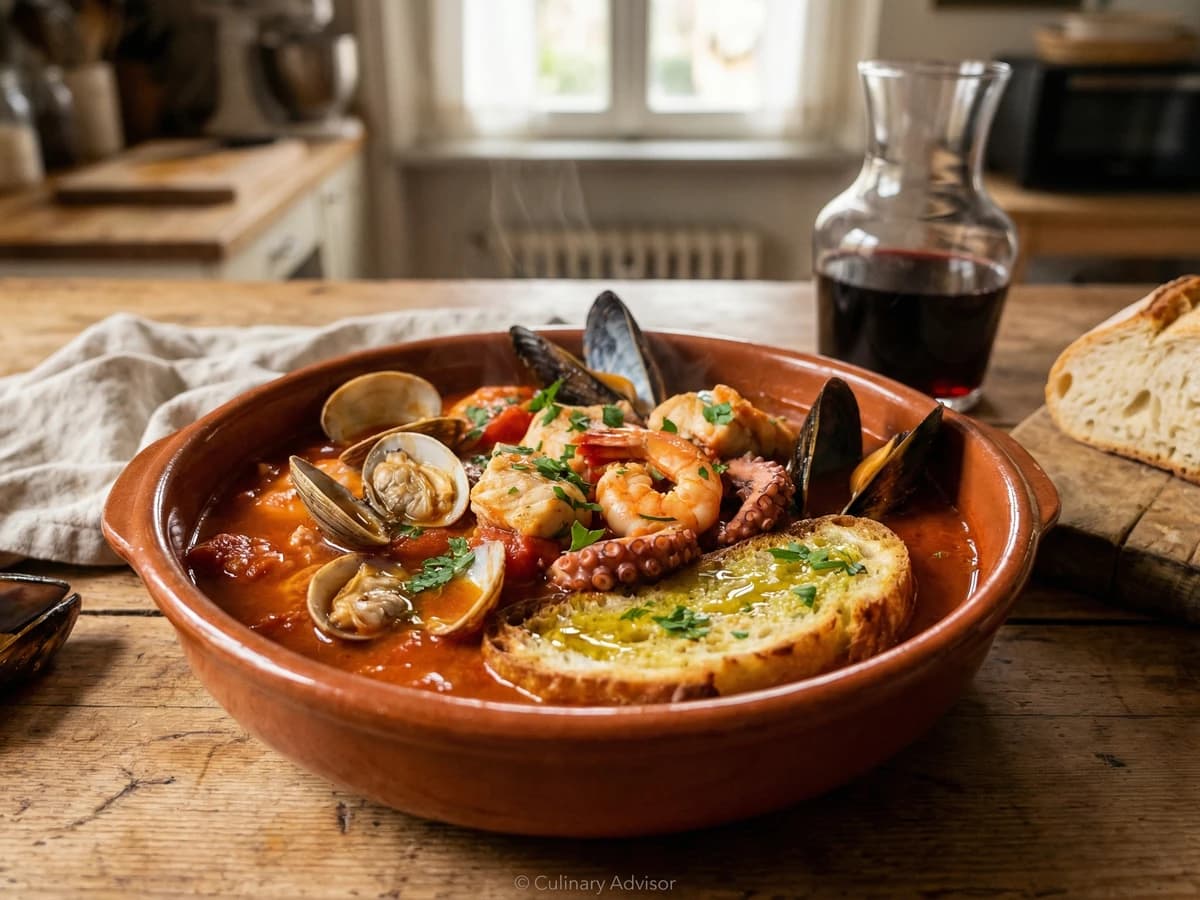
The great fish stew of Livorno, where fishermen transformed the unsellable catch into something magnificent. Five types of seafood minimum, one for each 'c' in the name, swimming in a spicy tomato broth and served over bread rubbed raw with garlic.
Chef Graziella
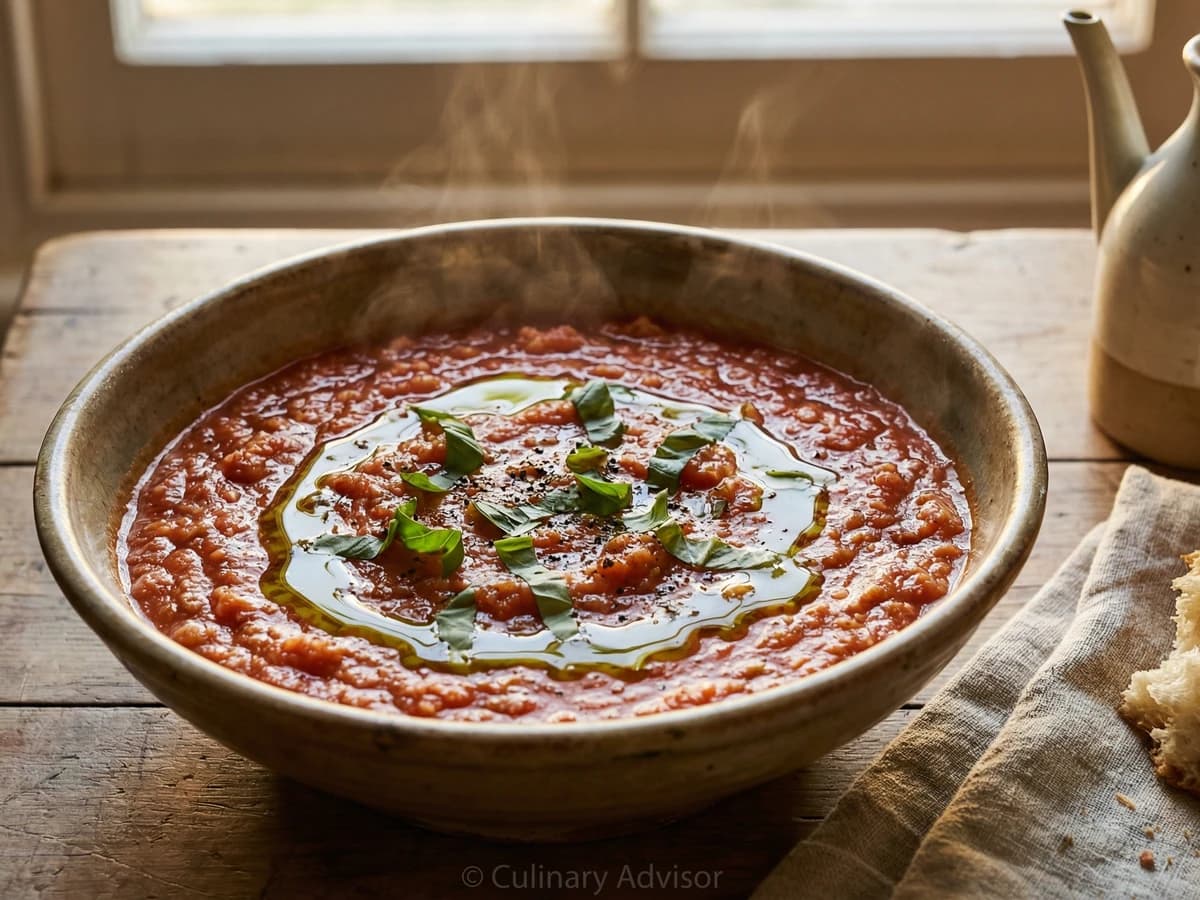
Tuscan bread soup stripped to its essentials: stale bread, ripe tomatoes, basil, and olive oil. Four ingredients that prove restraint is the highest form of cooking.
Chef Graziella
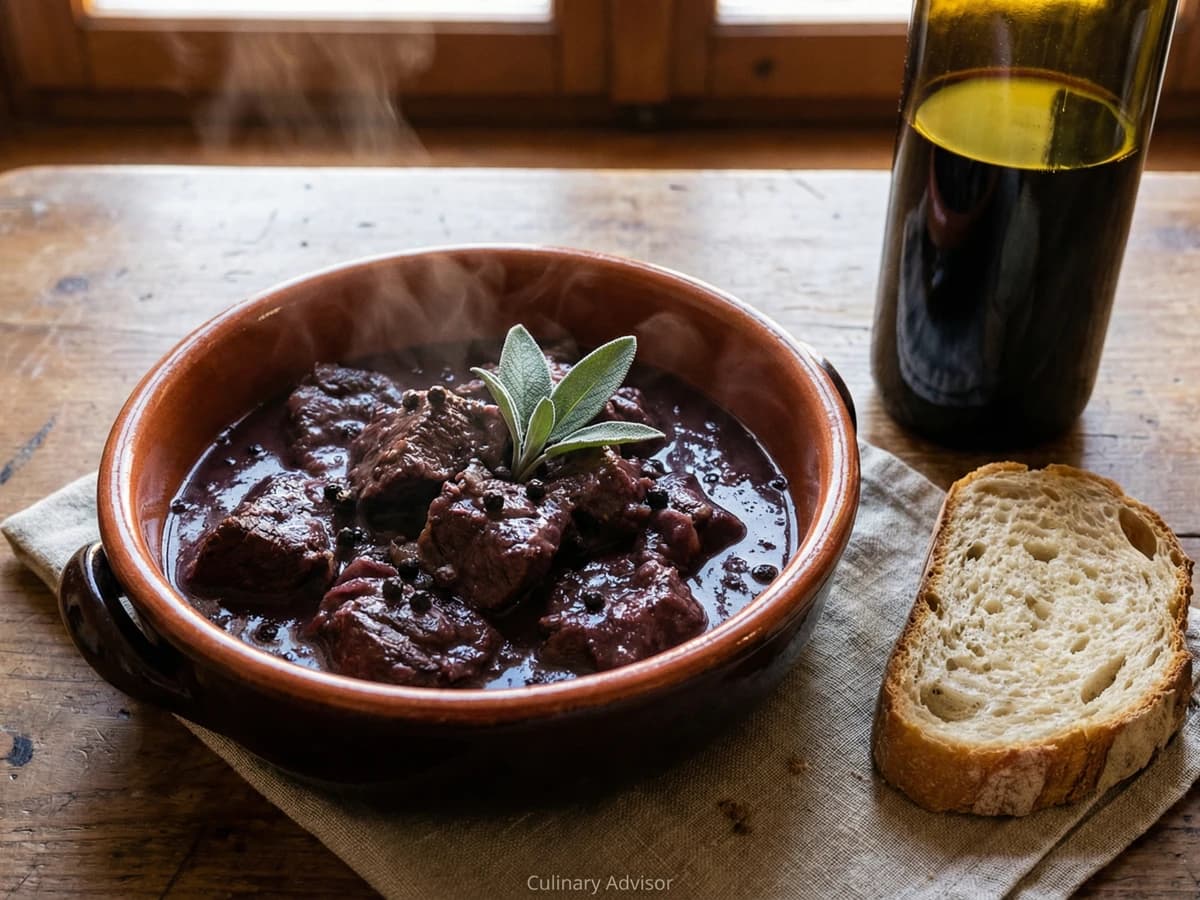
Beef braised in a river of Chianti with a startling quantity of black pepper. The dish that Brunelleschi's workers ate while building the dome of Florence. Five ingredients. Five hours. Nothing else.