Chef Juliette
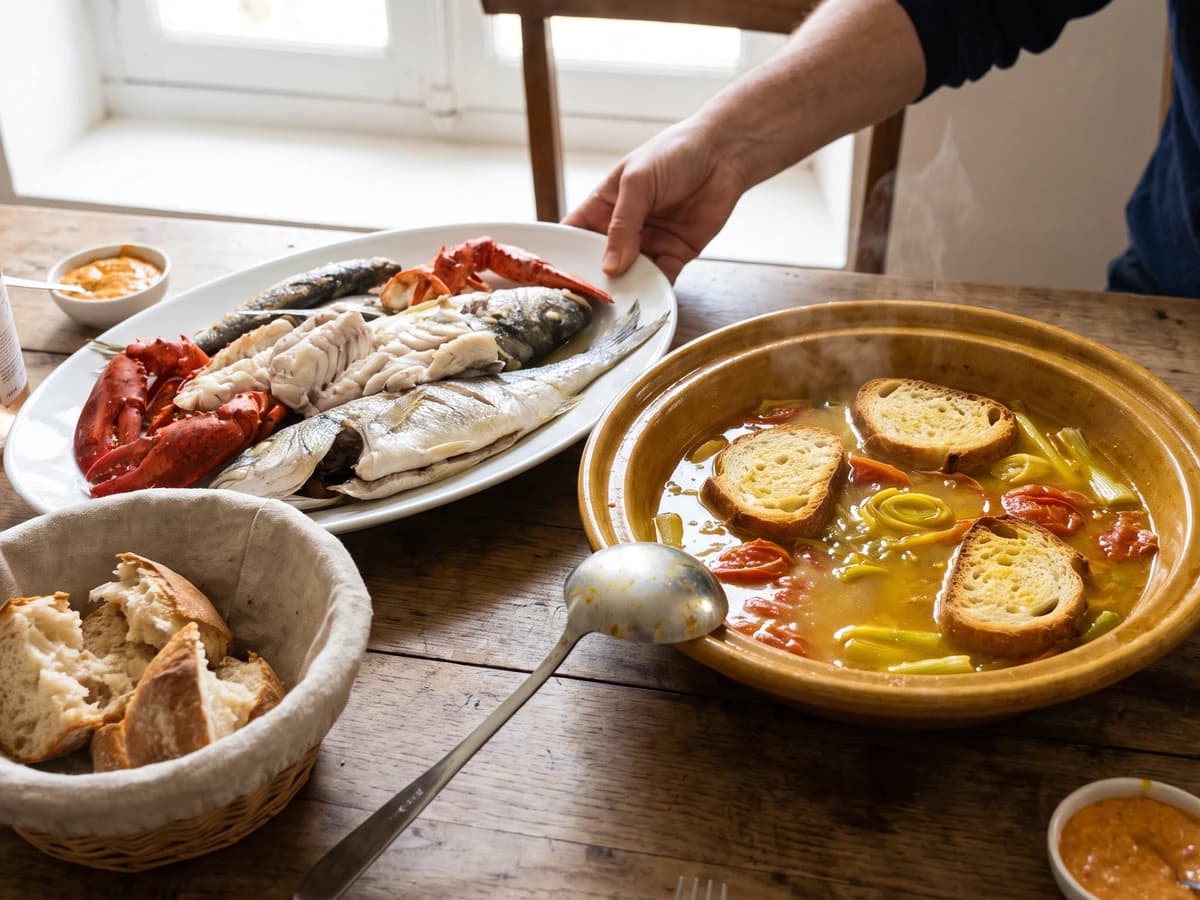
Bouillabaisse à la Marseillaise
Marseille's great fish stew, saffron-gold and garlic-scented, proves that a hard boil can be the careful choice: it binds olive oil into broth before the whole pot meets bread.
A cooking platform built around craft, culture, and the stories behind what we eat.
Created by
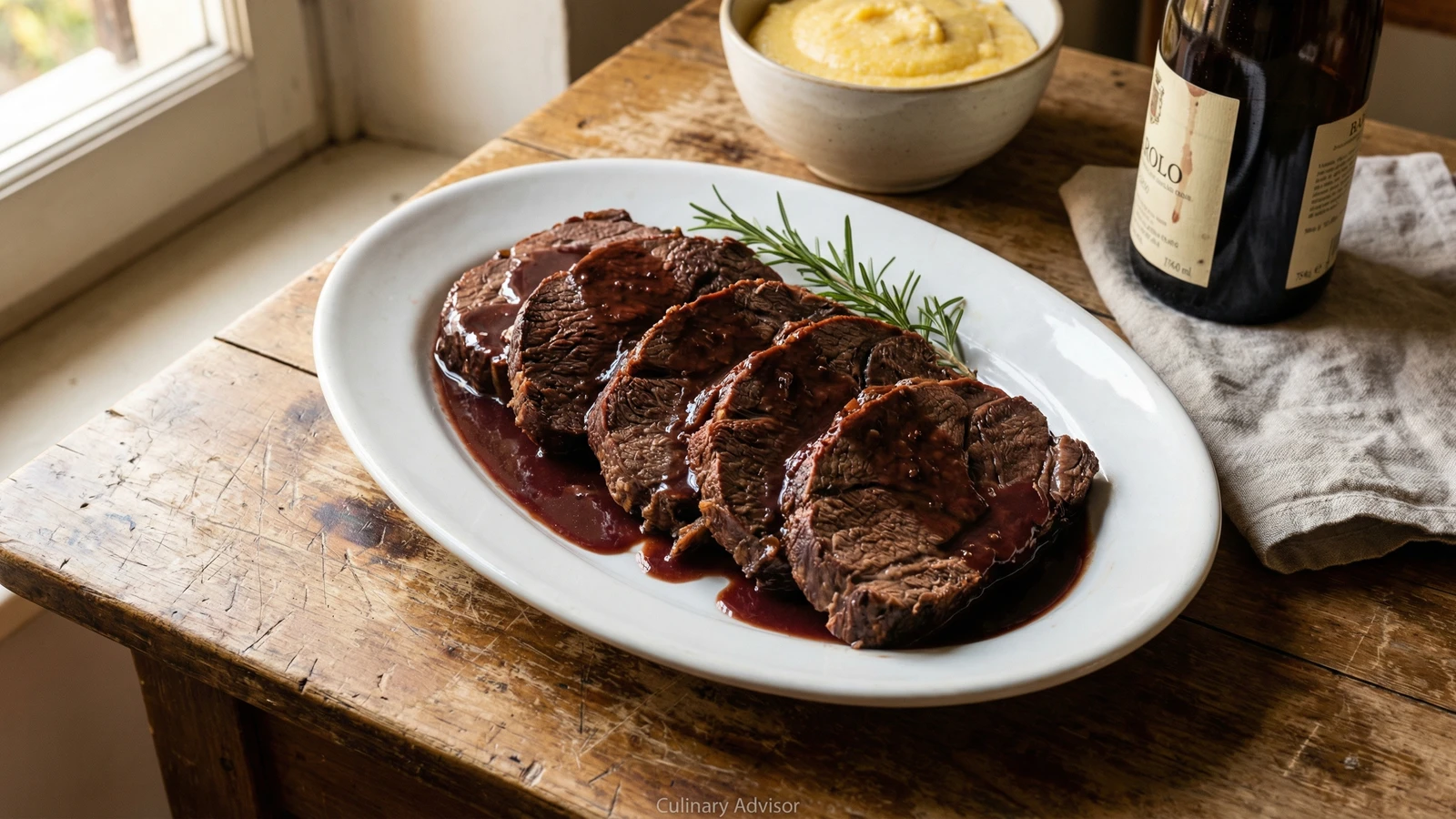
A whole piece of beef, surrendered to Barolo wine and patience, until the tannins transform into velvet and the meat falls apart at the suggestion of a fork. This is Piedmont on a plate.
The Langhe hills of Piedmont produce two of Italy's greatest treasures: Barolo wine and the knowledge of what to do with it. Brasato al Barolo is the second lesson. You take a whole piece of beef, not ground, not cubed, but a substantial roast that demands respect. You bathe it in an entire bottle of Barolo with aromatics and you wait. Then you braise it for hours until the wine, the meat, and the time become one inseparable thing.
This is not a dish for those who want dinner in thirty minutes. The meat marinates overnight. It braises for half an afternoon. The sauce reduces while the roast rests. You cannot rush any of these steps. But when you finally slice into that mahogany-dark meat and taste the concentrated, almost sweet depth of the reduced Barolo sauce, you understand why Piedmontese families have made this for generations.
The spices here are unusual for Italian cooking: cloves, cinnamon, juniper. This is the influence of trade routes through the Alps, flavors that arrived in Piedmont centuries ago and stayed because they work. The cinnamon is barely detectable in the finished dish, a warmth you cannot name. The juniper echoes the wine's own complexity. Do not add more than the recipe specifies. What you keep out is as significant as what you put in.
Brasato al Barolo became the celebration dish of Piedmontese nobility in the 19th century, when the Nebbiolo grape's reputation transformed Barolo from a sweet, fizzy wine into the structured, age-worthy 'King of Wines.' Using an entire bottle of such valuable wine for a braise was a statement of wealth and occasion. Today it remains the centerpiece of Christmas and wedding feasts throughout the Langhe.
Quantity
4 pounds
in one piece
Quantity
1 bottle (750ml)
Quantity
1 large
quartered
Quantity
2 medium
peeled and cut into large pieces
Quantity
2
cut into large pieces
Quantity
2
lightly crushed
Quantity
2
Quantity
4
Quantity
1
Quantity
6
lightly crushed
Quantity
6
Quantity
2 sprigs
Quantity
3 tablespoons
Quantity
3 tablespoons
Quantity
1 cup
Quantity
to taste
Quantity
to taste
freshly ground
| Ingredient | Quantity |
|---|---|
| beef chuck roast or eye of roundin one piece | 4 pounds |
| Barolo wine | 1 bottle (750ml) |
| yellow onionquartered | 1 large |
| carrotspeeled and cut into large pieces | 2 medium |
| celery stalkscut into large pieces | 2 |
| garlic cloveslightly crushed | 2 |
| bay leaves | 2 |
| whole cloves | 4 |
| cinnamon stick | 1 |
| juniper berrieslightly crushed | 6 |
| black peppercorns | 6 |
| fresh rosemary | 2 sprigs |
| extra virgin olive oil | 3 tablespoons |
| unsalted butter | 3 tablespoons |
| beef broth | 1 cup |
| kosher salt | to taste |
| black pepperfreshly ground | to taste |
Place the beef in a deep bowl or container just large enough to hold it. Add the onion, carrots, celery, garlic, bay leaves, cloves, cinnamon stick, juniper berries, peppercorns, and rosemary. Pour the entire bottle of Barolo over everything. The wine should nearly cover the meat. If it does not, turn the meat occasionally during marinating. Cover tightly and refrigerate for at least 12 hours, preferably 24.
Remove the meat from the marinade and pat it completely dry with paper towels. Wet meat will not brown. Strain the marinade, reserving both the liquid and the vegetables separately. Discard the bay leaves, cloves, cinnamon, and peppercorns, or fish them out later. Season the beef generously with salt and pepper on all sides.
In a heavy Dutch oven or braising pot just large enough to hold the meat comfortably, heat the olive oil and 2 tablespoons of the butter over medium-high heat until the butter foam subsides. Add the beef and brown it thoroughly on all sides. This takes at least 15 minutes. Do not move the meat too frequently. Each side should develop a deep, mahogany crust. Remove the meat and set it aside.
Reduce heat to medium. Add the reserved vegetables from the marinade to the pot. Cook, stirring occasionally, until they soften and take on color from the fond in the pot, about 10 minutes. The vegetables will not become tender at this stage. They will finish in the braise.
Return the meat to the pot, nestling it among the vegetables. Pour the reserved Barolo marinade over everything. Add the beef broth. The liquid should come about two-thirds of the way up the sides of the meat. Bring to a simmer, then reduce heat to the lowest possible setting. Cover the pot with a tight-fitting lid.
Cook at the barest simmer for 3 to 4 hours. Check occasionally. If you see rapid bubbling, reduce the heat further. Turn the meat once or twice during cooking. The brasato is done when a fork inserted into the center meets no resistance and withdraws easily. The meat should hold together but yield completely to gentle pressure.
Transfer the meat to a cutting board and cover loosely with foil. Let it rest for at least 15 minutes. The meat must rest. If you slice it immediately, the juices run out onto the board instead of remaining in the meat where they belong.
Strain the braising liquid through a fine-mesh sieve, pressing on the vegetables to extract their flavor. Discard the solids. Return the liquid to the pot and bring to a brisk simmer. Reduce by about one-third, until the sauce coats a spoon. Taste and adjust salt. Remove from heat and swirl in the remaining tablespoon of butter. The sauce should be glossy and substantial but not thick like gravy.
Slice the meat against the grain into pieces about half an inch thick. Arrange on a warm serving platter. Spoon the sauce generously over the slices. Serve immediately with soft polenta, which is traditional, or with mashed potatoes if you must. The sauce is essential. Do not be stingy with it.
1 serving (about 225g)
Culinary guides, cultural storytelling, and the editorial depth that makes cooking meaningful.
Discover Culinary ExplorerChef Juliette
Marseille's great fish stew, saffron-gold and garlic-scented, proves that a hard boil can be the careful choice: it binds olive oil into broth before the whole pot meets bread.
Chef Juliette
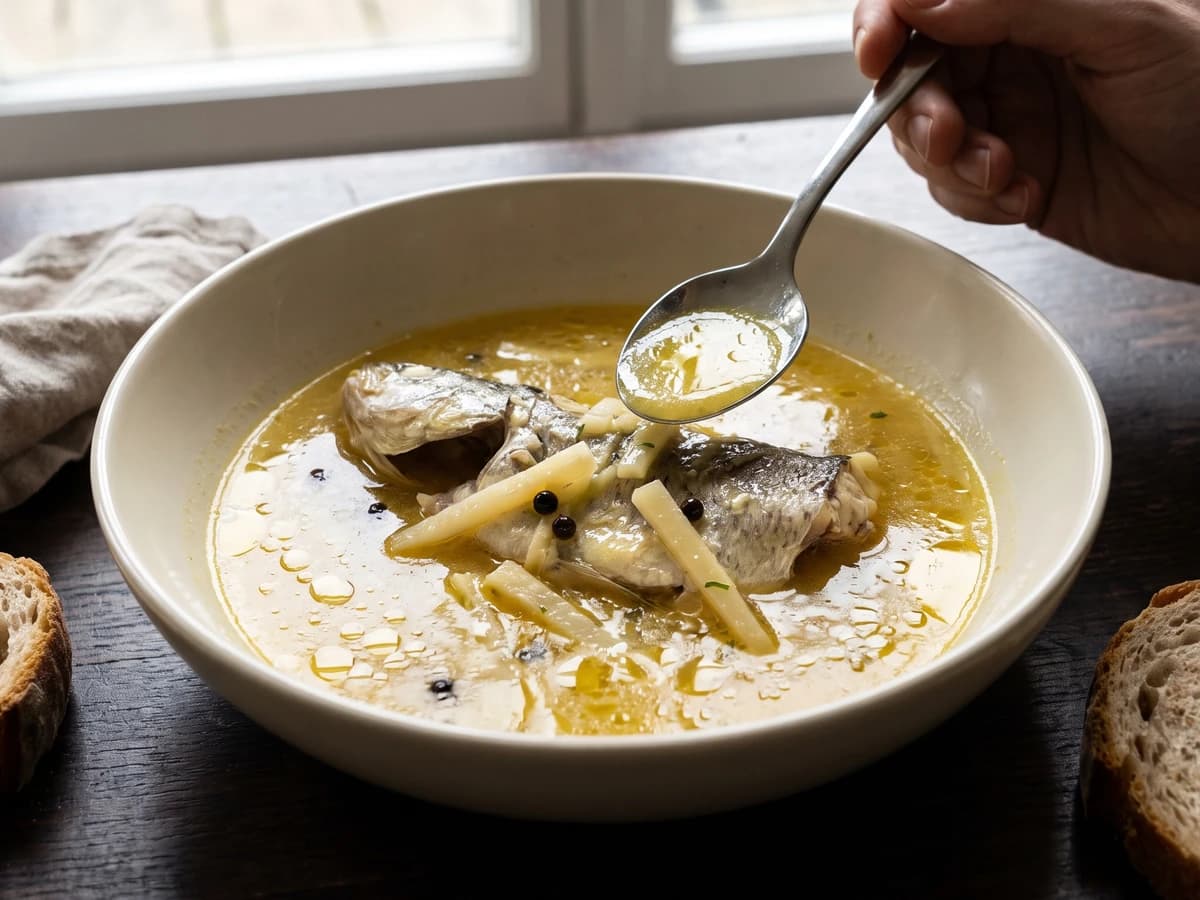
Waterzoi asks fresh, bone-in river fish to thicken its own buttery broth, with parsley root and pepper for company. No flour, no stockpot, just a brisk simmer watched closely.
Chef Juliette
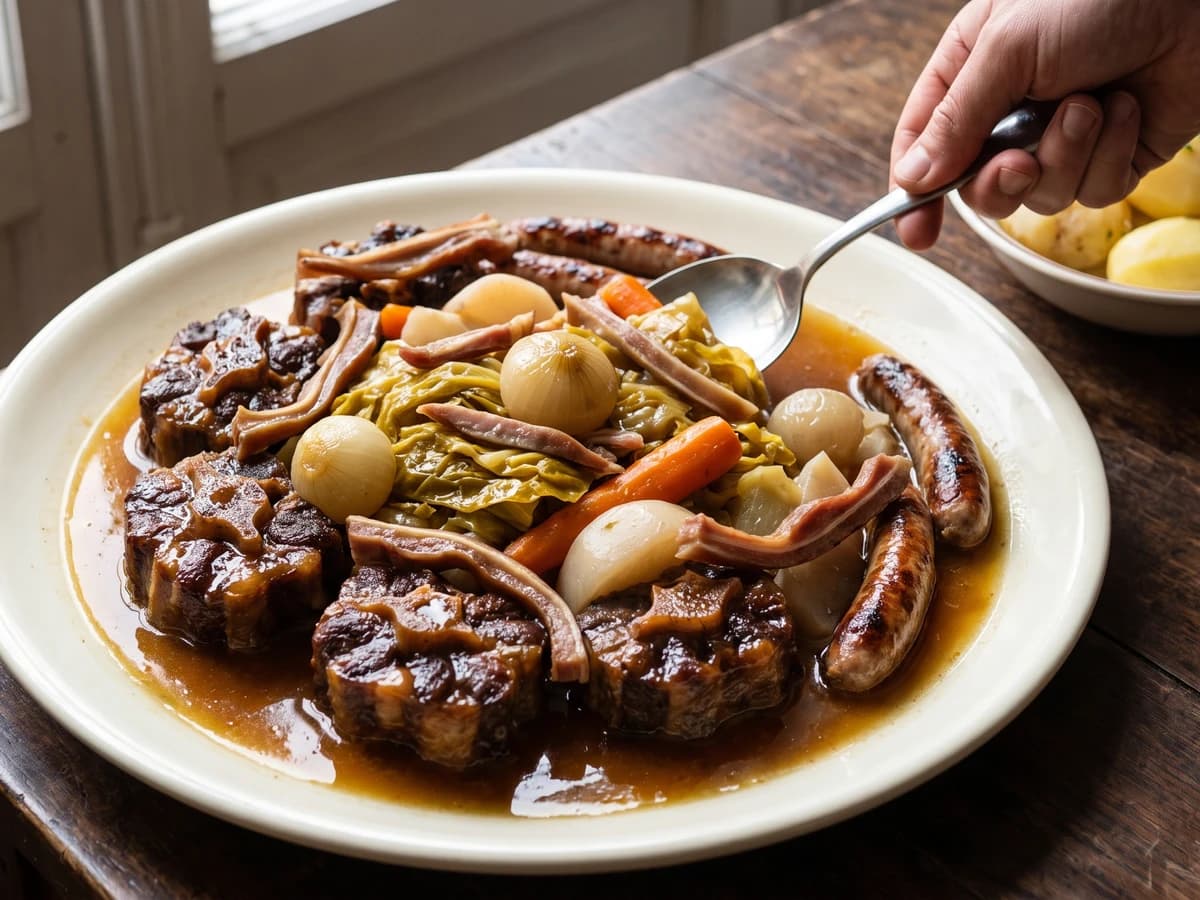
Queue de Bœuf en Hochepot gathers oxtail, pig's trotter and ear, cabbage, roots, and grilled chipolatas around a clear, gelatin-rich broth whose quiet simmer keeps every piece tender and distinct.
Chef Juliette
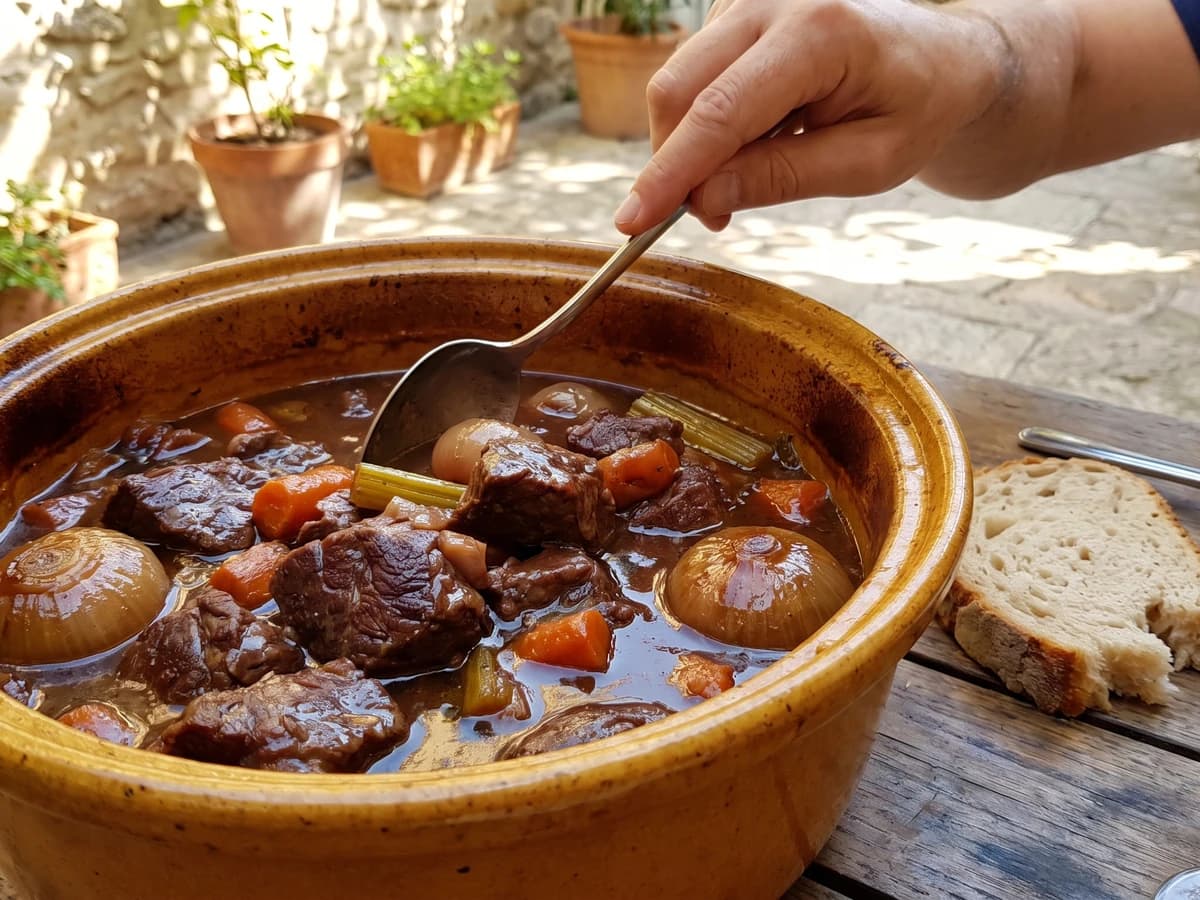
Beef shoulder larded with bacon, sharpened by red wine and vinegar, then sealed with garlic, vegetables, and dry lemon peel until the low oven turns it yielding and the gravy darkly glossy.