Chef Isabel
Acedías Fritas de Cádiz
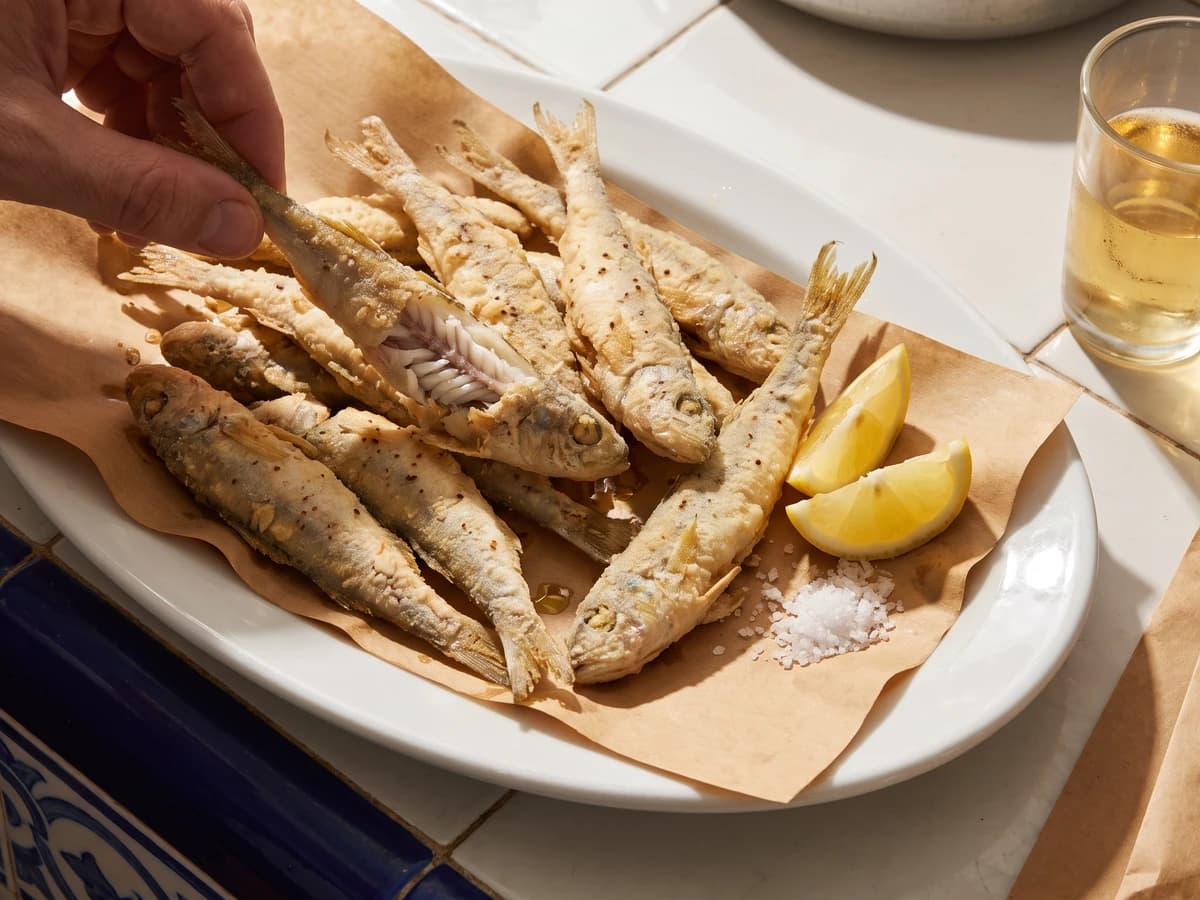
Acedías fritas belong to Cádiz: tiny wedge sole, salted, dusted in frying flour, and dropped into very hot olive oil so the rims crisp while the fish stays tender.
A cooking platform built around craft, culture, and the stories behind what we eat.
Created by
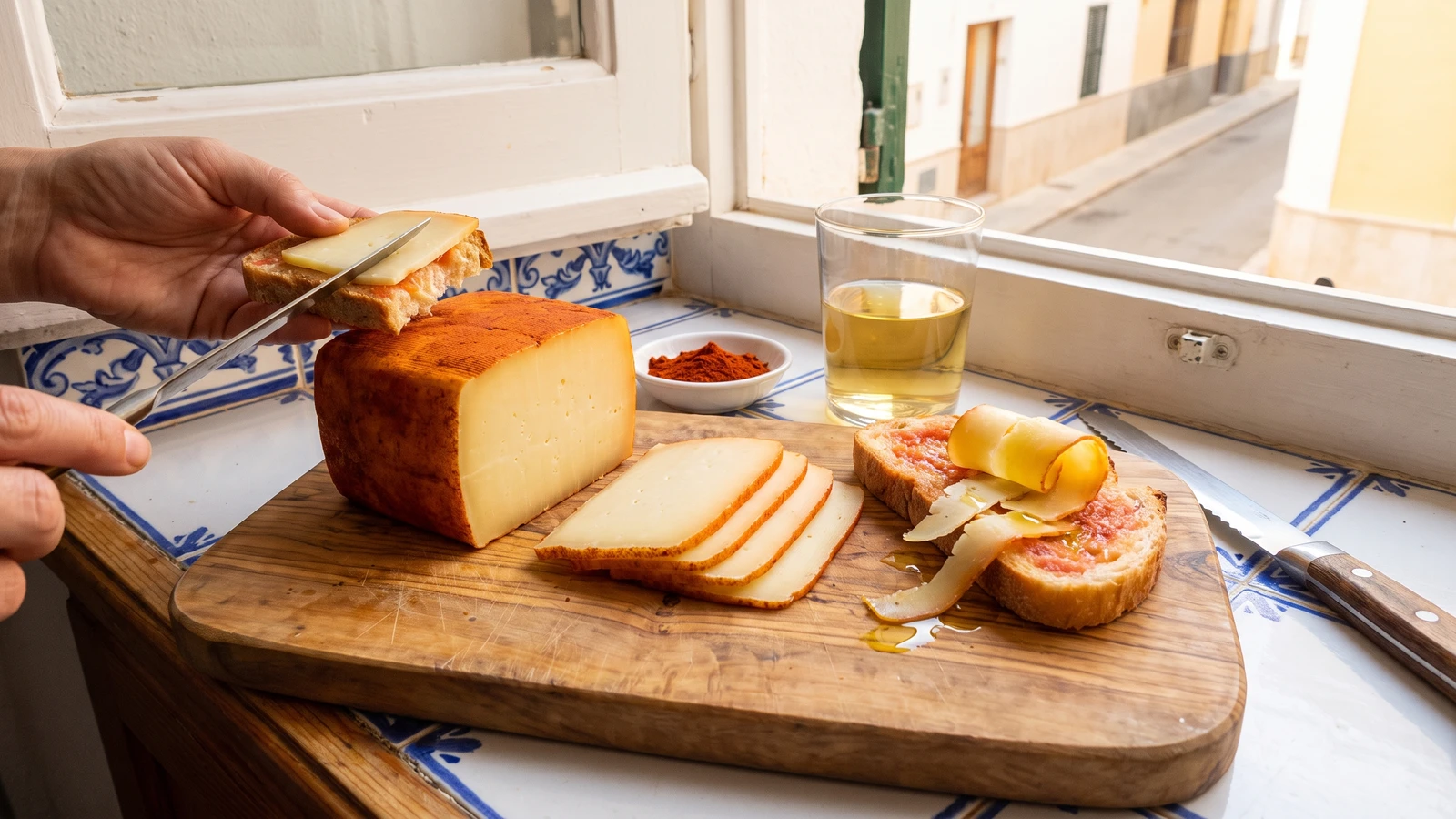
Queso Mahón-Menorca is Menorca's cow cheese: square-edged, salty, nutty, and orange-rinded from butter and pimentón. Serve semicurado in slices with bread, or shave curado where you want bite.
Queso Mahón-Menorca is Menorca's, not just any cow cheese from the islands. It comes in that squared, cushion shape from the cloth used to press it, with a firm paste and an orange rind traditionally rubbed with butter and pimentón. Semicurado slices clean and nutty over bread. Curado is sharper, drier, and better shaved or grated. That's the difference that matters.
The method here is simple, so don't make it clever. Take the cheese out of the refrigerator early and let it lose the chill before you cut it. Cold Mahón tastes tight and only salty; at cool room temperature the fat softens, the nuttiness opens, and the rind smells faintly of pimentón. Cut it just before serving so the edges don't dry out.
If you can't find DOP Queso Mahón-Menorca where you are, use a firm aged cow's milk cheese with real salt and a little tang, mature Cheddar or an aged Dutch cow cheese will do at a pinch. It won't have the island rind or that lactic sharpness, so add the pimentón-butter rub to the serving plate, not to pretend it's the same, but to carry the right idea. No hace falta haber pisado España. Pésalo, no lo adivines, and serve it plainly.
Queso Mahón-Menorca belongs to Menorca, where cow's milk, sea air, and the island's old dairy trade shaped a cheese unlike the sheep and goat cheeses many people expect from Spain. The cheese is pressed in a cloth called fogasser, which gives it the rounded square shape and the marks at the corners. Its rind was traditionally treated with oil or butter and pimentón, a practical protection that also left the cheese with its warm orange colour.
Quantity
300g
in one wedge
Quantity
100g
for shaving or grating
Quantity
250g
sliced
Quantity
45ml
Quantity
15g
softened
Quantity
1 teaspoon
Quantity
1
halved
Quantity
only if needed
| Ingredient | Quantity |
|---|---|
| Queso Mahón-Menorca semicuradoin one wedge | 300g |
| Queso Mahón-Menorca curadofor shaving or grating | 100g |
| country breadsliced | 250g |
| extra virgin olive oil | 45ml |
| unsalted buttersoftened | 15g |
| sweet pimentón | 1 teaspoon |
| ripe tomato (optional)halved | 1 |
| flaky sea salt (optional) | only if needed |
Take both cheeses out of the refrigerator 45 minutes before serving. Leave them covered loosely at cool room temperature, not in full sun. This is the step that decides it: cold Mahón tastes tight and blunt, but once the chill lifts, the paste softens and the salty, nutty flavour comes forward.
Stir the softened butter with the pimentón until smooth. If the rind looks dry, rub a very thin film over the outside of the semicurado wedge, just enough to revive the orange surface. Don't coat the cut face. The rind should look cared for, not painted.
Toast the bread lightly or leave it plain if it is fresh and good. If using the tomato, rub the cut side over the bread until the crumb catches the juice, then spoon over the olive oil. Taste the cheese before adding salt; Mahón usually brings enough of its own.
Cut the semicurado into thin triangles or small batons, keeping a little rind on each piece if the rind is clean and meant for eating. Shave the curado with a knife or coarse grater over a few slices of bread. Serve at once, before the cut edges dry. Siempre sale, si lo sigues.
1 serving (about 135g)
Culinary guides, cultural storytelling, and the editorial depth that makes cooking meaningful.
Discover Culinary ExplorerChef Isabel
Acedías fritas belong to Cádiz: tiny wedge sole, salted, dusted in frying flour, and dropped into very hot olive oil so the rims crisp while the fish stays tender.
Chef Isabel
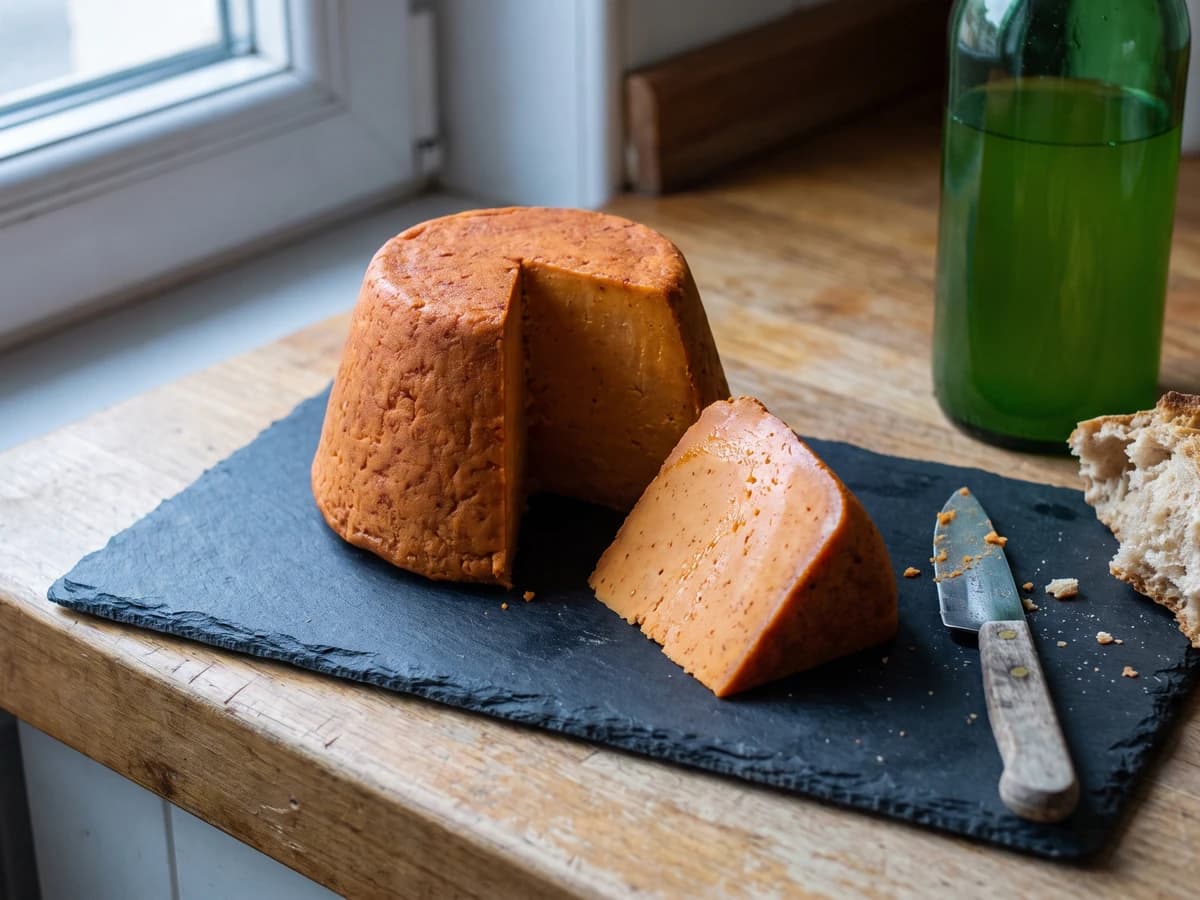
Afuega'l Pitu Roxu is Asturias in a small cheese: cow's milk set slowly to a dense curd, drained without squeezing, then kneaded with pimentón until it turns orange and grips the throat.
Chef Isabel
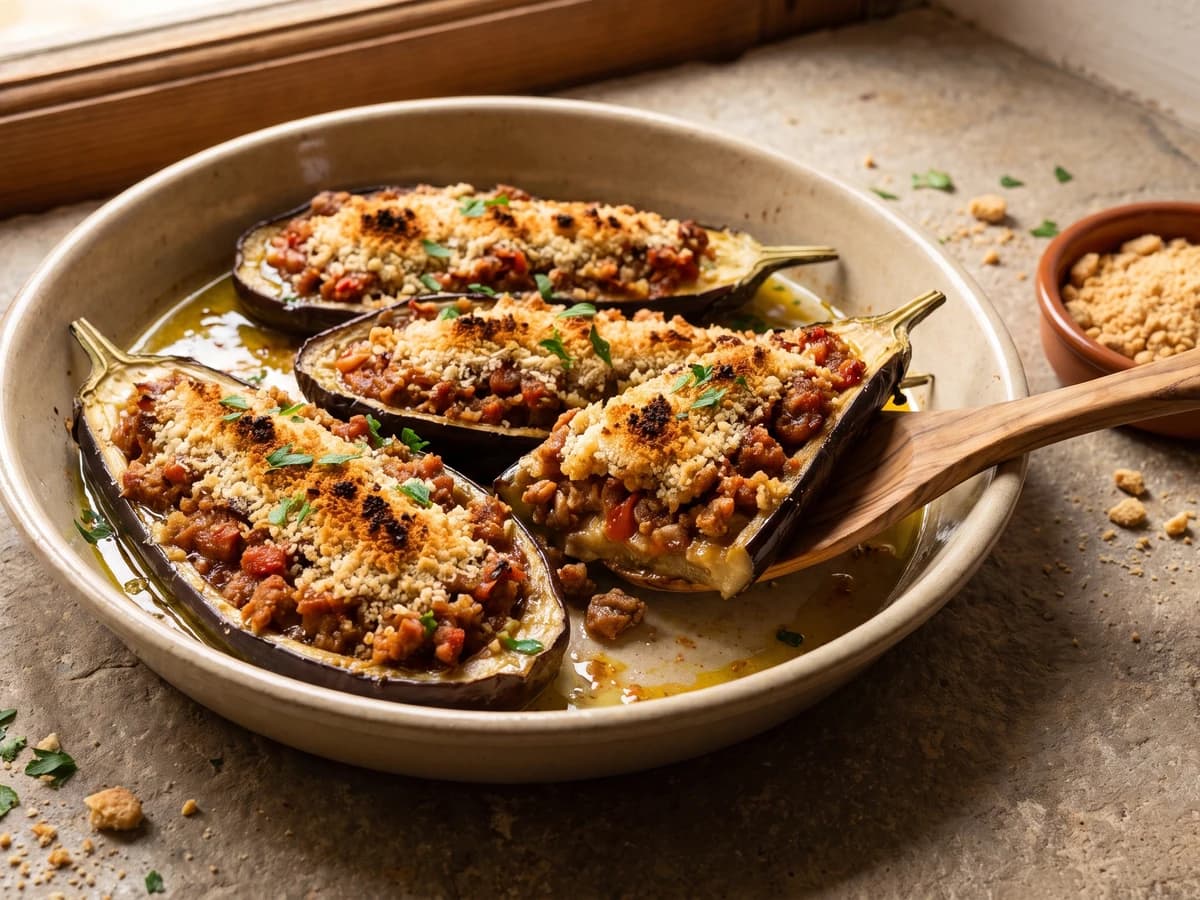
Albergínies farcides are Mallorca's summer stuffed aubergines: tender boiled shells, a slow pork sofrito with moraduix, and a plain breadcrumb cap baked until the top turns crisp and golden.

Chef Isabel
Carxofes farcides are Catalan stuffed artichokes: tender hearts filled with jamón, slow sweet onion, and breadcrumbs, then baked in a light creamy sauce until the tops turn golden.