Chef Isabel
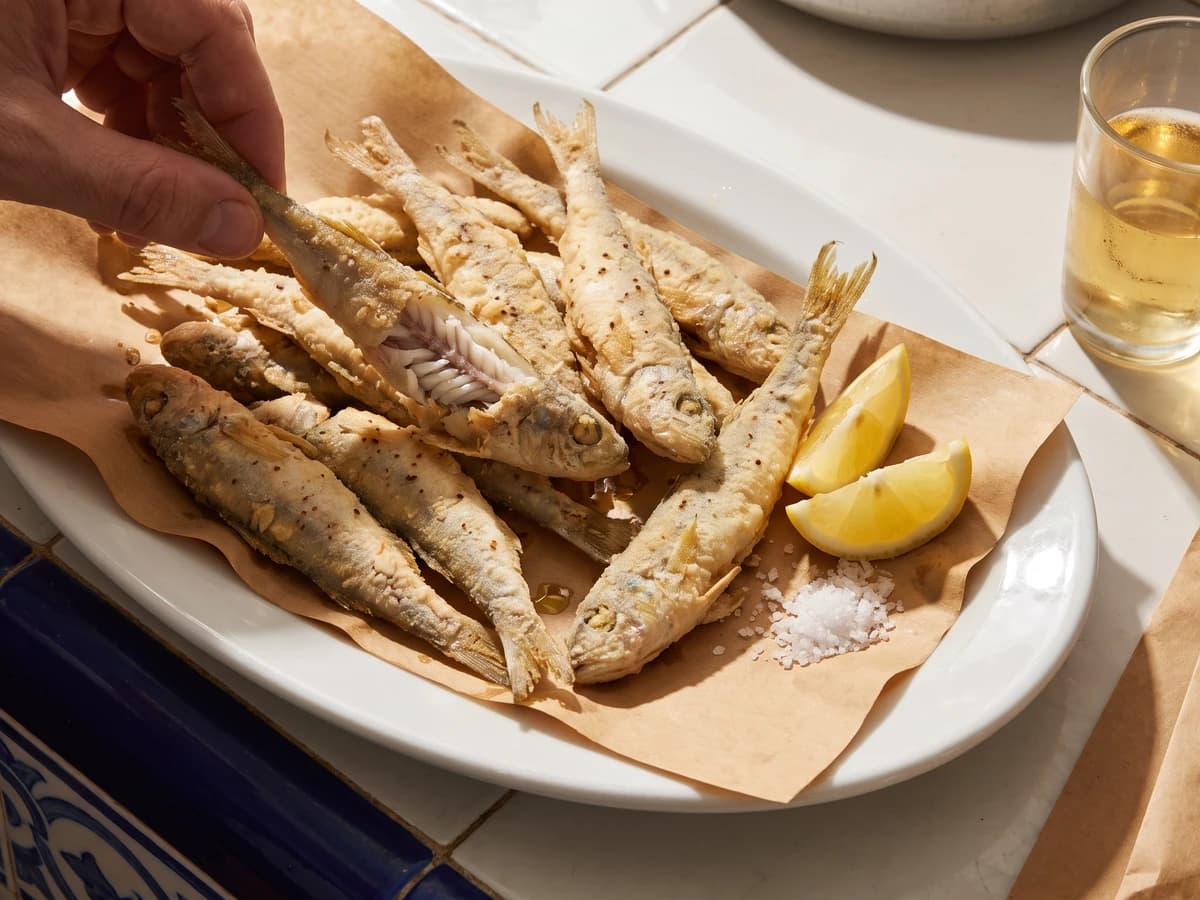
Acedías Fritas de Cádiz
Acedías fritas belong to Cádiz: tiny wedge sole, salted, dusted in frying flour, and dropped into very hot olive oil so the rims crisp while the fish stays tender.
A cooking platform built around craft, culture, and the stories behind what we eat.

Created by
Cabrales is Asturias in cheese form: raw milk aged in damp mountain caves until sharp, creamy, and blue-veined. Serve it warm from the fridge, never cold and mute.
Cabrales Asturiano belongs to the Picos de Europa, in eastern Asturias, where the damp caves do the work a kitchen cannot. This is not a cheese you make at home unless you're a cheesemaker with the right milk, moulds, caves, and law behind you. You buy it well, serve it properly, and let it speak.
The method that decides it is temperature. Straight from the fridge, Cabrales is tight, salty, and mean. Give it 45 minutes at cool room temperature and the paste softens, the blue opens, and the sharpness becomes round instead of harsh. Cut it with a clean knife, serve it in small pieces, and put bread beside it. Bread is not decoration here; it carries the cheese.
If you can't find Cabrales where you are, look first for Valdeón from León or Picón Bejes-Tresviso from Cantabria. They come from the same northern mountain habit of strong blue cheeses, though Valdeón is often creamier and a little milder, and Picón keeps more of that cave-aged bite. Roquefort will do in a pinch, but it tastes of another country. No hace falta haber pisado España, but you do need to buy the right thing and let it come to life before you serve it.
Cabrales comes from the council of Cabrales and nearby villages in the Asturian side of the Picos de Europa, where cow, goat, and sheep milk were preserved by ageing cheese in natural limestone caves. The caves hold the damp, cool air that lets the blue mould develop through the paste and gives the cheese its fierce, peppery depth. It is protected as a Denominación de Origen cheese, tied to its mountain place rather than to a generic blue-cheese style.
Quantity
200g
kept wrapped until serving
Quantity
180g
sliced
Quantity
80g
sliced
Quantity
60g
cracked
Quantity
30g
Quantity
to serve
| Ingredient | Quantity |
|---|---|
| Cabrales cheesekept wrapped until serving | 200g |
| rustic country bread or pan de escandasliced | 180g |
| membrillo (quince paste)sliced | 80g |
| walnutscracked | 60g |
| unsalted Asturian butter (optional) | 30g |
| Asturian natural cider (optional) | to serve |
Take the Cabrales from the refrigerator 45 minutes before serving, but leave it loosely wrapped so the surface doesn't dry. This is the step that matters. Cold Cabrales tastes blunt and too salty; at cool room temperature it softens, smells of the cave, and turns creamy on the tongue.
Slice the bread thick enough to hold the cheese, about 1cm. Cut the membrillo into small pieces and crack the walnuts. Keep the board plain: cheese, bread, quince, walnuts, and butter if you like. Pésalo, no lo adivines, because strong cheese served too generously stops being generous.
Unwrap the Cabrales and cut it into small wedges or rough pieces with a clean knife. Wipe the blade between cuts if the paste clings. You want the blue veins visible and the creamy paste still holding its shape, not mashed into a spread before it reaches the table.
Set the Cabrales on a small plate or board with the bread closest to it, membrillo to one side, and walnuts scattered in a little pile. Pour Asturian cider if you have it. If not, a dry cider works better than a sweet one. Serve at once, while the cheese is open and creamy. Siempre sale, si lo sigues.
1 serving (about 92g)
Culinary guides, cultural storytelling, and the editorial depth that makes cooking meaningful.
Discover Culinary ExplorerChef Isabel
Acedías fritas belong to Cádiz: tiny wedge sole, salted, dusted in frying flour, and dropped into very hot olive oil so the rims crisp while the fish stays tender.
Chef Isabel
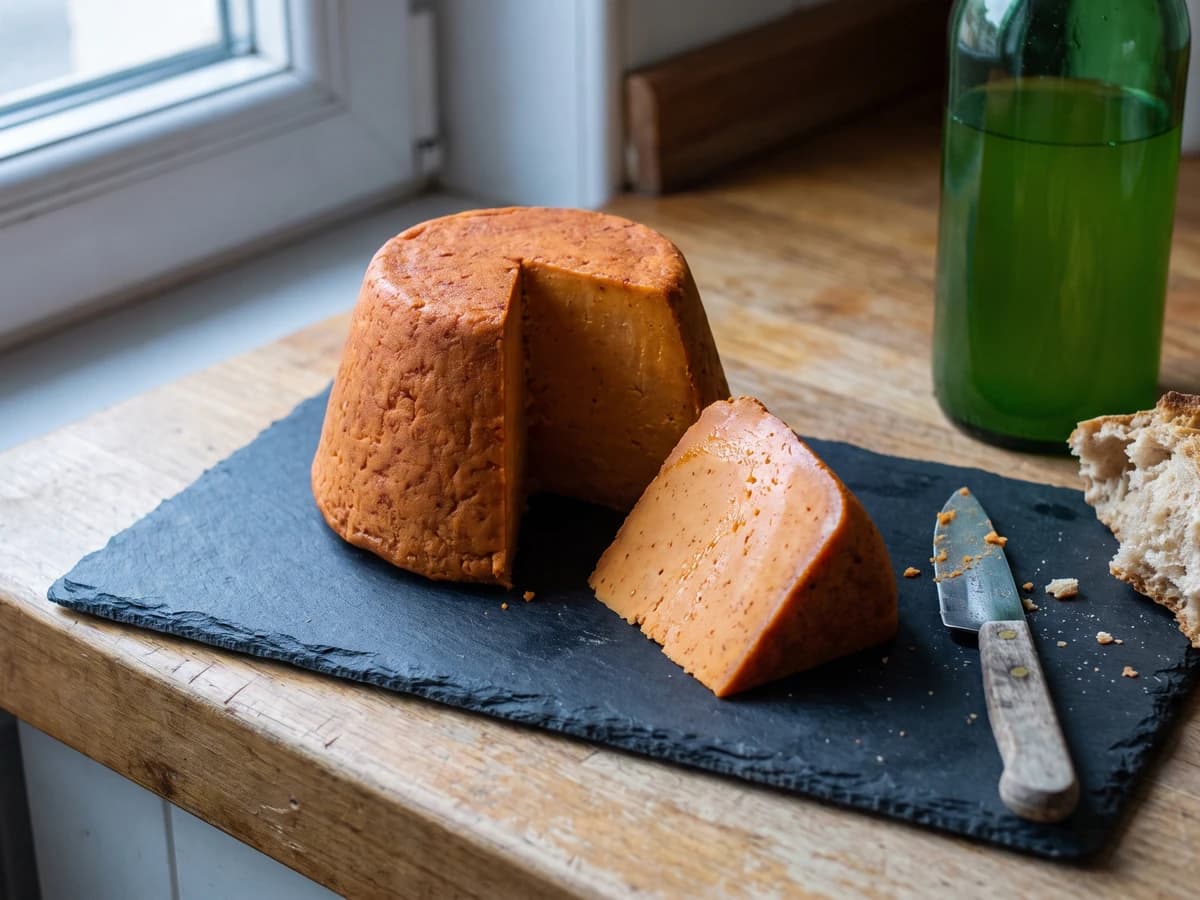
Afuega'l Pitu Roxu is Asturias in a small cheese: cow's milk set slowly to a dense curd, drained without squeezing, then kneaded with pimentón until it turns orange and grips the throat.
Chef Isabel
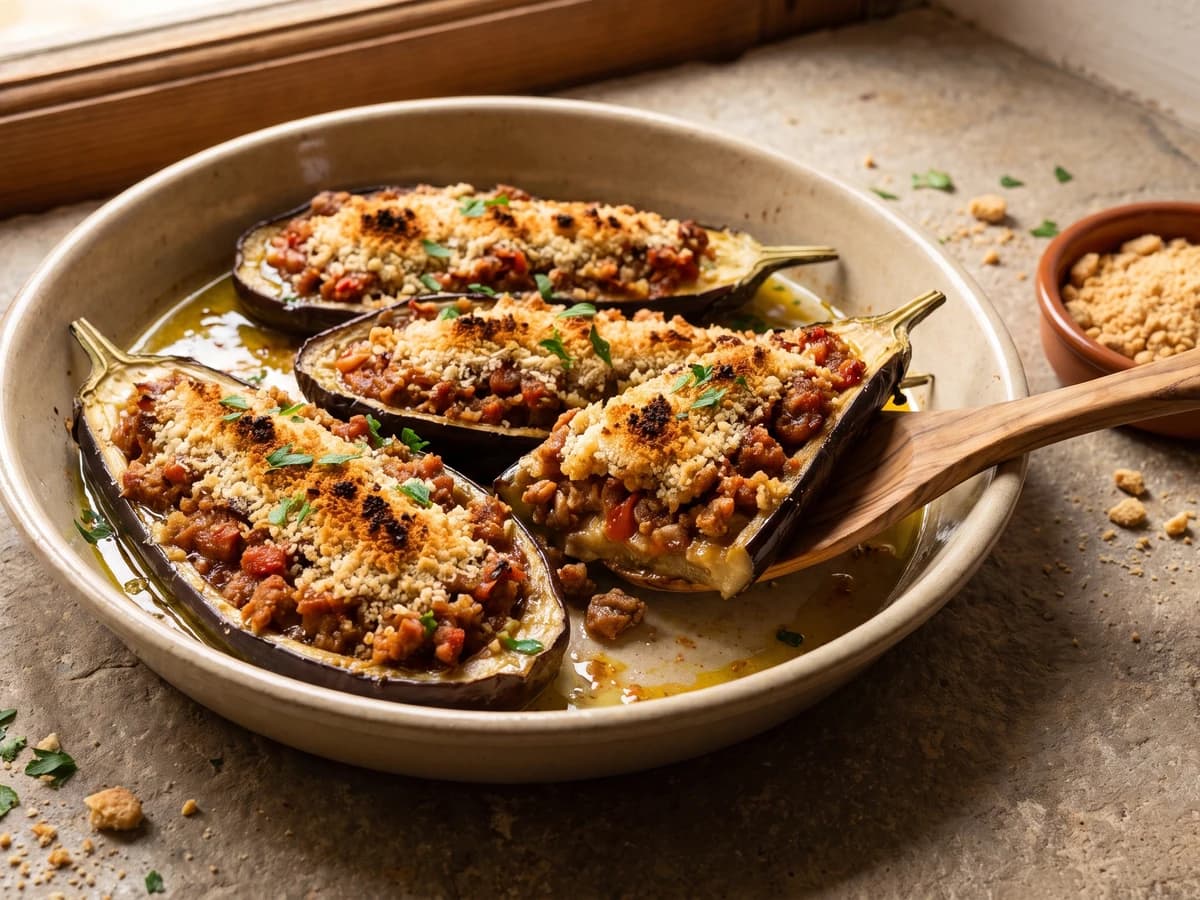
Albergínies farcides are Mallorca's summer stuffed aubergines: tender boiled shells, a slow pork sofrito with moraduix, and a plain breadcrumb cap baked until the top turns crisp and golden.

Chef Isabel
Carxofes farcides are Catalan stuffed artichokes: tender hearts filled with jamón, slow sweet onion, and breadcrumbs, then baked in a light creamy sauce until the tops turn golden.