Chef Isabel
Acedías Fritas de Cádiz
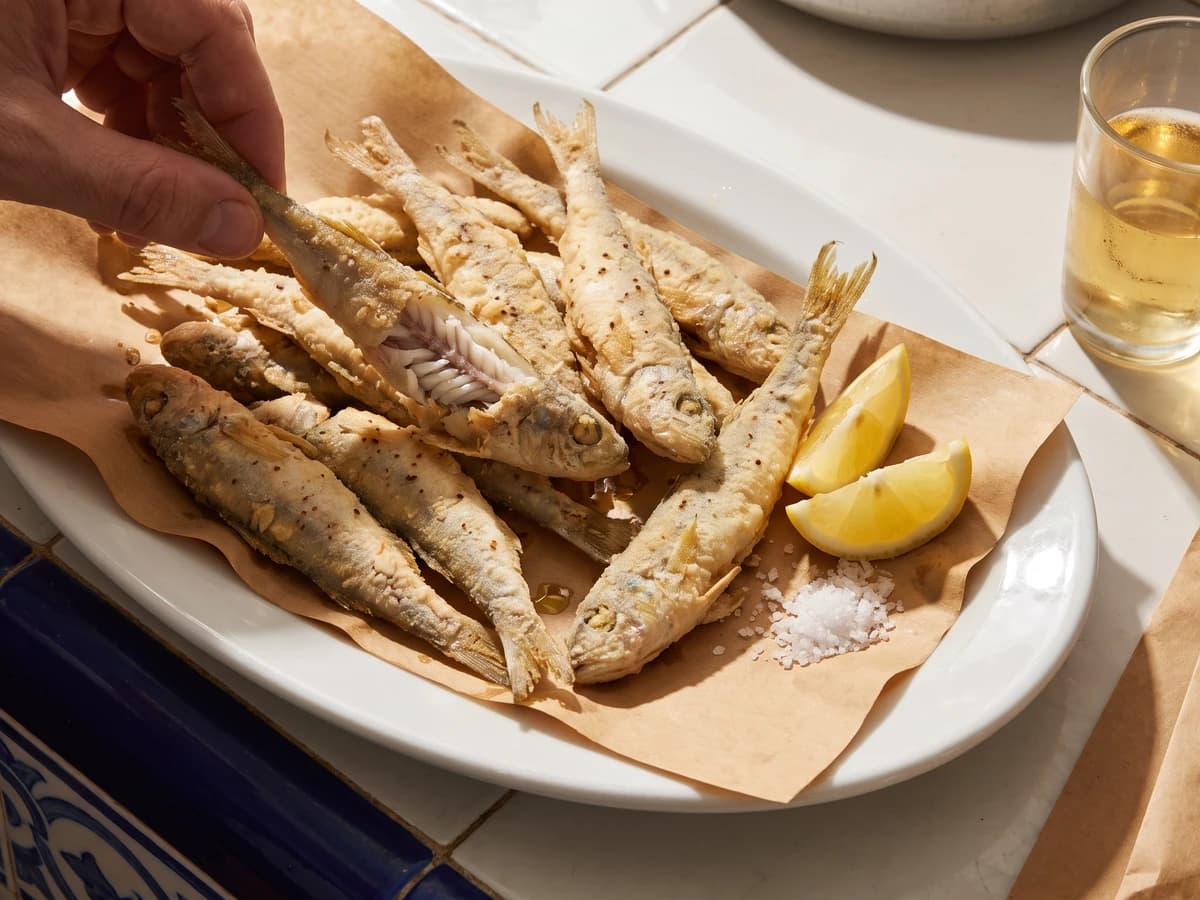
Acedías fritas belong to Cádiz: tiny wedge sole, salted, dusted in frying flour, and dropped into very hot olive oil so the rims crisp while the fish stays tender.
A cooking platform built around craft, culture, and the stories behind what we eat.
Created by
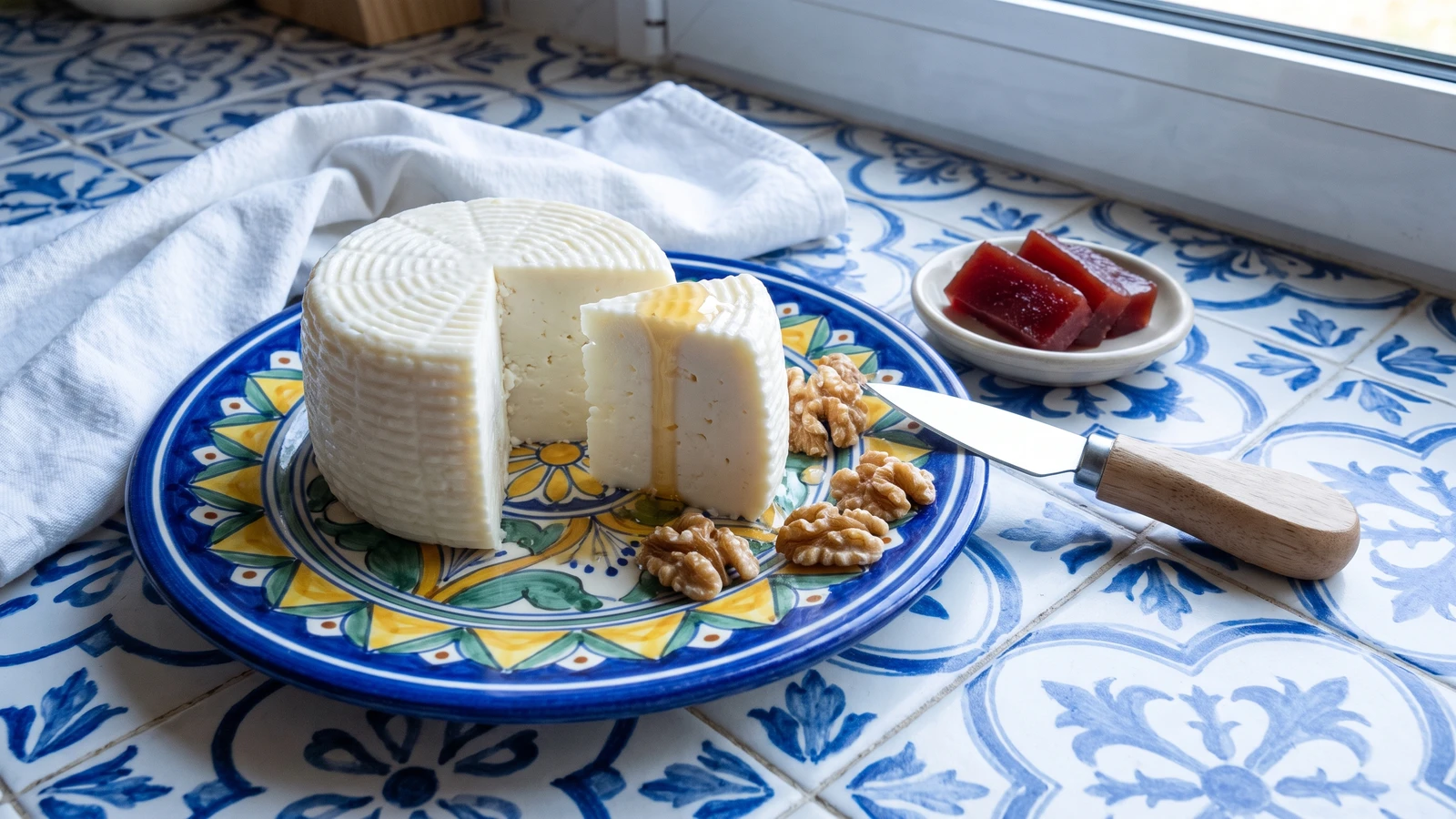
Queso de Burgos is the fresh cheese of Castilla y Leon, white, mild, barely pressed, and eaten young. The whole trick is a clean rennet set and gentle draining.
Queso de Burgos belongs to Castilla y Leon, and more exactly to Burgos: a fresh, white, unaged cheese set with rennet, drained lightly, and eaten within days. It isn't a cured Manchego and it isn't a tart lemon cheese. It should taste clean and milky, soft enough to tremble when you cut it, firm enough to hold a slice.
The method that decides it is the curd. Warm the milk gently, add the cuajo, the rennet, and leave it alone until it sets cleanly. If you stir too soon, you break the curd into little grains and the cheese drains dry and rubbery. Cut it slowly, ladle it gently, and let gravity do most of the work.
In Burgos the old cheese was made with sheep's milk, and that gives the fullest taste. If you're far from Castilla and can't get it, use the best whole cow's milk you can find, not ultra-pasteurized, and add a little cream if the milk is thin. It will be milder, but still honest. No hace falta haber pisado Espana. Pésalo, no lo adivines, and eat it fresh.
Queso de Burgos comes from the Castilian province of Burgos, where sheep's milk from the high, dry meseta was turned into a fresh cheese meant to be sold and eaten quickly rather than kept for curing. Its pale, moist body and faint basket marks come from light draining in molds, not from pressing or aging. The cheese sits in the everyday Castilian larder, as likely to be served with honey or membrillo as cut into slabs and fried until golden.
Quantity
2 liters
Quantity
120ml
use only if the cow's milk is very lean
Quantity
1/4 teaspoon
diluted in 2 tablespoons cool non-chlorinated water
Quantity
1/8 teaspoon
diluted in 1 tablespoon cool non-chlorinated water
Quantity
8g
| Ingredient | Quantity |
|---|---|
| whole sheep's milk, or whole cow's milk if sheep's milk is unavailable | 2 liters |
| heavy cream (optional)use only if the cow's milk is very lean | 120ml |
| liquid animal rennetdiluted in 2 tablespoons cool non-chlorinated water | 1/4 teaspoon |
| calcium chloride (optional)diluted in 1 tablespoon cool non-chlorinated water | 1/8 teaspoon |
| fine sea salt | 8g |
Pour the milk into a clean heavy pot and warm it slowly to 32 C, stirring gently so it heats evenly. If you're using pasteurized milk, stir in the diluted calcium chloride once the milk is warm. Keep the heat low; scorched milk tastes tired before the cheese has even begun.
Take the pot off the heat. Stir in the diluted rennet for 20 seconds with slow up-and-down strokes, then stop. Cover the pot and leave it still for 45 to 60 minutes, until the curd gives a clean break when you lift it with a knife. This quiet rest is the whole trick. Move it around and you lose the soft, smooth body.
Cut the curd into 2cm squares with a long knife, reaching right to the bottom of the pot. Let it rest for 10 minutes so whey begins to rise around the pieces. Sprinkle over the salt and move the curds only once or twice, very gently, just enough to share the salt through them.
Line two small cheese molds or a sieve with damp cheesecloth and ladle in the curds. Let them drain at room temperature for 2 to 3 hours, turning once if the cheese is firm enough to handle. Do not press hard. Queso de Burgos wants to be moist and tender, not tight.
Unmold the cheese, set it in a covered container, and chill it for at least 1 hour before slicing. Serve it plain, with honey and walnuts, with membrillo, or cut into thick slabs and fry in a film of olive oil until the outside is golden. Eat it within 3 days. Siempre sale, si lo sigues.
1 serving (about 225g)
Culinary guides, cultural storytelling, and the editorial depth that makes cooking meaningful.
Discover Culinary ExplorerChef Isabel
Acedías fritas belong to Cádiz: tiny wedge sole, salted, dusted in frying flour, and dropped into very hot olive oil so the rims crisp while the fish stays tender.
Chef Isabel
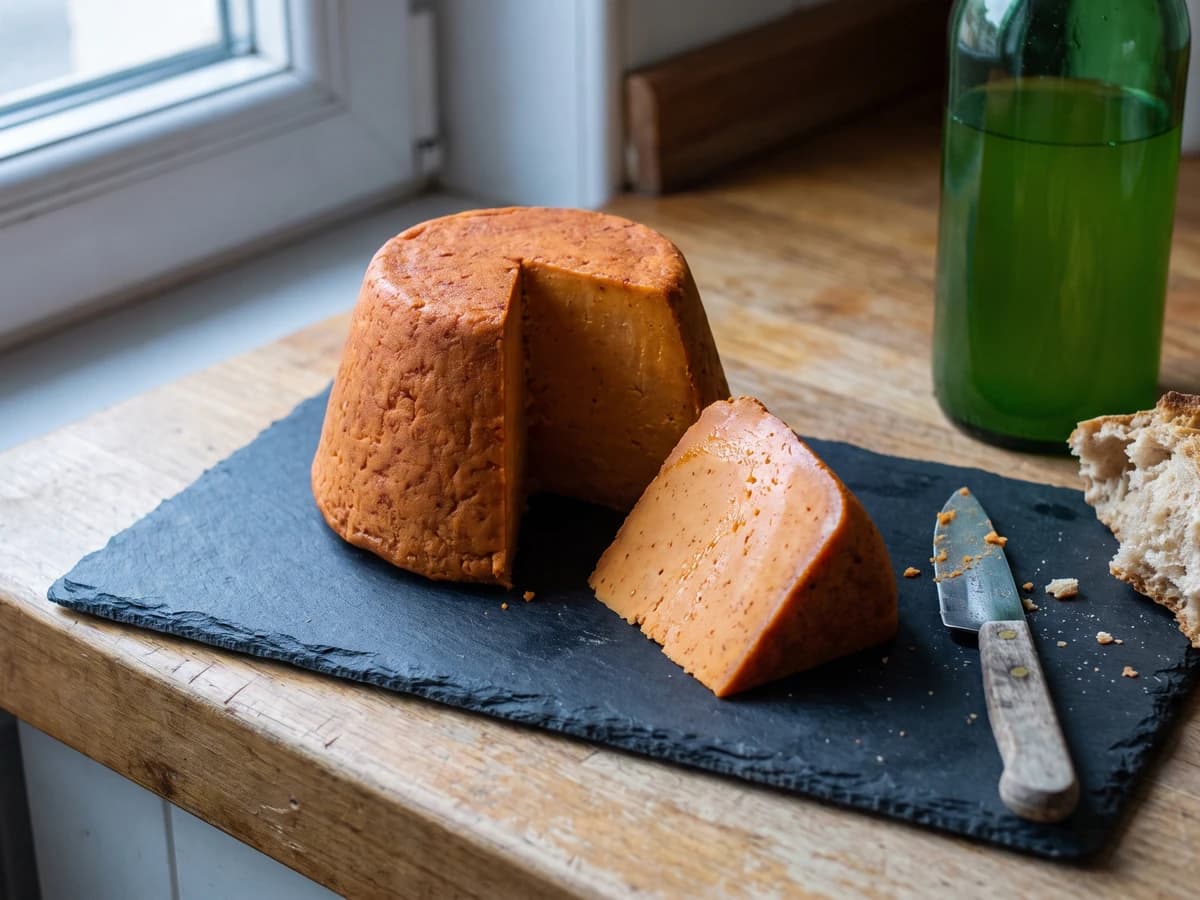
Afuega'l Pitu Roxu is Asturias in a small cheese: cow's milk set slowly to a dense curd, drained without squeezing, then kneaded with pimentón until it turns orange and grips the throat.
Chef Isabel
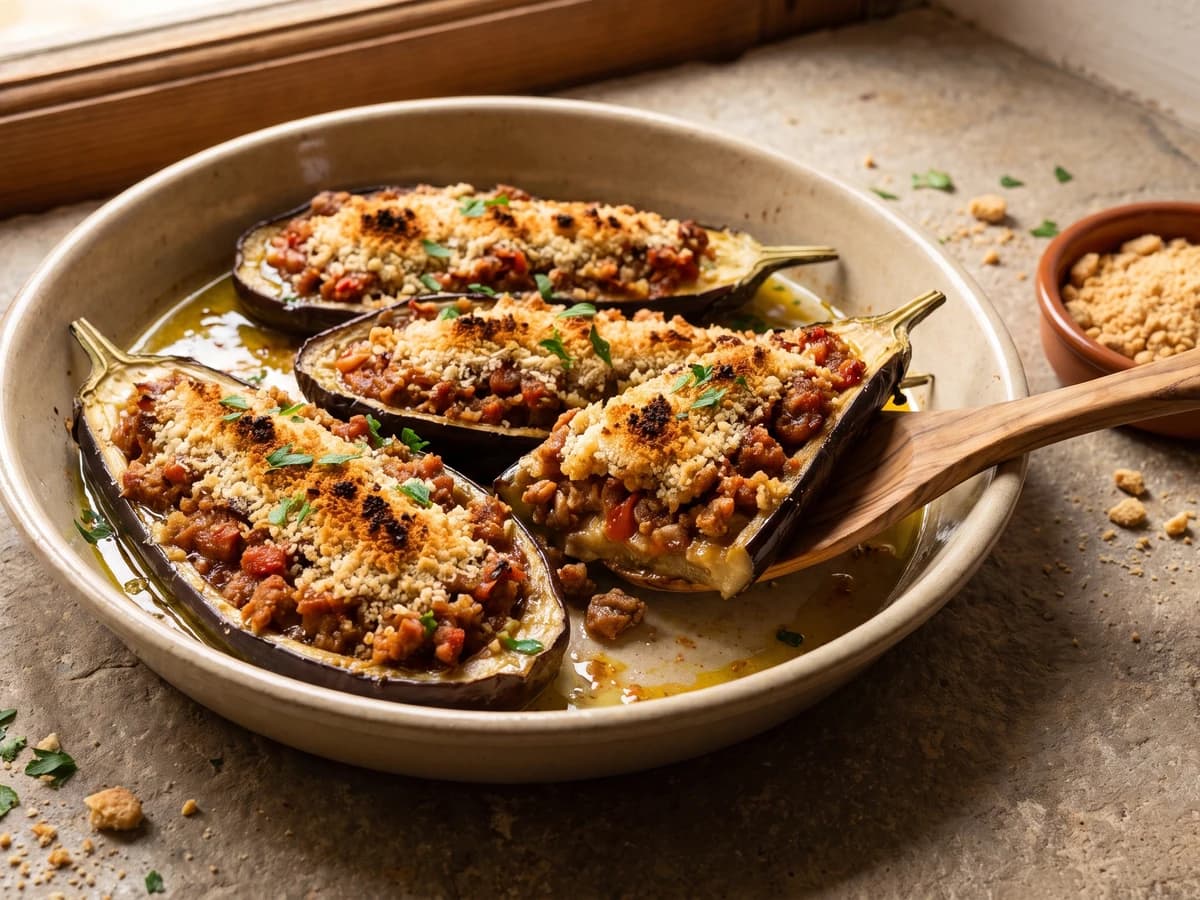
Albergínies farcides are Mallorca's summer stuffed aubergines: tender boiled shells, a slow pork sofrito with moraduix, and a plain breadcrumb cap baked until the top turns crisp and golden.

Chef Isabel
Carxofes farcides are Catalan stuffed artichokes: tender hearts filled with jamón, slow sweet onion, and breadcrumbs, then baked in a light creamy sauce until the tops turn golden.