Chef Graziella
Arista alla Fiorentina
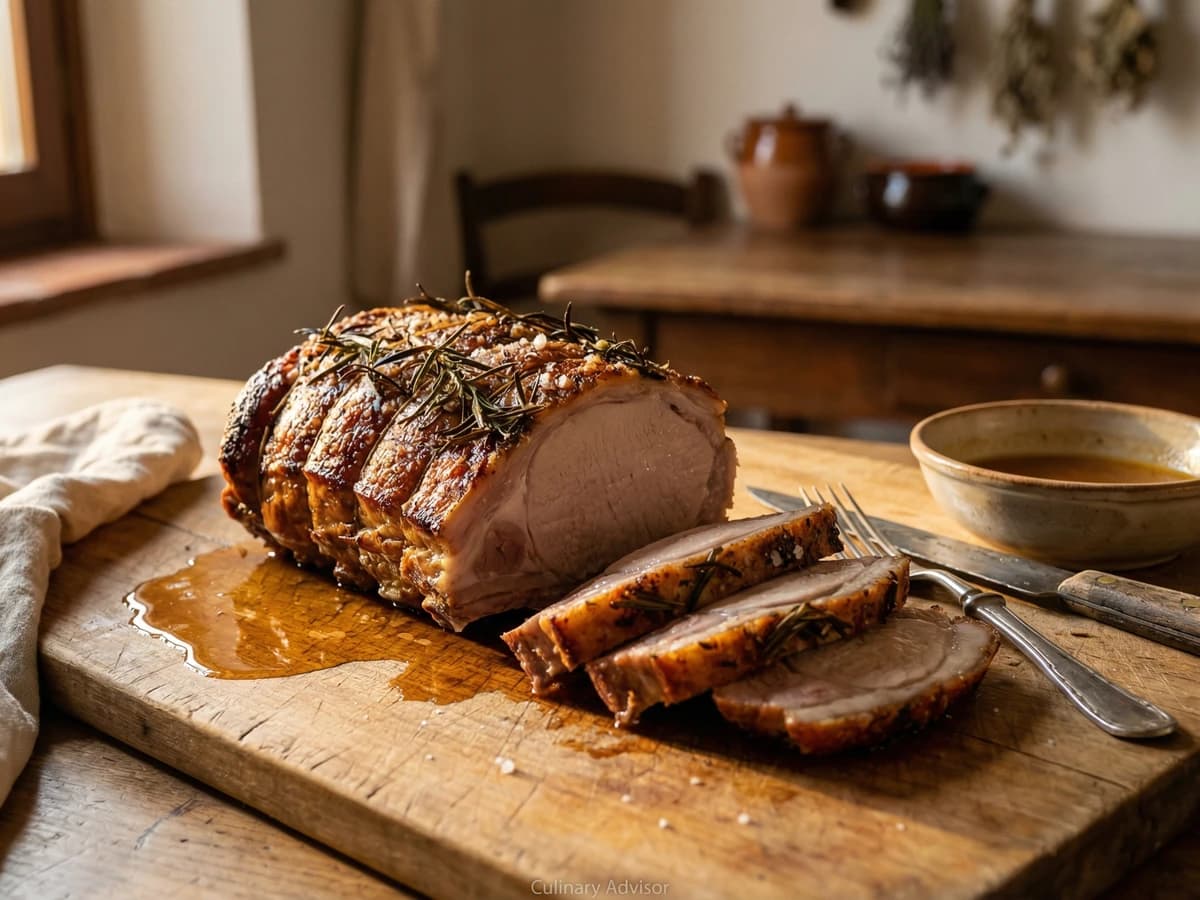
The roast pork of Florence: bone-in loin studded with rosemary and garlic, nothing more. This is the dish that earned its name from a Byzantine bishop who declared it aristos, the best.
A cooking platform built around craft, culture, and the stories behind what we eat.

Created by
Tuscan farmhouse chicken pressed flat under terra cotta until the skin crackles like parchment and the meat stays impossibly juicy. The weight does the work. You stay out of the way.
Pollo al mattone is physics, not recipes. The weight forces every inch of skin against the hot pan. Maximum contact, maximum crispness. Tuscan farm wives understood this centuries before anyone wrote cookbooks. They cooked over open fires with whatever was heavy: a stone, a brick from the hearth, an iron weight. The method has not changed because it does not need to change.
Americans ruin chicken by fussing with it. They flip too soon, lift lids to peek, adjust and readjust. This dish demands that you do nothing. Place the weight. Walk away. The chicken crisps while you set the table. When you return, the skin will be golden and shattering, the meat beneath still succulent from the pressing.
The seasoning is Tuscan in its restraint: olive oil, garlic, rosemary, salt. Nothing more. The garlic perfumes the fat without overwhelming. The rosemary speaks but does not shout. What you keep out is as significant as what you put in. A chicken prepared this way needs nothing else.
Tuscan farmers have cooked chicken under weights since at least the Renaissance, when poultry was reserved for special occasions and every technique aimed to maximize flavor from precious ingredients. The terra cotta bricks used to build bread ovens doubled as cooking weights, giving the dish its name: chicken under a brick. The method spread from farmhouses to Florentine trattorias in the 20th century, where it remains a menu staple.
Quantity
1 (3 1/2 to 4 pounds)
Quantity
1/4 cup
Quantity
4
smashed
Quantity
3 sprigs
Quantity
1 teaspoon
Quantity
1/2 teaspoon
freshly ground
Quantity
1
cut into wedges
| Ingredient | Quantity |
|---|---|
| whole chicken | 1 (3 1/2 to 4 pounds) |
| extra virgin olive oil | 1/4 cup |
| garlic clovessmashed | 4 |
| fresh rosemary | 3 sprigs |
| kosher salt | 1 teaspoon |
| black pepperfreshly ground | 1/2 teaspoon |
| lemoncut into wedges | 1 |
Place the chicken breast-side down on a cutting board. Using sharp kitchen shears, cut along both sides of the backbone and remove it completely. Turn the chicken over and press down firmly on the breastbone with the heel of your hand until you hear it crack. The bird should lie flat. This is not optional. A chicken that is not flat cannot cook properly under a weight.
Pat the chicken completely dry with paper towels. Wet skin does not crisp. Rub the entire bird, both sides, with olive oil. Season generously with salt and pepper, working it into the skin and under it where you can. Tuck the rosemary sprigs and smashed garlic under the bird. The chicken should rest at room temperature for 30 minutes before cooking. Cold chicken in a hot pan steams instead of sears.
Wrap two bricks in heavy aluminum foil, or use a cast iron skillet slightly smaller than your cooking pan. The weight must be heavy enough to press the chicken flat against the hot surface. A light weight accomplishes nothing. This is the entire point of the dish.
Heat a large cast iron skillet over medium-high heat until very hot, about 3 minutes. Add two tablespoons of olive oil. Place the chicken skin-side down in the pan. Immediately place the weight on top, pressing firmly. Reduce heat to medium. Cook without moving for 25 minutes. Do not lift the weight to check. Do not fidget. The skin is developing a golden crust through sustained contact with the hot pan.
Remove the weight. The skin should be deeply golden and crackling. If it is pale, your heat was too low. Flip the chicken using tongs and a spatula, working carefully. Replace the weight. Cook for another 15 to 20 minutes, until the thickest part of the thigh registers 165 degrees on an instant-read thermometer and the juices run clear when pierced.
Transfer the chicken to a cutting board. Let it rest for 10 minutes. This is essential. The juices must redistribute through the meat. Cut the chicken into serving pieces: separate the legs at the joint, halve the breast. Arrange on a warm platter with lemon wedges. Drizzle with any pan juices. Serve immediately.
1 serving (about 210g)
Culinary guides, cultural storytelling, and the editorial depth that makes cooking meaningful.
Discover Culinary ExplorerChef Graziella
The roast pork of Florence: bone-in loin studded with rosemary and garlic, nothing more. This is the dish that earned its name from a Byzantine bishop who declared it aristos, the best.

Chef Graziella
The T-bone of Florence, thick as three fingers and charred over blazing coals, rested until the juices settle, finished with nothing but salt and the best olive oil Tuscany can offer.
Chef Graziella
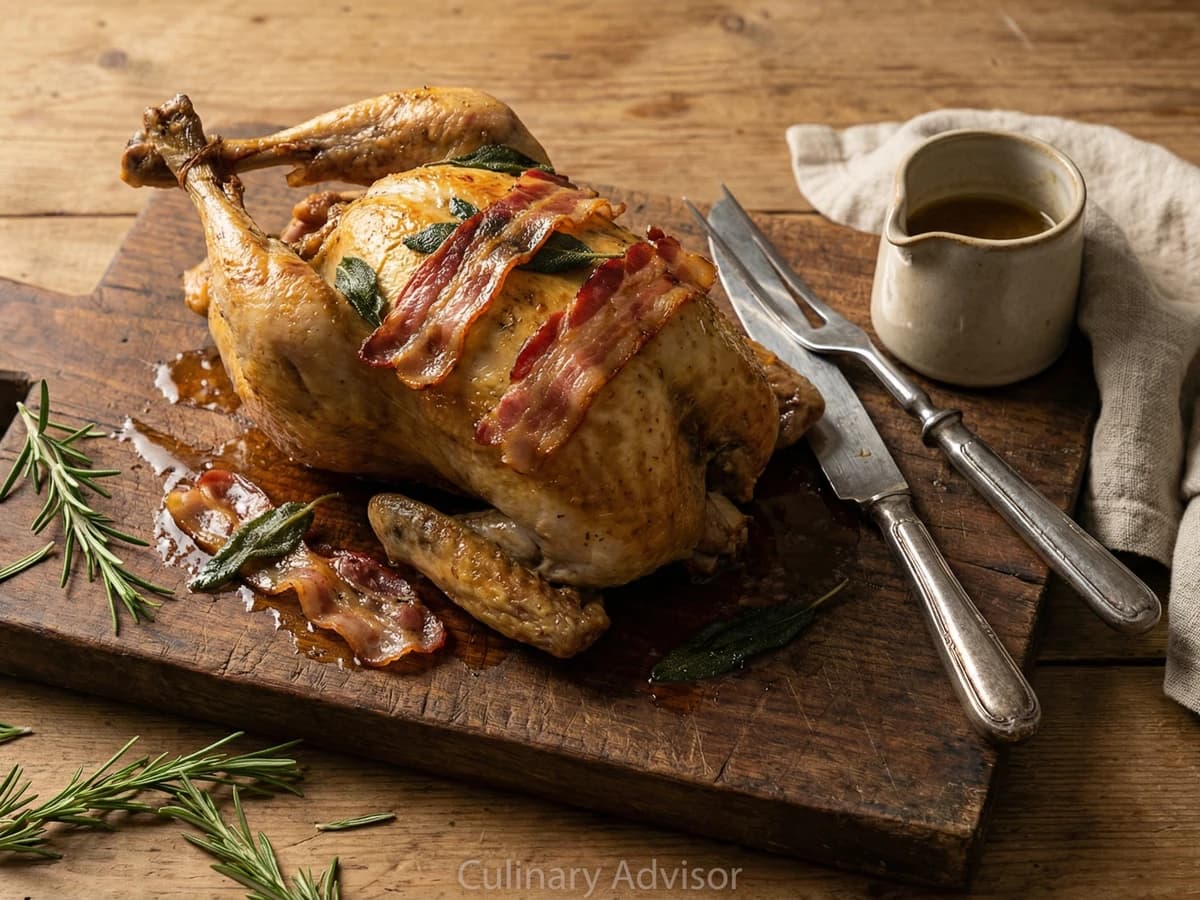
The noble guinea fowl of Tuscan farmhouses, wrapped in pancetta, perfumed with sage, roasted until the skin shatters and the meat stays moist. This is what Italians bring to the table when ordinary poultry will not serve.

Chef Graziella
The ancient grain of the Garfagnana, simmered with whatever the garden offers and finished with the green-gold olive oil that Tuscany produces better than anywhere else. Peasant food that sustained Roman legions and Tuscan farmers alike.